Get started

Topic

The best 156 Resilience summaries

Resilience is the capacity to absorb setbacks, adapt to change, and keep moving with purpose, a quality tested daily by readers in the region as they face economic shifts, career pressures, displacement, and personal loss. The books in this topic range from Stoic philosophy and practical guides on fear and failure to the life of the Prophet Mohammad (PBUH), memoirs of Palestinian endurance, and the journeys of leaders and founders who rebuilt after hardship. Readers can use these ideas to reframe obstacles, build courage through small deliberate challenges, recover from burnout, and lead themselves and others with steadiness through uncertain times.

1Trust

Trust

Henry Cloud

Understand how trust is built, broken, and restored to strengthen relationships and lead with greater clarity and confidence.

15 min

Listen to the intro

1:38

What is Trust about?

Trust (2023) explains how to know when to give trust, when to hold it back, how to earn it, and how to repair it when it has been broken. Henry Cloud describes five essential elements of trust: understanding, motive, ability, character, and track record. With examples from work, family, and friendships, the book helps readers build healthier and more reliable relationships.

Who should read Trust?

  • Leaders who want teams that truly rely on them
  • Anyone rebuilding trust after a painful betrayal
  • People unsure whom to trust at work or home
2The Genius of Empathy

The Genius of Empathy

Judith Orloff

Turn empathy into a strength by setting healthy boundaries, preventing emotional exhaustion, and building deeper connections with others.

19 min

Listen to the intro

0:57

What is The Genius of Empathy about?

The Genius of Empathy (2024) shows how empathy can become a source of strength rather than exhaustion. Psychiatrist Judith Orloff explains how to understand others more deeply while setting healthy boundaries, protecting one’s energy, and avoiding emotional burnout. The book offers practical exercises for bringing empathy into relationships, work, and daily life.

Who should read The Genius of Empathy?

  • Sensitive people who feel drained by others' emotions
  • Caregivers and helpers struggling to set healthy boundaries
  • Anyone seeking deeper, more meaningful relationships at work and home
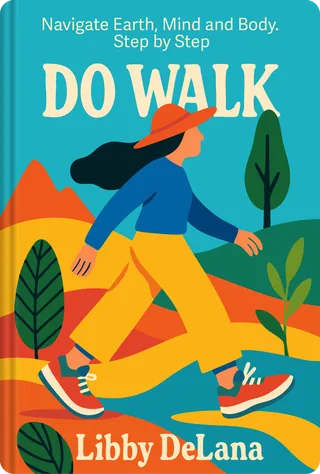
3Do Walk

Do Walk

Libby DeLana

Turn walking into a daily practice that clears your mind, awakens creativity, and brings greater calm and purpose.

20 min

Listen to the intro

1:42

What is Do Walk about?

Do Walk (2021) explores walking as a simple daily practice that can improve attention, creativity, emotional balance, and connection with the surrounding world. Drawing on the author’s experience of taking an early morning walk every day, the book explains how a regular routine can create space for observation and clearer thinking. It also encourages readers to begin with manageable steps, notice their environment, and allow movement to become a source of renewal.

Who should read Do Walk?

  • Busy professionals seeking a simple way to clear their minds
  • Creative thinkers looking to spark fresh ideas through movement
  • Anyone wanting a calm, sustainable daily wellbeing habit
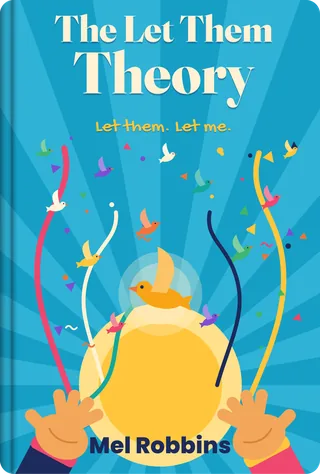
4The Let Them Theory

The Let Them Theory

Mel Robbins and Sawyer Robbins

Stop managing other people's choices and opinions, and put your energy back into your own life.

16 min

What is The Let Them Theory about?

The Let Them Theory (2024) by Mel Robbins, written with her daughter Sawyer, shows how two simple phrases can change everyday life. "Let them" means accepting that you cannot control other people's choices, opinions and moods. "Let me" means taking charge of your own response. The book applies the idea to stress, comparison, friendship, family and marriage, and it became one of the best-selling books of 2025.

Who should read The Let Them Theory?

  • Anyone worn out by worrying what others think
  • People who keep comparing themselves to others
  • Spouses and parents tired of trying to control loved ones
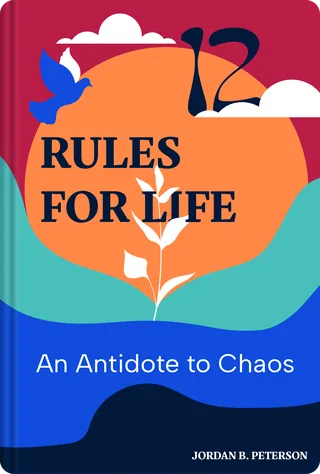
512 Rules For Life

12 Rules For Life

Jordan B. Peterson

Build a meaningful life through 12 principles of truth, discipline, and personal responsibility that bring stability and purpose amid life’s challenges.

18 min

Listen to the intro

1:06

What is 12 Rules For Life about?

12 Rules For Life (2018) offers practical and philosophical guidance for living a meaningful life in a chaotic world. Jordan B. Peterson combines psychology, mythology, religion, and personal stories to present rules such as standing up straight, telling the truth, and pursuing what is meaningful rather than what is expedient. The book emphasises personal responsibility, discipline, and courage as the foundations of a stable and purposeful life.

Who should read 12 Rules For Life?

  • Young adults searching for direction and purpose in life
  • Anyone overwhelmed by chaos and seeking inner stability
  • People ready to take responsibility and build lasting discipline
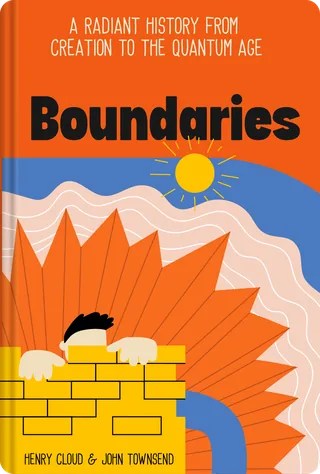
6Boundaries

Boundaries

Henry Cloud and John Townsend

Set healthy boundaries, say no with confidence, and build more respectful relationships with greater freedom and emotional balance.

15 min

Listen to the intro

2:35

What is Boundaries about?

Boundaries (1992) explains how to take control of your life by learning when to say yes and when to say no. Henry Cloud and John Townsend show how clear boundaries help people protect their time, emotions, and responsibilities in families, friendships, marriage, and work. They address common myths and fears about setting limits and explain how healthy boundaries lead to stronger, more respectful relationships.

Who should read Boundaries?

  • People who struggle to say no without guilt
  • Spouses and parents seeking more respectful family relationships
  • Professionals overwhelmed by demands on their time and energy
7Tapping

Tapping

David Feinstein and Donna Eden

Explore tapping as a simple mind-body practice for easing stress, calming emotional overwhelm, and shifting unhelpful patterns.

16 min

Listen to the intro

1:10

What is Tapping about?

Tapping (2024) is a guide to a self-help technique that combines tapping on specific points of the body with focused attention on a problem or goal. David Feinstein and Donna Eden explain how the method, rooted in energy psychology, is used to ease stress, anxiety, and emotional distress. The book offers step-by-step instructions for applying tapping to everyday challenges.

Who should read Tapping?

  • Anyone looking for a simple way to ease daily stress
  • People who feel emotionally overwhelmed and want calm
  • Readers curious about practical mind-body self-help techniques
8Good for a Girl

Good for a Girl

Lauren Fleshman

Run alongside a female athlete confronting bias, identity, and unequal expectations while finding the resilience to succeed on her own terms.

18 min

Listen to the intro

1:19

What is Good for a Girl about?

Good for a Girl (2023) is a memoir by champion runner Lauren Fleshman about growing up as a female athlete in a sports system built mainly around men. She describes the pressures young women face as their bodies change, the injuries and health problems that can follow, and why many talented girls leave sport. The book calls for a healthier, fairer approach to training and supporting female athletes.

Who should read Good for a Girl?

  • Young female athletes facing pressure and body changes
  • Coaches who train and support girls and women
  • Parents of daughters who love competitive sport
9You Are Your Best Thing

You Are Your Best Thing

Tarana Burke and Brené Brown

Hear powerful Black voices confront shame, identity, and vulnerability while reclaiming resilience, joy, connection, and self-worth.

19 min

Listen to the intro

1:37

What is You Are Your Best Thing about?

You Are Your Best Thing (2021) is a collection of essays by Black writers, artists, and activists reflecting on vulnerability, shame, resilience, and belonging. Edited by Tarana Burke and Brené Brown, the book explores how people can heal, reclaim their worth, and build connection in the face of hardship and injustice. The contributors share honest personal stories that encourage courage and self-acceptance.

Who should read You Are Your Best Thing?

  • Anyone healing from shame or feelings of unworthiness
  • Readers seeking honest stories of Black resilience and belonging
  • People rebuilding confidence after hardship or injustice
10LIT

LIT

Jeff Karp

Ignite your creativity with science-based tools that generate fresh ideas, sharpen problem-solving, and build resilience for a changing world.

12 min

Listen to the intro

1:57

What is LIT about?

LIT (2024) introduces a collection of life ignition tools designed to interrupt automatic routines and restore curiosity, energy, and purposeful attention. Jeff Karp draws inspiration from neuroscience, nature, personal challenges, and his work as a biomedical researcher to explain how small changes can alter daily experience. The book offers exercises involving movement, environment, reflection, connection, and novelty to help readers become more engaged with their choices and surroundings.

Who should read LIT?

  • Professionals stuck in autopilot routines seeking fresh energy
  • Innovators and problem-solvers looking for science-based creativity tools
  • Anyone who wants to reconnect with curiosity and purpose
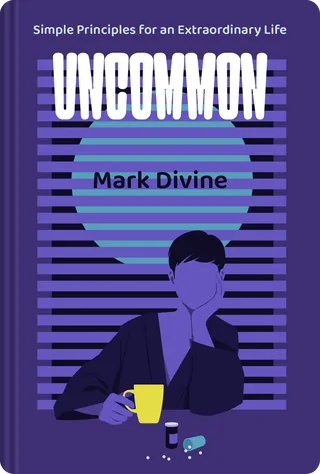
11Uncommon

Uncommon

Mark Divine

Build lasting excellence through discipline, mindfulness, and purpose, using Navy SEAL lessons to strengthen courage, character, and mental resilience.

14 min

Listen to the intro

0:44

What is Uncommon about?

Uncommon (2024) presents a collection of principles for developing resilience, purpose, discipline, and personal responsibility. Drawing on demanding professional and personal experiences, the book shows how readers can train their minds, clarify their values, confront challenges calmly, and build an extraordinary life through consistent daily choices.

Who should read Uncommon?

  • Professionals seeking mental toughness under constant pressure
  • Anyone struggling to stay disciplined day after day
  • Leaders wanting to build strong character and values
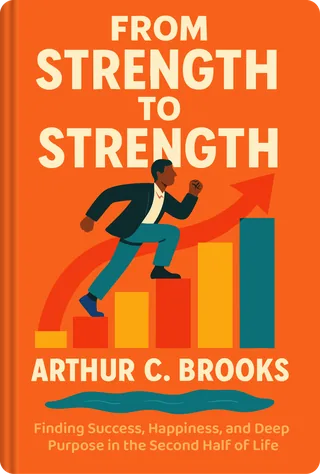
12From Strength to Strength

From Strength to Strength

Arthur C. Brooks

Move beyond ambition and comparison by embracing the strengths that come with age and building fulfilment through meaning, connection, service, faith, and love.

16 min

Listen to the intro

0:46

What is From Strength to Strength about?

From Strength to Strength (2022) addresses a challenge many successful people face: the decline in certain abilities as they grow older. Arthur C. Brooks explains that while fast, innovative thinking often peaks early, the ability to combine knowledge, teach, and share wisdom grows later in life. He shows how to embrace this change and find deeper purpose and happiness in the second half of life.

Who should read From Strength to Strength?

  • Professionals in midlife worried about losing their edge
  • High achievers rethinking success in life's second half
  • Anyone seeking deeper purpose through teaching and mentoring
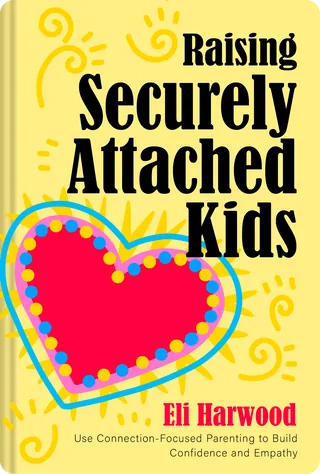
13Raising Securely Attached Kids

Raising Securely Attached Kids

Eli Harwood

Build a secure bond with your child through empathy, consistency, and calm communication that strengthen trust and reduce power struggles.

17 min

Listen to the intro

0:56

What is Raising Securely Attached Kids about?

Raising Securely Attached Kids (2024) explains how parents can build relationships that help children feel safe, understood, and confident while gradually developing independence. Eli Harwood translates attachment research into practical responses for moments of fear, conflict, strong emotion, separation, and misbehaviour. The book emphasises that secure attachment does not require perfect parenting, but grows through consistent care, emotional availability, healthy boundaries, and sincere repair after mistakes.

Who should read Raising Securely Attached Kids?

  • Parents who want calmer, more trusting relationships with children
  • Caregivers struggling with tantrums, defiance, or daily power struggles
  • Anyone who fears they must be a perfect parent
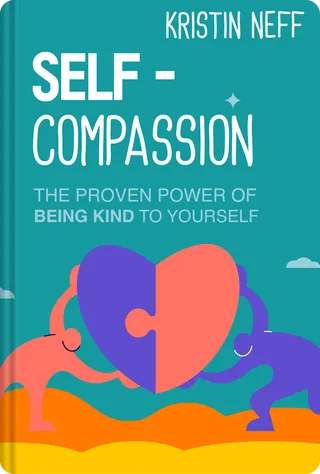
14Self-Compassion

Self-Compassion

Kristin Neff

Replace self-criticism with self-compassion through practical steps that ease anxiety, build resilience, and support greater happiness.

19 min

Listen to the intro

1:26

What is Self-Compassion about?

Self-Compassion (2011) shows that treating ourselves with kindness, rather than harsh self-criticism, leads to greater resilience, motivation, and well-being. Kristin Neff explains three elements of self-compassion: being kind to yourself, recognising that everyone struggles, and being mindful of painful feelings without being overwhelmed. With research and exercises, she helps readers stop being their own worst critic.

Who should read Self-Compassion?

  • People who are harshest on themselves after mistakes
  • Anyone struggling with anxiety and harsh self-criticism
  • Readers seeking greater resilience, motivation, and well-being
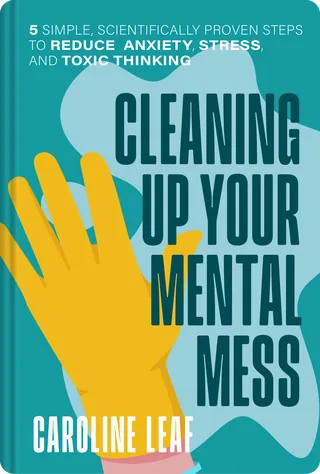
15Cleaning Up Your Mental Mess

Cleaning Up Your Mental Mess

Caroline Leaf

Rewire chaotic thinking with a science-based process that clears mental clutter, strengthens focus, and improves emotional control.

19 min

Listen to the intro

0:48

What is Cleaning Up Your Mental Mess about?

Cleaning Up Your Mental Mess (2021) presents a practical method for managing anxiety, stress, and negative thought patterns. Caroline Leaf introduces the Neurocycle, a five-step process for identifying the source of mental distress and building healthier ways of thinking. The book combines neuroscience research with daily exercises designed to improve mental wellbeing.

Who should read Cleaning Up Your Mental Mess?

  • Anyone struggling with anxiety, stress or constant overthinking
  • Professionals seeking sharper focus amid daily mental clutter
  • Readers curious how neuroscience can reshape thought patterns
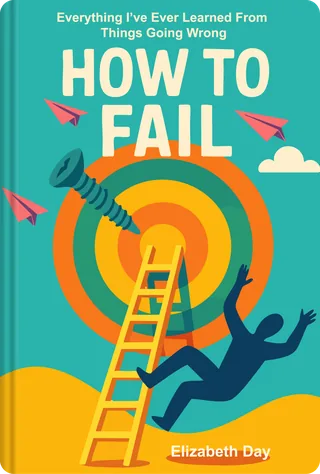
16How to Fail

How to Fail

Elizabeth Day

Rethink failure through honest stories that reveal how setbacks, imperfection, and unexpected turns can become powerful sources of growth.

16 min

Listen to the intro

1:19

What is How to Fail about?

How to Fail (2019) explores what failure can teach us about success, resilience, and happiness. Elizabeth Day reflects honestly on her own setbacks in areas such as work, friendship, family, and sport, and shares lessons from the many guests she has interviewed about failing. The book argues that learning from failure can help us understand ourselves better and live with more confidence.

Who should read How to Fail?

  • Anyone recovering from a painful setback in work or family
  • Perfectionists who fear making mistakes
  • Readers seeking resilience and confidence after life's unexpected turns
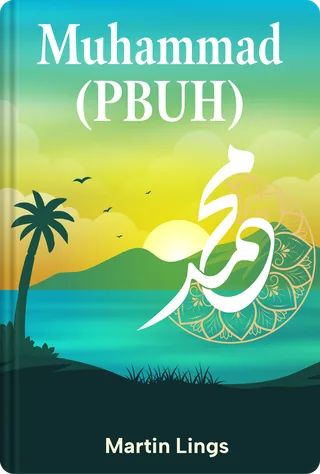
17Muhammad (PBUH)

Muhammad (PBUH)

Martin Lings

Explore the life, mission, and enduring legacy of Prophet Muhammad (PBUH) through a beautifully written account grounded in classical Islamic sources.

18 min

Listen to the intro

1:19

What is Muhammad (PBUH) about?

Muhammad (PBUH) (1983) is a biography of Prophet Muhammad (PBUH) based on the earliest Arabic sources, including the classical works of sira. Martin Lings tells the story of the Prophet’s life in clear, graceful prose, from his early years in Makkah and the first revelation to the migration to Madinah and the spread of Islam. The book is widely admired for its accuracy, respect, and readability.

Who should read Muhammad (PBUH)?

  • Anyone seeking a reliable, readable biography of the Prophet (PBUH)
  • Readers wanting to deepen their love for the Prophet (PBUH)
  • Students of Islamic history and the classical sira
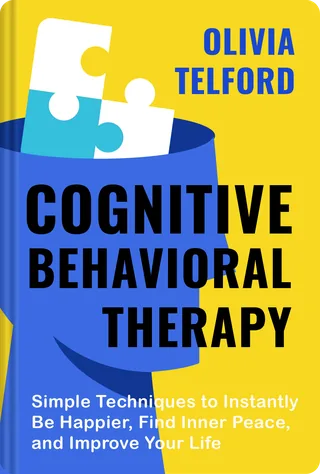
18Cognitive Behavioral Therapy

Cognitive Behavioral Therapy

Olivia Telford

Break negative thought cycles with practical CBT techniques that build healthier emotional patterns, resilience, and confidence.

17 min

Listen to the intro

1:22

What is Cognitive Behavioral Therapy about?

Cognitive Behavioral Therapy (2018) introduces the basic principles of cognitive behavioural therapy and explains how thoughts, emotions, and actions can reinforce one another. Olivia Telford presents exercises for recognising unhelpful thinking patterns, examining assumptions, managing difficult emotions, and developing more constructive responses. The book is a general self-help introduction rather than a replacement for professional assessment or treatment from a qualified mental health specialist.

Who should read Cognitive Behavioral Therapy?

  • Anyone caught in recurring cycles of negative thinking
  • Beginners curious about the core ideas behind CBT
  • People seeking practical exercises for managing difficult emotions
19The Power of Bridging

The Power of Bridging

John Powell

Bridge division through empathy, trust, and genuine connection to strengthen belonging and build a shared sense of purpose.

17 min

Listen to the intro

1:12

What is The Power of Bridging about?

The Power of Bridging (2024) explores how societies can move past division and build a sense of belonging for everyone. John Powell explains the difference between breaking, which pushes people apart into us and them, and bridging, which reaches across differences with curiosity and respect. The book offers practical guidance for individuals, communities, and organisations that want to reduce conflict and create a shared sense of belonging.

Who should read The Power of Bridging?

  • Community leaders working to heal local divisions
  • Managers building trust across diverse, divided teams
  • Anyone tired of us-versus-them thinking in daily life
20Raising Mentally Strong Kids

Raising Mentally Strong Kids

Charles Fay and Daniel Amen

Equip children with the confidence, resilience, and problem-solving skills to face challenges independently and thrive into adulthood.

16 min

Listen to the intro

1:13

What is Raising Mentally Strong Kids about?

Raising Mentally Strong Kids (2020) combines brain science with practical parenting advice to help children grow into responsible, confident, and resilient adults. Charles Fay and Daniel Amen explain how parents can set clear limits with warmth, let children learn from manageable mistakes, and build the self-control and character they need. The book offers simple scripts and strategies for handling everyday challenges calmly.

Who should read Raising Mentally Strong Kids?

  • Parents who want confident, resilient, independent children
  • Caregivers struggling to set limits without losing warmth
  • Parents seeking calm scripts for everyday child challenges

Related topics

Questions about Resilience

What is a good book to start with on resilience?

The Obstacle is the Way is a clear starting point, showing how perception, action, and will can turn difficulties into opportunities. For a practical approach, The Discomfort Zone offers small, intentional challenges that gradually strengthen your response to fear.

What will I learn from resilience books?

You will learn how to see failure as a source of growth, adapt when plans fall apart, and stay calm under pressure. Stories such as Long Walk to Freedom and I Shall Not Hate show how patience, forgiveness, and conviction can carry a person through great hardship.

Who are these summaries for?

They suit anyone facing a setback, from students and young professionals to entrepreneurs, managers, and parents. Founders will find candid lessons in Lost and Founder, while readers seeking spiritual grounding can turn to In the Footsteps of the Prophet.

Get the key ideas from the world's best books in about 15 minutes

Free account · One free summary every day