Get started

Topic

The best 16 Artistic Expression summaries

Artistic expression covers how people create, tell stories, make music and give shape to meaning, a subject that matters to readers in the region who carry a rich heritage of poetry, storytelling and craft and want to bring their own ideas into the world. The books here range from practical guides on creativity and storytelling to works on the business of art, classic literature, and studies of myth, language and how cultures represent one another. Readers can use these ideas to overcome creative blocks, tell clearer and more moving stories, share their work with confidence, and look more critically at the art and images around them.

1A Year of Creativity

A Year of Creativity

Kathryn Jacob and Sue Unerman

Reawaken your creativity through small daily practices that build confidence, spark fresh ideas, and transform how you see the world.

15 min

Listen to the intro

1:32

What is A Year of Creativity about?

A Year of Creativity (2024) offers 52 practical ideas for strengthening creativity, innovation, and inspiration in professional life. Organised around the seasons of the year, the book treats creativity as a skill that can be developed through habits, questions, collaboration, observation, and structured experimentation. Each section provides an approachable exercise or perspective that individuals and teams can use to generate ideas, overcome routine thinking, and approach workplace challenges differently.

Who should read A Year of Creativity?

  • Professionals who feel stuck in routine thinking at work
  • Team leaders looking to spark fresh ideas together
  • Anyone who believes they aren't naturally creative
2Orientalism

Orientalism

Edward W. Said

Uncover how Western portrayals of the East created enduring stereotypes and turned knowledge into an instrument of political and cultural power.

21 min

Listen to the intro

2:30

What is Orientalism about?

Orientalism (1978) is one of the most influential books of the twentieth century. Edward W. Said shows how Western scholars, writers, and politicians created a distorted image of the Arab and Islamic world, presenting it as mysterious, backward, and in need of Western control. He argues that this way of seeing supported colonial power, and his work changed how the world studies culture, history, and the Middle East.

Who should read Orientalism?

  • Students of history, politics, or Middle Eastern studies
  • Readers curious how the West came to see Arabs and Muslims
  • Anyone who questions Western stereotypes about the Muslim world
3Ulysses

Ulysses

James Joyce

Journey through one day in Dublin as ordinary lives become an epic exploration of identity, love, faith, and the human mind.

24 min

Listen to the intro

1:24

What is Ulysses about?

Ulysses (1922) follows ordinary people through a single day in Dublin, 16 June 1904, mainly the advertising salesman Leopold Bloom and the young writer Stephen Dedalus. James Joyce loosely models their journeys on Homer’s Odyssey and uses techniques such as stream of consciousness to capture their thoughts. Famous for its difficulty and inventiveness, the novel is considered one of the most important works of modern literature.

Who should read Ulysses?

  • Readers curious about modernist literature but daunted by Joyce
  • Writers exploring stream of consciousness and narrative experimentation
  • Students comparing classic epics like Homer's Odyssey with modern retellings
4How Music Works

How Music Works

David Byrne

Experience music as a force that shapes emotion, identity, and community through the interplay of culture, technology, and creativity.

17 min

Listen to the intro

1:41

What is How Music Works about?

How Music Works (2012) explores how music is shaped by the places where it is performed, the technology used to record it, and the business that sells it. David Byrne draws on his long career as a musician to explain how concert halls, clubs, recording studios, and digital tools influence the sound of music. The book offers a thoughtful look at creativity, collaboration, and how artists make a living.

Who should read How Music Works?

  • Musicians curious how venues and technology shape their sound
  • Creative professionals navigating the business side of their work
  • Anyone curious how culture and technology influence art
5Show Your Work!

Show Your Work!

Austin Kleon

Grow your creative audience without forced self-promotion by sharing your process, building community, and letting others learn from your journey.

15 min

Listen to the intro

1:38

What is Show Your Work! about?

Show Your Work! (2014) encourages creative people to share their process, not just their finished products. Austin Kleon offers ten simple ideas, such as thinking about process over product, sharing something small every day, telling good stories, and teaching what you know. He shows how openly sharing your work can help you find an audience, build connections, and grow your career.

Who should read Show Your Work!?

  • Creators who want an audience without pushy self-promotion
  • Freelancers building a reputation by sharing their process
  • Professionals hoping to grow their careers by teaching others
6The Birth of Tragedy

The Birth of Tragedy

Friedrich Nietzsche

Explore how the tension between Apollonian order and Dionysian ecstasy gave birth to tragedy before Socratic reason weakened its power.

14 min

Listen to the intro

1:59

What is The Birth of Tragedy about?

The Birth of Tragedy (1872) is Friedrich Nietzsche’s first book, a study of the origins and meaning of ancient Greek tragedy. He argues that tragedy arose from the union of two forces, the Apollonian, representing order, form, and reason, and the Dionysian, representing passion and collective emotion. Nietzsche also claims that the rise of Socratic rationalism led to tragedy’s decline, and he explores what art can offer in facing life’s suffering.

Who should read The Birth of Tragedy?

  • Philosophy students curious about Nietzsche's earliest ideas
  • Literature and theater lovers exploring Greek tragedy's origins
  • Anyone asking what art offers in facing suffering
7Mythos

Mythos

Stephen Fry

Rediscover ancient Greek myths through a witty retelling of gods, creation, and legendary adventures that continue to shape culture and imagination.

23 min

Listen to the intro

1:32

What is Mythos about?

Mythos (2017) retells the ancient Greek myths with humour and warmth for modern readers. Stephen Fry begins with the creation of the world and the Titans, then follows the gods of Olympus and famous figures such as Prometheus and Pandora. The book shows how these stories have shaped Western language, literature, and art.

Who should read Mythos?

  • Readers curious about the roots of Western literature
  • Students of history, art, or ancient civilizations
  • Anyone who enjoys classic stories told with humor
8How to Tell a Story

How to Tell a Story

The Moth, Meg Bowles, Catherine Burns, Jenifer Hixson, Sarah Austin Jenness and Kate Tellers

Tell powerful personal stories by finding meaningful moments, shaping compelling narratives, and delivering them with confidence and impact.

14 min

Listen to the intro

1:52

What is How to Tell a Story about?

How to Tell a Story (2022) teaches the art of true, personal storytelling from the team behind The Moth, a famous storytelling organisation. The authors explain how to find a story worth telling, shape it with a clear beginning, middle, and end, and share it honestly in front of an audience. With examples from real storytellers, the book helps readers connect with others through their own experiences.

Who should read How to Tell a Story?

  • Speakers who want to captivate audiences with true stories
  • Professionals who present, pitch or lead teams regularly
  • Anyone who wants to connect through personal experiences
9The Creative Act

The Creative Act

Rick Rubin

Awaken your natural creativity through 78 insights on awareness, uncertainty, and channelling creative energy into work and life.

19 min

Listen to the intro

1:39

What is The Creative Act about?

The Creative Act (2023) is a reflection on creativity and how anyone can live a more creative life. Drawing on decades of working with artists, Rick Rubin shares short lessons about paying attention, being open to ideas, trusting intuition, experimenting, finishing work, and letting go of fear. The book presents creativity not as a rare gift but as a way of seeing and engaging with the world.

Who should read The Creative Act?

  • Writers, designers and makers stuck in a creative rut
  • Professionals wanting fresh ideas in their everyday work
  • Anyone who believes creativity is a gift they lack
10Make Your Mark

Make Your Mark

Jocelyn K. Glei

Turn creative ideas into meaningful businesses by defining your vision, innovating with purpose, and leading with authenticity and transparency.

19 min

Listen to the intro

1:18

What is Make Your Mark about?

Make Your Mark (2014) brings together insights from successful entrepreneurs and creative leaders on building a business with purpose and impact. Edited by Jocelyn K. Glei, the book covers topics such as finding a clear purpose, designing great products, building a strong culture, and growing a company without losing its values. Its short, practical essays help creative professionals turn ideas into lasting ventures.

Who should read Make Your Mark?

  • Creative professionals ready to turn ideas into businesses
  • Founders who want to grow without losing their values
  • Leaders building a purpose-driven company culture
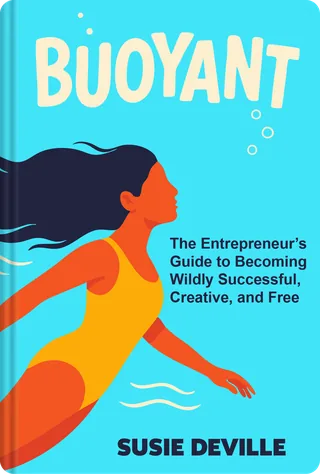
11Buoyant

Buoyant

Susie deVille

Reconnect with creativity, overcome burnout and fear, and build a business and life aligned with your authentic self.

17 min

Listen to the intro

1:32

What is Buoyant about?

Buoyant (2022) explores how entrepreneurs, professionals, and creators can recover the curiosity and imagination often weakened by pressure, routine, and fear of failure. Susie deVille explains how surroundings, daily habits, physical movement, play, and creative experimentation can restore energy and produce fresh ideas. Combining personal experience with practical exercises, the book encourages readers to move beyond self-doubt, reconnect with their natural creativity, and build work and lives that feel more purposeful and free.

Who should read Buoyant?

  • Entrepreneurs feeling drained by pressure and routine
  • Professionals recovering from burnout and fear of failure
  • Creators seeking to rekindle curiosity and fresh ideas
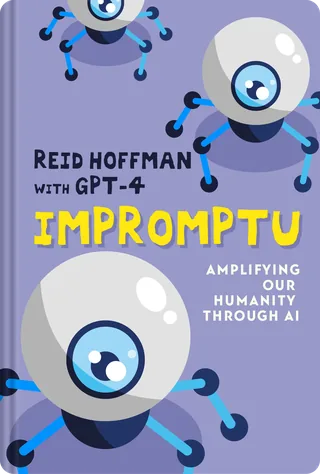
12Impromptu

Impromptu

Reid Hoffman with GPT-4

Partner with AI to overcome creative blocks, generate original ideas, and turn imagination into rapid prototypes and stronger creative work.

18 min

Listen to the intro

1:13

What is Impromptu about?

Impromptu (2023) explores how artificial intelligence can amplify human abilities rather than replace them. Reid Hoffman wrote the book in conversation with the AI model GPT-4, testing its strengths and weaknesses in areas such as education, business, creativity, journalism, and justice. The book offers an optimistic but thoughtful look at how people can use AI as a powerful partner.

Who should read Impromptu?

  • Creators stuck in a rut and seeking fresh ideas
  • Professionals curious how AI can amplify their work
  • Educators and journalists weighing AI's promise and limits
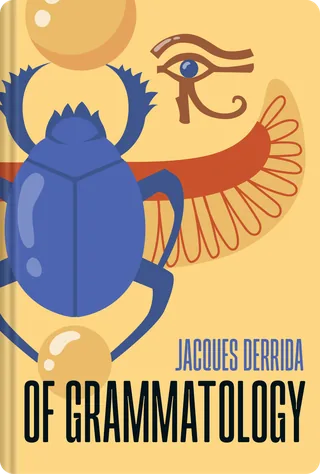
13Of Grammatology

Of Grammatology

Jacques Derrida

Rethink language and meaning by exploring how words constantly shift and quietly shape how we interpret reality.

18 min

Listen to the intro

1:35

What is Of Grammatology about?

Of Grammatology (1967) is a foundational work of deconstruction, the philosophical approach most closely associated with Jacques Derrida. It challenges the long-standing Western belief that speech is more authentic than writing, and shows how meaning is never fully fixed or present. Through close readings of thinkers such as Rousseau, Saussure, and Lévi-Strauss, Derrida questions basic assumptions about language and knowledge.

Who should read Of Grammatology?

  • Philosophy students curious about the roots of deconstruction
  • Literature and linguistics readers questioning how meaning works
  • Anyone who wonders whether words truly capture reality
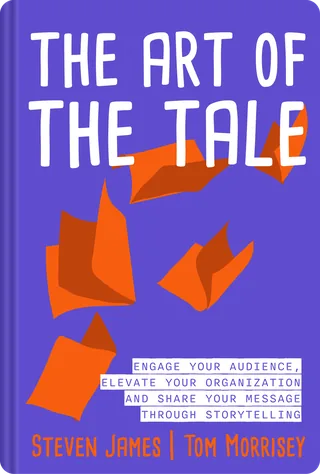
14The Art of the Tale

The Art of the Tale

Steven James and Tom Morrisey

Lead through compelling stories that build trust, communicate vision, inspire change, and make your message unforgettable.

18 min

Listen to the intro

1:30

What is The Art of the Tale about?

The Art of the Tale (2002) explores the principles that make stories engaging, memorable, and emotionally meaningful. It discusses character, conflict, structure, setting, point of view, and revision while showing how disciplined craftsmanship can transform an initial concept into a compelling narrative.

Who should read The Art of the Tale?

  • Leaders who want stories that inspire trust and change
  • Aspiring writers learning character, conflict and narrative structure
  • Anyone who wants their message to be unforgettable
15The $12 Million Stuffed Shark

The $12 Million Stuffed Shark

Don Thompson

Enter the strange economy of contemporary art, where branding, hype, and powerful stories can turn artworks into multimillion-dollar assets.

17 min

Listen to the intro

1:11

What is The $12 Million Stuffed Shark about?

The $12 Million Stuffed Shark (2008) examines the modern art market and the forces that can turn unusual works into objects worth millions of dollars. Don Thompson explores auctions, galleries, collectors, branding, status, and the influence of prominent dealers and artists on perceived value. Through memorable stories and economic analysis, the book reveals how reputation, scarcity, marketing, and competition shape prices in a market where value is often difficult to measure objectively.

Who should read The $12 Million Stuffed Shark?

  • Collectors curious about what drives contemporary art prices
  • Marketers studying how branding and hype create value
  • Economics students interested in markets with unclear value
16The Element

The Element

Ken Robinson, with Lou Aronica

Find where your natural talents meet your deepest passions to unlock greater creativity, confidence, purpose, and potential.

19 min

Listen to the intro

1:28

What is The Element about?

The Element (2009) explores what happens when people find their element, the place where natural talent meets personal passion. Ken Robinson shares stories of well-known people who discovered their calling, often after struggling in school, and explains how education systems can overlook creativity and different kinds of intelligence. The book encourages readers of all ages to discover their strengths and pursue what truly inspires them.

Who should read The Element?

  • Anyone searching for work that feels truly meaningful
  • Parents and teachers who want to nurture hidden talents
  • Students who feel school overlooks their real strengths

Related topics

Questions about Artistic Expression

What is a good book to start with on artistic expression?

The Creative Act is a gentle starting point, offering short reflections on awareness and how to channel creative energy into daily work. If you prefer small practical steps, A Year of Creativity suggests simple daily exercises to rebuild creative confidence.

What will I learn from artistic expression books?

You will learn how to find and shape meaningful stories, as in How to Tell a Story, and how to share your process with an audience, as in Show Your Work!. Other titles, such as Orientalism and The Birth of Tragedy, help you understand how art and representation shape culture and perception.

Who are these summaries for?

They suit writers, designers, students and professionals who want to think and work more creatively. They also serve curious readers who want a quick, thoughtful introduction to major works on art, literature and culture.

Get the key ideas from the world's best books in about 15 minutes

Free account · One free summary every day