
You bought the gym membership on the first of the month. By the eighteenth, the bag is still by the door, and you are not sure when you last opened it. This is not a character flaw. It is how most new habits go, and each of five well-known habit books explains a different part of why.
The same story repeats everywhere. A daily Arabic reading goal. A month without sugar. Waking up before fajr to study. The first week runs on excitement, the second on stubbornness, and somewhere in the third week one tired evening breaks the chain.
Then comes the worst part: the quiet conclusion that you are simply not disciplined. That conclusion is usually wrong. The plan was built for a version of you who has endless energy and no bad days, and that person does not exist.
Each of the five books below blames a different weak point and offers a different repair. Read them as five small experiments rather than one big rulebook. Take one change from each and try it tonight.
Why week three is where plans break
In the first days, novelty does the work. Everything is fresh, you feel proud of yourself, and the effort seems small. By week three the novelty is gone, but the habit has not yet become automatic. You are in the gap between the two, running on willpower alone.
Willpower is exactly what runs out after a long day of work, traffic, family and study. So the habit that depended on it quietly drops off the list. Nothing dramatic happens. You skip one day, then two, and the plan is over.
The books in this article agree on one point: lasting change rarely comes from motivation or from bigger goals. It comes from how the habit is built, what it is attached to, and how kind you are to yourself when you miss a day.
Five mechanisms, five changes for tonight
Identity comes first. In Atomic Habits, James Clear argues that lasting change comes from systems and identity, not from willpower or goals alone. Instead of saying "I want to read more," try "I am a reader." Tonight, put the book on your pillow or open the app on your home screen, so the next small action matches the person you are becoming.
Cue, routine, reward comes second. In The Power of Habit, Charles Duhigg describes the habit loop of cue, routine and reward. The practical point is that a habit needs a trigger. Tonight, pick a cue you already have, like your first coffee or the moment you sit in the car, and decide that your new habit follows it directly.
Tiny steps come third. In Kaizen, Sarah Harvey explains that tiny, manageable improvements last longer than dramatic changes. Tonight, shrink your plan until it feels almost too easy: one page, five minutes, one glass of water. You can always do more, but you must never do nothing.
Starting now comes fourth. In The Now Habit, Neil Fiore explains that procrastination is not laziness but a way of coping with fear and feeling overwhelmed. Tonight, set a timer for a short block of focused work and tell yourself that is all you owe. Starting is the hard part, and a short start lowers the fear.
First things first comes fifth. In The 7 Habits of Highly Effective People, Stephen Covey lists putting first things first among the seven habits. Tonight, choose the one habit that matters most this month and give it a protected time slot, even if every other plan has to wait.
When you miss a day, which will happen
Relapse is part of the process, not the end of it. The question is not whether you will miss a day, but what you do the next morning. The books above all point toward small, repeatable steps rather than perfect streaks.
If you miss a day, do the tiny version the next day and move on. No punishment, no restart from zero, no long speech to yourself. A habit built over weeks is not erased by one bad evening.
The people who keep their habits are usually not the most disciplined. They are the ones who return quickly and without drama.
Start with one free summary today
Read today's free summaryDurar gives you a free summary every day, in Arabic or English, in audio or text. Try one on your next drive or coffee break.The five summaries, in the order we suggest
Each one is a 15-minute summary in Arabic or English, in audio or text. Start with the first if you want the clearest overall framework, or jump to the one that matches where you are stuck.
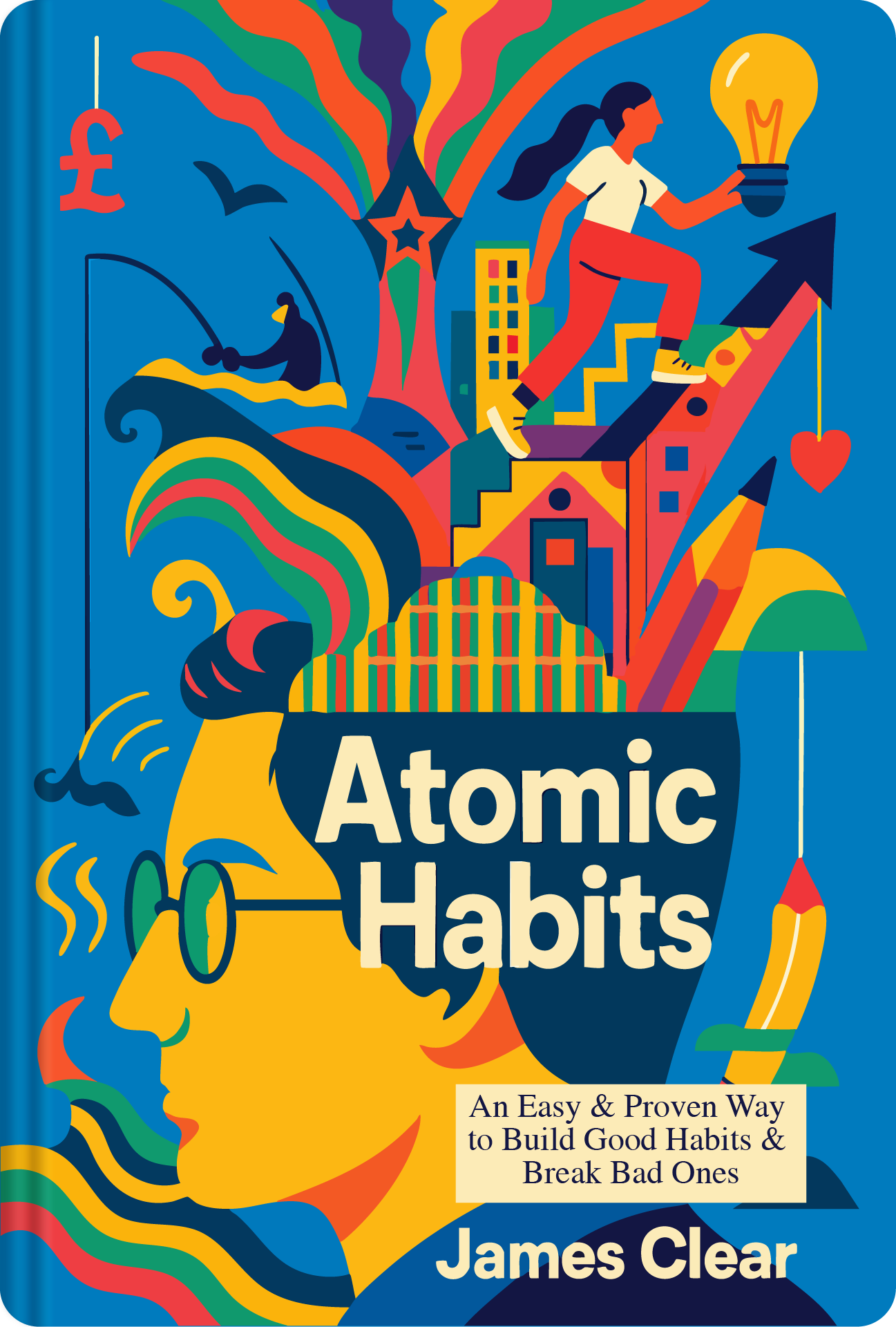 Atomic HabitsJames ClearYou take away a practical framework of four laws, make it obvious, attractive, easy and satisfying, along with the idea that lasting change comes from identity and systems rather than willpower.Listen to the summary →
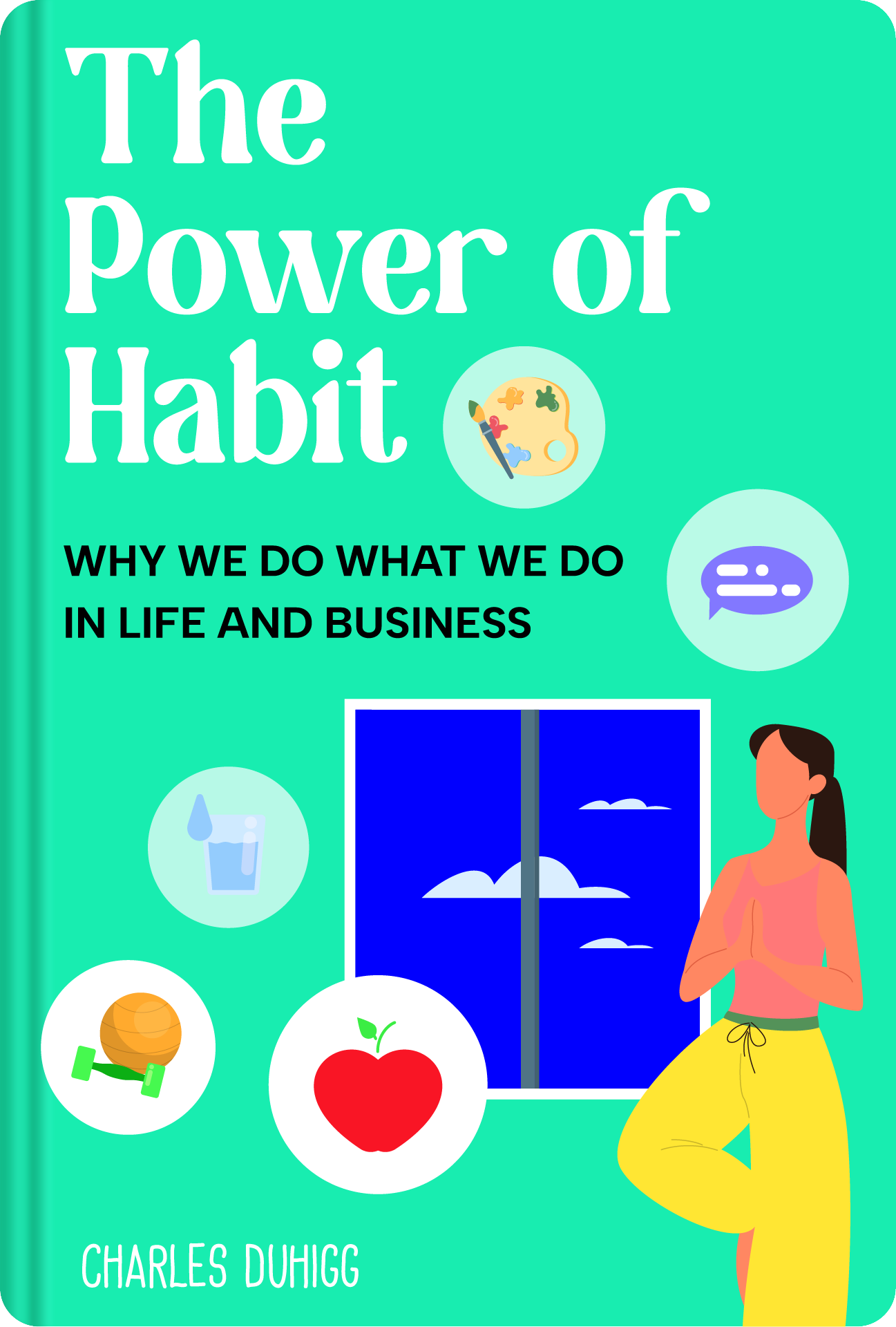 The Power of HabitCharles DuhiggYou take away the habit loop of cue, routine and reward, and a way to replace a habit you dislike by working with its structure.Listen to the summary →
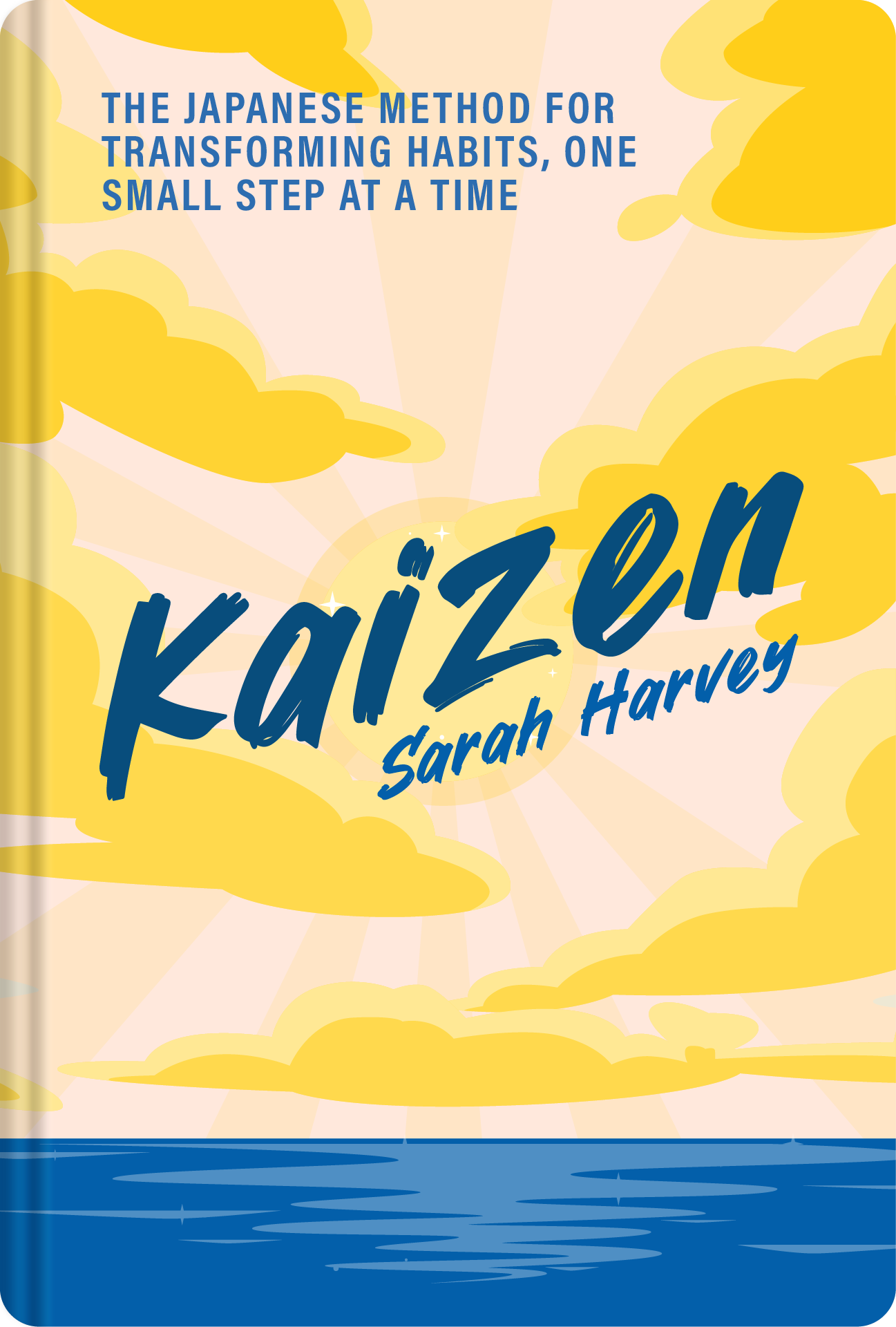 KaizenSarah HarveyYou take away the idea of making tiny, manageable improvements each day in health, work, money and the home, without overwhelming pressure.Listen to the summary →
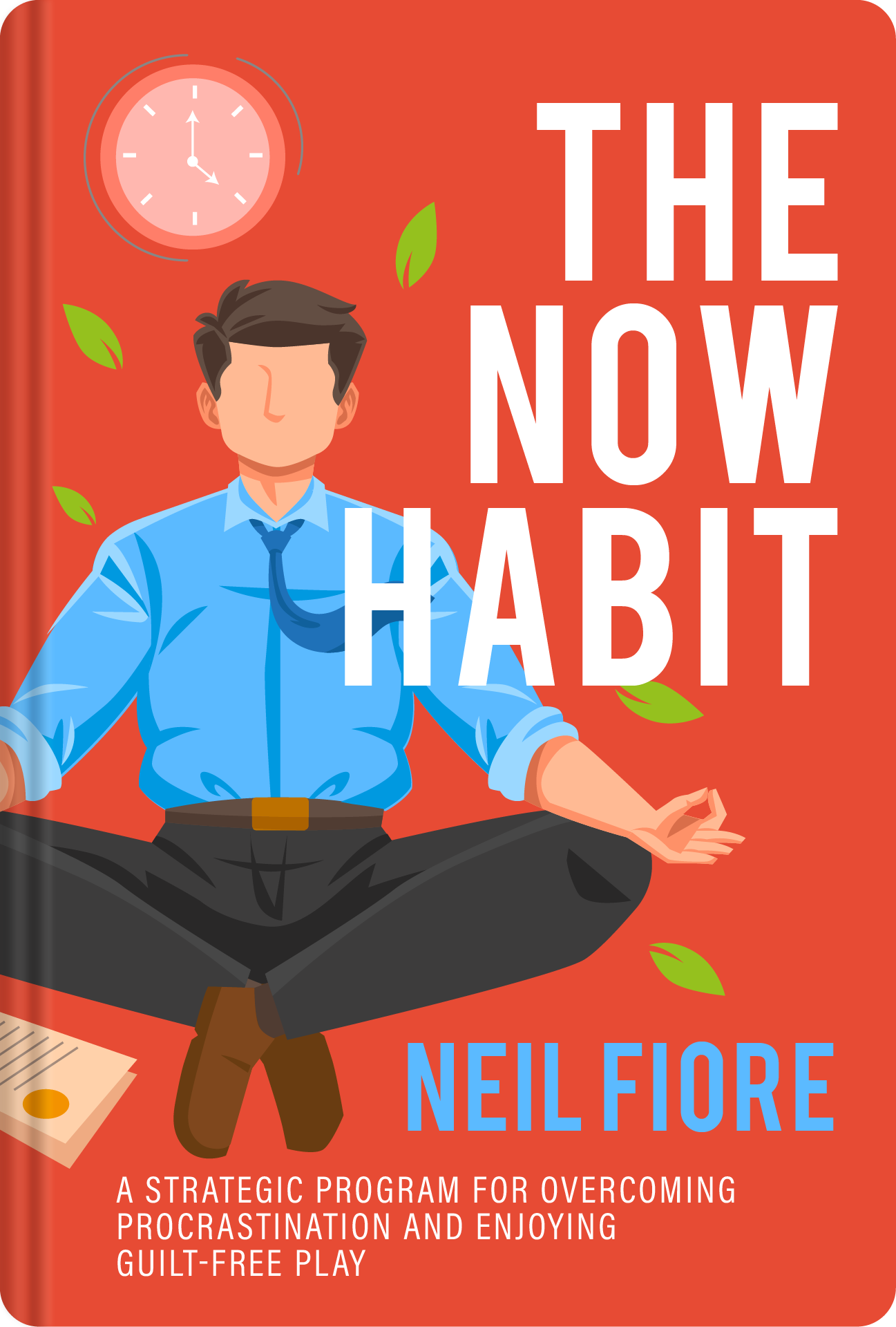 The Now HabitNeil FioreYou take away a gentler way to start tasks sooner, including the Unschedule, which plans rest first and tracks short blocks of focused work.Listen to the summary →
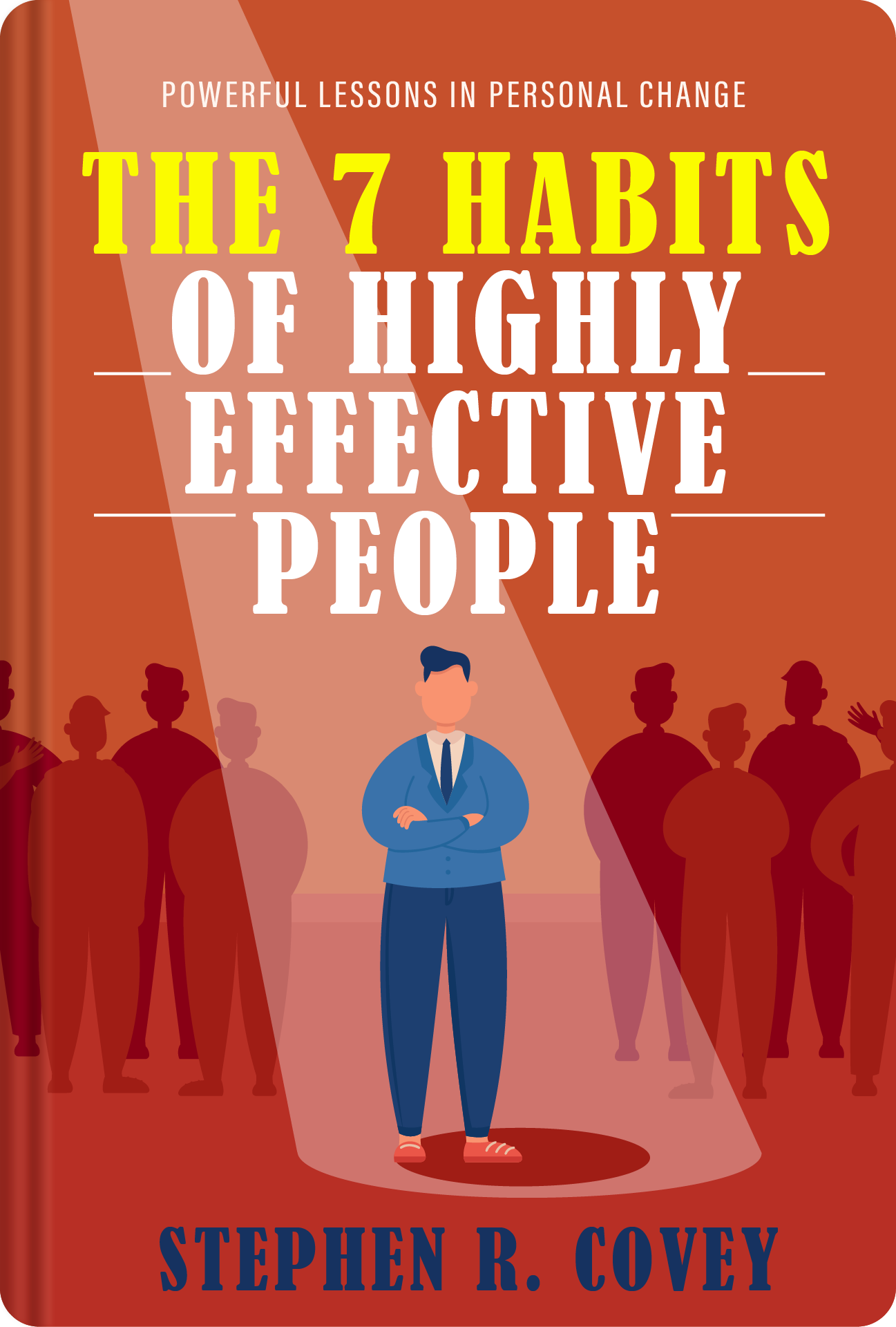 The 7 Habits of Highly Effective PeopleStephen R. CoveyYou take away a lasting framework built on character, including the habit of putting first things first.Listen to the summary →
A small challenge for tonight
You do not need to finish all five books to begin. Take ten minutes tonight and do these three things.
- Choose one habit you already tried and dropped, and shrink it to a version that takes under five minutes.
- Attach it to something you already do every day, such as your morning coffee or the moment you get in the car.
- Write one sentence about who you are becoming, for example "I am someone who reads a little every day," and put it where you will see it.
If tomorrow goes wrong, repeat the tiny version the day after. That is the whole method.
A habit does not need a perfect streak. It needs you to come back.
Build the habit of learning, 15 minutes at a time
Start your 14 days freeNearly 1,000 summaries in Arabic and English. Try the yearly plan free for 14 days and cancel anytime.Questions people ask
Why do new habits fail after two or three weeks?
In the first days, excitement carries you. Later the novelty fades before the habit becomes automatic, and you are left relying on willpower, which runs out on busy days. The habit books above suggest fixing the design of the habit rather than trying to push harder.
Which habit book should I read first?
If you want one clear framework, start with Atomic Habits, whose summary is available in Arabic as العادات الذرية. If you tend to put things off, start with The Now Habit. If your plans are too big, start with Kaizen.
How long are the summaries, and are they in Arabic?
Each summary takes about 15 minutes to read or listen to. They are available in both Arabic and English, in audio and text, and Durar offers a free summary every day.