
You meet someone, they tell you their name, and five seconds later it is gone. Later that day you walk into the kitchen and stand there, trying to remember why you came.
Moments like these make many of us quietly worry that our memory is getting worse, or that we were simply never “good at remembering”. Neuroscience has a far more hopeful message: the brain is not fixed. It keeps rewiring itself in response to how you use it, at every age.
That idea, called neuroplasticity, changed how scientists think about learning, recovery and ageing. It also has very practical consequences. Memory is not just a talent you were born with. Much of it is technique, attention and practice.
These five summaries, each about fifteen minutes, take you from the science to the daily habits. They explain how the brain changes itself, how flexible it really is, how memory experts remember names and numbers, how the brain's own habit system can work for you instead of against you, and how to test what actually helps you. At the end there is a ten-minute daily routine.
The brain that changes itself
For a long time, people believed the adult brain could not really change. Norman Doidge's book helped millions of readers see otherwise, through remarkable stories of people who recovered from strokes, overcame learning difficulties and regained lost abilities.
David Eagleman's Livewired goes further. He describes the brain as a living system that constantly reshapes itself in response to experience, even learning to use new kinds of senses. The message for the rest of us is simple: what you practise, you strengthen.
Memory is a technique, not a gift
Kevin Horsley teaches the methods memory experts use: turning information into vivid images, linking new facts to things you already know, and placing what you want to remember along a familiar mental journey, such as the rooms of your home.
It sounds like a trick, and in a way it is. But it works because it uses what the brain is naturally good at: pictures, places and connections. Anyone preparing for exams, learning a new language or remembering the names of new colleagues can use it.
Why change feels hard, and how to make it easier
Kyra Bobinet's Unstoppable Brain looks at the habenula, a small area of the brain linked to disappointment and avoidance. After repeated experiences of what feels like failure, it can make us less willing to try again. That is why one bad week can end a new habit.
Her answer is to treat change as a series of small experiments, with self-compassion instead of self-criticism. Elizabeth Ricker's Smarter Tomorrow encourages the same attitude: measure, test one strategy at a time, and keep what works for you, rather than assuming every brain-training method works equally well for everyone.
A sharper mind for every generation
In our region we already know how much a trained memory can hold. Many children memorise long passages of text through steady daily repetition, and families still recite poetry and proverbs from memory. That is neuroplasticity at work, long before anyone gave it a name.
The same principles help adults and older relatives too. Keep learning something new, stay socially and physically active, and give the brain regular practice. These summaries are educational, not medical advice, but their core message is encouraging: it is never too late to strengthen your mind.
Start with a free summary today
Read today's free summaryA free summary every day, in Arabic or English, audio or text.Five summaries, in the order we would read them
Start with the science in the first two, then move to the practical tools for memory, habits and focus.
 The Brain that Changes ItselfNorman DoidgeYou discover neuroplasticity through remarkable stories of patients and scientists, and why the old belief that the adult brain cannot change was wrong.Listen to the summary →
 LivewiredDavid EaglemanYou see how the brain constantly rewires itself in response to experience, adapting to new senses, lost abilities and new technologies.Listen to the summary →
 Unlimited MemoryKevin HorsleyYou learn practical memory techniques, such as visualisation, association and mental journeys, for remembering names, numbers, speeches and study material.Listen to the summary →
 Unstoppable BrainKyra BobinetYou understand the role of the habenula in disappointment and avoidance, and how small experiments, self-compassion and gradual progress help build lasting habits.Listen to the summary →
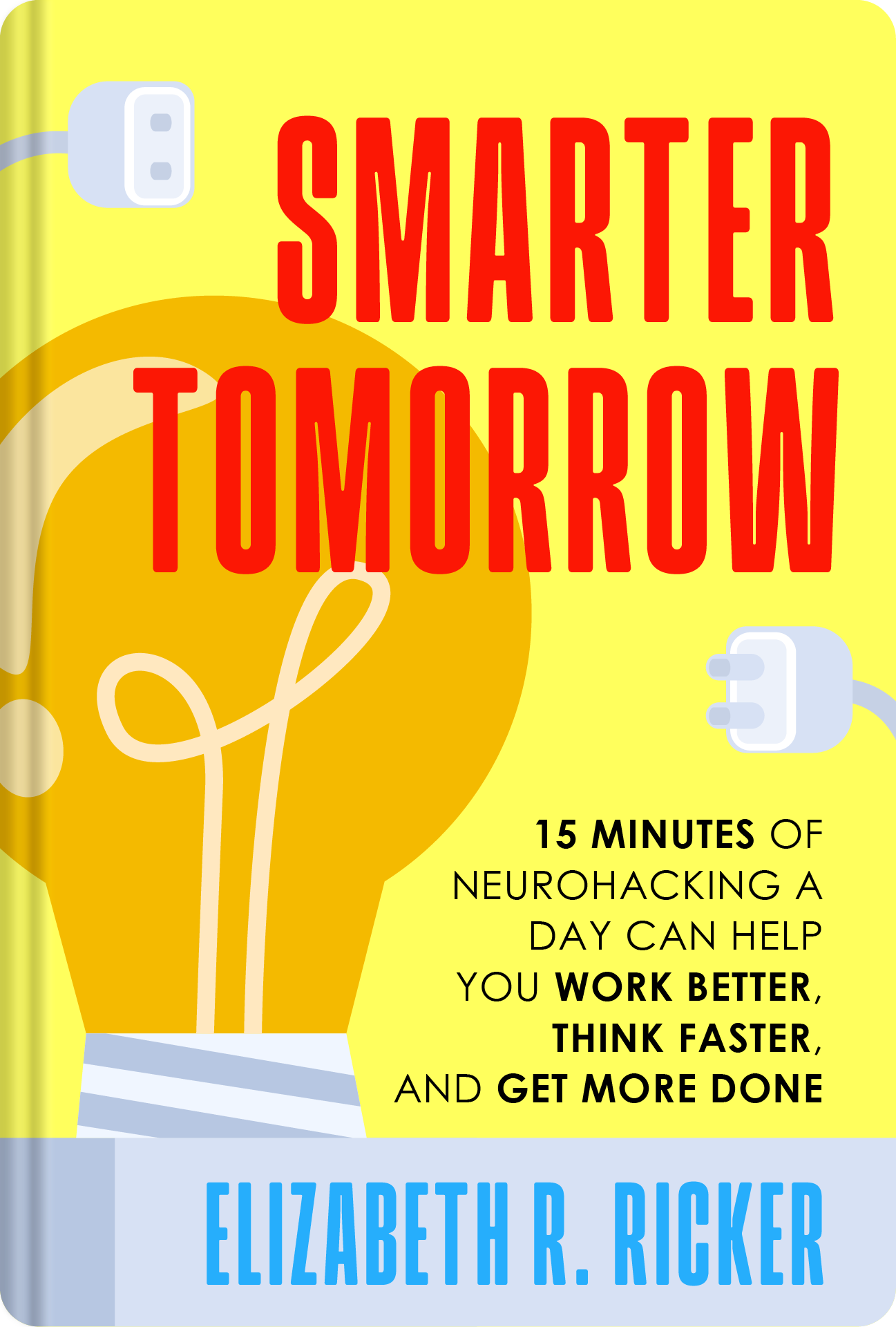 Smarter TomorrowElizabeth RickerYou explore how to measure and improve attention, memory, self-control and creativity through careful self-experiments, and why not every brain-training method works for everyone.Listen to the summary →
A ten-minute daily brain routine
Try this for two weeks. It takes ten minutes a day and needs no app.
- Three minutes: memorise something small with a mental journey, such as five items placed in five rooms of your home. Recall them an hour later.
- Three minutes: learn one new thing, a word in another language, a fact from a summary or a new route home.
- Two minutes: when you meet someone, repeat their name aloud and link it to a picture in your mind.
- Two minutes: before sleep, recall three things you learned today without looking.
- Add a daily walk whenever you can. Moving the body is good for the mind too.
After two weeks, notice what has become easier. That change is your brain rewiring itself.
The paths you use often grow stronger, at any age.
Try Durar free for 14 days
Start your 14-day trialNearly 1,000 summaries in Arabic and English on the yearly plan. Cancel anytime.Questions people ask
What is neuroplasticity?
It is the brain's ability to rewire and change throughout life in response to experience and practice. The Brain That Changes Itself and Livewired summaries both explain it with real examples.
How can I improve my memory quickly?
Use techniques that suit the brain: turn information into images, link it to what you already know and place it along a familiar mental journey. The Unlimited Memory summary teaches these methods step by step.
Do brain-training games work?
Some methods help some people more than others. The Smarter Tomorrow summary encourages testing strategies on yourself and keeping only what improves your own results.