
The report is due tomorrow. An hour ago you picked up your phone for one minute. Somehow you have now watched a video about building a house in the jungle, and the report still has only a title.
If that sounds like you, it does not mean you are lazy. People who procrastinate usually care a great deal about the task. That is often the problem: the task feels big, unclear or important enough to be uncomfortable, and the mind looks for something easier.
It shows up everywhere. The university assignment you will start after one more episode. The side project you have been planning for a year. The English course, the gym, the difficult email to your manager.
These five summaries, each about fifteen minutes, treat procrastination as a set of habits you can change, not a flaw in your character. They explain why we delay, how to start without waiting for motivation, why perfectionism keeps us stuck, how self-control works, and how to finish. At the end there is a five-day experiment built on one simple rule.
Why we put things off
Procrastination is rarely about time. It is about a feeling. When a task is unclear, boring, too large or tied to the fear of doing it badly, the brain treats it like a small threat and steers you towards something that feels better right now.
That is why telling yourself to try harder rarely works. What helps is changing the task so it feels smaller and clearer. Steve Scott and Damon Zahariades both describe the same move: break the project into steps so small that the first one is almost silly to avoid.
Perfect is the enemy of started
Many of the most capable people procrastinate because they want the result to be excellent. Waiting for the perfect plan, the perfect moment or the perfect skill feels responsible. In practice it means nothing happens.
Rob Moore's answer is in his title: start now, get perfect later. A rough first draft can be improved. A perfect draft that only exists in your head cannot. The first version of anything is supposed to be imperfect.
Plan for the tired version of you
Willpower, the research summarised by Roy Baumeister and John Tierney, explains why self-control tends to fail when we are tired, stressed or hungry, and how a day full of decisions wears us down. That is why the evening is when the resolutions break.
The practical lesson is to stop relying on willpower in the moment. Decide the night before what you will do first. Do the hardest task when your energy is highest. Shape your surroundings so the right action is easy: the book open on the desk, the phone in another room.
Our own versions of the same trap
Some of our habits make procrastination easier. The family group that never sleeps. The evening visit that turns into midnight. The belief that a project should wait until after Ramadan, after the holidays, after the new job.
None of these are bad in themselves. The trick is to give your important task a fixed slot that the rest of life fits around, even if it is only twenty minutes after Fajr or before the household wakes up. Small and regular beats large and someday.
Start with a free summary today
Read today's free summaryA free summary every day, in Arabic or English, audio or text.Five summaries, in the order we would read them
Read the first two for the method, the third if perfectionism is your trap, the fourth to understand your energy, and the last to cross the finish line.
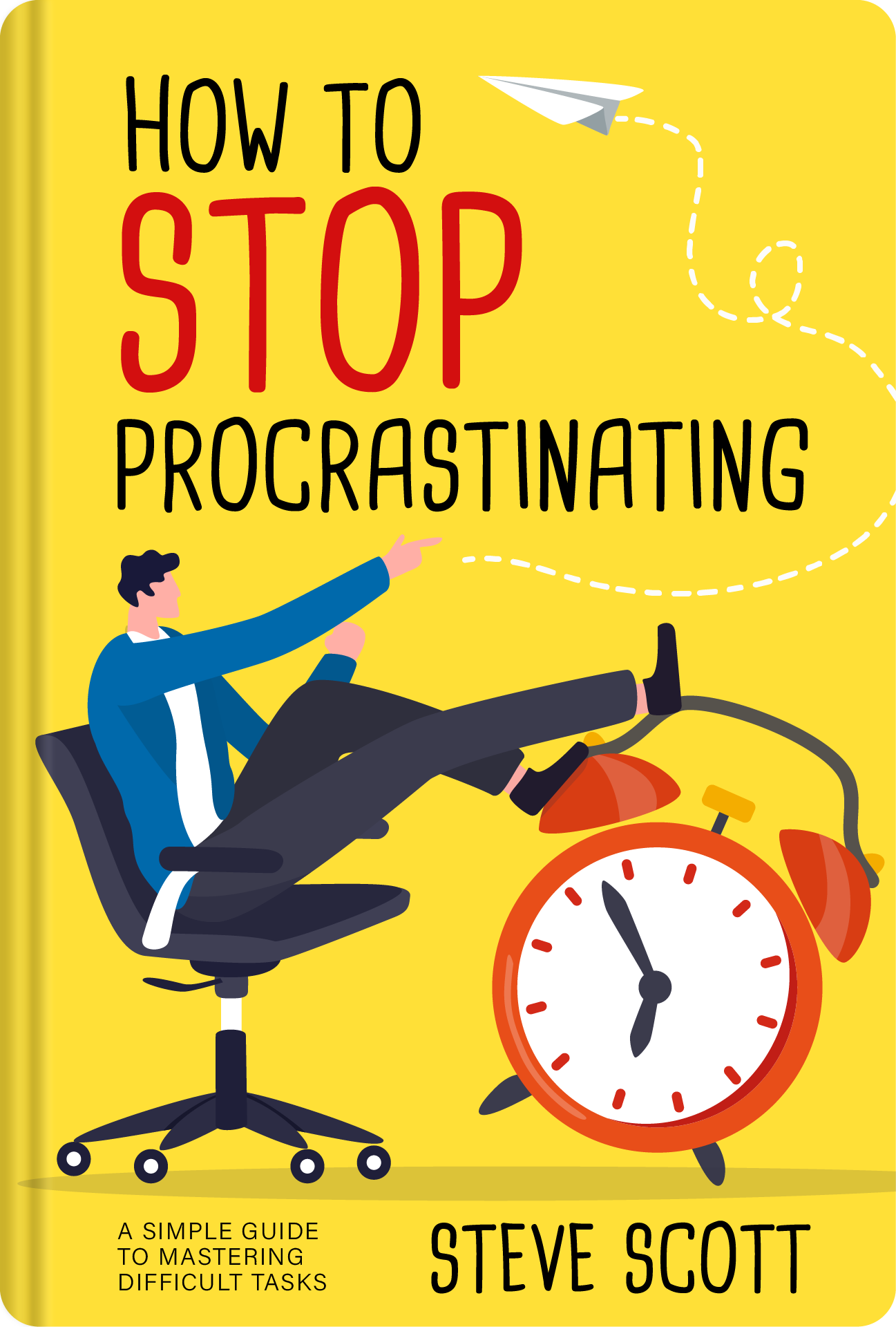 How to Stop ProcrastinatingSteve ScottYou get a system for starting difficult tasks: choose a few core projects, plan each week, break big tasks into manageable steps and build in accountability so you follow through even when motivation is low.Listen to the summary →
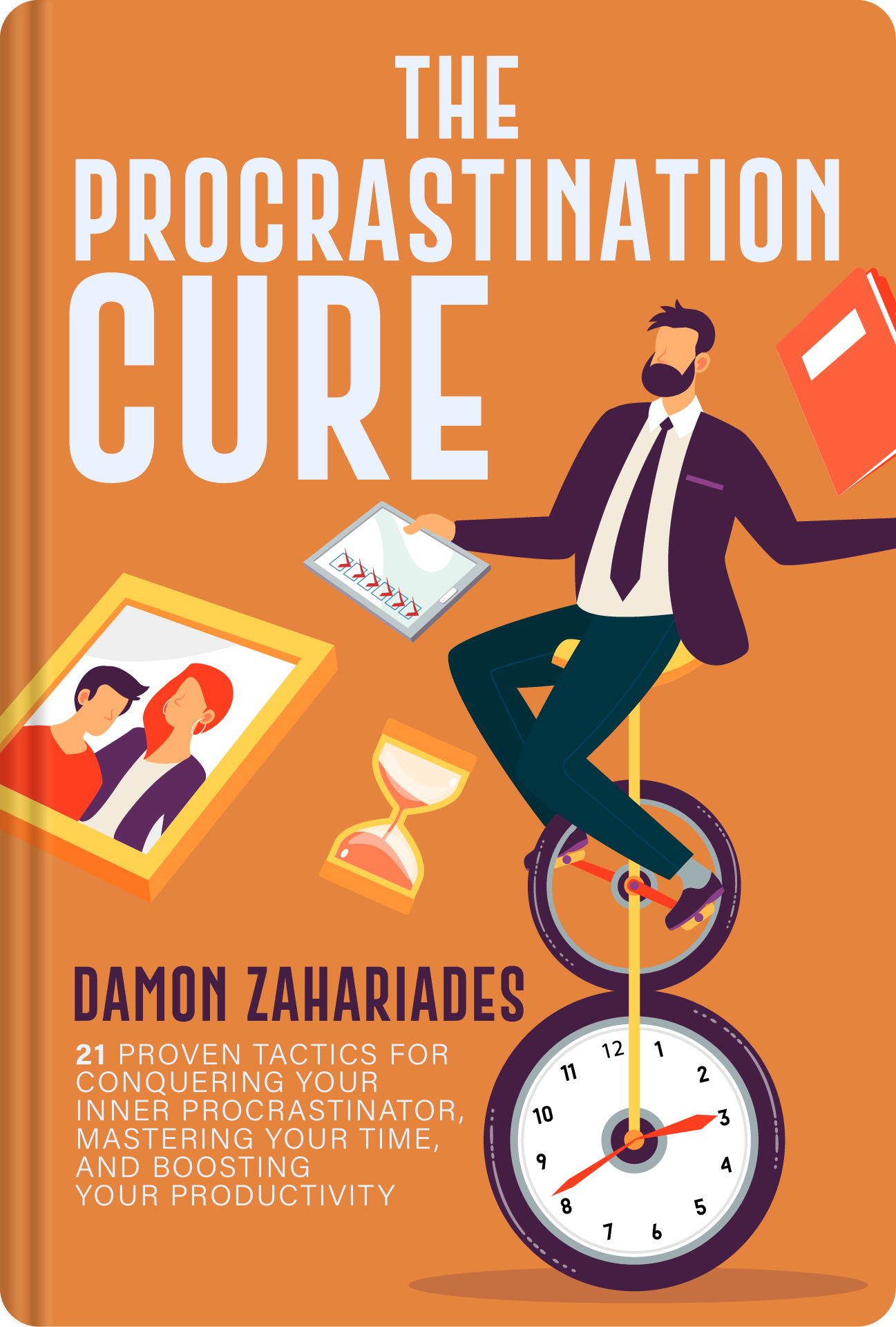 The Procrastination CureDamon ZahariadesYou learn to spot the real causes of your procrastination, cut distractions and create routines that make starting easier, without waiting for perfect motivation.Listen to the summary →
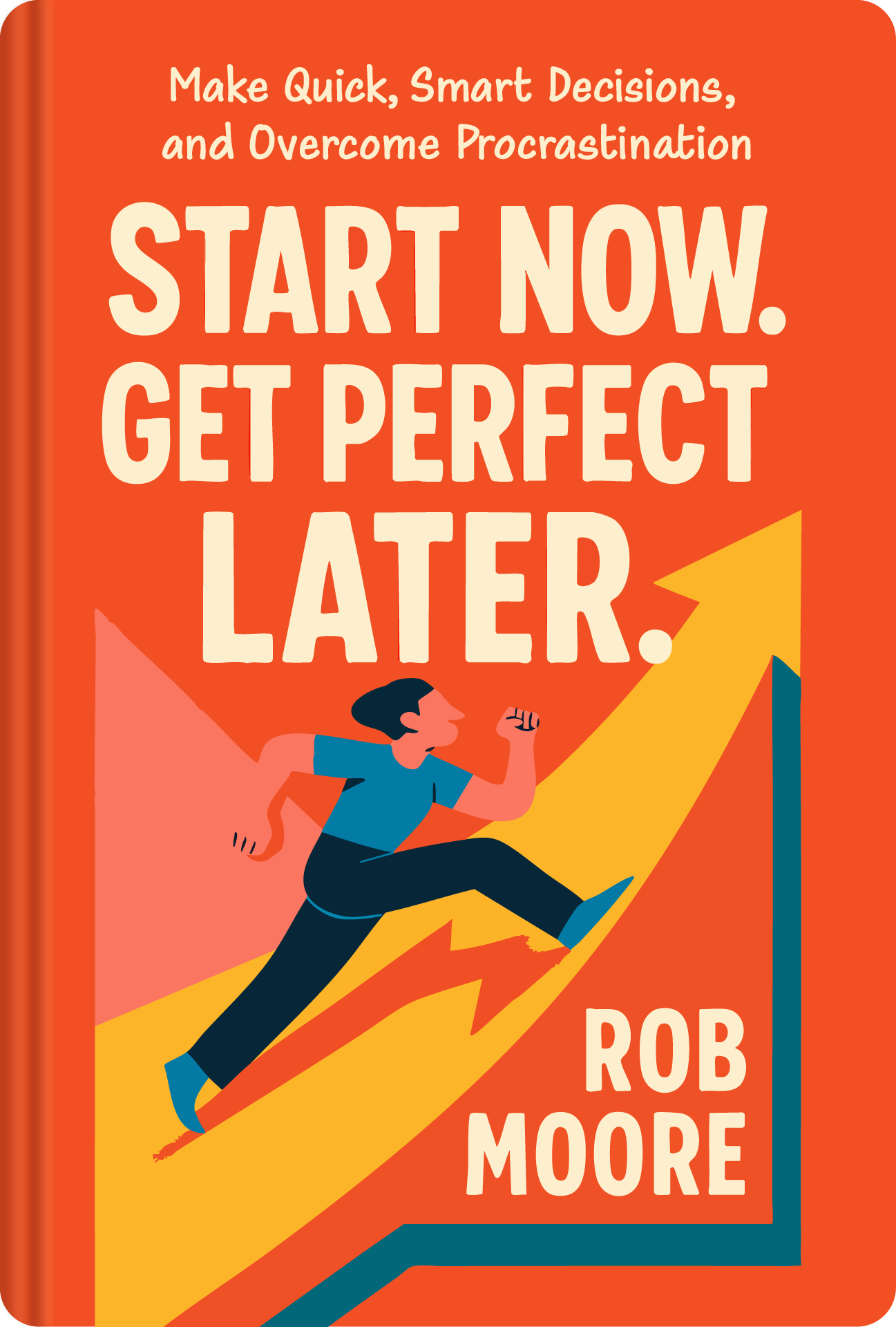 Start Now, Get Perfect LaterRob MooreYou see how waiting for the perfect moment, plan or skill holds you back, and how to decide faster, act sooner and improve as you go.Listen to the summary →
 WillpowerRoy Baumeister and John TierneyYou understand why self-control fails when you are tired, stressed or hungry, how decision fatigue shapes your choices, and how planning ahead and shaping your surroundings make discipline easier.Listen to the summary →
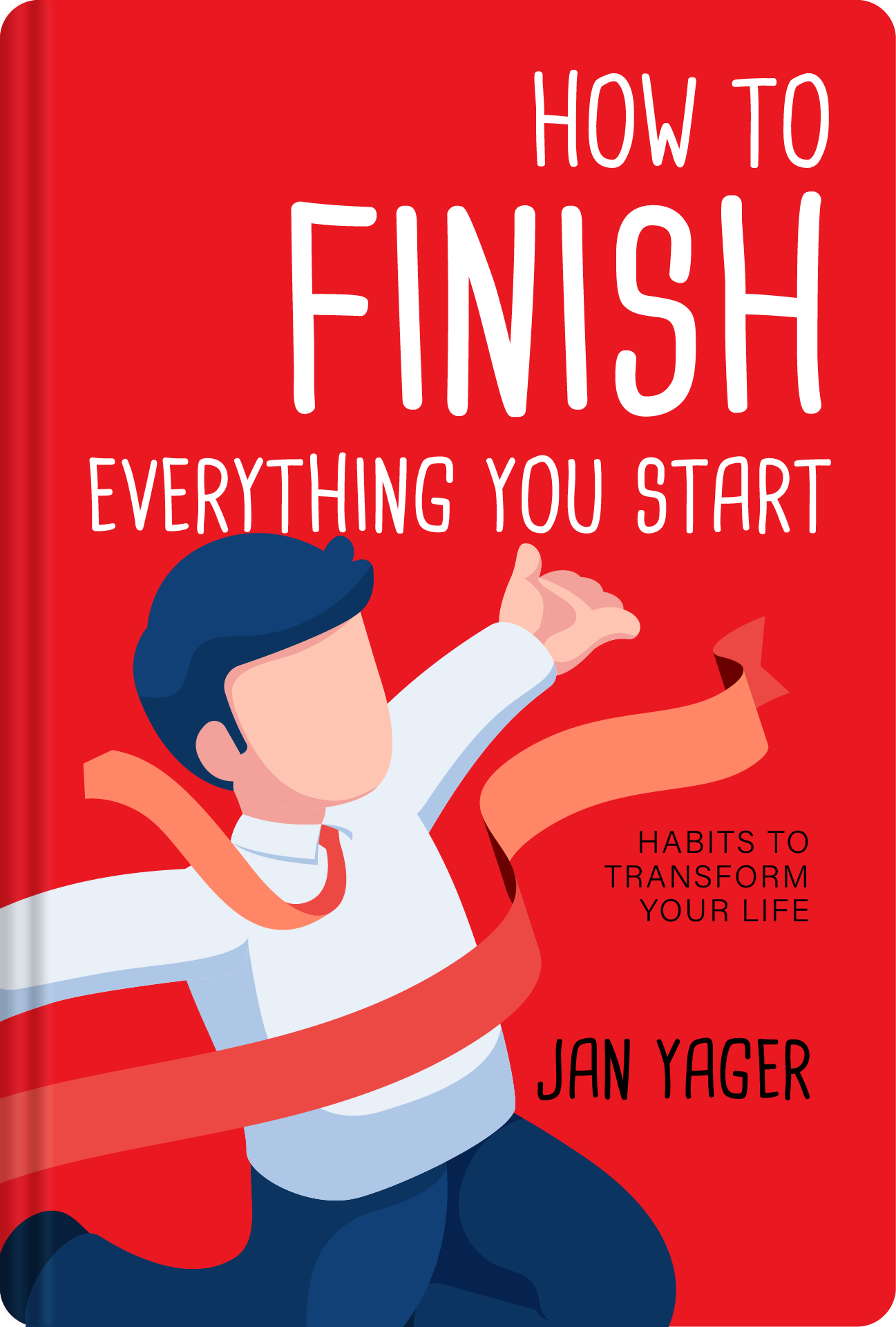 How to Finish Everything You StartJan YagerYou discover the habits that make people abandon tasks halfway, and practical methods for setting priorities, managing distractions and turning unfinished plans into achievable steps.Listen to the summary →
The two-minute start: a five-day experiment
The rule is simple: you do not have to finish, you only have to start for two minutes. Most of the time, starting is the hardest part, and once you begin you keep going.
- Day 1: Write down the one task you have been avoiding longest. Break it into steps so small that each takes under ten minutes.
- Day 2: Do the first step for two minutes only. Set a timer. If you want to stop when it rings, stop. You still won.
- Day 3: Before bed, decide tomorrow's first step and leave everything ready: file open, book on the desk, phone charging in another room.
- Day 4: Do your task at the time your energy is highest, before messages and meetings start.
- Day 5: Finish one small piece completely, even if it is imperfect, and share it with someone or tick it off where you can see it.
After five days you will have proof that you can start without feeling ready. That proof is worth more than any amount of motivation.
You do not need to feel ready. You need to start for two minutes.
Try Durar free for 14 days
Start your 14-day trialNearly 1,000 summaries in Arabic and English on the yearly plan. Cancel anytime.Questions people ask
Is procrastination the same as laziness?
No. Procrastination usually comes from discomfort with a task that feels unclear, too big or too important to get wrong. Breaking it into very small steps, as the How to Stop Procrastinating summary explains, often removes the block.
How do I stop procrastinating when I have no motivation?
Do not wait for motivation. Commit to two minutes, prepare the first step the night before and work when your energy is highest. The Procrastination Cure summary shows how to act without waiting to feel like it.
Why do perfectionists procrastinate?
Because starting means risking a result that is less than perfect. Accepting an imperfect first version and improving it later, the idea behind Start Now, Get Perfect Later, breaks the cycle.