
Sooner or later, a child asks why some countries have so much and others so little. Most of us answer with a shrug, because the honest answer is long and lives in a dozen different books. This article gives you five of them, in a few evenings of listening.
Think about the last time a child asked you something simple and you realised you did not really know. Why is the world the way it is? Why did some regions build empires and others did not? Why does your phone exist at all?
These questions feel too big for a busy week. A person with a job, a degree or a family does not have time to read five thick books on history, science and economics.
But you do have fifteen minutes in the car, or at the end of the day. Five summaries, spaced a few evenings apart, can give you a picture of the whole story: how the world was shaped, how it works today, and how we got from there to here.
Start with the big question: why do some places have more?
Guns, Germs and Steel by Jared Diamond asks exactly the question a child would ask: why did some societies come to dominate others? His answer is not about differences between peoples. It is about geography and environment, such as which regions had plants and animals suitable for farming, and how easily ideas and crops could spread.
It is a calm, evidence-led way to think about inequality, and it is a good first summary because the rest of this list builds on its big questions. The book won the Pulitzer Prize and changed how many people understand world history.
Then zoom out: the universe, the Earth and us
Before history, there is everything that came before history. A Short History of Nearly Everything by Bill Bryson is a funny, friendly tour from the Big Bang and the formation of Earth to the rise of life and human beings.
Bryson explains how scientists found out what we know about atoms, stars, rocks and cells, and he tells it through the people behind the discoveries. It is one of the most popular science books ever written, and it is easy to see why: it makes you feel clever, not lost.
Next, look under the hood of modern life
Then come two summaries about how our world runs today. How the World Really Works by Vaclav Smil looks at what most of us take for granted: the energy, food and materials such as steel, cement, plastics and ammonia that make modern life possible. It uses facts and numbers rather than slogans.
How Economics Explains the World by Andrew Leigh tells the human story through economics, from the first farmers and early trade to the industrial revolution and the global economy. Incentives, specialisation and innovation help explain why some societies grew rich and others did not. It is short and lively, and it makes your everyday choices look different.
The last stop is The Anarchy by William Dalrymple, the story of how a private trading company rose to control much of India in the eighteenth century, using its own army and the weakening of the Mughal Empire. It shows what trade and power can turn into when they mix.
Start with today's free summary
Try a free summaryDurar gives you a free summary every day, in Arabic or English, to read or listen to.The five summaries, in the order we suggest
Each one takes about fifteen minutes. Read it or listen to it, in Arabic or English.
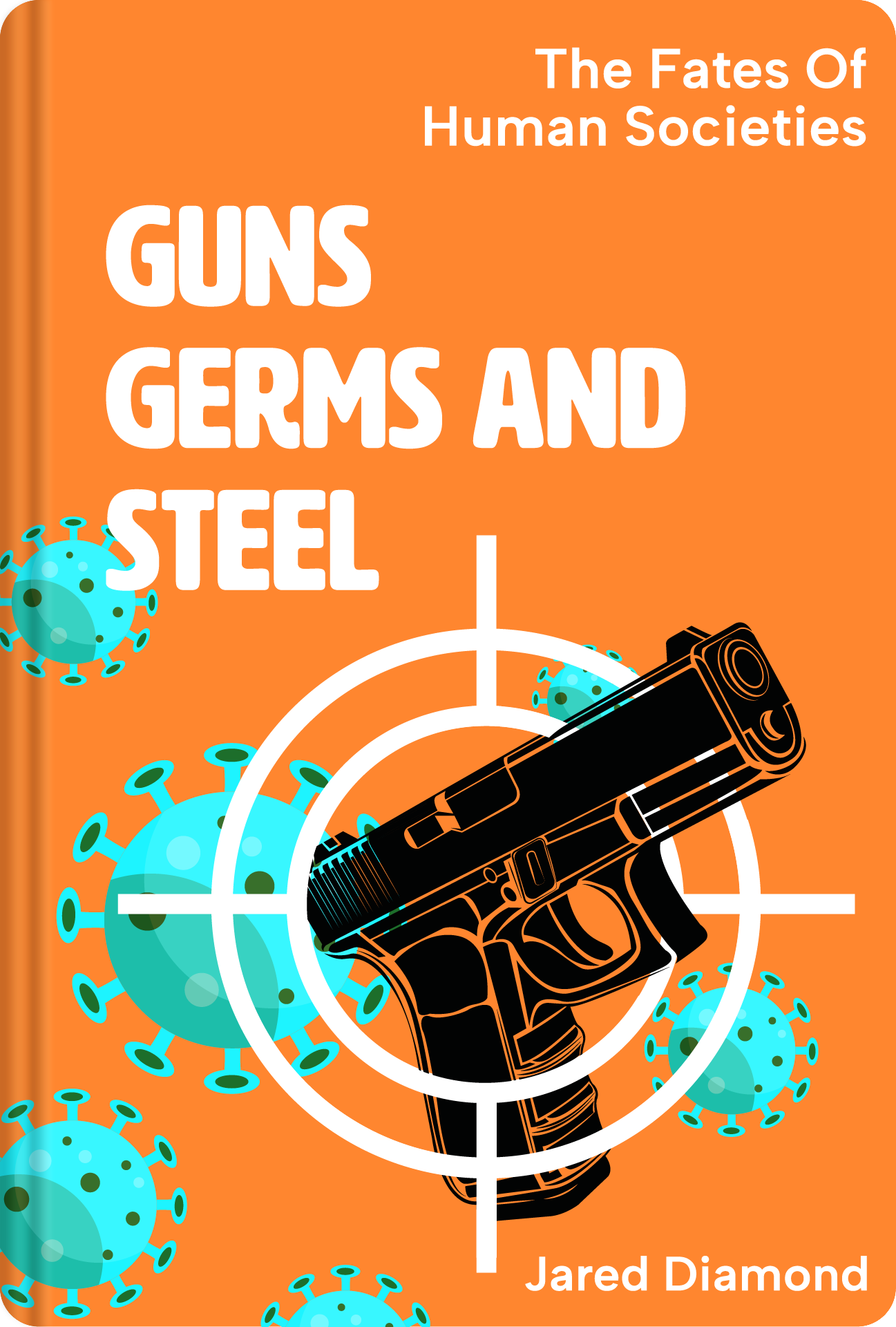 Guns, Germs and SteelJared DiamondYou take away a clear, evidence-based answer to why some societies came to dominate others: geography, farming, ideas and disease rather than any difference between peoples.Listen to the summary →
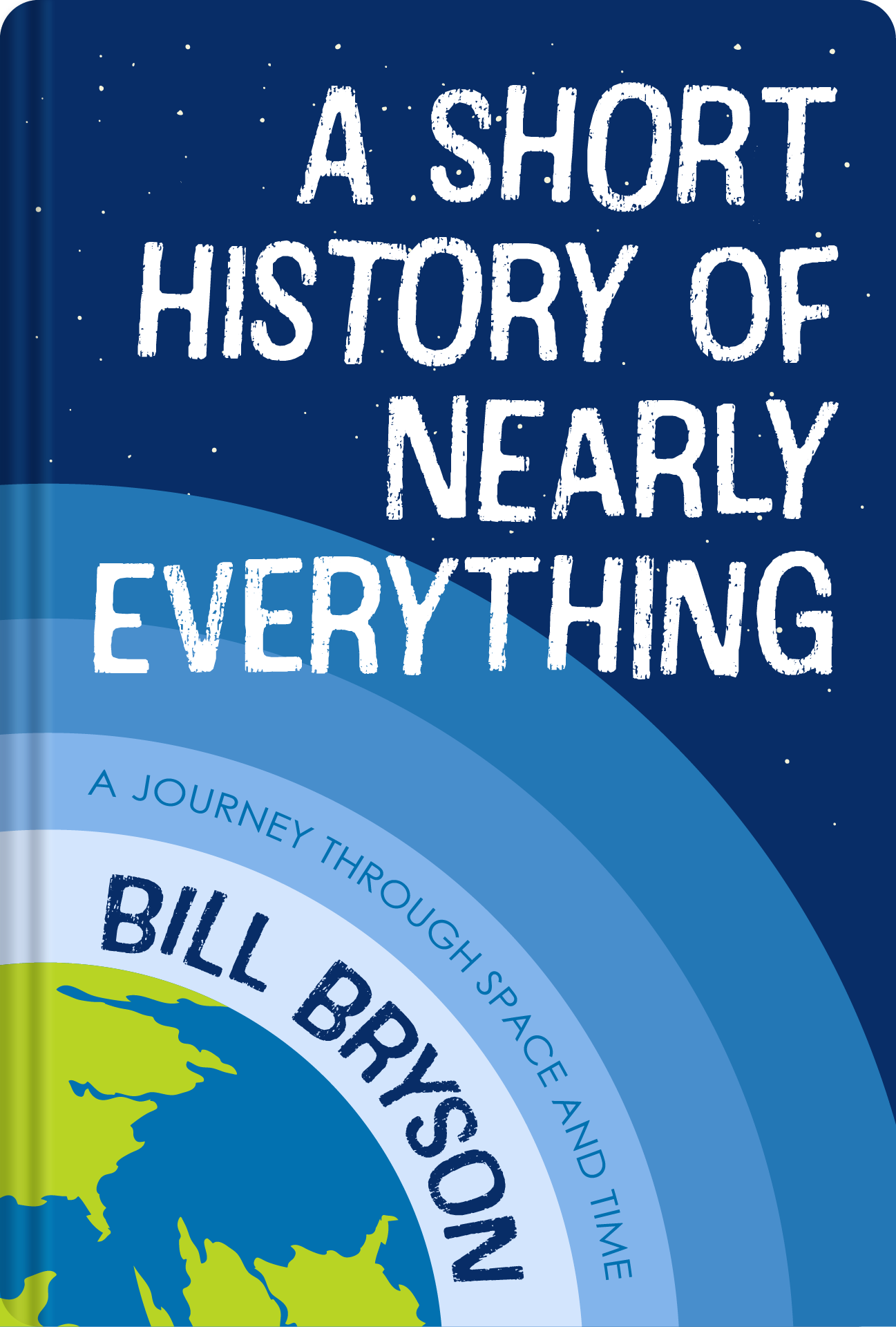 A Short History of Nearly EverythingBill BrysonYou take away the story of how we know what we know about atoms, stars, rocks and cells, told through the people who found it out.Listen to the summary →
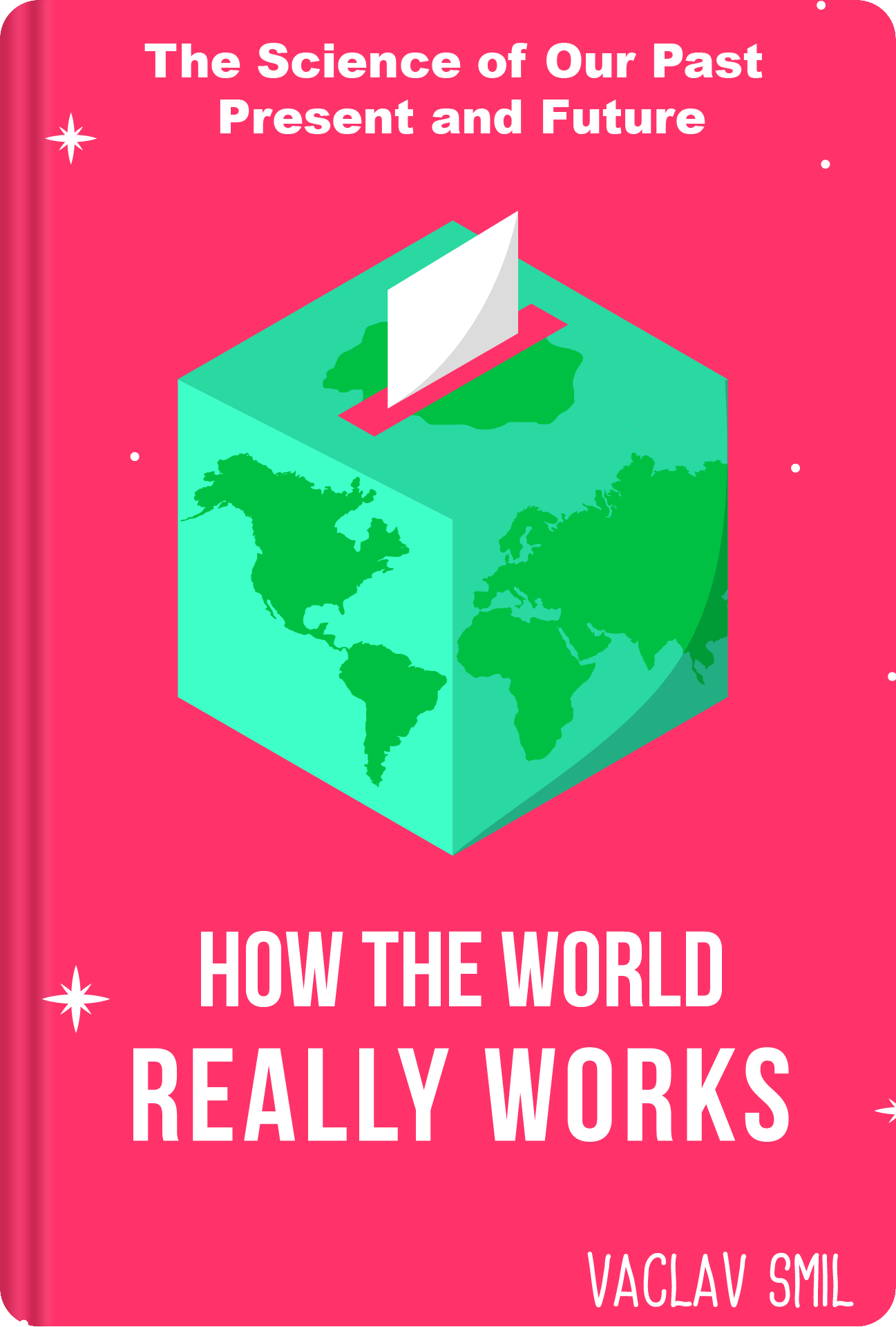 How the World Really WorksVaclav SmilYou take away a realistic picture of the energy, food and materials, from steel and cement to plastics and ammonia, that modern life quietly depends on.Listen to the summary →
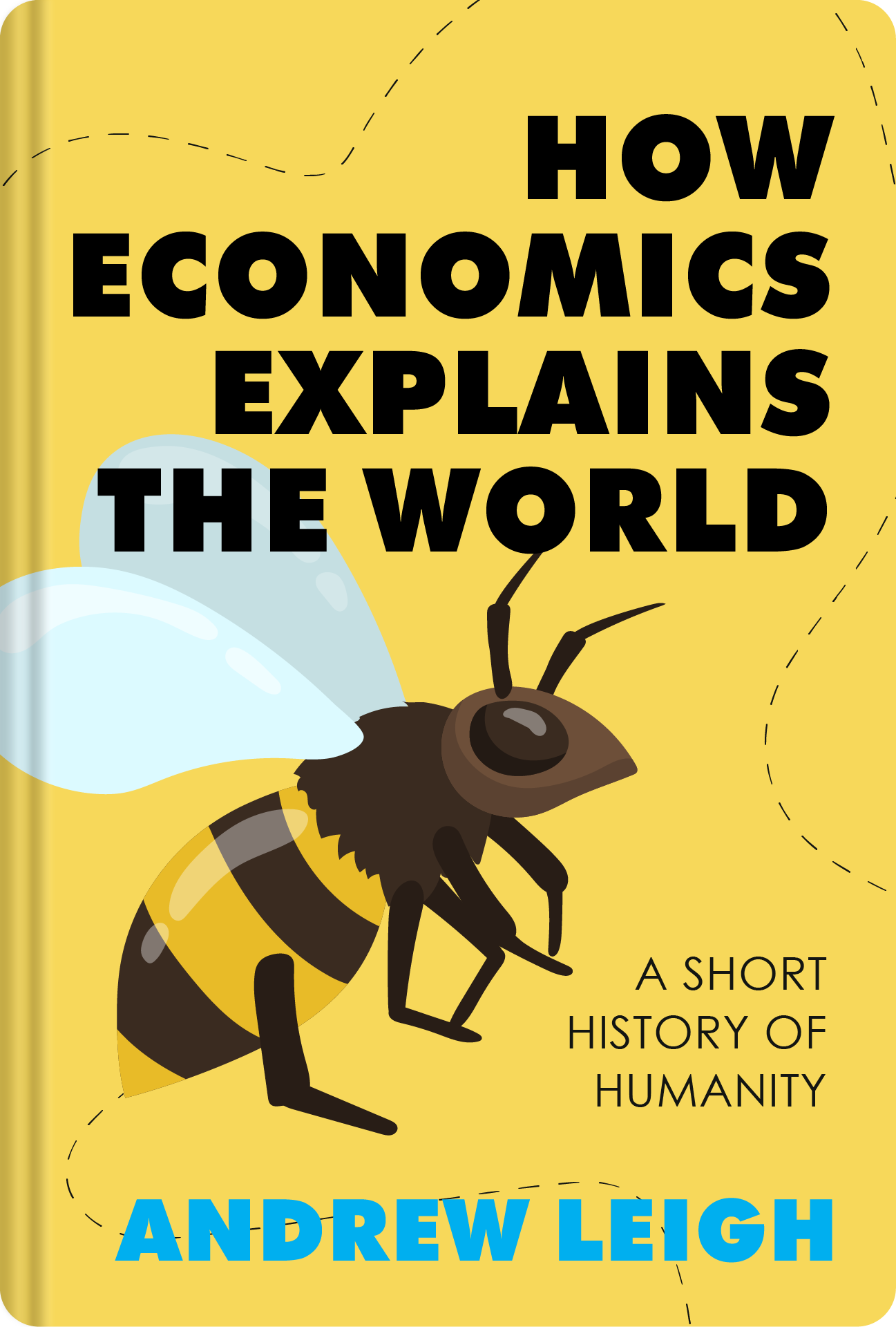 How Economics Explains the WorldAndrew LeighYou take away a handful of simple ideas, incentives, specialisation and innovation, that explain why some societies grew rich and others did not.Listen to the summary →
 The AnarchyWilliam DalrympleYou take away how a private trading company used its own army and a weakening empire to seize power and wealth in India.Listen to the summary →
A reading order for a curious month
You do not need to rush. One summary every few evenings is enough, and the order below builds from the big picture down to the details.
- Week one: Guns, Germs and Steel, then A Short History of Nearly Everything. Big questions first, and the long background to everything that follows.
- Week two: How the World Really Works. See the energy, food and materials behind a normal day, from breakfast to the drive home.
- Week three: How Economics Explains the World. Put names to the forces you have already noticed: incentives, specialisation, innovation.
- Week four: The Anarchy. Finish with one gripping story about trade, power and empire, then go back to any summary you want to hear again.
By the end of the month you will not know everything, but you will know where each piece fits. That is what makes the next documentary, news story or conversation easier to follow.
You do not need a thousand pages to understand the world. You need a good question and a few quiet evenings.
Want all five, and nearly 1,000 more?
Start your 14 days freeThe yearly plan includes 14 days free, and you can cancel anytime.Questions people ask
Where should I start if I have never read about history or science?
Start with Guns, Germs and Steel or A Short History of Nearly Everything. Both are written for general readers, and both are about the big picture rather than details you need to memorise.
Are these summaries available in Arabic as well as English?
Yes. Every summary in this list is available in both Arabic and English, as audio and as text, so you can pick the language that suits you on a given day.
How long does each summary take?
About fifteen minutes. That is a drive to work, a coffee break, or the last stretch before bed.