
There is an idea sitting in your notes app right now. You wrote it down three weeks ago, felt good about it, and haven't opened it since. This article is about why that happens, and how five short summaries can help you do something with it.
Most of us carry the same quiet belief: that creative people are born different. They have the talent, and the rest of us have good intentions and a blank page.
The books below say something less comfortable and more useful. Creativity is mostly attention, small repeated actions, and the willingness to show unfinished work. None of that needs a special gift. It needs a few minutes a day and a little courage.
Whether you are a student with a project due, a designer building a portfolio, a writer with a draft you keep rereading, a content creator, or a founder with an idea you haven't said out loud yet, the same habits apply. Here is how five books approach them, and how to start.
Creating starts with paying attention
Think about your drive to work, or the walk between classes. Most of it passes without registering. The first shift in The Creative Act, by Rick Rubin, is to treat that time differently: creativity is less about producing something and more about noticing the world and staying open to what you see.
Rubin presents creativity as a way of seeing, not a rare gift. That matters if you have been waiting to feel inspired. Noticing a detail, trusting a hunch and trying something small is already the work.
It also helps to know how other people got there. The Hidden Habits of Genius, by Craig Wright, looks at figures such as Leonardo da Vinci, Marie Curie and Mozart. What they share is not only talent but habits: curiosity, persistence, imagination, and the ability to connect ideas from different fields. Habits can be copied. Talent cannot.
Original people doubt themselves too
You might assume that people who change things feel sure of themselves. Originals, by Adam Grant, suggests otherwise. It looks at how original thinkers recognise a good idea, speak up without being dismissed, find allies, and manage fear and doubt along the way.
That last part is the reassuring one. Doubt is not a sign you are in the wrong place. It is part of the process for people who are doing something new.
If you have ever sat in a meeting, a family gathering or a class with an idea you did not say aloud, this book is about the step between having the idea and having it heard.
Share the process, not only the finished thing
Many of us wait until work is perfect before showing anyone, and so we show nothing. Show Your Work!, by Austin Kleon, argues for the opposite: share your process, share something small every day, and teach what you know.
In practice, that could be a sketch posted to your story, a paragraph of a draft sent to a friend, or a short note about what you learned this week. You are not promoting yourself. You are letting people see the work as it happens, and some of them will come back for more.
For anyone building a name online, whether as a designer, a writer or a creator, this is a gentler way to find an audience than constant self-promotion.
Stories are how ideas travel
A good idea that nobody remembers does not travel far. How to Tell a Story, from the team behind The Moth, teaches true personal storytelling: find a moment worth telling, give it a clear beginning, middle and end, and share it honestly.
Storytelling is already part of our culture. Evenings with family, a grandparent's memories, the way a good host holds a room. That tradition is a real strength, and this book gives it a simple structure you can apply to a pitch, a post or a presentation.
Start with one free summary today
Read today's free summaryDurar gives you a free summary every day, in Arabic or English, to read or listen to.The five summaries, in the order we suggest reading them
Each one takes about fifteen minutes. Start with the one that matches where you are stuck today.
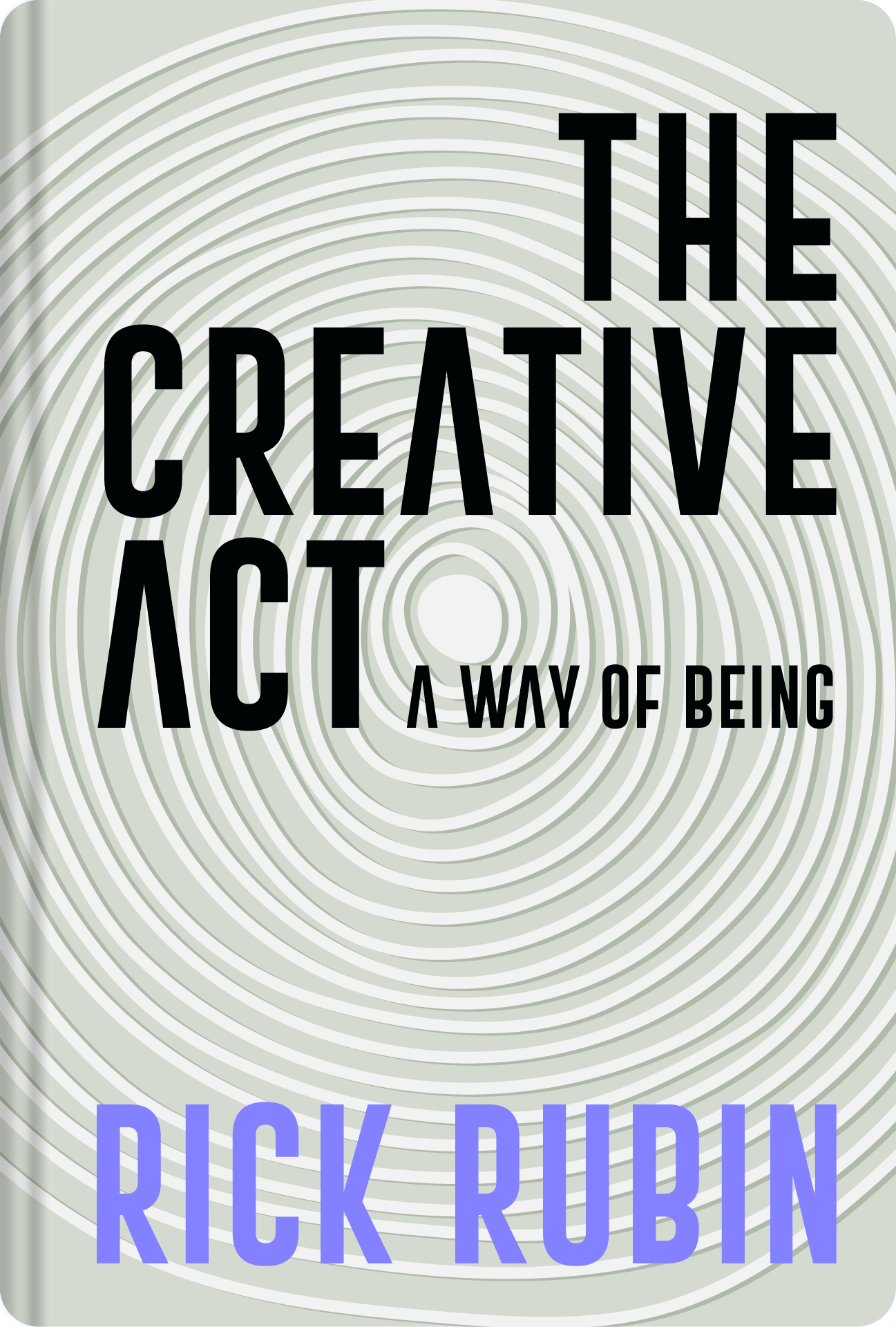 The Creative ActRick RubinYou take away a way of seeing creativity as daily attention and trust in your own instincts, not a rare gift reserved for a few.Listen to the summary →
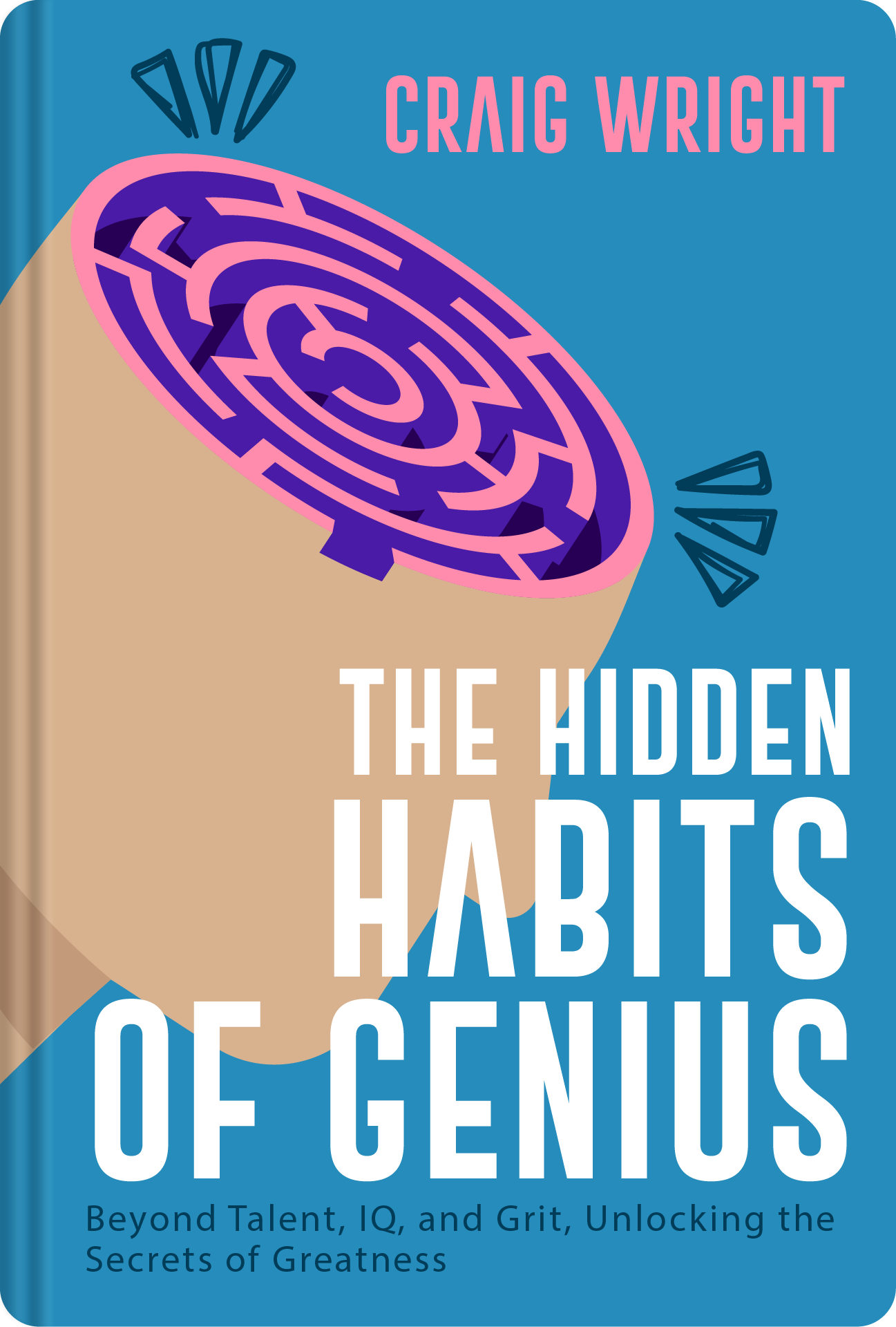 The Hidden Habits of GeniusCraig WrightYou take away the habits that history's great minds shared, such as curiosity, persistence and connecting ideas across fields, and see that genius is more than natural talent.Listen to the summary →
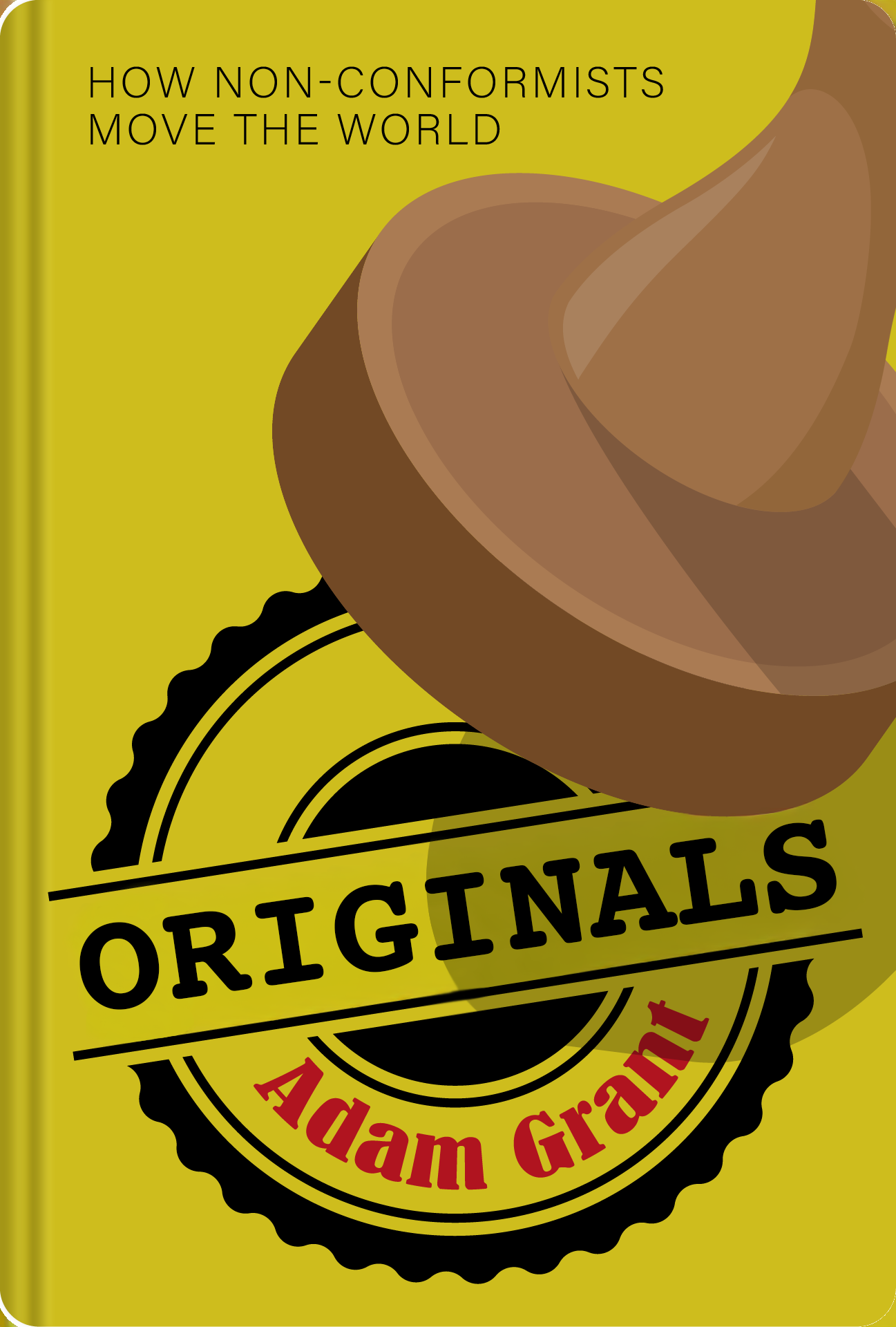 OriginalsAdam GrantYou take away how original thinkers recognise good ideas, speak up, find allies and handle fear and doubt.Listen to the summary →
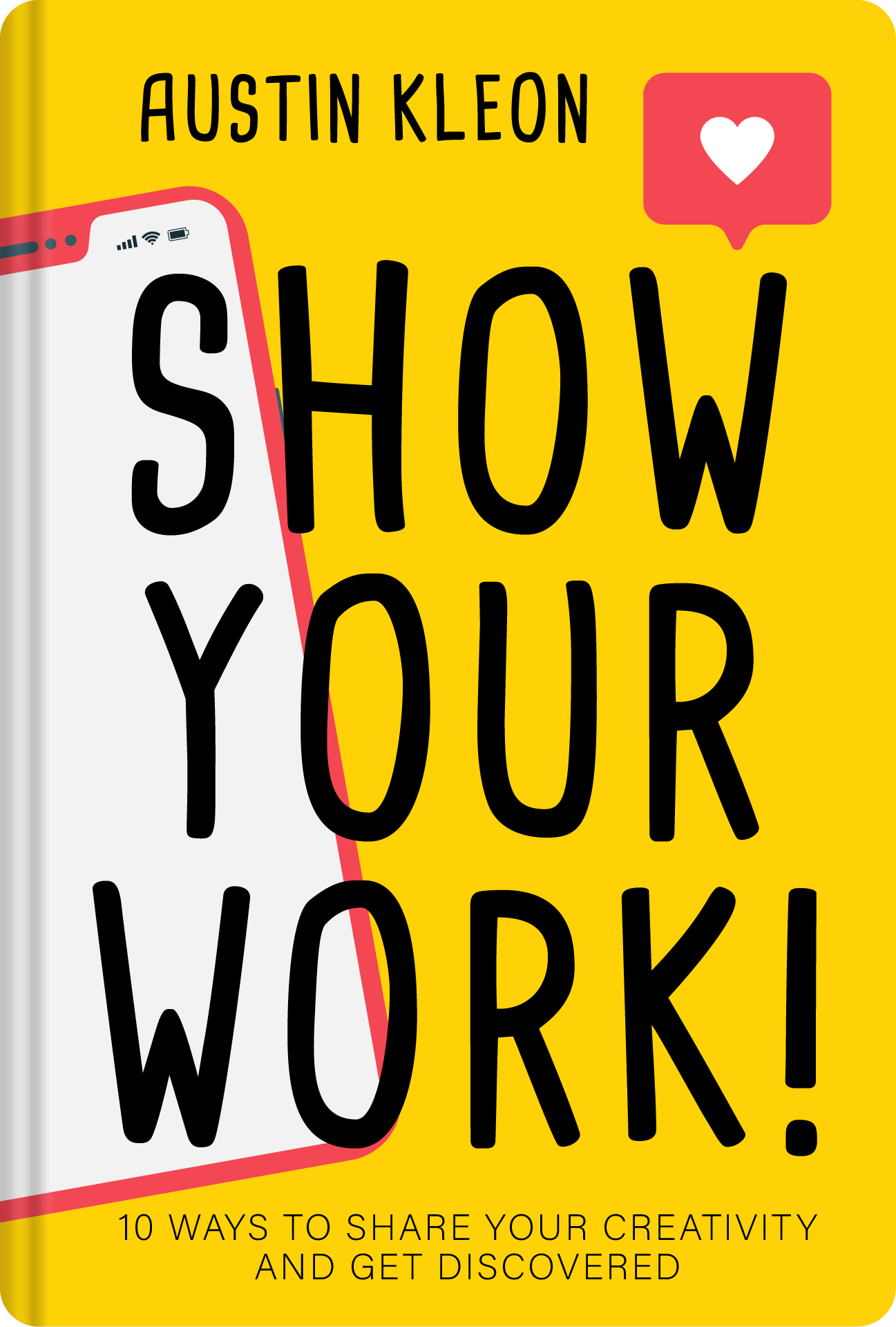 Show Your Work!Austin KleonYou take away a simple way to share your process and something small each day, so an audience can find you without forced self-promotion.Listen to the summary →
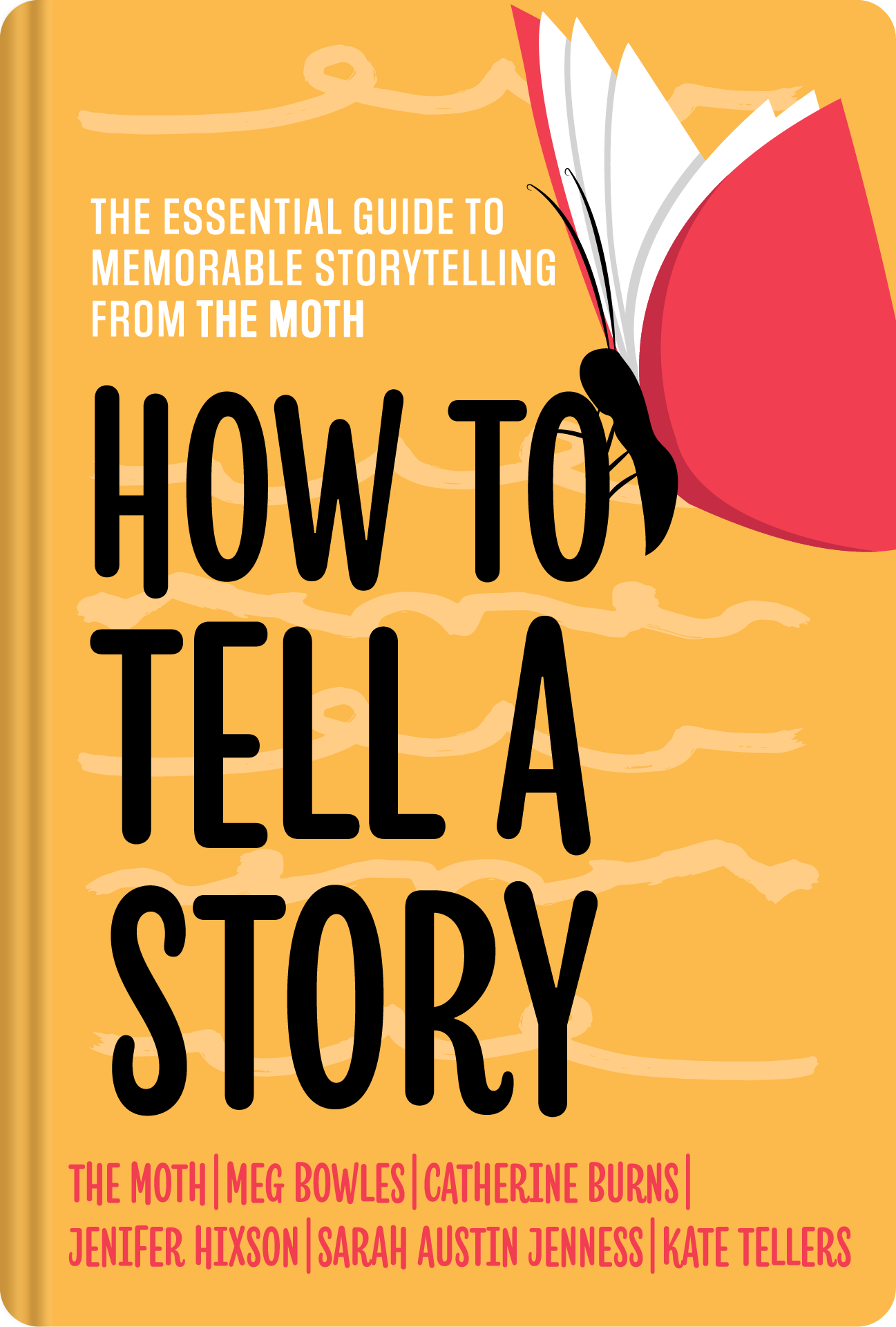 How to Tell a StoryThe Moth, Meg Bowles, Catherine Burns, Jenifer Hixson, Sarah Austin Jenness and Kate TellersYou take away how to find a story worth telling, shape it with a clear beginning, middle and end, and share it honestly.Listen to the summary →
A thirty-day make-something-small challenge
Reading about creativity is pleasant. Making something is what changes things. Here is a simple plan, and it can be done in minutes a day.
- Days 1 to 10: notice and collect. Each day, write down one detail you noticed: a sentence you overheard, a shop sign, a colour combination, a small problem you would like to fix. Keep it in the same notes app where your unused idea lives.
- Days 11 to 20: make one small thing a day. A paragraph, a sketch, a short voice note, a layout, a recipe, a line of code. Keep it small enough to finish in ten or fifteen minutes. Finishing matters more than quality.
- Days 21 to 30: share and tell. Each day, share something from your process with one person or one small group, and once a week tell the story behind it in a few sentences: what you were trying to do, what went wrong, what you learned.
On day thirty, look back at what you made. It will not all be good, and that is fine. You will have thirty small pieces of evidence that you are someone who makes things.
You do not need to feel creative first. Make something small, and the feeling follows.
Try all five, and nearly 1,000 more
Start your 14 days freeAudio and text, Arabic and English. 14 days free on the yearly plan, and you can cancel anytime.Questions people ask
How can I become more creative if I don't think I'm a creative person?
Treat creativity as a habit rather than a talent. The books in this list describe it as paying attention, trying small things, finishing them and sharing them. The thirty-day challenge above is a simple way to begin, with only a few minutes a day.
Which of these creativity books should I read first?
If you feel stuck or uninspired, start with The Creative Act. If you have ideas but struggle to share them, try Originals or Show Your Work!. If you want to communicate better, begin with How to Tell a Story. Each summary takes about fifteen minutes.
Are these summaries available in Arabic?
Yes. All five are available in both Arabic and English, in text and audio. You can read them on your phone or listen during a commute, and the first summary each day is free.