
Your first salary lands on the 27th. By the 29th, some of it is already gone: a family gift, a phone installment, a dinner you did not plan for. If that sounds familiar, you are not bad with money. Nobody taught you the difference between three things that look alike: earning, saving and investing.
Earning is what comes in. Saving is what you keep. Investing is what you put to work, slowly, so that time does some of the labour for you. Most of us spend our first years on the first one, hope to manage the second, and avoid the third because it sounds like a game for people who already have money.
It is not. The way great investors think is mostly about patience, honesty with yourself and avoiding big mistakes. You can borrow that thinking long before you have anything large to invest.
One thing, said plainly: this article is education, not financial advice. Nothing here tells you what to buy, and nobody can promise you a return. The aim is to help you think more clearly, so that your own decisions, made with your own family and your own situation in mind, are better ones.
Start with the rules, not the picks
Before Warren Buffett was famous, he ran a small investment partnership and wrote letters to the people who had trusted him with their money. Those letters, written between 1956 and 1970, set out how he worked: think long term, measure yourself honestly against the market, manage risk carefully, and buy with discipline.
None of this needs a trading screen. It needs a habit of asking, before any money moves: what am I really doing, and how will I know if I was right? You can ask that about a course, a car or a plot of land just as well as about a share.
Think about mistakes first, and about your own mind
Charlie Munger, Buffett's longtime partner, is known for a particular habit: avoiding mistakes matters as much as finding good ideas, and good decisions come from borrowing models from many fields, not just from finance. Patience is part of the method, not a side effect.
The uncomfortable part is that the biggest risk is often you. Why we overspend, why paying by card feels different from paying cash, why money stirs up emotions and family tension: these are questions about psychology before they are questions about numbers. Once you can see your own bias at work, you can design around it.
Money is for living, and living has a timetable
In our region, saving is a virtue and often a duty. You may be supporting parents, helping a sibling with university fees, or putting aside for a wedding. Gold and property are the traditional stores of value, and the horizon is long. All of that is wise.
But there is a counterweight worth hearing. Experiences have the most value at the right age, and giving to the people you love is better done while they can enjoy it. A trip with your father, a course that changes your career, a gift to your mother: some of these cannot wait until you are sixty. The goal is not endless accumulation. The goal is a life you do not regret, funded by money used at the right time.
And finance itself is less cold than it looks. At its core it is about risk, trust, insurance and shared effort: ideas that people have explored in stories and philosophy for centuries. Understanding what the field does for society helps you see where your own small savings fit in.
Read one of these summaries today, free
Read today's free summaryDurar gives you a free summary every day. Start with the one that speaks to your week.Five summaries, in the order we would read them
Each one is about 15 minutes, in Arabic or English, as audio or text. Start with the one that fits your week.
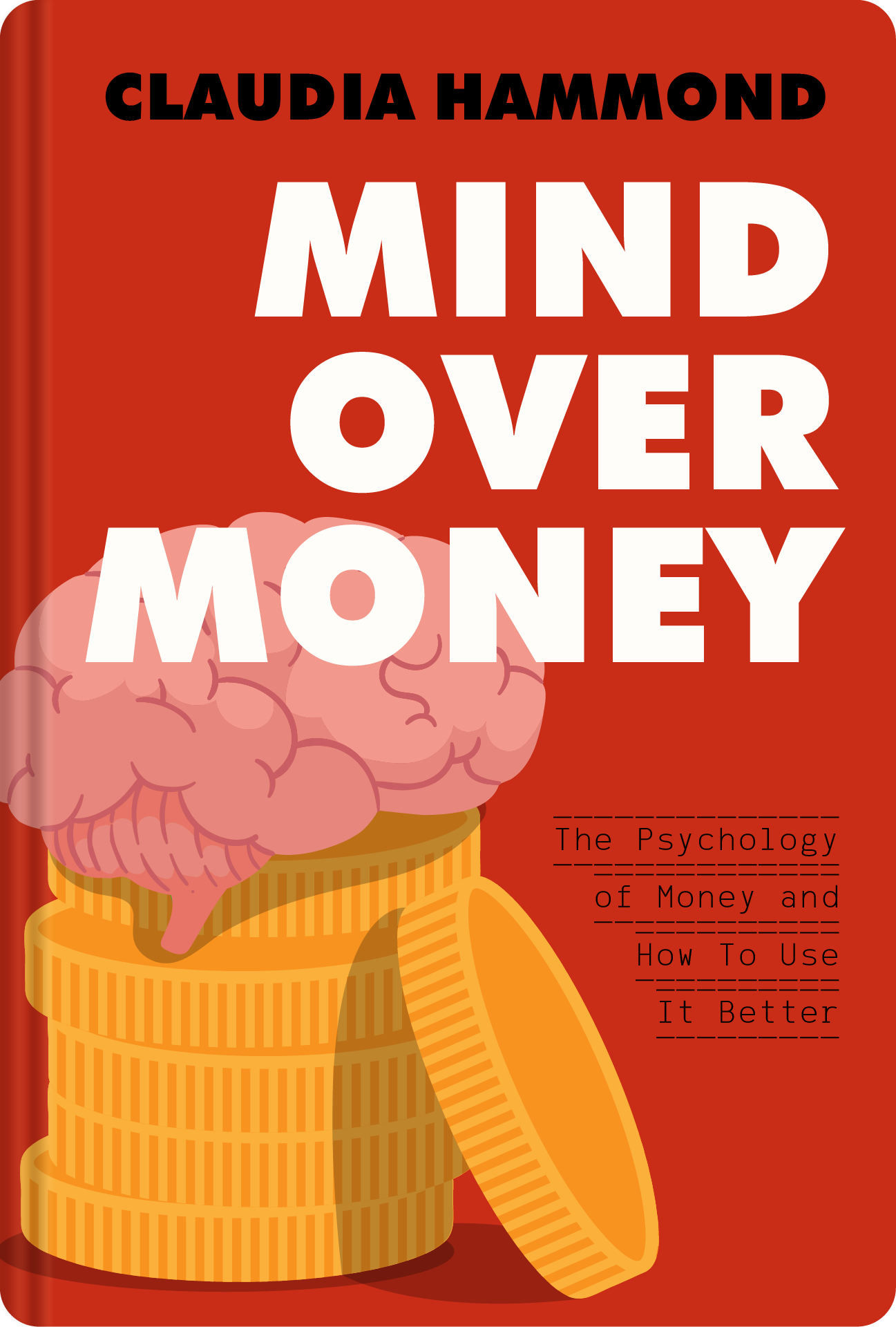 Mind Over MoneyClaudia HammondYou learn why we overspend and why paying by card feels different from paying cash, and how to build a healthier, more rational relationship with money.Listen to the summary →
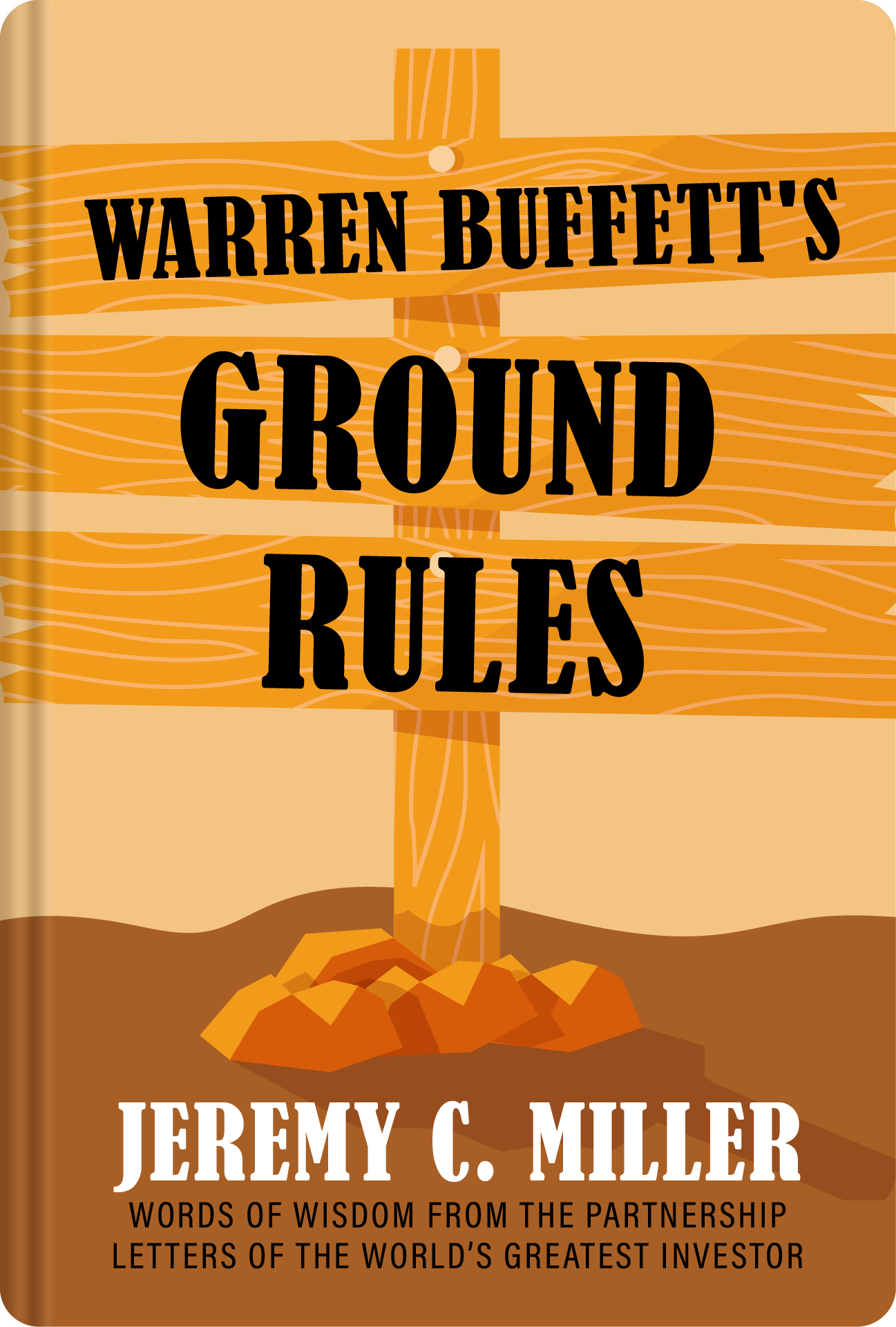 Warren Buffett's Ground RulesJeremy C. MillerYou take away the early principles behind Buffett's success: long-term compounding, measuring yourself against the market, careful risk management and disciplined value investing.Listen to the summary →
 Charlie MungerTren GriffinYou see how Munger bought great businesses at fair prices, avoided mistakes, stayed patient and used mental models from many fields to judge better.Listen to the summary →
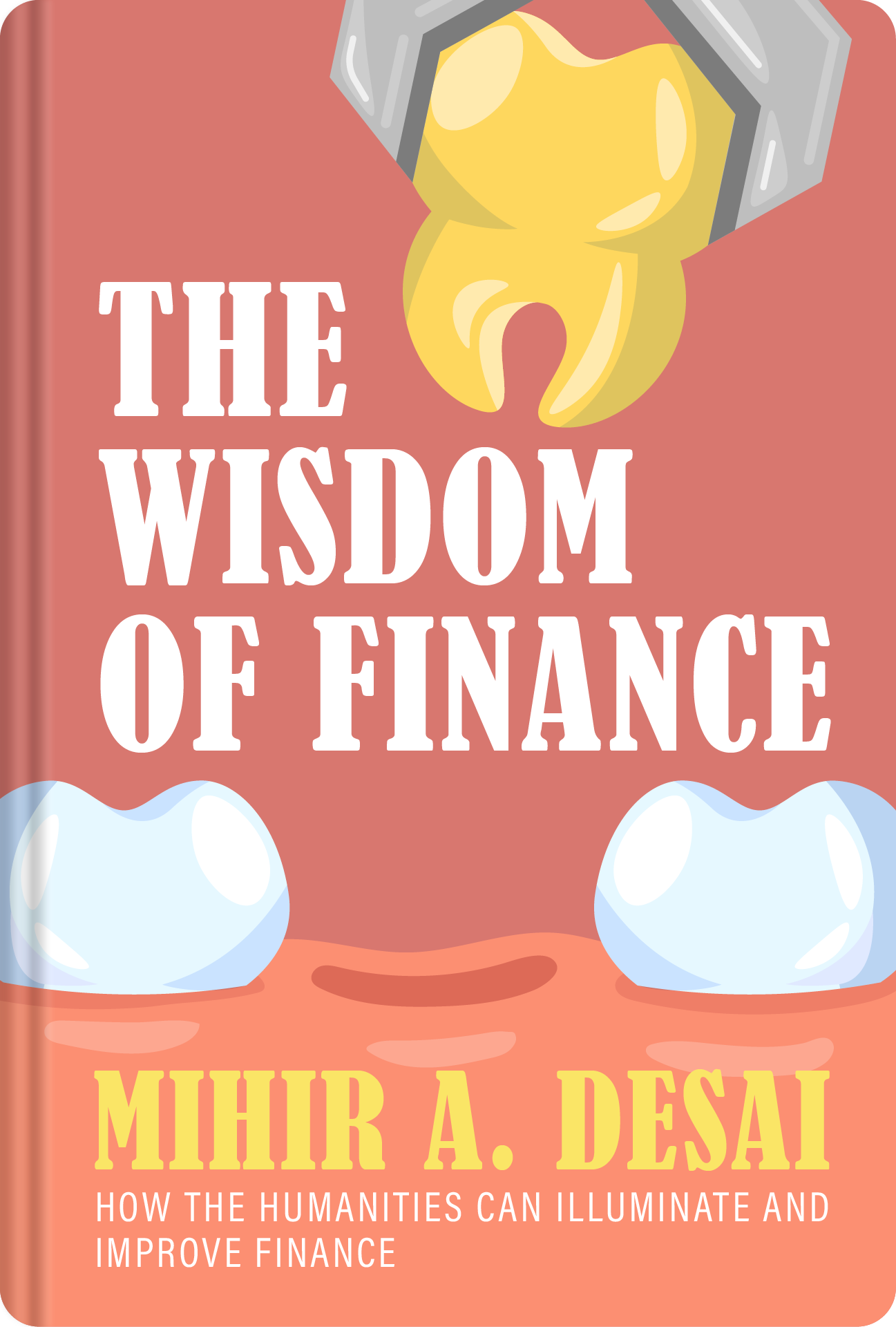 The Wisdom of FinanceMihir DesaiYou discover how ideas like risk, insurance, diversification and leverage connect to everyday human experience, which makes finance feel less distant.Listen to the summary →
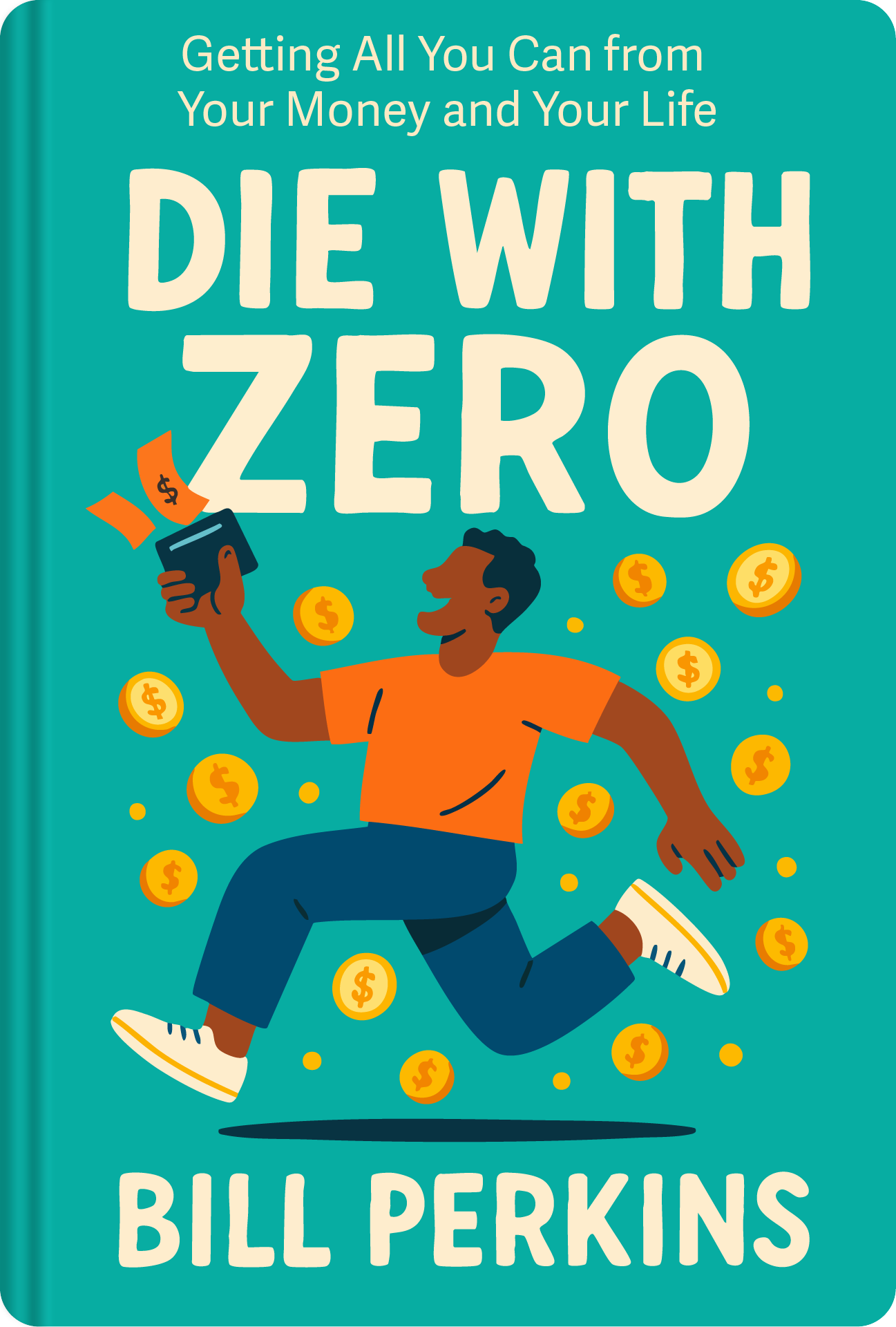 Die with ZeroBill PerkinsYou come away with a practical way to plan your spending, give to loved ones while they can benefit, and enjoy experiences at the right age without regret.Listen to the summary →
A three-step starter plan
You do not need a large salary to begin. You need an order of operations.
- Build a small emergency fund first. Even a few weeks of basic expenses in an account you do not touch stops one bad month from turning into debt.
- Make saving automatic. Set a transfer for the day after your salary arrives, so that saving happens before spending has a chance to argue.
- Learn one thing a month. One summary, one idea, one small test of it in your own life. A year of this changes how you see money more than any single clever move.
Notice what is missing from the list: any promise about returns. That is deliberate. The plan builds the habits and the understanding. What you do with them is your decision, ideally taken slowly and with good advice that fits your own situation.
Earn with effort, save with a system, and invest only what you understand.
Nearly 1,000 summaries, 14 days free
Start your 14 days freeAudio and text, in Arabic and English. Try the yearly plan free for 14 days and cancel anytime.Questions people ask
Is this financial advice?
No. This article and the summaries it recommends are educational. They explain how well-known investors and writers think about money, but they do not tell you what to buy or sell, and nobody can promise returns. For decisions about your own money, consider your own situation and speak to a qualified adviser.
I have just started working. Where should I begin?
Begin with the habits, not the investments. Build a small emergency fund, automate a monthly saving, and read one summary a month to build understanding. The Mind Over Money summary is a good first read because it is about how your own choices work.
Can I read these summaries in Arabic and listen on the go?
Yes. Each summary is available in Arabic and English, as audio or text, and takes about 15 minutes. Many readers listen on the drive to work or before bed. You also get a free summary every day, and a 14-day free trial on the yearly plan, which you can cancel anytime.