
Last January you probably promised yourself twelve books. By March, the stack by your bed had become furniture. You were not lazy: you had work, family, a long drive, and a phone that never stopped asking for you.
The problem is rarely willpower. It is that reading has no fixed place in the week, so it loses every argument with something louder.
Five books on time and attention, taken together, give you a system rather than a mood. None of it needs a free weekend or a monk's schedule.
Here is the system, step by step. It works whether you read in Arabic, in English, or both.
1. Find the real hours before you hunt for new ones
In 168 Hours, Laura Vanderkam starts from a simple fact: everyone has 168 hours a week, and most of us have never looked at where they go. Her advice is to track how you actually spend your time, then plan the week around what matters.
Try it for three days, not a month. Write down the drive, the waiting, the coffee after lunch, the last half hour before sleep. You will not find long stretches of free time, but you will find pockets of ten and fifteen minutes that have been quietly going to nothing.
That is where your reading lives. A book is not finished in one sitting. It is finished in the pockets you stopped losing.
2. Read faster, but only where speed helps
Kam Knight's Speed Reading is not about racing through every page. It covers cutting unnecessary rereading, taking in groups of words instead of single words, and adjusting your pace to how difficult the material is.
That last idea matters most. A light business book can move quickly. A dense chapter you actually care about deserves a slower pace. Reading well means choosing the speed, not always pressing the same pedal.
Practise on easy material first. A small, steady improvement beats a dramatic technique you drop after a week.
3. Drop the news, keep your attention
Rolf Dobelli's Stop Reading the News makes a blunt argument: constant headlines damage focus and peace of mind, distort how we see risk, and add little real understanding. He describes giving news up himself and recommends long-form articles and books in its place.
You do not have to agree with every word to try the experiment. Cut the news for two weeks and notice what comes back: the twenty minutes on the sofa, the calmer evening, the room in your head.
Those minutes were never empty. Something was already taking them, and it was not a book.
4. Protect one deep block, and keep the phone out of it
Cal Newport's Digital Minimalism suggests a thirty-day digital declutter: step away from optional technologies, then bring back only the tools that truly support your values. He also pushes for high-quality leisure in place of endless scrolling.
Ryan Holiday's Stillness Is the Key points the same way. Limit your inputs, take a walk, and let the mind settle, because clear thinking starts from calm.
So choose one block a day or even three times a week. Thirty minutes after Fajr, or after dinner once the house is quiet. Phone in another room. One book, one place, same time. A habit with a fixed address survives a busy week.
5. Let summaries decide which books deserve the full read
Here is the part nobody says out loud: not every book deserves your six hours. Some give you everything you need in the first third. A few change how you work for years.
A fifteen-minute summary lets you meet a book before you commit to it. If the ideas land, you buy the book and read it properly, with a pen, in your protected block. If they do not, you have lost a coffee break, not a month.
On Durar, the summaries are the filter, not the replacement. Use them to choose, then give the best ones the full read they earn.
Read one idea today, free
Start with today's free summaryDurar gives you a free summary every day, in Arabic or English, as audio or text. Fifteen minutes, no pressure.Five summaries to build the system, in this order
Start with the one that shows you where your time goes, and end with the one that helps you keep a calm mind once you have the time.
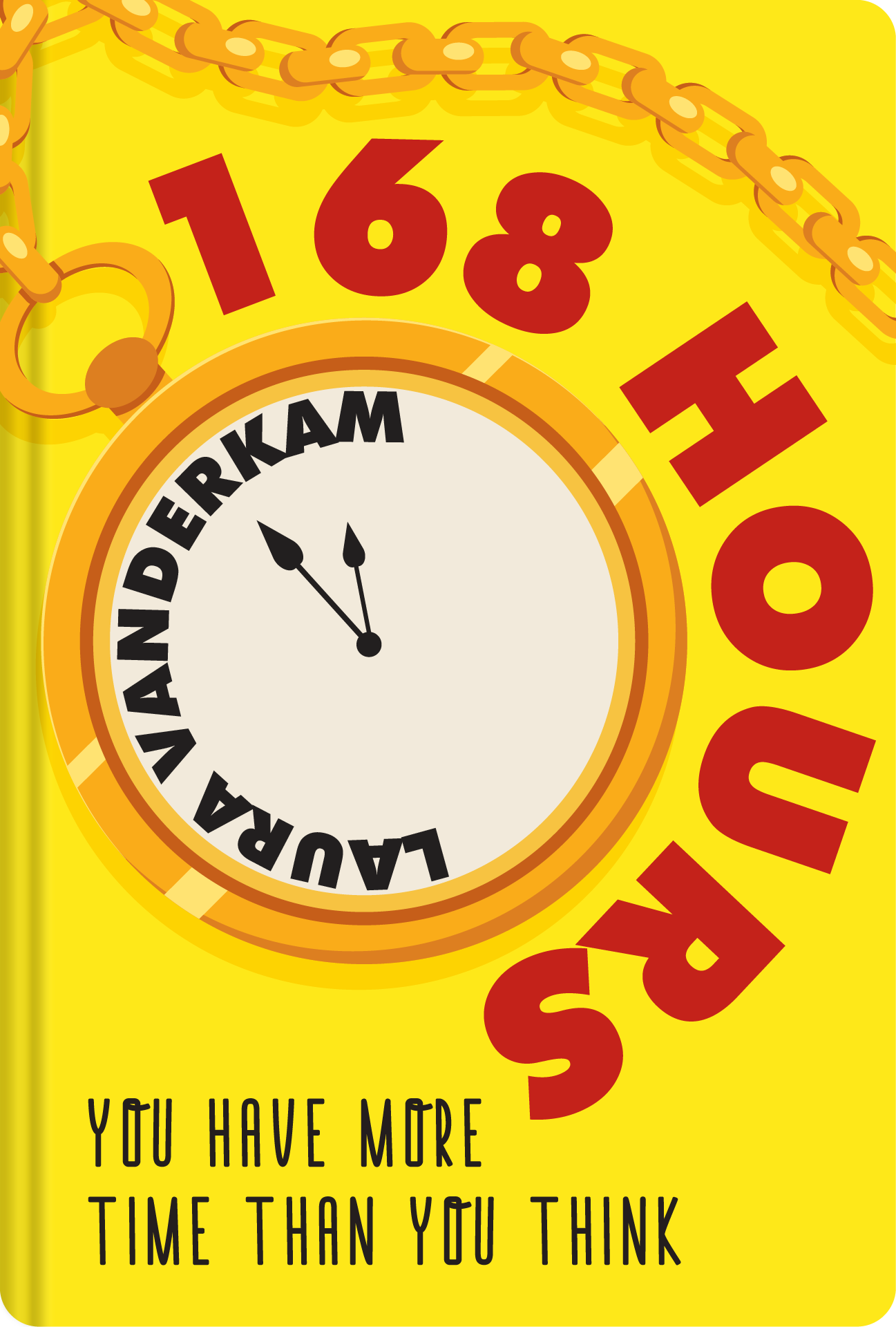 168 HoursLaura VanderkamYou learn to track how your week is really spent, so you can find room for what matters and cut the low-value tasks.Listen to the summary →
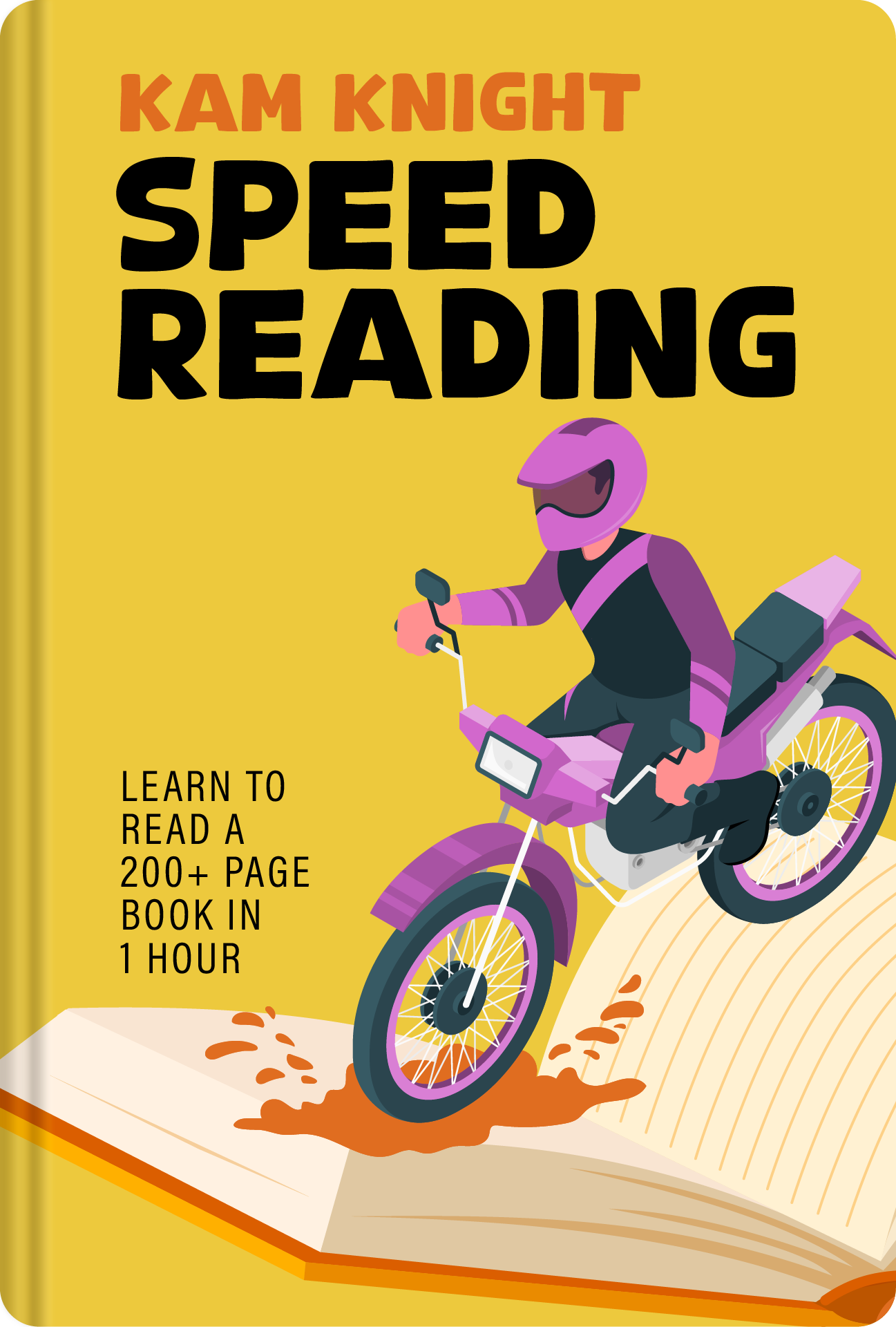 Speed ReadingKam KnightYou get practical techniques to read faster while keeping comprehension, including adjusting your speed to how difficult the material is.Listen to the summary →
 Stop Reading the NewsRolf DobelliYou see how constant news eats your attention and peace of mind, and why long-form articles and books are a better use of the time.Listen to the summary →
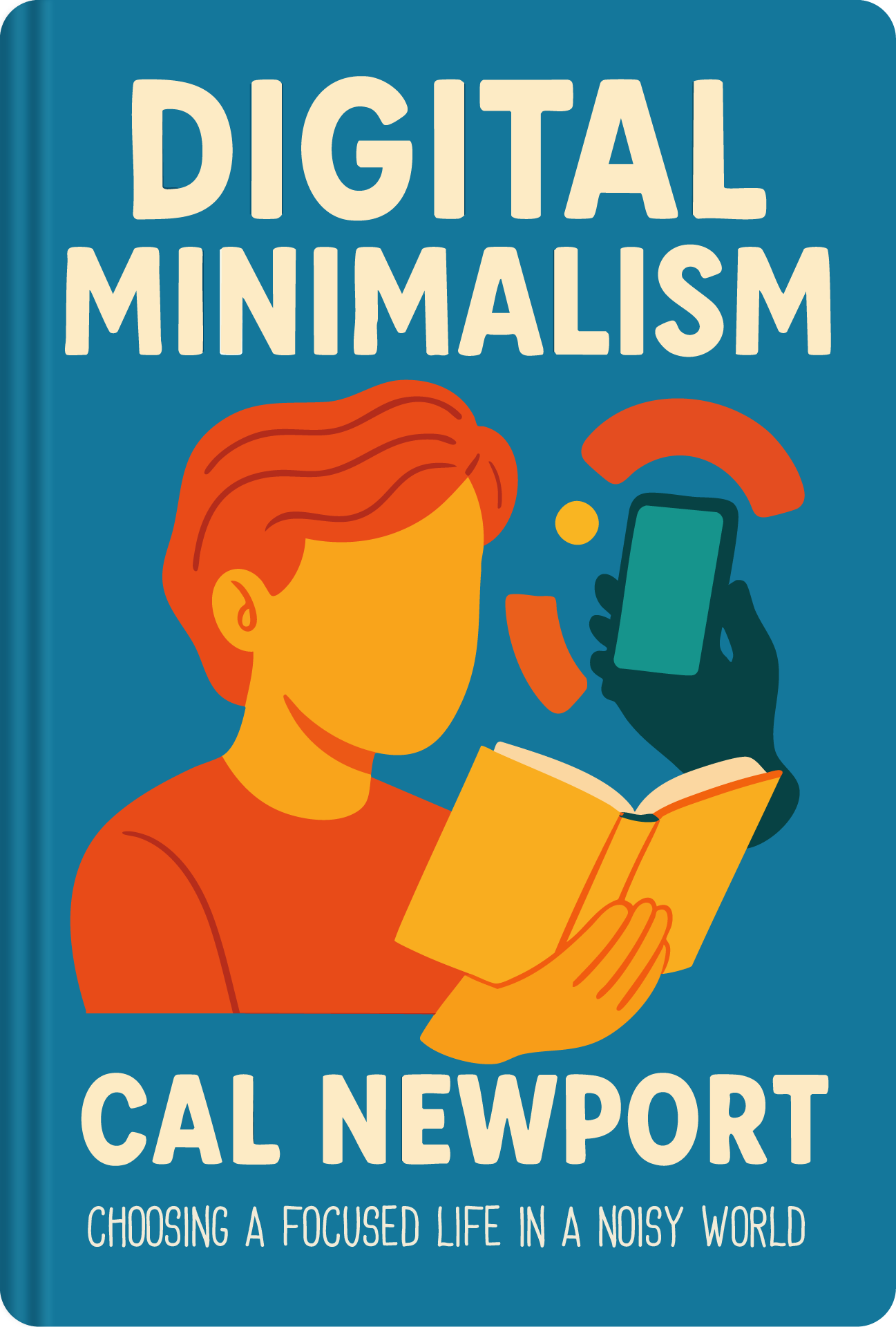 Digital MinimalismCal NewportYou get a thirty-day plan to step away from optional technologies and bring back only the tools that serve your values.Listen to the summary →
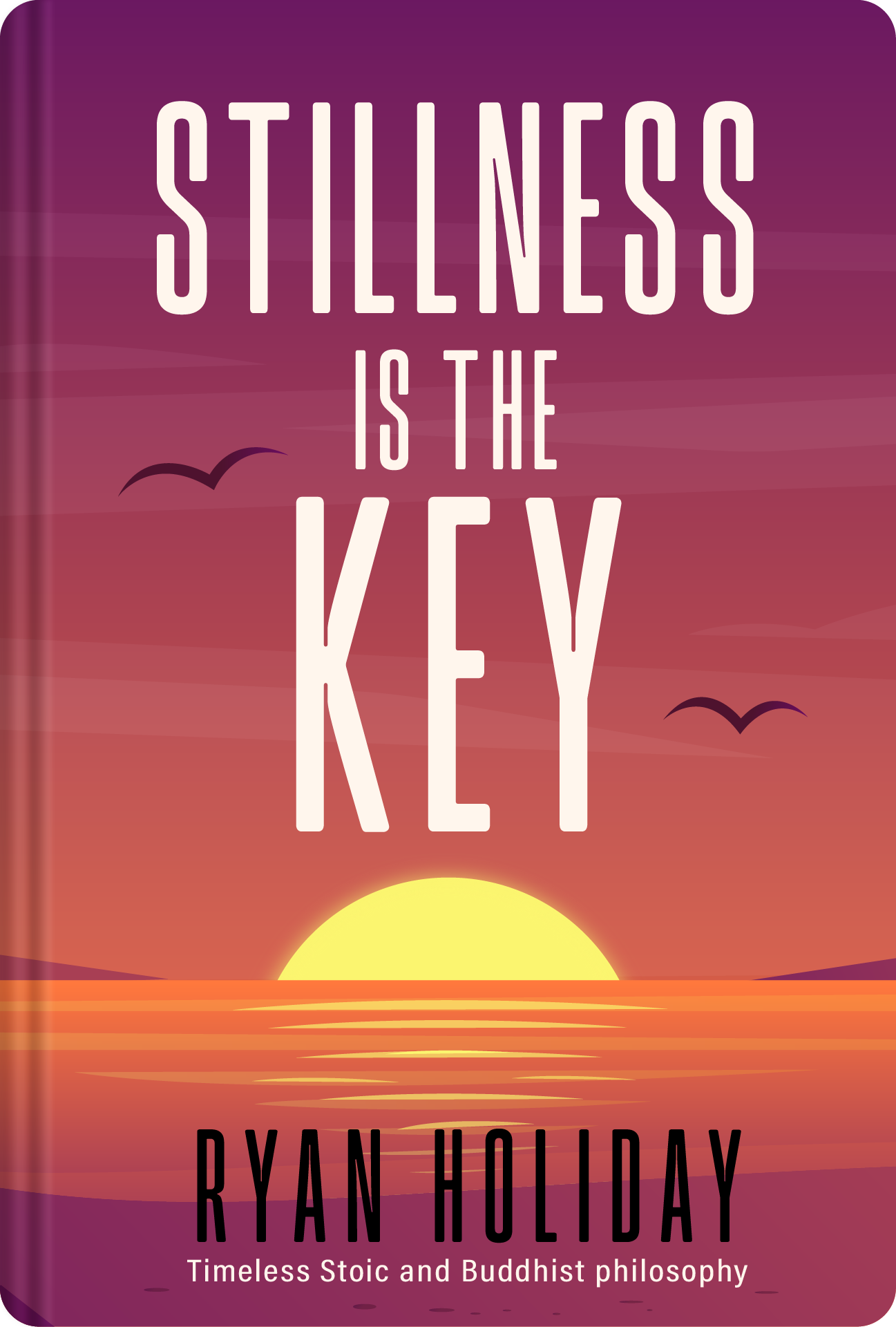 Stillness Is the KeyRyan HolidayYou pick up simple habits such as journaling, limiting inputs and taking walks that build the calm focus deep reading needs.Listen to the summary →
A seven-day starter plan
Do not start by changing your life. Start with one week and three small moves.
- Days 1 to 3: write down where your time goes, especially the small gaps in the drive, the waiting and the late evening.
- Days 4 to 5: delete one news app from your home screen and put a book summary in its place.
- Days 6 to 7: pick one fixed block of thirty minutes, put the phone in another room, and read one summary or one chapter.
After seven days you will know two things: where your reading time was hiding, and whether this system fits your life.
You do not find time to read. You stop losing it, then give it a fixed place.
Build the habit with nearly 1,000 summaries
Try Durar free for 14 daysTry the yearly plan free for 14 days. Cancel anytime. Use summaries to choose your next book, then read the best ones in full.Questions people ask
How can I read more books if I have no free time?
Look for pockets instead of free hours. Track your week for a few days and you will usually find ten or fifteen minutes in the drive, the waiting and the late evening. Add one protected block, with the phone in another room, and use summaries to choose which books deserve a full read.
Does speed reading really work without losing understanding?
The techniques in Kam Knight's Speed Reading aim to keep comprehension: less unnecessary rereading, taking in groups of words, and matching your speed to how hard the text is. Improvement comes gradually with practice, so start with easy material and do not expect an overnight change.
Are book summaries a replacement for reading the whole book?
No. A summary is a filter. It gives you the main ideas in about fifteen minutes so you can decide which books are worth your time. When a summary strikes you, that is the book to read in full.