
It is 1 a.m., the exam is at nine, and your mind is running a film of everything that could go wrong. You are tired, and still it will not switch off. This article is not about forcing it to stop. It is a small kit of five tools, one from each summary below.
Anxiety rarely arrives as one big problem. It arrives as a loop: the interview you have not had yet, the message your cousin left on read, the comparison with a friend who seems to be ahead.
The five summaries below each deal with a different part of that loop. One helps you name what you feel. One helps you catch the thought behind it. One changes how you talk to yourself. One gives the nervous energy somewhere to go. One turns all of it into a routine for the week.
None of this replaces prayer, your family or your doctor. It sits alongside them. Each section gives you one exercise you can try today, in about five minutes.
First, name it. Then catch the thought.
Permission to Feel makes a simple argument: emotions are information, not weakness. Marc Brackett's approach has five steps: recognize, understand, label, express and regulate. Try the third one tonight. Instead of "I'm stressed", write the more exact word. Is it dread, shame, pressure, loneliness? A precise word is easier to deal with than a fog.
Then look at the thought underneath. In Feeling Good, David Burns shows how distorted thoughts create painful feelings. Two common ones are all-or-nothing thinking ("if I don't get this job, I have failed") and jumping to conclusions ("they have not replied, so they rejected me"). Write the thought down, name the distortion, and write a fairer version beside it. Seeing it on paper is often enough to loosen it.
Talk to yourself like a friend
Picture a friend who failed a first attempt at an exam. You would not call them hopeless. You would say it was a hard paper and that they will do better next time. Most of us never offer ourselves the same.
Self-Compassion, by Kristin Neff, breaks this into three parts: be kind to yourself, remember that everyone struggles, and notice painful feelings without being swallowed by them. The exercise is one sentence. When you catch yourself in harsh self-talk, say to yourself what you would say to that friend. It feels odd the first few times. It gets easier.
Use the energy, then build a routine
Martha Beck, in Beyond Anxiety, describes anxiety as trapping people in repetitive patterns of worry, and points to curiosity, creativity and attention to what brings real joy as ways out. A simple way to use that: when the worry spikes, do not argue with it. Spend ten minutes on something that absorbs you, such as cooking, sketching, a walk or a project you care about. The energy goes into something that is yours.
To make it last, Cognitive Behavioral Therapy by Olivia Telford gives the basic principle that thoughts, emotions and actions reinforce one another, with exercises for spotting unhelpful patterns and examining assumptions. Put them together as a weekly rhythm, and keep it small enough that you will actually do it.
Start with one free summary
Read today's free summaryDurar gives you a free summary every day, in Arabic or English, as audio or text.The five summaries, in the order we suggest reading them
Each takes about 15 minutes to listen to or read. Start with the first, or with whichever matches your week.
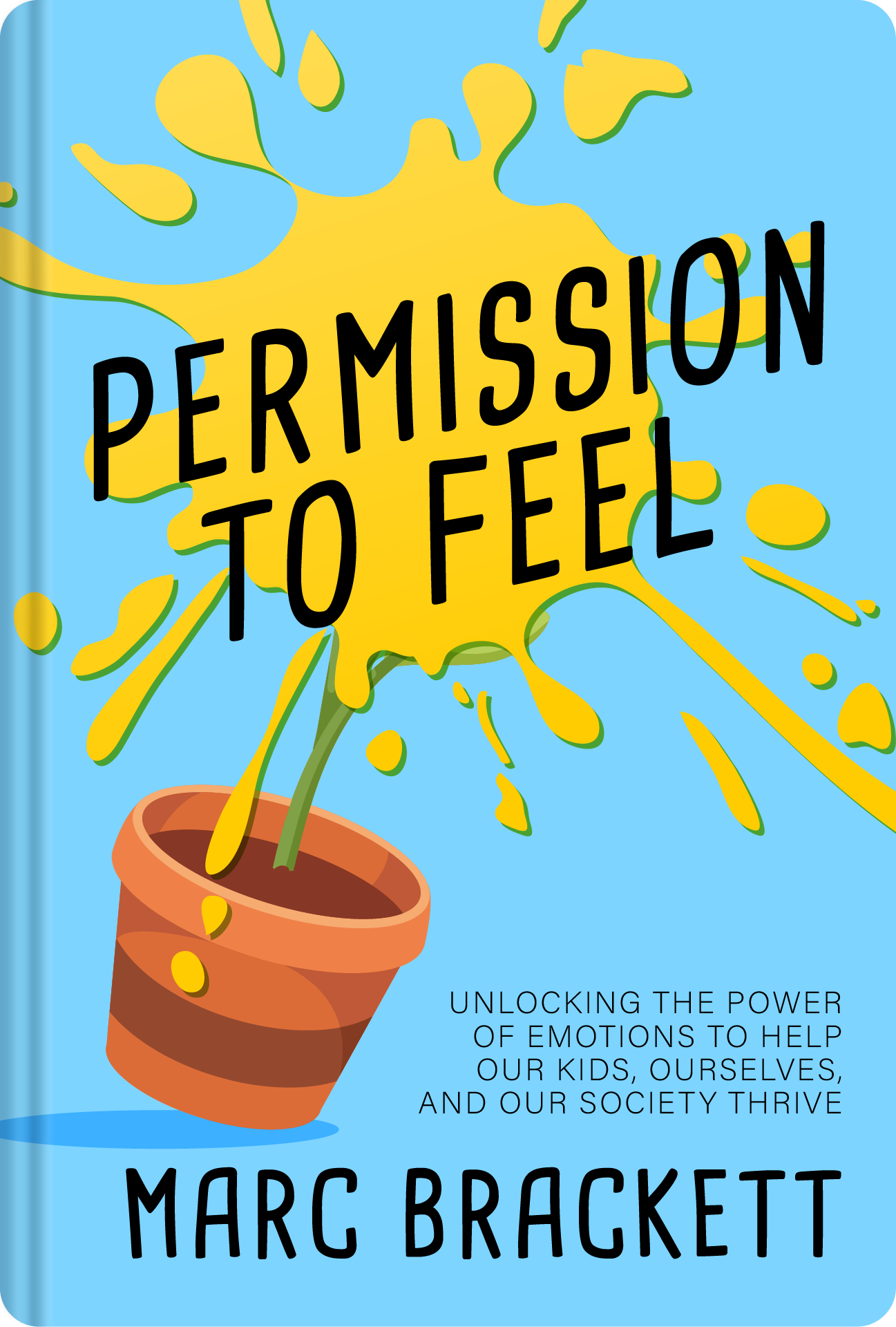 Permission to FeelMarc BrackettYou learn to treat emotions as information and to name them precisely, so you can express and manage them instead of hiding them.Listen to the summary →
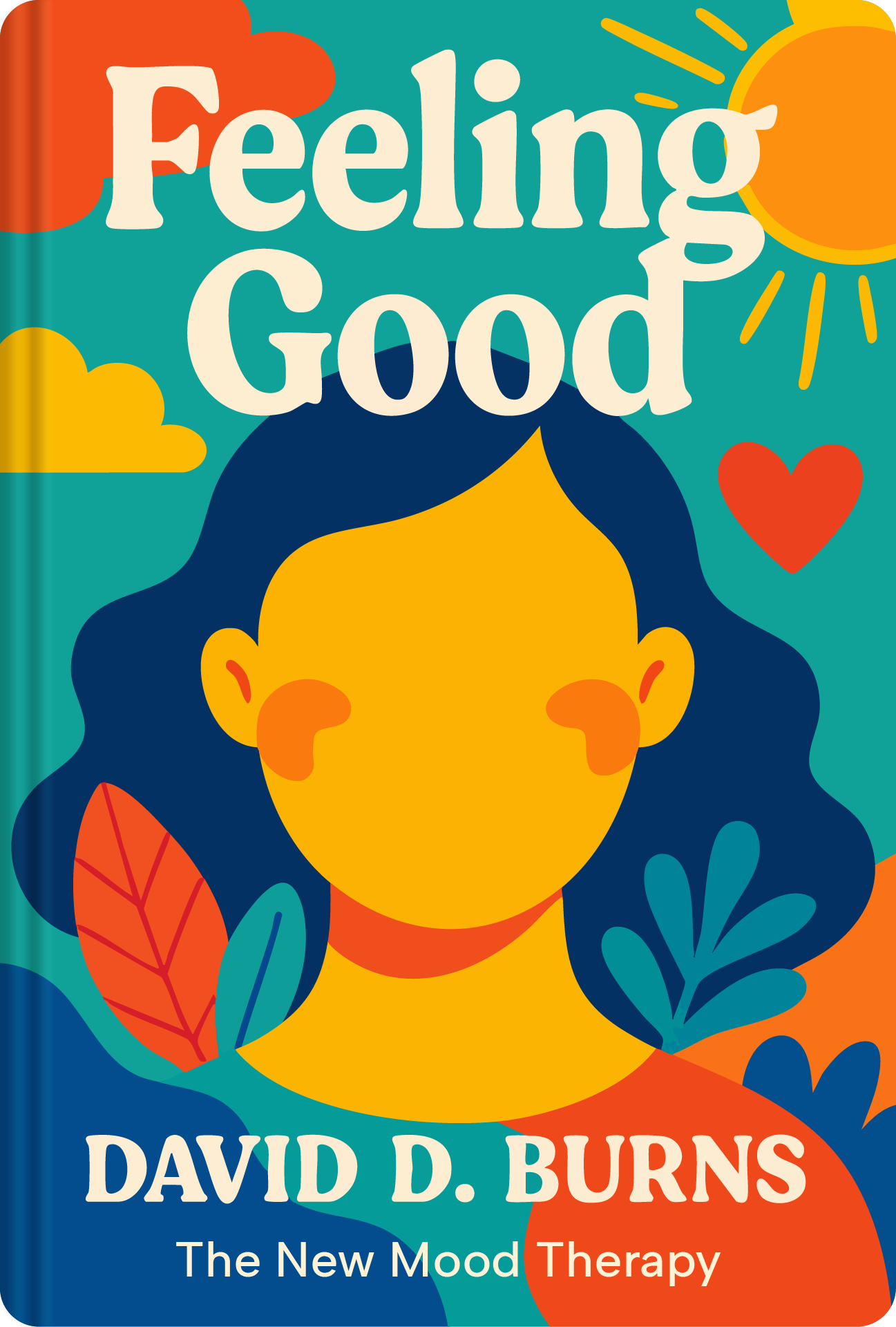 Feeling GoodDavid BurnsYou learn to spot distorted thoughts like all-or-nothing thinking and jumping to conclusions, and to challenge them with clear exercises.Listen to the summary →
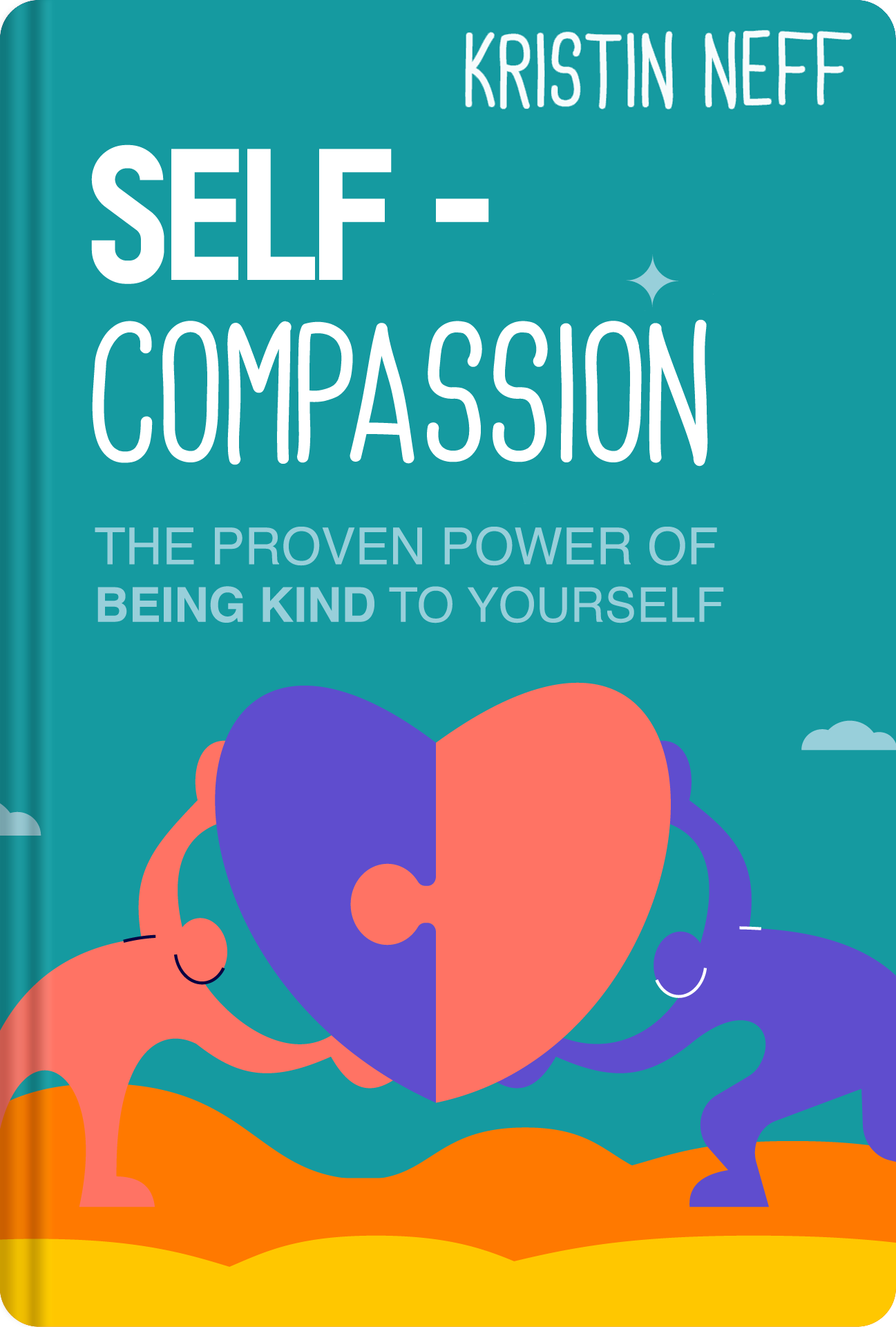 Self-CompassionKristin NeffYou learn to replace harsh self-criticism with kindness, by remembering that everyone struggles and not being overwhelmed by painful feelings.Listen to the summary →
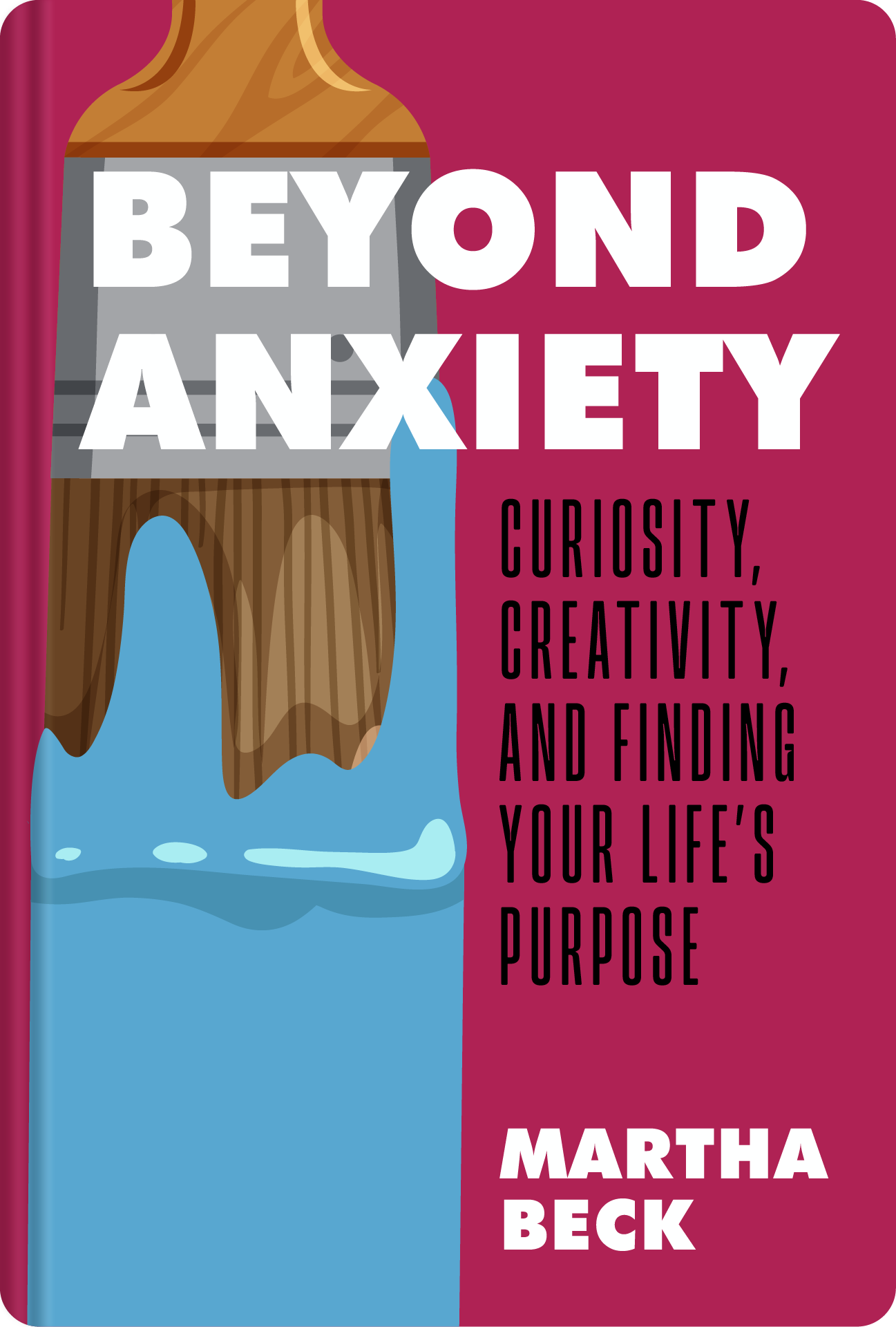 Beyond AnxietyMartha BeckYou see how anxiety traps people in loops of worry, and how curiosity, creativity and attention to real joy can calm the mind.Listen to the summary →
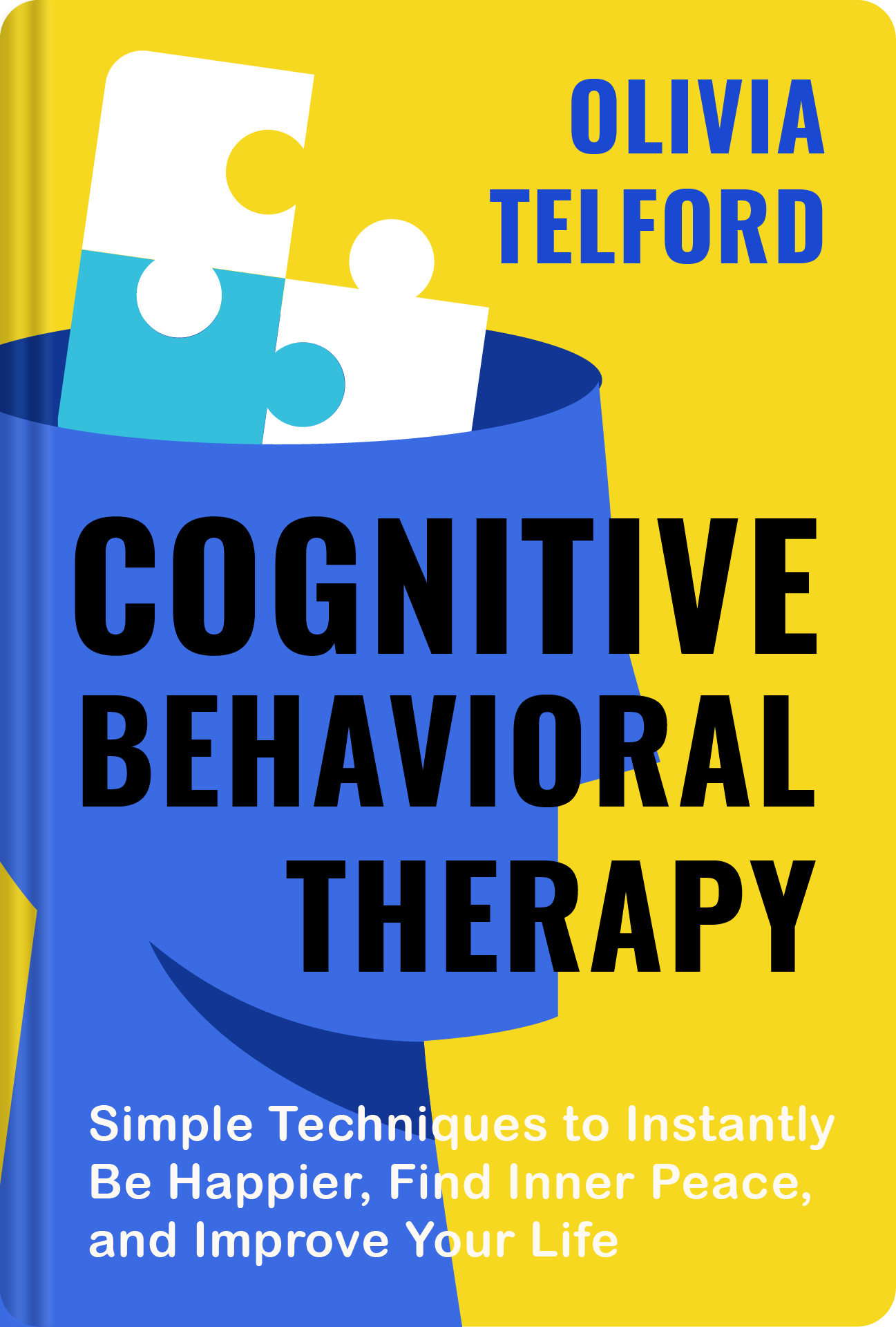 Cognitive Behavioral TherapyOlivia TelfordYou get a clear introduction to CBT, including how thoughts, emotions and actions feed each other and exercises to examine your assumptions.Listen to the summary →
A one-week challenge
Five minutes a day. You do not need to finish a book to start.
- Days 1 and 2: when you feel the knot in your chest, write one precise word for the feeling. Not "bad", but the exact word.
- Days 3 and 4: pick one worrying thought, write it down, name the distortion, and write a fairer version beside it.
- Days 5 to 7: when you catch harsh self-talk, say to yourself what you would say to a friend. Then spend ten minutes on something that absorbs you.
At the end of the week, notice what changed, even slightly. Keep what helped and drop the rest.
You do not have to silence your mind. You only have to stop believing everything it says at 1 a.m.
Try the full library for 14 days
Start your 14 days freeNearly 1,000 summaries, Arabic and English. 14 days free on the yearly plan, cancel anytime.Questions people ask
How do I stop overthinking before an exam or interview?
Write the worry down, name the feeling with one precise word, and check the thought for distortions like all-or-nothing thinking. Then give yourself a short, concrete next step. Feeling Good and Cognitive Behavioral Therapy both walk through exercises for this.
Can these summaries replace a doctor or therapist?
No. They are general self-help ideas, and the CBT book itself says it is not a replacement for professional assessment. If anxiety affects your sleep, work, studies or daily life for weeks, or you feel it is more than stress, speak to a doctor or a qualified therapist. Talking to family and praying are good supports alongside that.
Which summary should I start with?
If you cannot describe what you feel, start with Permission to Feel. If a specific thought keeps repeating, start with Feeling Good. If you are hard on yourself, start with Self-Compassion. All are about 15 minutes.