Get started

Topic

The best 33 Compassion summaries

Compassion is the practice of meeting your own pain and the struggles of others with understanding instead of harshness, and in a region where family ties, neighbourly duty and mercy are deeply valued, it shapes how we care for those around us without losing ourselves. The books gathered here range from practical guides on empathy, self-compassion and peacemaking to reflective works on mercy, patience and hope drawn from spiritual traditions. With these ideas you can quiet your inner critic, listen more patiently in disagreements, set healthy boundaries while still caring deeply, and bring more kindness into your home and work.

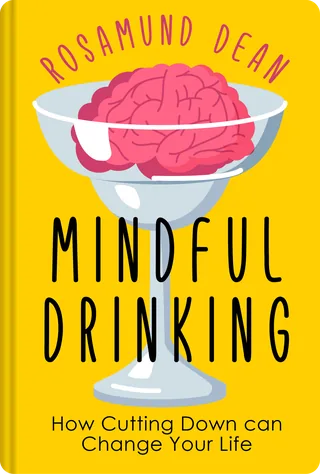
1Mindful Drinking

Mindful Drinking

Rosamund Dean

Rethink your relationship with alcohol through awareness and intentional choices that strengthen well-being and restore control.

14 min

Listen to the intro

1:37

What is Mindful Drinking about?

Mindful Drinking (2017) helps readers take a more conscious approach to alcohol and reduce how much they drink. Journalist Rosamund Dean combines personal experience, expert advice, and research on health, sleep, and wellbeing to show the benefits of cutting down. The book offers practical tips for changing habits and dealing with social pressure.

Who should read Mindful Drinking?

  • Anyone looking to cut down on alcohol
  • People struggling with social pressure to keep drinking
  • Readers seeking better sleep, health and self-control
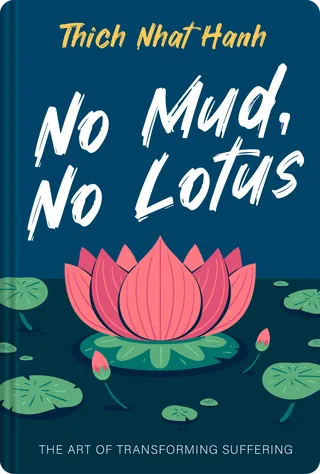
2No Mud, No Lotus

No Mud, No Lotus

Thich Nhat Hanh

Meet suffering with mindfulness and transform pain into deeper understanding, compassion, peace, and lasting joy.

16 min

Listen to the intro

1:37

What is No Mud, No Lotus about?

No Mud, No Lotus (2014) explains that suffering can be understood and transformed rather than ignored or allowed to dominate life. Using the image of a lotus growing from mud, Thich Nhat Hanh shows how difficult experiences can deepen compassion, wisdom, and appreciation when approached with awareness. The book offers breathing practices, mindful observation, and gentle reflections for responding to pain without losing hope or inner balance.

Who should read No Mud, No Lotus?

  • Anyone facing pain or difficult experiences in life
  • People who want calmer ways to respond to pain
  • Readers seeking compassion without losing their inner balance
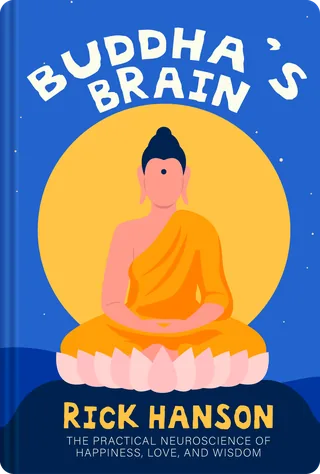
3Buddha’s Brain

Buddha’s Brain

Rick Hanson

Train your brain for greater calm, happiness, and resilience with practical techniques that strengthen positive patterns and reduce stress.

17 min

Listen to the intro

1:41

What is Buddha’s Brain about?

Buddha’s Brain (2009) explores how neuroscience and contemplative practices can help people develop calm, resilience, and emotional balance. It offers practical exercises for strengthening positive mental habits and responding to daily challenges with greater awareness.

Who should read Buddha’s Brain?

  • Anyone struggling with stress and daily challenges
  • Readers curious about neuroscience and emotional balance
  • People seeking practical habits for calm and resilience
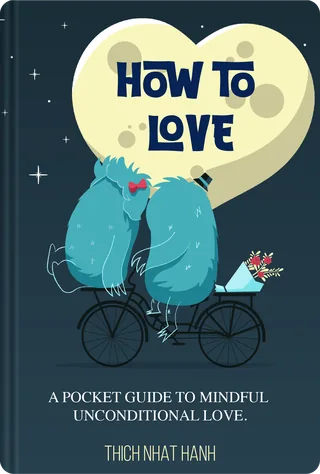
4How to Love

How to Love

Thich Nhat Hanh

Practise love with presence, compassion, and deep listening to build calmer relationships and live with a more open heart.

15 min

Listen to the intro

2:18

What is How to Love about?

How to Love (2014) offers brief reflections and practical exercises for cultivating understanding, patience, and compassionate communication. It presents love as a skill that grows through attentive listening, presence, and responsible care for others. Thich Nhat Hanh draws on decades of teaching mindfulness to show how deep listening and kind speech can heal misunderstandings in families and friendships.

Who should read How to Love?

  • Families seeking calmer, more understanding relationships at home
  • Anyone who wants to listen more deeply to others
  • Friends trying to heal misunderstandings through kind speech
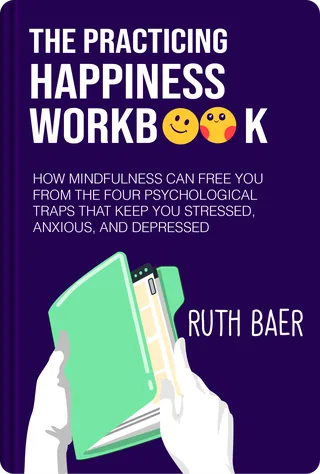
5The Practicing Happiness Workbook

The Practicing Happiness Workbook

Ruth Baer

Practise gratitude, self-compassion, and mindful awareness through practical exercises designed to create meaningful change in everyday life.

15 min

Listen to the intro

1:25

What is The Practicing Happiness Workbook about?

The Practicing Happiness Workbook (2014) offers a practical programme for breaking free from rumination, self-criticism, and unhelpful habits that keep people stuck in low mood and anxiety. Ruth Baer draws on mindfulness and acceptance-based therapies to present exercises that build awareness, self-compassion, and values-based action. The book helps readers practise happiness as a set of skills they can develop in everyday life.

Who should read The Practicing Happiness Workbook?

  • Anyone stuck in cycles of rumination and self-criticism
  • People seeking practical exercises to ease low mood and anxiety
  • Readers who want to build happiness as daily skills
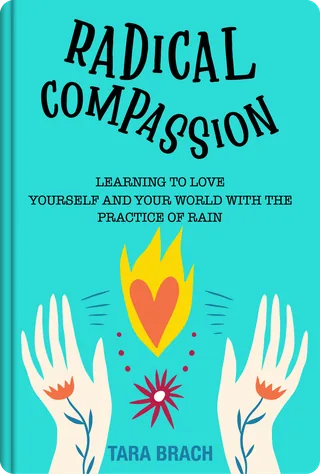
6Radical Compassion

Radical Compassion

Tara Brach

Practise RAIN to meet difficult emotions with compassion, release fear and shame, and build a more joyful, connected life.

20 min

Listen to the intro

1:08

What is Radical Compassion about?

Radical Compassion (2019) introduces RAIN, a simple four-step practice for meeting difficult emotions with kindness. Tara Brach explains how to Recognise what is happening, Allow it to be there, Investigate it with care, and Nurture oneself with compassion. Through stories and guided reflections, the book shows how this practice can ease fear, shame, and self-judgement and strengthen relationships with others.

Who should read Radical Compassion?

  • Anyone weighed down by fear, shame or self-criticism
  • People seeking a gentle way to handle hard emotions
  • Family members and friends hoping for warmer, closer relationships
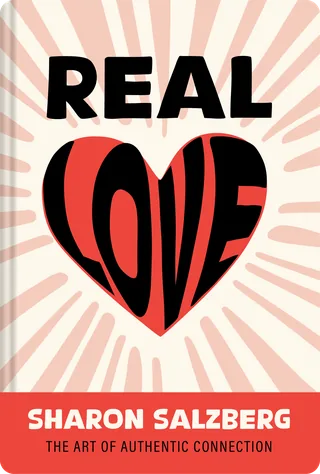
7Real Love

Real Love

Sharon Salzberg

Cultivate love from within through awareness, compassion, and emotional clarity that release fear and deepen genuine connection.

18 min

Listen to the intro

1:57

What is Real Love about?

Real Love (2017) explores how mindfulness and compassion can deepen the way people relate to themselves and others. Sharon Salzberg examines self-respect, friendship, family relationships, and care for the wider community through reflections and practical exercises. The book presents love as a skill that can be strengthened through attention, patience, kindness, and a more balanced understanding of oneself.

Who should read Real Love?

  • Anyone who struggles to treat themselves with kindness
  • People seeking warmer, more patient family ties and friendships
  • Readers curious about mindfulness as a path to compassion
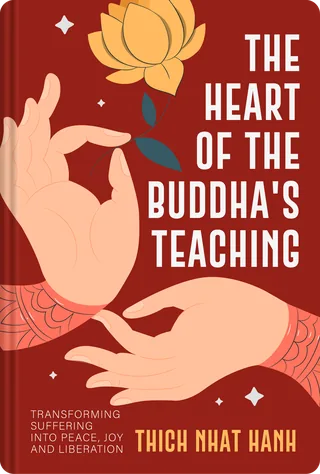
8The Heart of the Buddha's Teaching

The Heart of the Buddha's Teaching

Thich Nhat Hanh

Transform suffering into peace through Buddhist wisdom that cultivates mindfulness, compassion, presence, and clarity in everyday life.

18 min

Listen to the intro

1:42

What is The Heart of the Buddha's Teaching about?

The Heart of the Buddha's Teaching (1998) introduces the central principles of Buddhist philosophy and explains how they can be applied to suffering, awareness, and everyday conduct. Thich Nhat Hanh presents ideas such as mindful attention, compassion, balanced effort, and ethical living in clear and practical language. Rather than treating these teachings as abstract theories, the book shows how reflection and disciplined practice can encourage calm, understanding, and responsible action.

Who should read The Heart of the Buddha's Teaching?

  • Readers curious about the core ideas of Buddhist philosophy
  • Anyone seeking calm and focus amid daily stress
  • Students of world religions and comparative thought
9Original Love

Original Love

Henry Shukman

Experience love as a state of awareness through Zen-inspired practices that cultivate presence, compassion, and a deeper connection with yourself and others.

14 min

Listen to the intro

1:40

What is Original Love about?

Original Love (2024) presents meditation as a way of recognising the natural love, peace, and sense of connection already present within every person. Henry Shukman organises the spiritual journey around four supportive stages, using mindfulness, self-acceptance, focused awareness, and awakening to help readers work with difficult thoughts and emotions. Combining Zen teachings, personal stories, and practical exercises, the book shows that meditation is not about perfecting oneself but about discovering an inner wholeness that has never been absent.

Who should read Original Love?

  • Meditation beginners seeking a gentle, non-perfectionist starting point
  • Anyone struggling with difficult thoughts and emotions
  • People seeking deeper self-acceptance and connection with others
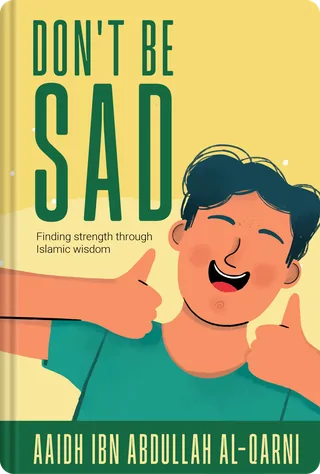
10Don't be Sad

Don't be Sad

Aaidh ibn Abdullah al-Qarni

Find comfort in faith, patience, and hope while releasing worry and trusting that hardship passes but purpose endures.

22 min

Listen to the intro

1:49

What is Don't be Sad about?

Don't be Sad (2002) offers faith-centred guidance for overcoming sadness, anxiety, and discouragement. Drawing on the Quran, Islamic teachings, historical accounts, and practical reflections, the book encourages readers to strengthen their trust in Allah, appreciate the blessings of the present, and face hardship with patience. Its reassuring message emphasises that hope, gratitude, and purposeful action can bring greater peace to everyday life.

Who should read Don't be Sad?

  • Anyone weighed down by worry, sadness, or anxiety
  • Believers seeking comfort through faith and trust in Allah
  • People facing hardship who need hope and patience
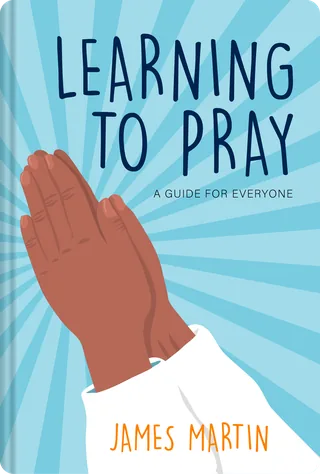
11Learning to Pray

Learning to Pray

James Martin

Deepen your spiritual connection by approaching prayer as a living and sincere dialogue grounded in silence, reflection, and compassion.

16 min

Listen to the intro

1:33

What is Learning to Pray about?

Learning to Pray (2021) provides an accessible introduction to Christian prayer and the many forms it can take in daily life. James Martin discusses spoken prayer, silent reflection, scripture, imagination, and contemplation while addressing common difficulties such as distraction, uncertainty, and discouragement. The book presents prayer as a relationship that develops gradually through honesty, patience, attention, and regular practice.

Who should read Learning to Pray?

  • Christians wanting a deeper, more personal prayer life
  • Anyone who struggles with distraction or discouragement in prayer
  • Readers curious about Christian traditions of contemplation
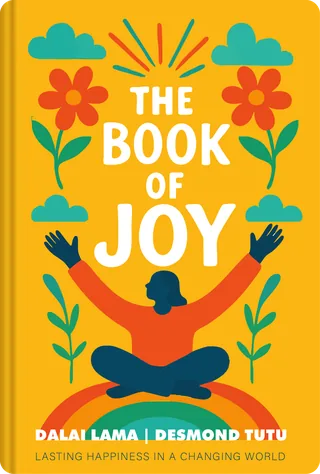
12The Book of Joy

The Book of Joy

Dalai Lama and Desmond Tutu

Find lasting joy amid pain and uncertainty through the wisdom, compassion, and perspective of two spiritual leaders.

16 min

Listen to the intro

1:44

What is The Book of Joy about?

The Book of Joy (2016) records a series of conversations between the Dalai Lama and Desmond Tutu about finding lasting joy during periods of hardship and uncertainty. Drawing on their different spiritual traditions and long personal experiences, they discuss perspective, humility, humour, acceptance, forgiveness, gratitude, and compassion. The book combines thoughtful dialogue, scientific observations, and practical exercises that help readers cultivate a steadier and more generous approach to life.

Who should read The Book of Joy?

  • Anyone facing hardship who wants steadier inner peace
  • People seeking practical ways to build gratitude and forgiveness
  • Caregivers and leaders who want to respond with compassion
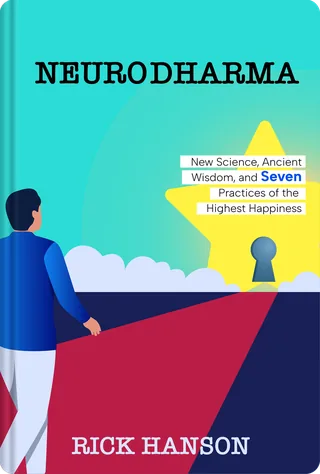
13Neurodharma

Neurodharma

Rick Hanson

Cultivate steadiness, love, and wisdom through seven neuroscience-informed practices inspired by Buddhism that deepen peace and inner freedom.

13 min

Listen to the intro

1:51

What is Neurodharma about?

Neurodharma (2020) combines modern brain science with ancient contemplative practices from the Buddhist tradition. Rick Hanson presents seven practices, including steadiness, warmth, fullness, and wholeness, to help readers develop a calmer mind and greater inner strength. Each practice includes clear scientific explanations and guided exercises that readers can bring into daily life, whether or not they have meditated before.

Who should read Neurodharma?

  • Anyone seeking a calmer, steadier mind amid daily stress
  • Readers curious how brain science explains inner peace
  • Meditation beginners wanting practical, science-based mental exercises
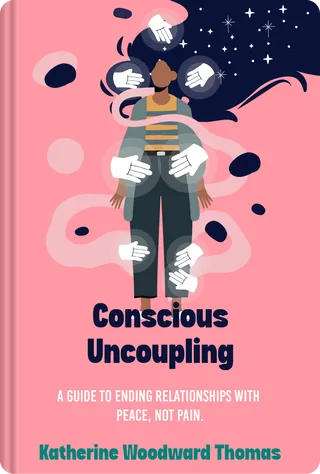
14Conscious Uncoupling

Conscious Uncoupling

Katherine Woodward Thomas

End relationships with clarity and dignity, heal without blame, and build healthier patterns for a more peaceful future.

13 min

Listen to the intro

0:56

What is Conscious Uncoupling about?

Conscious Uncoupling (2015) offers a gentler way to end a relationship with dignity, respect, and less bitterness. Katherine Woodward Thomas presents a five-step programme that helps readers manage painful emotions, understand their own part in what went wrong, break old patterns, and move forward in a healthy way. The book also guides separating parents in protecting their children and building a respectful new relationship.

Who should read Conscious Uncoupling?

  • Anyone going through a painful separation or divorce
  • Separating parents who want to protect their children
  • People who keep repeating the same relationship patterns
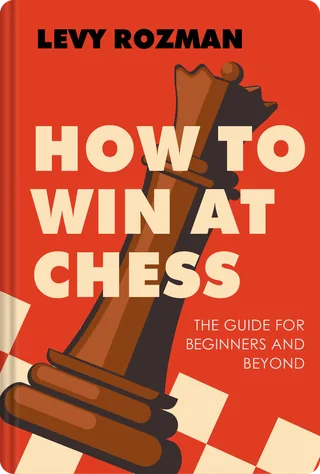
15How to Win at Chess

How to Win at Chess

Levy Rozman

Master chess by recognising patterns, applying key tactics, and developing the focus and strategic intuition needed to win confidently.

20 min

Listen to the intro

1:42

What is How to Win at Chess about?

How to Win at Chess (2023) is a friendly, practical guide for anyone who wants to learn chess or improve their game. Levy Rozman explains the rules, key strategies, common openings, tactics, and endgames in clear language, with plenty of diagrams and tips from his experience as a coach. The book helps beginners and intermediate players think more clearly on the board and enjoy the game more.

Who should read How to Win at Chess?

  • Beginners who want to learn chess from scratch
  • Intermediate players looking to sharpen tactics and openings
  • Anyone who wants sharper focus and strategic thinking
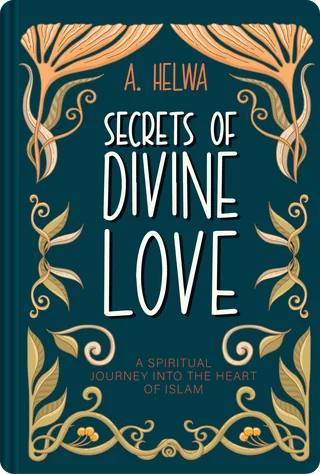
16Secrets of Divine Love

Secrets of Divine Love

A. Helwa

Rediscover faith as a loving relationship with God, rooted in mercy, trust, and intimacy rather than fear.

18 min

Listen to the intro

1:46

What is Secrets of Divine Love about?

Secrets of Divine Love (2020) explores Islamic spirituality through reflections on Allah’s mercy, love, forgiveness, prayer, gratitude, and the purpose of human life. A. Helwa combines Quranic verses, traditional stories, and contemplative exercises to help readers strengthen their relationship with Allah. The book emphasises hope, sincere worship, self-reflection, and recognising divine compassion in everyday life.

Who should read Secrets of Divine Love?

  • Muslims seeking a deeper, more loving bond with Allah
  • Anyone whose worship feels weighed down by fear alone
  • Readers wanting more sincerity and presence in their prayer
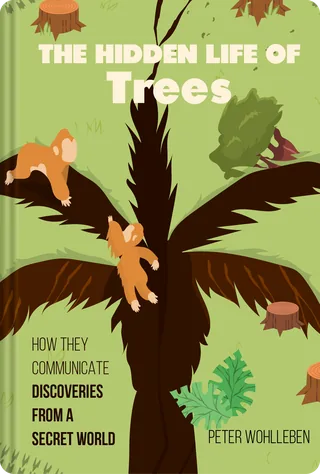
17The Hidden Life of Trees

The Hidden Life of Trees

Peter Wohlleben

Enter the hidden world of trees to discover how they communicate, share resources, and support one another across the forest.

15 min

Listen to the intro

1:16

What is The Hidden Life of Trees about?

The Hidden Life of Trees (2015) reveals the surprising ways trees live, communicate, and support one another. Drawing on his experience as a forester and on scientific research, Peter Wohlleben explains how trees share nutrients through underground networks, warn each other of danger, and care for their young. The book invites readers to see forests as complex communities and to value them more deeply.

Who should read The Hidden Life of Trees?

  • Nature lovers curious about how forests really work
  • Gardeners and hikers who want to understand trees
  • Anyone concerned about protecting forests and the environment
18Love and Rage

Love and Rage

Lama Rod Owens

Transform anger into a force for healing and justice through mindfulness, self-awareness, and compassion, while understanding how rage and love can coexist.

16 min

Listen to the intro

1:19

What is Love and Rage about?

Love and Rage (2020) explores how anger can be understood, accepted, and transformed into a source of wisdom, compassion, and constructive action. Lama Rod Owens combines Buddhist teachings, meditation practices, personal experiences, and reflections on trauma, racism, identity, and social injustice. Rather than suppressing anger or allowing it to become destructive, the book teaches readers to examine its roots, care for the pain beneath it, and use its energy to support personal healing and collective liberation.

Who should read Love and Rage?

  • People who struggle to manage intense anger
  • Advocates for justice seeking to channel frustration constructively
  • Anyone healing from past pain and emotional wounds
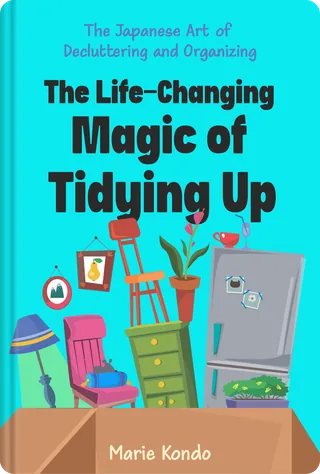
19The Life-Changing Magic of Tidying Up

The Life-Changing Magic of Tidying Up

Marie Kondo

Transform your home with the KonMari Method by keeping what sparks joy and creating greater clarity, calm, and happiness.

16 min

Who should read The Life-Changing Magic of Tidying Up?

  • Anyone overwhelmed by clutter at home
  • Families wanting a calmer, more organized household
  • People who keep tidying but never stay organized
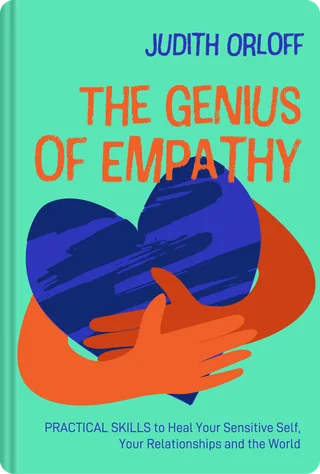
20The Genius of Empathy

The Genius of Empathy

Judith Orloff

Turn empathy into a strength by setting healthy boundaries, preventing emotional exhaustion, and building deeper connections with others.

19 min

Listen to the intro

0:57

What is The Genius of Empathy about?

The Genius of Empathy (2024) shows how empathy can become a source of strength rather than exhaustion. Psychiatrist Judith Orloff explains how to understand others more deeply while setting healthy boundaries, protecting one’s energy, and avoiding emotional burnout. The book offers practical exercises for bringing empathy into relationships, work, and daily life.

Who should read The Genius of Empathy?

  • Sensitive people who feel drained by others' emotions
  • Caregivers and helpers struggling to set healthy boundaries
  • Anyone seeking deeper, more meaningful relationships at work and home

Related topics

Questions about Compassion

What is a good book to start with on compassion?

Self-Compassion is a gentle starting point because it shows how to replace harsh self-criticism with kindness that eases anxiety and builds resilience. If you want to begin with how you treat others, The Genius of Empathy explains how to care deeply without becoming emotionally drained.

What will I learn from compassion books?

You will learn how to face difficult emotions calmly, how to listen with empathy, and how to turn conflict into understanding. Titles such as Habits of a Peacemaker and Say What You Mean offer clear, step-by-step methods for speaking honestly while staying kind.

Who are these summaries for?

They suit anyone who feels worn out by caring for others, struggles with self-blame, or wants calmer relationships at home and at work. Readers seeking comfort in faith and patience will also find value in Don't be Sad and The Name of God is Mercy.

Get the key ideas from the world's best books in about 15 minutes

Free account · One free summary every day