Get started

Topic

The best 24 Psychological summaries

Psychological fiction explores what happens inside people: guilt, loneliness, ambition, fear and the search for identity, themes that speak to any reader trying to understand themselves and others in a fast-changing region. The novels here range from ancient epics and nineteenth-century classics to modern literary fiction and dystopias, from Crime and Punishment and The Stranger to Kafka on the Shore and Nineteen Eighty-Four. Reading them helps you recognise the motives behind human choices, think more carefully about conscience and freedom, and bring deeper empathy into your relationships and decisions.

1Lord of the Flies

Lord of the Flies

William Golding

Witness civilisation unravel as stranded schoolboys confront power, fear, and the fragile boundary between order and savagery.

14 min

Listen to the intro

1:03

What is Lord of the Flies about?

Lord of the Flies (1954) tells the story of a group of British schoolboys stranded on a deserted island after a plane crash. At first they try to organise themselves with rules and a leader, but fear, rivalry, and the desire for power slowly tear their small society apart. William Golding’s classic novel is a powerful exploration of human nature, order, and the fragile line between civilisation and savagery.

Who should read Lord of the Flies?

  • Readers curious about what drives human nature under pressure
  • Leaders interested in how groups form and fall apart
  • Students of classic literature exploring power and morality
2Diary of a Wimpy Kid

Diary of a Wimpy Kid

Jeff Kinney

Laugh through the awkward realities of growing up as a middle schooler navigates friendship, family, and everyday mishaps.

9 min

Listen to the intro

0:57

What is Diary of a Wimpy Kid about?

Diary of a Wimpy Kid (2007) is the illustrated journal of Greg Heffley, a middle schooler trying to survive a new school year. Greg deals with a bossy older brother, school embarrassments, and a friendship with his loyal friend Rowley that is tested along the way. Jeff Kinney’s funny mix of text and cartoons made the book a global hit and the start of a bestselling series.

Who should read Diary of a Wimpy Kid?

  • Middle schoolers navigating friendship and school ups and downs
  • Parents curious about their preteen's everyday world
  • Reluctant young readers who enjoy cartoons and humor
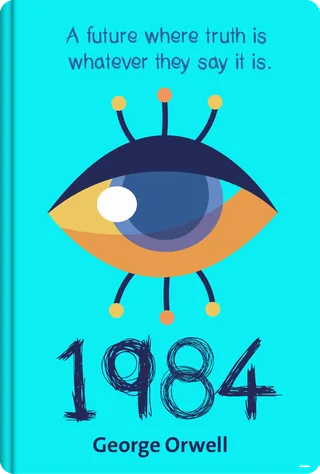
3Nineteen Eighty-Four (1984)

Nineteen Eighty-Four (1984)

George Orwell

Enter a regime that controls truth, history, and thought, revealing how unchecked power can erase freedom and humanity.

15 min

Listen to the intro

1:17

What is Nineteen Eighty-Four (1984) about?

Nineteen Eighty-Four (1984), first published in 1949, imagines a future society ruled by a total dictatorship led by the mysterious Big Brother. Winston Smith works at the Ministry of Truth rewriting history, while the Party watches every citizen and controls even language and thought. George Orwell’s classic novel is a powerful warning about surveillance, propaganda, and the loss of truth and freedom.

Who should read Nineteen Eighty-Four (1984)?

  • Readers who want to experience a defining literary classic
  • Anyone curious how propaganda and surveillance shape public thinking
  • Students exploring the link between language, truth and power
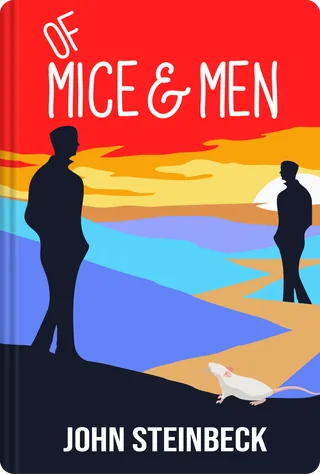
4Of Mice and Men

Of Mice and Men

John Steinbeck

Follow two migrant workers whose friendship and fragile dream of freedom confront loneliness, hardship, and the painful cost of hope.

20 min

Listen to the intro

1:17

What is Of Mice and Men about?

Of Mice and Men (1937) tells the story of George and Lennie, two poor farm workers who travel together through California during the Great Depression, dreaming of one day owning a small farm of their own. George is quick and practical, while Lennie is strong but childlike. John Steinbeck’s short and powerful novel explores friendship, loneliness, and the fragile hopes of ordinary people, and ends in heartbreak.

Who should read Of Mice and Men?

  • Readers who love short, powerful classic novels
  • Anyone curious about life during the Great Depression
  • Students exploring themes of friendship, loneliness and hope
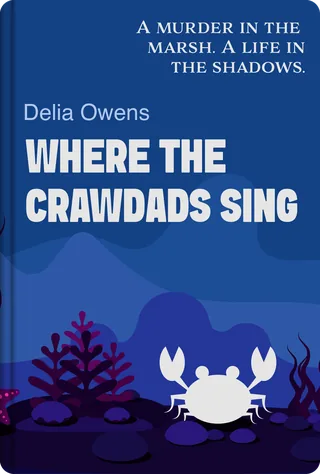
5Where the Crawdads Sing

Where the Crawdads Sing

Delia Owens

Follow an abandoned girl surviving alone in the marshes as mystery, heartbreak, and nature shape her search for belonging.

15 min

Listen to the intro

2:21

What is Where the Crawdads Sing about?

Where the Crawdads Sing (2018) follows Kya Clark, a girl abandoned by her family who grows up alone in the marshes of the North Carolina coast. Known in town as the Marsh Girl, she teaches herself to survive and becomes a gifted naturalist, until she is accused of a local man’s death in 1969. Delia Owens combines a coming-of-age story, a courtroom mystery, and vivid descriptions of the natural world.

Who should read Where the Crawdads Sing?

  • Fans of coming-of-age stories with courtroom suspense
  • Nature lovers fascinated by marshes and wildlife
  • Anyone who has felt lonely or out of place
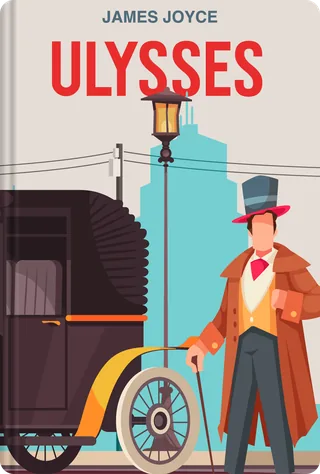
6Ulysses

Ulysses

James Joyce

Journey through one day in Dublin as ordinary lives become an epic exploration of identity, love, faith, and the human mind.

24 min

Listen to the intro

1:24

What is Ulysses about?

Ulysses (1922) follows ordinary people through a single day in Dublin, 16 June 1904, mainly the advertising salesman Leopold Bloom and the young writer Stephen Dedalus. James Joyce loosely models their journeys on Homer’s Odyssey and uses techniques such as stream of consciousness to capture their thoughts. Famous for its difficulty and inventiveness, the novel is considered one of the most important works of modern literature.

Who should read Ulysses?

  • Readers curious about modernist literature but daunted by Joyce
  • Writers exploring stream of consciousness and narrative experimentation
  • Students comparing classic epics like Homer's Odyssey with modern retellings
7The Iliad

The Iliad

Homer

Enter the Trojan War through Achilles’s fury, where honour, fate, pride, and loss reveal both the glory and tragedy of conflict.

20 min

Listen to the intro

1:09

What is The Iliad about?

The Iliad (c. 8th century BCE) is an ancient Greek epic poem set during the final weeks of the Trojan War. It centres on the anger of the hero Achilles after a quarrel with King Agamemnon, and follows the tragic consequences for both Greeks and Trojans, including the fall of the Trojan prince Hector. The poem explores honour, pride, grief, and mortality, and is one of the founding works of Western literature.

Who should read The Iliad?

  • Readers curious about the roots of Western literature
  • Anyone drawn to timeless stories of honor and pride
  • Leaders reflecting on how anger and pride fuel conflict
8Strangers

Strangers

Taichi Yamada

Follow a lonely man haunted by love, loss, and mysterious figures from his past as memory and reality begin to blur.

20 min

Listen to the intro

1:17

What is Strangers about?

Strangers (1987) is a haunting novel about Harada, a lonely, recently divorced television scriptwriter in Tokyo. One evening he meets a couple who look exactly like his parents, who died when he was twelve, and he begins visiting them regularly even as his health mysteriously declines. The novel explores grief, loneliness, memory, and the longing to reconnect with loved ones.

Who should read Strangers?

  • Readers drawn to quiet, haunting Japanese literary fiction
  • Anyone grieving a parent or longing for lost loved ones
  • Writers exploring how memory and loneliness shape a life
9Dune

Dune

Frank Herbert

Enter a brutal desert world where Paul Atreides confronts power, faith, and destiny as rival forces battle for its most valuable resource.

18 min

Listen to the intro

1:48

What is Dune about?

Dune (1965) is a science fiction novel set on Arrakis, a harsh desert planet that is the only source of a valuable substance called spice. After his family is betrayed, young Paul Atreides flees into the desert and joins its native people, the Fremen, as rival powers fight for control of the planet. The novel explores power, politics, religion, ecology, and destiny, and is one of the best-selling science fiction books ever written.

Who should read Dune?

  • Science fiction fans seeking a timeless epic
  • Readers curious about power, politics, and resource conflicts
  • Anyone drawn to desert worlds and survival stories
10In the Country of Men

In the Country of Men

Hisham Matar

See a harsh regime through a child’s eyes as fear and political pressure reshape family, love, and loyalty.

12 min

Listen to the intro

0:55

What is In the Country of Men about?

In the Country of Men (2006) is Hisham Matar’s debut novel, set in Tripoli in 1979. Nine-year-old Suleiman watches his family live in fear as his father becomes involved in opposition to the regime and people around them begin to disappear. Told through a child’s eyes, the novel explores loyalty, betrayal, and the effects of fear on family life, and was shortlisted for the Booker Prize.

Who should read In the Country of Men?

  • Readers who enjoy literary novels told by children
  • Anyone exploring how fear shapes family bonds and loyalty
  • Readers interested in modern Libyan and Arab literature
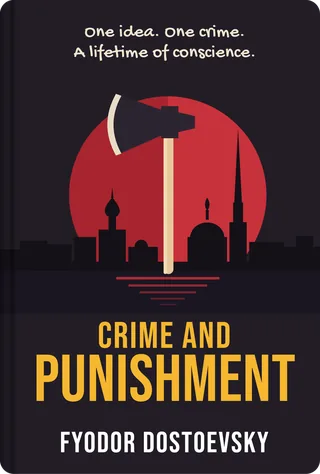
11Crime and Punishment

Crime and Punishment

Fyodor Dostoevsky

Follow a brilliant, desperate student who convinces himself that murder can be justified, and discover the punishment no court can impose.

21 min

What is Crime and Punishment about?

Crime and Punishment (1866) follows Rodion Raskolnikov, a poor former law student in Saint Petersburg who kills an old pawnbroker to prove his theory that extraordinary people may step over moral lines. What follows is not a hunt for the killer but a gripping psychological journey through guilt, fever and fear, as a shrewd investigator closes in and a self-sacrificing young woman named Sonia leads him toward confession and redemption. Fyodor Dostoevsky's masterpiece remains one of the most influential novels ever written.

Who should read Crime and Punishment?

  • Readers drawn to the psychology of guilt and conscience
  • Students of classic world literature and Russian novels
  • Anyone questioning whether noble ends justify wrong means
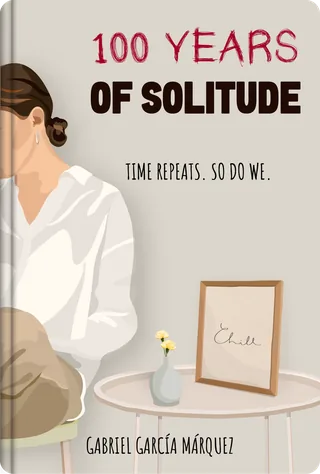
12One Hundred Years of Solitude

One Hundred Years of Solitude

Gabriel García Márquez

Enter Macondo, where the Buendía family faces generations of love, loss, magic, and an inescapable cycle of solitude.

18 min

Listen to the intro

1:04

What is One Hundred Years of Solitude about?

One Hundred Years of Solitude (1967) tells the story of seven generations of the Buendía family in the fictional town of Macondo, from its founding to its decline. Gabriel García Márquez blends everyday life with extraordinary events in a style known as magical realism, reflecting the history and politics of Latin America. The novel explores memory, family, time, and solitude, and is considered one of the greatest works of world literature.

Who should read One Hundred Years of Solitude?

  • Readers curious about classics of world literature
  • Anyone drawn to family sagas spanning generations
  • Students exploring Latin American history through fiction
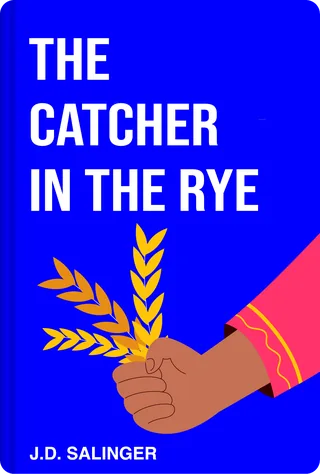
13The Catcher in the Rye

The Catcher in the Rye

J.D. Salinger

Follow a restless teenager through New York as he confronts alienation, lost innocence, and the search for genuine connection.

18 min

Listen to the intro

1:47

What is The Catcher in the Rye about?

The Catcher in the Rye (1951) follows sixteen-year-old Holden Caulfield over a few days in New York City after he is expelled from his boarding school. Wandering the city, Holden struggles with loneliness, grief over his younger brother’s death, and frustration with what he sees as the insincerity of the adult world. J.D. Salinger’s novel captures the confusion of adolescence and the wish to protect childhood innocence.

Who should read The Catcher in the Rye?

  • Parents trying to understand their teenagers' inner struggles
  • Readers curious about classic American literature
  • Anyone who has felt lonely or out of place
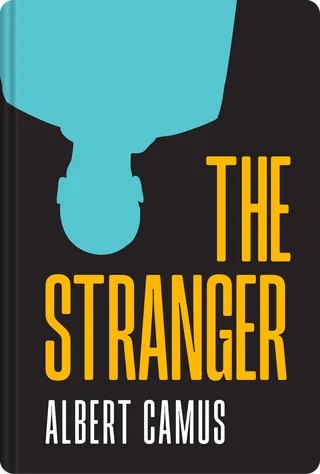
14The Stranger

The Stranger

Albert Camus

Enter the mind of an emotionally detached man whose choices challenge conventional ideas of morality, freedom, and authentic living.

18 min

Listen to the intro

1:35

What is The Stranger about?

The Stranger (1942) is a short novel narrated by Meursault, a French clerk in Algiers who responds to life with striking emotional detachment. After an act of violence on a beach, he is put on trial, and the court seems to judge him as much for his indifference as for his crime. Albert Camus uses the story to explore the absurd, the search for meaning, and society’s expectations of how people should feel.

Who should read The Stranger?

  • Readers curious about classic absurdist literature
  • Students of philosophy exploring questions of meaning and freedom
  • Anyone who questions how society judges people's emotions
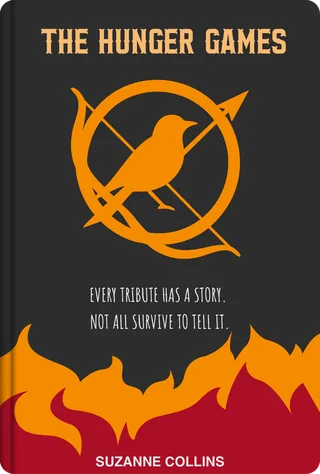
15The Hunger Games

The Hunger Games

Suzanne Collins

Follow a young girl forced into a deadly game who transforms survival into courage, rebellion, and hope against a brutal empire.

17 min

Listen to the intro

1:12

What is The Hunger Games about?

The Hunger Games (2008) is set in Panem, a future nation where the powerful Capitol forces young people from its districts to compete in a deadly televised contest each year. When sixteen-year-old Katniss Everdeen volunteers to take her younger sister’s place, she must rely on her skills, courage, and wits to survive. Suzanne Collins’s novel explores injustice, power, media spectacle, and resistance.

Who should read The Hunger Games?

  • Readers who love gripping dystopian survival stories
  • Teens and young adults drawn to courageous heroines
  • Anyone curious how media and power shape society
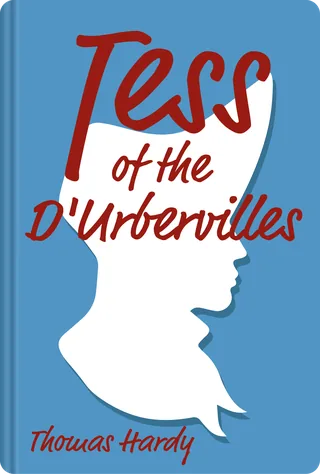
16Tess of the D'Urbervilles

Tess of the D'Urbervilles

Thomas Hardy

Witness a young woman confront injustice, social pressure, and fate as innocence and resilience collide with an unforgiving world.

12 min

Listen to the intro

1:21

What is Tess of the D'Urbervilles about?

Tess of the D'Urbervilles (1891) follows Tess Durbeyfield, a young woman from a poor rural family in England whose father learns that they descend from an old noble family. Sent to seek help from wealthy relatives, Tess suffers deeply at the hands of Alec d’Urberville and later faces rejection from the man she loves. Thomas Hardy’s novel explores injustice, social hypocrisy, and the harsh judgement faced by women in Victorian society.

Who should read Tess of the D'Urbervilles?

  • Readers who love classic English literature and tragedy
  • Students exploring Victorian society and its moral codes
  • Anyone reflecting on injustice, fate and social judgment
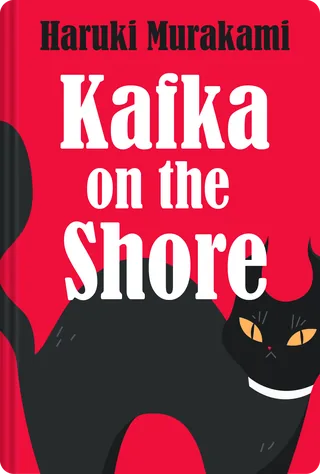
17Kafka on the Shore

Kafka on the Shore

Haruki Murakami

Enter two intertwined lives where mystery, memory, and dreamlike reality shape a haunting search for identity and meaning.

15 min

Listen to the intro

1:46

What is Kafka on the Shore about?

Kafka on the Shore (2002) weaves together two stories. Fifteen-year-old Kafka Tamura runs away from home and finds shelter in a quiet private library, while Nakata, an elderly man who can talk to cats, sets out on a mysterious journey of his own. Haruki Murakami blends realism, dreams, and the supernatural to explore memory, identity, fate, and the search for belonging.

Who should read Kafka on the Shore?

  • Readers drawn to dreamlike, surreal fiction with deep layers
  • Anyone searching for a sense of identity and belonging
  • Fans of literary mysteries that blend reality and imagination
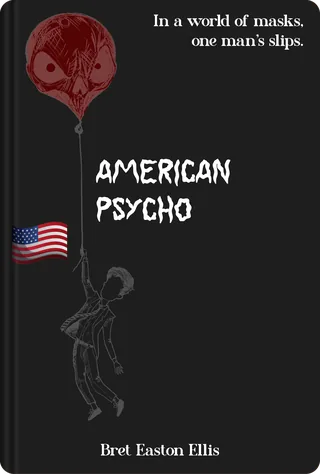
18American Psycho

American Psycho

Bret Easton Ellis

Enter the disturbing mind behind a flawless Wall Street image, where greed, obsession, and appearances conceal a terrifying loss of humanity.

15 min

Listen to the intro

1:33

What is American Psycho about?

American Psycho (1991) is a dark satirical novel about Patrick Bateman, a wealthy young professional living in the highly competitive world of 1980s New York. Behind his polished appearance and obsession with status, brands, and social approval lies a deeply disturbed personality increasingly separated from reality. Through an intentionally unsettling narrator, the novel criticises excessive materialism, moral emptiness, social conformity, and a culture in which outward success can conceal profound inner corruption.

Who should read American Psycho?

  • Readers interested in sharp critiques of materialism
  • Literature students exploring satire and unreliable narrators
  • Anyone questioning a culture obsessed with status and image
19Poor Things

Poor Things

Alasdair Gray

Follow Bella Baxter as she defies the men controlling her story and claims the freedom to define her identity and write her own life.

19 min

Listen to the intro

1:49

What is Poor Things about?

Poor Things (1992) follows Bella Baxter, a woman given a new opportunity to experience life through the unusual work of an eccentric scientist. As Bella learns about the world, she develops an independent mind and begins challenging the people and institutions that attempt to define her future. Combining fantasy, social satire, and philosophical questions, the novel examines freedom, education, identity, inequality, and the right of every person to shape their own life.

Who should read Poor Things?

  • Readers who enjoy satire blended with fantasy and philosophy
  • Anyone reflecting on freedom, identity and shaping one's own path
  • Literature students interested in novels that critique social inequality
20Brave New World

Brave New World

Aldous Huxley

Enter a perfected future where manufactured happiness replaces freedom, love, and individuality, revealing the human cost of comfort and control.

19 min

Listen to the intro

2:08

What is Brave New World about?

Brave New World (1932) imagines a future World State where people are produced in laboratories, conditioned from birth to accept their social class, and kept content through comfort and constant distraction. When an outsider raised far from this society arrives, he challenges its values and exposes what has been lost. Aldous Huxley’s novel explores freedom, individuality, and the dangers of sacrificing human dignity for stability.

Who should read Brave New World?

  • Readers curious about classic dystopian fiction and its warnings
  • Anyone weighing the trade-off between comfort and freedom
  • Students exploring how technology and control shape society

Related topics

Questions about Psychological

What is a good book to start with on psychological fiction?

Crime and Punishment is a strong starting point, following a student who justifies a terrible act and then faces the torment of his own conscience. For a shorter, more modern read, The Catcher in the Rye offers a close look at a restless teenager's inner world.

What will I learn from psychological fiction books?

You will see how fear, pride, guilt and longing shape the choices people make, and how society and power press on the individual mind. Novels like Lord of the Flies and Brave New World show how fragile order and freedom can be when human nature is tested.

Who are these summaries for?

They suit readers who enjoy literature but have limited time, students preparing for discussions of classic novels, and anyone curious about human behaviour. Each summary captures the story and its central ideas so you can decide which novels to read in full.

Get the key ideas from the world's best books in about 15 minutes

Free account · One free summary every day