Get started

Topic

The best 34 Existentialism summaries

Existentialism asks how we find meaning, act freely and take responsibility in a world that does not hand us ready answers, questions that feel close to home for readers in a region living through rapid change and shifting ideas about identity and tradition. The collection brings together philosophical works such as Thus Spoke Zarathustra, Either/Or and The Ethics of Ambiguity alongside novels like The Stranger and Of Mice and Men, with related reflections on time, the self and consciousness. Readers can use these ideas to think more clearly about their own choices, weigh freedom against duty, and spend their limited time on what they truly value.

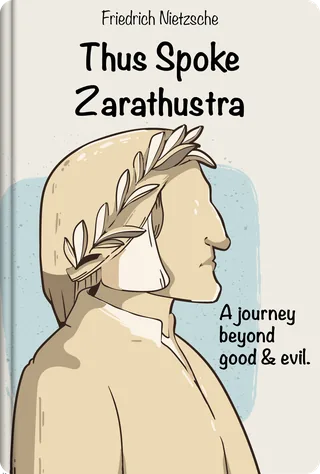
1Thus Spoke Zarathustra

Thus Spoke Zarathustra

Friedrich Nietzsche

Break free from conformity and inherited morality through a radical journey of self-overcoming, identity, and human potential.

17 min

Listen to the intro

1:44

What is Thus Spoke Zarathustra about?

Thus Spoke Zarathustra (1883) is a philosophical work that follows Zarathustra as he leaves his solitude to share his insights about human growth, purpose, and the courage to live authentically. Through symbolic stories, speeches, and poetic reflections, Friedrich Nietzsche encourages readers to question inherited assumptions, overcome inner limitations, and take responsibility for shaping their character. The book explores self-mastery, personal transformation, resilience, and the challenge of creating a meaningful life guided by conviction rather than social approval.

Who should read Thus Spoke Zarathustra?

  • Philosophy students exploring influential ideas in modern thought
  • Readers seeking self-discipline and personal growth through reflection
  • Anyone who values conviction over seeking others' approval
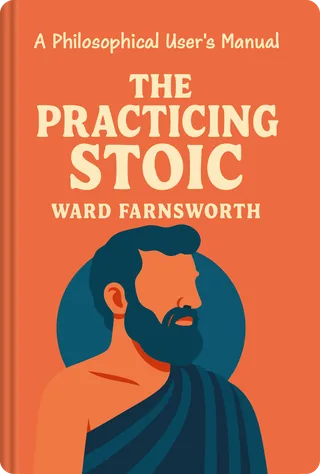
2The Practicing Stoic

The Practicing Stoic

Ward Farnsworth

Apply Stoic wisdom to manage stress and desire with greater calm, resilience, and strength of character.

18 min

Listen to the intro

1:15

What is The Practicing Stoic about?

The Practicing Stoic (2018) is a practical guide to Stoic philosophy built from the words of the great Stoic writers, especially Seneca, Epictetus, and Marcus Aurelius. Ward Farnsworth arranges their ideas by theme, including judgement, desire, emotion, adversity, and the shortness of life, and adds clear commentary. The book shows how Stoic wisdom can help readers stay calm, think clearly, and face challenges with strength.

Who should read The Practicing Stoic?

  • Anyone seeking calm amid stress and daily pressures
  • Readers curious about Seneca, Epictetus and Marcus Aurelius
  • Leaders who want steadier judgment in hard times
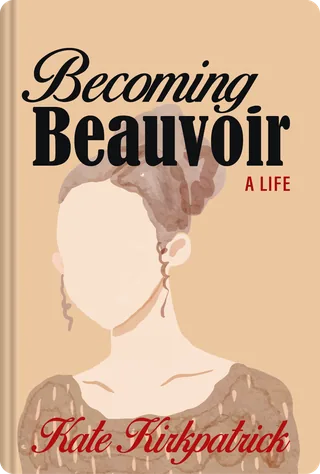
3Becoming Beauvoir

Becoming Beauvoir

Kate Kirkpatrick

Trace Simone de Beauvoir’s evolution as a philosopher and feminist, and see how her life shaped her groundbreaking ideas on freedom, identity, and women’s liberation.

19 min

Listen to the intro

1:09

What is Becoming Beauvoir about?

Becoming Beauvoir (2019) is a biography of Simone de Beauvoir that challenges the common view of her as a follower of Jean-Paul Sartre. Drawing on newly available diaries and letters, Kate Kirkpatrick shows Beauvoir as an original philosopher who shaped existentialism and feminism in her own right. The book traces her life, relationships, and ideas, and explores how she became one of the most influential thinkers of the twentieth century.

Who should read Becoming Beauvoir?

  • Students of philosophy curious about existentialism's real origins
  • Readers interested in women's overlooked role in intellectual history
  • Anyone who enjoys biographies of influential twentieth-century thinkers
4The Creative Act

The Creative Act

Rick Rubin

Awaken your natural creativity through 78 insights on awareness, uncertainty, and channelling creative energy into work and life.

19 min

Listen to the intro

1:39

What is The Creative Act about?

The Creative Act (2023) is a reflection on creativity and how anyone can live a more creative life. Drawing on decades of working with artists, Rick Rubin shares short lessons about paying attention, being open to ideas, trusting intuition, experimenting, finishing work, and letting go of fear. The book presents creativity not as a rare gift but as a way of seeing and engaging with the world.

Who should read The Creative Act?

  • Writers, designers and makers stuck in a creative rut
  • Professionals wanting fresh ideas in their everyday work
  • Anyone who believes creativity is a gift they lack
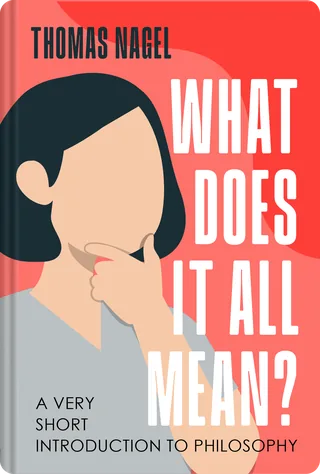
5What Does It All Mean?

What Does It All Mean?

Thomas Nagel

Explore life’s biggest questions with clarity, from reality and morality to free will and meaning, through an accessible introduction requiring no previous knowledge of philosophy.

17 min

Listen to the intro

1:29

What is What Does It All Mean? about?

What Does It All Mean? (1987) introduces the central questions of philosophy in clear language that requires no previous knowledge of the subject. Thomas Nagel explores whether we can truly know anything, how we understand other minds, the relationship between mind and body, free will, morality, justice, death, and the meaning of life. Rather than providing final answers, the book encourages readers to question familiar assumptions, examine competing arguments, and develop their own philosophical thinking.

Who should read What Does It All Mean??

  • Curious readers new to philosophy and its big questions
  • Students wanting a clear, jargon-free introduction to philosophy
  • Anyone who wonders about free will, morality and meaning
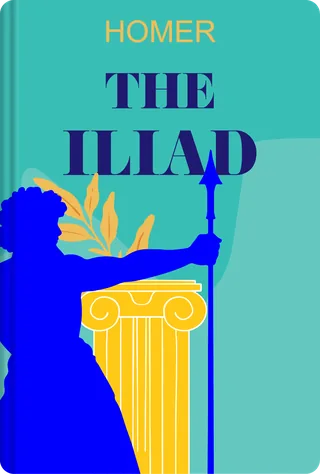
6The Iliad

The Iliad

Homer

Enter the Trojan War through Achilles’s fury, where honour, fate, pride, and loss reveal both the glory and tragedy of conflict.

20 min

Listen to the intro

1:09

What is The Iliad about?

The Iliad (c. 8th century BCE) is an ancient Greek epic poem set during the final weeks of the Trojan War. It centres on the anger of the hero Achilles after a quarrel with King Agamemnon, and follows the tragic consequences for both Greeks and Trojans, including the fall of the Trojan prince Hector. The poem explores honour, pride, grief, and mortality, and is one of the founding works of Western literature.

Who should read The Iliad?

  • Readers curious about the roots of Western literature
  • Anyone drawn to timeless stories of honor and pride
  • Leaders reflecting on how anger and pride fuel conflict
7The Meaning of Life

The Meaning of Life

Terry Eagleton

Explore what makes life meaningful through philosophy, religion, and everyday experience, while rethinking purpose, value, and fulfilment.

15 min

Listen to the intro

1:16

What is The Meaning of Life about?

The Meaning of Life (2007) takes a witty and thoughtful look at one of humanity’s oldest questions. Terry Eagleton asks whether the question itself makes sense, examines how philosophers, writers, and religions have tried to answer it, and considers why modern culture struggles with meaning. He suggests that a meaningful life may be found in love and in the shared flourishing of people living together.

Who should read The Meaning of Life?

  • Thinkers curious about life's biggest philosophical questions
  • Anyone searching for deeper purpose in everyday life
  • Readers exploring how philosophy and religion approach meaning
8Either/Or

Either/Or

Søren Kierkegaard

Confront the choice between pleasure and duty while exploring identity, responsibility, and what it means to live intentionally.

20 min

Listen to the intro

1:23

What is Either/Or about?

Either/Or (1843) explores the different ways people choose to live and the responsibilities that accompany those choices. Through contrasting voices and perspectives, Søren Kierkegaard examines a life centred on immediate experience alongside one guided by commitment, duty, and ethical purpose. The work asks readers to consider whether a meaningful identity can be inherited from society or must be formed through deliberate personal decisions.

Who should read Either/Or?

  • Anyone torn between pleasure and long-term commitment
  • Young adults defining identity beyond social expectations
  • Readers exploring how personal choices shape meaning
9Man’s Search for Meaning

Man’s Search for Meaning

Viktor Frankl

Discover how meaning can sustain the human spirit through unimaginable suffering, and why a sense of purpose may be our deepest source of resilience and hope.

12 min

Listen to the intro

0:57

What is Man’s Search for Meaning about?

Man’s Search for Meaning (1946) recounts Viktor Frankl’s experiences as a prisoner in Nazi concentration camps, including Auschwitz, and what they taught him about survival. Frankl observes that those who held on to a sense of purpose, whether a loved one, unfinished work, or their dignity in suffering, were better able to endure. The book then introduces logotherapy, his approach to psychotherapy, which holds that the search for meaning is the primary force in human life and that meaning can be found even in unavoidable suffering.

Who should read Man’s Search for Meaning?

  • Anyone facing loss, grief or prolonged hardship
  • Readers searching for purpose in their daily lives
  • Counselors and therapists curious about meaning-centered therapy
10Phaedo

Phaedo

Plato

Contemplate the soul, virtue, and mortality through a timeless dialogue that reveals how understanding death can deepen life’s meaning.

11 min

Listen to the intro

1:00

What is Phaedo about?

Phaedo (c. 360 BCE) is a dialogue by Plato set on the last day of Socrates’ life, before his execution in Athens. Surrounded by his friends, Socrates calmly discusses death and offers several arguments for the immortality of the soul. The work explores how a philosopher should live and why wisdom and virtue matter more than bodily pleasures.

Who should read Phaedo?

  • Readers curious about the soul and life after death
  • Students exploring the foundations of Western philosophy
  • Anyone seeking calm and meaning when facing mortality
11The Big Picture

The Big Picture

Sean Carroll

Reconcile science with meaning by exploring how physics, consciousness, morality, and purpose can coexist in one natural worldview.

20 min

Listen to the intro

1:01

What is The Big Picture about?

The Big Picture (2016) presents an ambitious account of how modern science describes the universe, life, consciousness, and humanity’s place within nature. Sean Carroll connects ideas from physics, biology, philosophy, and information theory while distinguishing established knowledge from questions that remain open. The book encourages readers to build a coherent view of reality while continuing to think carefully about meaning, values, responsibility, and the limits of human understanding.

Who should read The Big Picture?

  • Curious readers who want modern physics explained clearly
  • Thinkers exploring how science relates to meaning and values
  • Students drawn to big questions about consciousness and reality
12The Book

The Book

Alan W. Watts

Question the illusion of a separate self and discover deeper peace by recognising your connection to the universe.

16 min

Listen to the intro

1:08

What is The Book about?

The Book (1966) challenges the common feeling that each person is a separate, isolated self facing an outside world. Drawing on Eastern philosophy, especially the Indian tradition of Vedanta, Alan W. Watts argues that people are deeply connected to everything around them. The book invites readers to see themselves as part of a larger whole, and to find greater peace by letting go of anxiety about control.

Who should read The Book?

  • Anyone who feels isolated or disconnected from the world
  • Readers curious about Eastern philosophy and ideas of selfhood
  • People struggling with anxiety about control and outcomes
13The Wretched of the Earth

The Wretched of the Earth

Frantz Fanon

Confront the psychological and political violence of colonialism and explore Fanon’s radical vision of liberation, dignity, justice, and human renewal.

21 min

Listen to the intro

1:22

What is The Wretched of the Earth about?

The Wretched of the Earth (1961) is a powerful analysis of colonialism and its psychological, social, and political effects on colonised peoples. Writing during the Algerian War of Independence, Frantz Fanon defends the struggle for liberation and warns that newly independent nations could be betrayed by self-serving local elites. The book became one of the most influential texts of the anticolonial movements of the twentieth century.

Who should read The Wretched of the Earth?

  • Students of history, politics or postcolonial studies
  • Readers curious about colonialism's lasting psychological effects
  • Anyone questioning how elites shape newly independent nations
14The Ethics of Ambiguity

The Ethics of Ambiguity

Simone de Beauvoir

Embrace uncertainty while exploring how genuine freedom, ethical action, and personal responsibility emerge from life’s most difficult choices.

14 min

Listen to the intro

1:12

What is The Ethics of Ambiguity about?

The Ethics of Ambiguity (1947) develops an existentialist ethics for a world without fixed values handed down from above. Simone de Beauvoir argues that human beings are free but always live in tension, and that true freedom means taking responsibility for our choices while also willing the freedom of others. The book examines different attitudes people adopt to escape freedom and shows why ethics must be lived rather than simply obeyed.

Who should read The Ethics of Ambiguity?

  • Philosophy students exploring existentialism and moral responsibility
  • Anyone wrestling with difficult choices that have no clear answer
  • Thinkers curious how personal freedom connects with responsibility to others
15Become What You Are

Become What You Are

Alan Watts

Shed false identities and reconnect with your authentic self through presence, inner clarity, and spiritual insight.

16 min

Listen to the intro

1:16

What is Become What You Are about?

Become What You Are (1995) brings together essays and reflections on identity, self-awareness, and the difficulty of living naturally in a world filled with social expectations. Alan Watts encourages readers to stop treating life as a constant struggle to become someone else and to understand themselves with greater honesty and acceptance. The book draws on Eastern and Western philosophy to explore freedom, personal authenticity, and the relationship between the individual and the wider world.

Who should read Become What You Are?

  • Anyone feeling pressured to be someone they're not
  • Readers curious about Eastern and Western ideas of self
  • Anyone worn out by constantly striving to become someone else
16On Having No Head

On Having No Head

Douglas Harding

Explore Harding’s “headless” experiments to move beyond the separate self and experience a more spacious, open awareness.

19 min

Listen to the intro

1:37

What is On Having No Head about?

On Having No Head (1961) describes an experience Douglas Harding had while walking in the Himalayas, when he noticed that he could not see his own head, only open space in which the world appeared. From this simple observation, he developed a way of exploring self-awareness and the nature of experience. The book invites readers to test the idea for themselves through simple experiments rather than accepting it on faith.

Who should read On Having No Head?

  • Readers curious about self-awareness and the nature of experience
  • Anyone who prefers testing ideas over accepting them blindly
  • Students of philosophy exploring questions of identity and perception
17Touching the Rock

Touching the Rock

John M. Hull

Experience a moving journey through sight loss, faith, and identity that reveals the quiet strength found in embracing profound change.

19 min

Listen to the intro

1:04

What is Touching the Rock about?

Touching the Rock (1990) is a moving account of the author’s experience of losing his sight in middle age. Drawing on diaries he recorded on audio tape, John M. Hull describes how blindness changed his sense of time, space, memory, relationships, and faith. Rather than presenting blindness only as loss, the book explores it as a different way of being in the world, and later inspired the film Notes on Blindness.

Who should read Touching the Rock?

  • People facing loss of sight in middle age
  • Caregivers and families supporting a loved one through disability
  • Readers seeking faith and meaning amid life-changing hardship
18One Hundred Years of Solitude

One Hundred Years of Solitude

Gabriel García Márquez

Enter Macondo, where the Buendía family faces generations of love, loss, magic, and an inescapable cycle of solitude.

18 min

Listen to the intro

1:04

What is One Hundred Years of Solitude about?

One Hundred Years of Solitude (1967) tells the story of seven generations of the Buendía family in the fictional town of Macondo, from its founding to its decline. Gabriel García Márquez blends everyday life with extraordinary events in a style known as magical realism, reflecting the history and politics of Latin America. The novel explores memory, family, time, and solitude, and is considered one of the greatest works of world literature.

Who should read One Hundred Years of Solitude?

  • Readers curious about classics of world literature
  • Anyone drawn to family sagas spanning generations
  • Students exploring Latin American history through fiction
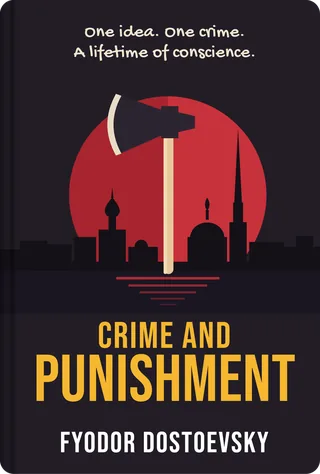
19Crime and Punishment

Crime and Punishment

Fyodor Dostoevsky

Follow a brilliant, desperate student who convinces himself that murder can be justified, and discover the punishment no court can impose.

21 min

What is Crime and Punishment about?

Crime and Punishment (1866) follows Rodion Raskolnikov, a poor former law student in Saint Petersburg who kills an old pawnbroker to prove his theory that extraordinary people may step over moral lines. What follows is not a hunt for the killer but a gripping psychological journey through guilt, fever and fear, as a shrewd investigator closes in and a self-sacrificing young woman named Sonia leads him toward confession and redemption. Fyodor Dostoevsky's masterpiece remains one of the most influential novels ever written.

Who should read Crime and Punishment?

  • Readers drawn to the psychology of guilt and conscience
  • Students of classic world literature and Russian novels
  • Anyone questioning whether noble ends justify wrong means
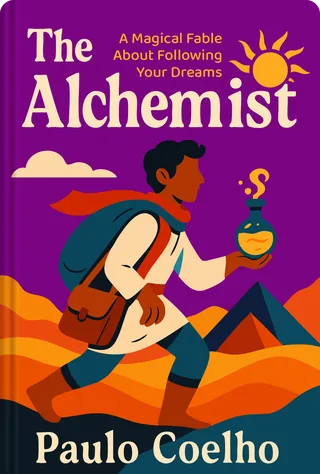
20The Alchemist

The Alchemist

Paulo Coelho

Follow a young shepherd’s journey toward destiny, dreams, and the discovery that life’s greatest treasure may lie within.

19 min

Listen to the intro

1:15

What is The Alchemist about?

The Alchemist (1988) tells the story of Santiago, a young Spanish shepherd who dreams of a treasure and sets out on a journey across the desert to Egypt to find it. Along the way he meets a king, a merchant, a caravan, and a wise alchemist, and learns to follow his heart and pursue his personal legend. Paulo Coelho’s fable has become one of the best-selling books in the world.

Who should read The Alchemist?

  • Dreamers unsure whether to chase a long-held ambition
  • Young people searching for purpose and direction in life
  • Readers who enjoy wise fables with timeless life lessons

Related topics

Questions about Existentialism

What is a good book to start with on existentialism?

The Stranger is an accessible entry point, since its short story raises questions about freedom, morality and authentic living through one man's choices. For a more practical angle, Four Thousand Weeks applies the idea of life's limits to how we use our time each day.

What will I learn from existentialism books?

You will learn how thinkers have approached freedom, responsibility, identity and the search for meaning when certainty is hard to find. Either/Or explores the choice between pleasure and duty, while The Ethics of Ambiguity shows how ethical action can grow out of difficult decisions.

Who are these summaries for?

They suit readers who reflect on the direction of their lives, students of philosophy and literature, and anyone curious about the big questions behind modern thought. Each summary offers the core ideas briefly, so you can judge which works deserve a full reading.

Get the key ideas from the world's best books in about 15 minutes

Free account · One free summary every day