Get started

Topic

The best 64 Life Transitions summaries

Life Transitions gathers books about the turning points that reshape a life, from changing careers and returning to work after raising children to reaching midlife, preparing for retirement, or rebuilding after loss, moments that many readers in the region face as families, economies and expectations shift quickly around them. The collection mixes practical guides on careers, money and simplifying daily life with memoirs of people who met great upheaval with patience and resolve, alongside reflective works on faith, identity and the search for meaning. Readers can use these ideas to face change with a clearer plan, see setbacks as part of growth, and shape the next chapter of their lives around what matters most to them.

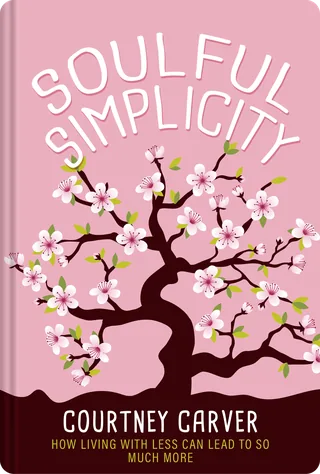
1Soulful Simplicity

Soulful Simplicity

Courtney Carver

Clear the physical and mental clutter to create more space for joy, well-being, and what truly matters.

15 min

Listen to the intro

2:01

What is Soulful Simplicity about?

Soulful Simplicity (2017) tells how Courtney Carver changed her life after a serious health diagnosis by clearing out clutter, paying off debt, and letting go of constant busyness. She shows how owning less and doing less can reduce stress and create more time, energy, and room for the people and activities that matter most. The book offers gentle, practical steps for living a simpler and more meaningful life.

Who should read Soulful Simplicity?

  • Anyone feeling overwhelmed by clutter and constant busyness
  • People struggling with debt who want financial calm
  • Busy parents and professionals craving more time for loved ones
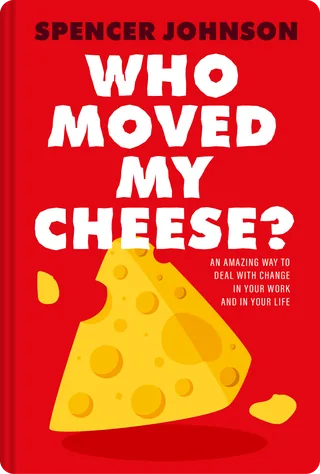
2Who Moved My Cheese?

Who Moved My Cheese?

Spencer Johnson

Adapt to change with less fear and resistance, and move forward with greater curiosity, confidence, and flexibility.

14 min

Listen to the intro

1:44

What is Who Moved My Cheese? about?

Who Moved My Cheese? (1998) is a short parable about dealing with change at work and in life. Spencer Johnson tells the story of two mice and two little people who live in a maze and must react when their supply of cheese disappears. Through their different responses, the book shows how fear and denial hold us back, and how anticipating change, adapting quickly, and enjoying new opportunities lead to success.

Who should read Who Moved My Cheese??

  • Employees facing restructuring, layoffs or a new role
  • Managers leading teams through organizational change
  • Anyone who feels stuck and resists life's changes
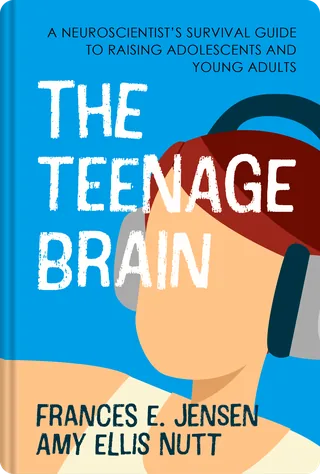
3The Teenage Brain

The Teenage Brain

Frances E. Jensen & Amy Ellis Nutt

Understand the developing teenage brain and support impulsive, emotional adolescents with greater insight, confidence, and connection.

14 min

Listen to the intro

1:41

What is The Teenage Brain about?

The Teenage Brain (2015) explains what science has discovered about the developing brains of teenagers and young adults. Frances E. Jensen & Amy Ellis Nutt show why teens can be highly capable learners yet also impulsive and emotional, and how sleep, stress, technology, and risky behaviours affect the growing brain. The book gives parents and teachers practical guidance for supporting young people through these years.

Who should read The Teenage Brain?

  • Parents raising teenagers who seem impulsive or moody
  • Teachers and school counselors working with adolescents
  • Anyone curious how sleep and technology shape teens
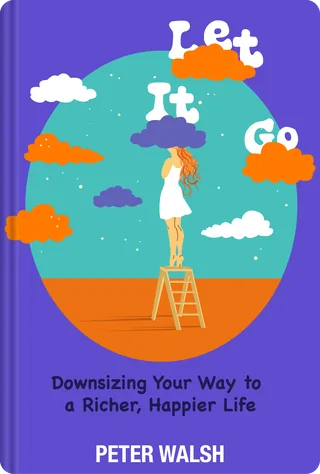
4Let It Go

Let It Go

Peter Walsh

Let go of physical and emotional clutter to create more space for meaningful relationships, new experiences, and greater happiness.

15 min

Listen to the intro

1:50

What is Let It Go about?

Let It Go (2011) helps people who are ready to downsize their homes and simplify their lives, especially during major transitions such as children leaving home or retirement. Peter Walsh offers a practical plan for deciding what to keep, sorting through years of possessions, and dealing with the emotions that attachment to things can bring. The book shows how letting go can lead to a richer, happier life.

Who should read Let It Go?

  • Parents whose children have recently left home
  • Retirees planning to downsize to a smaller home
  • Anyone emotionally attached to years of accumulated possessions
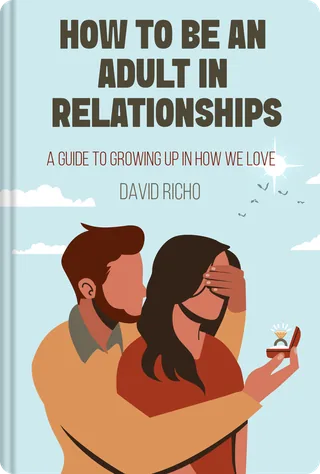
5How to Be an Adult in Relationships

How to Be an Adult in Relationships

David Richo

Build deeper, healthier relationships through five mindful practices that replace fear and control with freedom, acceptance, and love.

17 min

Listen to the intro

1:12

What is How to Be an Adult in Relationships about?

How to Be an Adult in Relationships (2002) explains how emotional maturity makes close relationships healthier and more fulfilling. Drawing on psychology and mindfulness, David Richo describes five key needs he calls the five A’s: attention, acceptance, appreciation, affection, and allowing. The book shows how learning to give and receive these can replace fear and control with trust and genuine connection.

Who should read How to Be an Adult in Relationships?

  • Married couples who want a calmer, more trusting bond
  • Anyone who struggles with fear or the need to control
  • People seeking emotional maturity with family and close friends
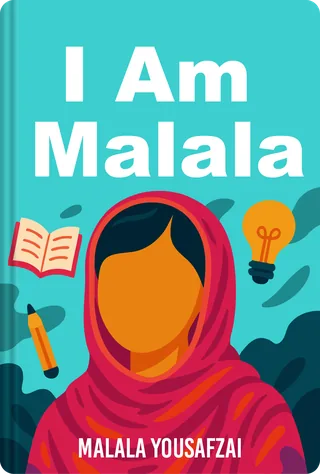
6I Am Malala

I Am Malala

Malala Yousafzai

Follow Malala’s courageous fight for girls’ education and discover how one young voice became a global symbol of resilience, equality, and hope.

19 min

Listen to the intro

1:18

What is I Am Malala about?

I Am Malala (2013) is the story of a girl from Pakistan’s Swat Valley who spoke out for the right of girls to go to school, and was attacked for it at the age of fifteen. Malala Yousafzai describes her family, especially her father, a teacher who supported her voice, her recovery, and her determination to continue her campaign. The book is an inspiring story of courage and the power of education.

Who should read I Am Malala?

  • Parents who want to support their daughters' education
  • Students looking for a true story of courage
  • Teachers who believe education can change lives
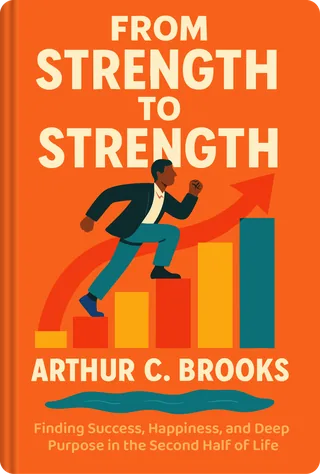
7From Strength to Strength

From Strength to Strength

Arthur C. Brooks

Move beyond ambition and comparison by embracing the strengths that come with age and building fulfilment through meaning, connection, service, faith, and love.

16 min

Listen to the intro

0:46

What is From Strength to Strength about?

From Strength to Strength (2022) addresses a challenge many successful people face: the decline in certain abilities as they grow older. Arthur C. Brooks explains that while fast, innovative thinking often peaks early, the ability to combine knowledge, teach, and share wisdom grows later in life. He shows how to embrace this change and find deeper purpose and happiness in the second half of life.

Who should read From Strength to Strength?

  • Professionals in midlife worried about losing their edge
  • High achievers rethinking success in life's second half
  • Anyone seeking deeper purpose through teaching and mentoring
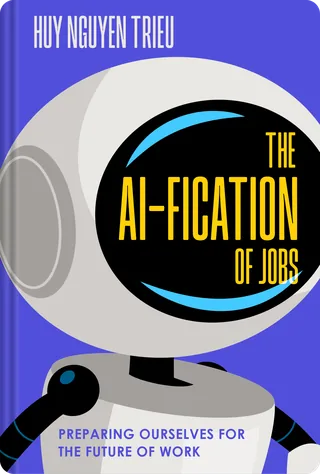
8The AI-fication of Jobs

The AI-fication of Jobs

Huy Nguyen Trieu

Prepare for an AI-driven future by understanding how careers are changing, which skills will matter, and how to adapt and stay ahead.

17 min

Listen to the intro

0:49

What is The AI-fication of Jobs about?

The AI-fication of Jobs (2024) examines how artificial intelligence is changing tasks, professions, and the skills people need to remain effective in the workplace. Huy Nguyen Trieu describes possible outcomes ranging from professionals becoming more productive with AI to the displacement or redesign of certain roles. The book offers a framework for understanding these changes and encourages individuals, organisations, and governments to invest in practical AI knowledge, continuous learning, and responsible adaptation.

Who should read The AI-fication of Jobs?

  • Professionals worried about AI reshaping their careers
  • Leaders preparing their teams for an AI-driven workplace
  • Students choosing skills that will stay relevant
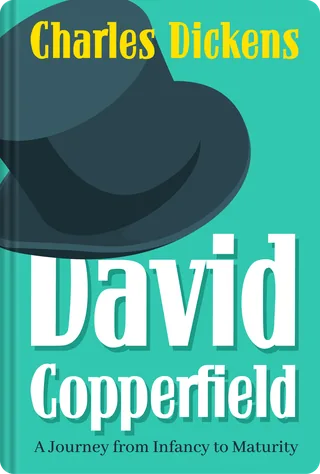
9David Copperfield

David Copperfield

Charles Dickens

Follow a young man’s journey through hardship, fortune, and self-discovery as the people he meets shape the course of his life.

20 min

Listen to the intro

2:05

What is David Copperfield about?

David Copperfield (1850) follows the life of its title character from a difficult childhood, marked by the loss of his parents and harsh treatment, to success as an adult writer. Along the way he meets unforgettable characters, from the kind Peggotty and his eccentric aunt Betsey Trotwood to the scheming Uriah Heep. Charles Dickens’s beloved novel explores hardship, friendship, perseverance, and growing up.

Who should read David Copperfield?

  • Readers who love classic coming-of-age novels
  • Anyone overcoming a difficult childhood or setbacks
  • Aspiring writers seeking inspiration from Dickens's storytelling
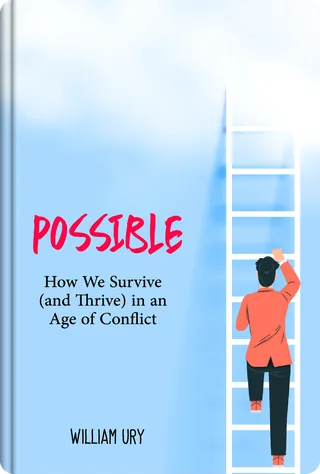
10Possible

Possible

William Ury

Expand your vision of what society can achieve through human potential, systemic change, and optimism grounded in reality.

14 min

Listen to the intro

1:29

What is Possible about?

Possible (2024) shows how to handle conflict constructively in a divided world, from family disagreements to workplace tensions and international crises. William Ury draws on decades of experience as a negotiator to describe three victories: going to the balcony to gain perspective, building a golden bridge for the other side, and engaging the third side, the surrounding community. The book offers practical hope that difficult conflicts can be transformed.

Who should read Possible?

  • Managers handling tense disagreements within their teams
  • Anyone caught in a painful family conflict
  • Mediators and negotiators seeking fresh, practical approaches
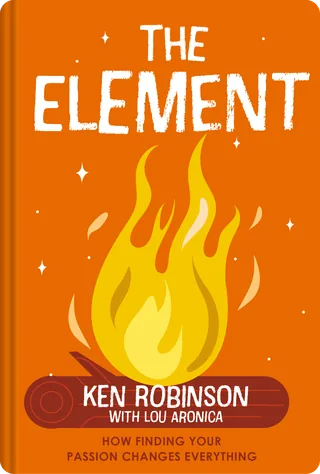
11The Element

The Element

Ken Robinson, with Lou Aronica

Find where your natural talents meet your deepest passions to unlock greater creativity, confidence, purpose, and potential.

19 min

Listen to the intro

1:28

What is The Element about?

The Element (2009) explores what happens when people find their element, the place where natural talent meets personal passion. Ken Robinson shares stories of well-known people who discovered their calling, often after struggling in school, and explains how education systems can overlook creativity and different kinds of intelligence. The book encourages readers of all ages to discover their strengths and pursue what truly inspires them.

Who should read The Element?

  • Anyone searching for work that feels truly meaningful
  • Parents and teachers who want to nurture hidden talents
  • Students who feel school overlooks their real strengths
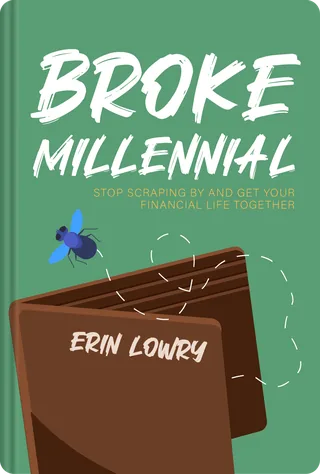
12Broke Millennial

Broke Millennial

Erin Lowry

Take control of your money without shame through practical guidance on debt, credit, relationships, and everyday financial decisions.

16 min

Listen to the intro

1:38

What is Broke Millennial about?

Broke Millennial (2017) is a friendly, practical guide to managing money for young adults. Erin Lowry covers the basics, from budgeting and credit scores to paying off student loans, saving, and talking about money with friends and partners. Written with humour and real stories, the book helps readers move from financial stress to confidence and control.

Who should read Broke Millennial?

  • Young adults starting to manage their own money
  • Graduates struggling with student loans or other debts
  • Anyone who feels anxious or embarrassed about money
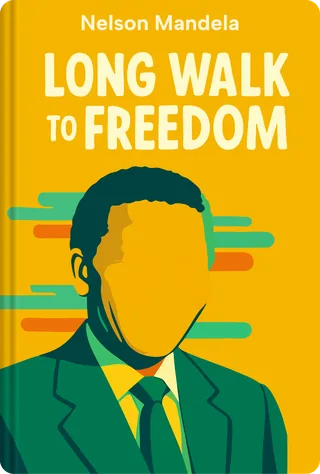
13Long Walk to Freedom

Long Walk to Freedom

Nelson Mandela

Follow Nelson Mandela’s journey from 27 years in prison to South Africa’s presidency, revealing the courage, forgiveness, and resilience behind his fight for freedom.

15 min

Listen to the intro

0:54

What is Long Walk to Freedom about?

Long Walk to Freedom (1994) is the autobiography of Nelson Mandela, who led the struggle against apartheid in South Africa. He describes his childhood, his education and work as a lawyer, his political activism, and his twenty-seven years in prison, followed by his release and election as the country’s first democratically elected president. The book is an inspiring story of courage, perseverance, and reconciliation.

Who should read Long Walk to Freedom?

  • Readers inspired by true stories of courage and perseverance
  • Leaders seeking lessons in forgiveness and reconciliation
  • Anyone interested in South Africa's struggle against apartheid
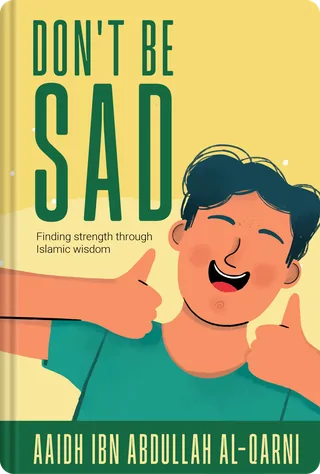
14Don't be Sad

Don't be Sad

Aaidh ibn Abdullah al-Qarni

Find comfort in faith, patience, and hope while releasing worry and trusting that hardship passes but purpose endures.

22 min

Listen to the intro

1:49

What is Don't be Sad about?

Don't be Sad (2002) offers faith-centred guidance for overcoming sadness, anxiety, and discouragement. Drawing on the Quran, Islamic teachings, historical accounts, and practical reflections, the book encourages readers to strengthen their trust in Allah, appreciate the blessings of the present, and face hardship with patience. Its reassuring message emphasises that hope, gratitude, and purposeful action can bring greater peace to everyday life.

Who should read Don't be Sad?

  • Anyone weighed down by worry, sadness, or anxiety
  • Believers seeking comfort through faith and trust in Allah
  • People facing hardship who need hope and patience
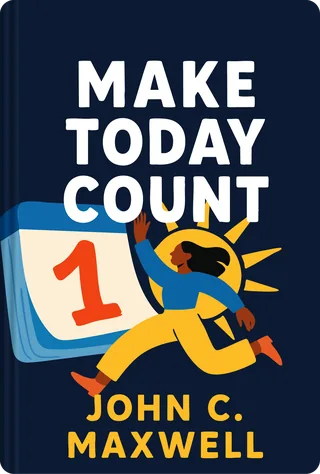
15Make Today Count

Make Today Count

John C. Maxwell

Make each day count through 12 practical habits that strengthen your mindset, clarify priorities, and turn small choices into lasting growth.

19 min

Listen to the intro

1:00

What is Make Today Count about?

Make Today Count (2004) argues that success is built one day at a time through the decisions and habits we practise daily. John C. Maxwell presents twelve daily practices, including a positive attitude, clear priorities, healthy living, family relationships, good thinking, commitment, wise finances, generosity, strong values, and personal growth. The book helps readers turn good intentions into consistent action.

Who should read Make Today Count?

  • Anyone who struggles to turn good intentions into action
  • Professionals juggling work, family and personal priorities each day
  • Young adults building daily habits for long-term success
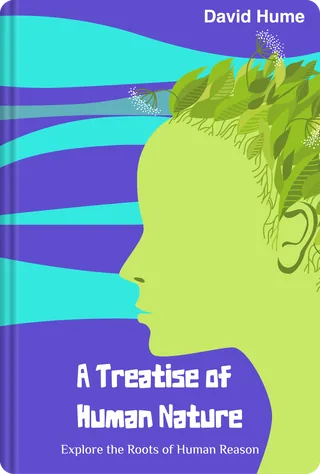
16A Treatise of Human Nature

A Treatise of Human Nature

David Hume

Rethink knowledge, identity, and morality through Hume’s bold view that experience and emotion shape us more deeply than reason alone.

17 min

Listen to the intro

1:35

What is A Treatise of Human Nature about?

A Treatise of Human Nature (1739) is David Hume’s ambitious attempt to build a science of human nature based on experience and observation. Hume examines how we form ideas, why we believe in cause and effect, what makes up the self, and how passions rather than reason drive our actions and moral judgements. Though little noticed at first, the work became one of the most influential books in the history of philosophy.

Who should read A Treatise of Human Nature?

  • Philosophy students exploring the roots of modern thought
  • Readers curious why emotions drive our choices and judgments
  • Anyone questioning how we know what we know
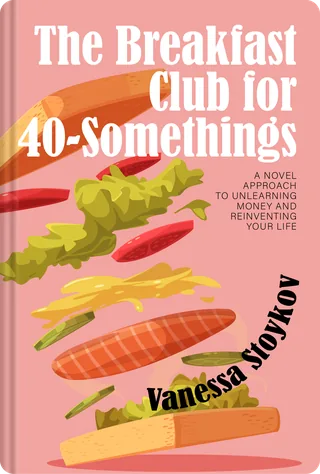
17The Breakfast Club for 40-Somethings

The Breakfast Club for 40-Somethings

Vanessa Stoykov

Navigate the financial pressures of your 40s with smarter choices about family, lifestyle, retirement, and the legacy you want to leave.

13 min

Listen to the intro

1:50

What is The Breakfast Club for 40-Somethings about?

The Breakfast Club for 40-Somethings (2018) uses fictional characters and practical financial lessons to explore the challenges many people face in the middle stages of life. It examines money beliefs, career choices, family responsibilities, personal priorities, and the possibility of changing direction before unhelpful habits become permanent.

Who should read The Breakfast Club for 40-Somethings?

  • People in their 40s feeling growing financial pressure
  • Parents balancing family expenses with retirement savings
  • Anyone wanting to change money habits before it's too late
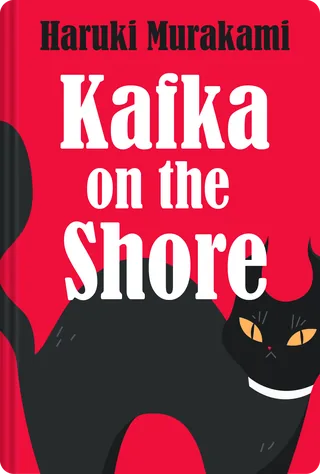
18Kafka on the Shore

Kafka on the Shore

Haruki Murakami

Enter two intertwined lives where mystery, memory, and dreamlike reality shape a haunting search for identity and meaning.

15 min

Listen to the intro

1:46

What is Kafka on the Shore about?

Kafka on the Shore (2002) weaves together two stories. Fifteen-year-old Kafka Tamura runs away from home and finds shelter in a quiet private library, while Nakata, an elderly man who can talk to cats, sets out on a mysterious journey of his own. Haruki Murakami blends realism, dreams, and the supernatural to explore memory, identity, fate, and the search for belonging.

Who should read Kafka on the Shore?

  • Readers drawn to dreamlike, surreal fiction with deep layers
  • Anyone searching for a sense of identity and belonging
  • Fans of literary mysteries that blend reality and imagination
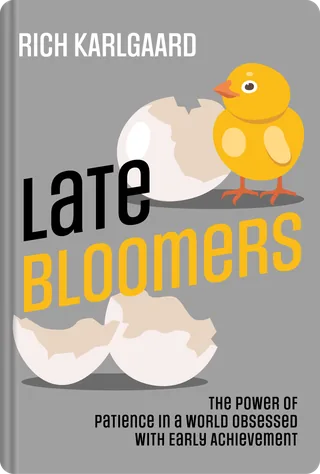
19Late Bloomers

Late Bloomers

Rich Karlgaard

Success has no deadline. Discover how experience, resilience, and perspective can make blooming later in life a richer path.

18 min

Listen to the intro

1:39

What is Late Bloomers about?

Late Bloomers (2019) challenges the modern obsession with early achievement and shows that many people reach their full potential later in life. Rich Karlgaard explains the strengths that often come with age and experience, such as curiosity, compassion, resilience, and wisdom, and shares stories of people who found success after slow or unusual starts. The book encourages readers to follow their own timeline.

Who should read Late Bloomers?

  • Anyone who feels behind their peers in life
  • Professionals considering a career change later in life
  • Parents worried about a child's slow progress
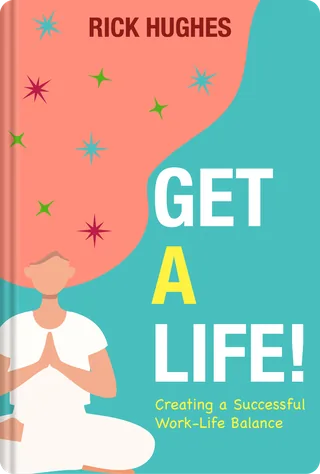
20Get a Life!

Get a Life!

Rick Hughes

Restore work-life balance by setting clear boundaries, managing stress, and aligning your time and energy with what matters most.

14 min

Listen to the intro

0:53

What is Get a Life! about?

Get a Life! (2020) is a practical guide to creating a healthier and more sustainable relationship with work. It helps readers assess how they use their time and energy, establish reasonable boundaries, manage workplace pressure, protect their wellbeing, and give proper attention to life beyond professional responsibilities.

Who should read Get a Life!?

  • Professionals who feel overwhelmed by constant work demands
  • Anyone struggling to switch off after working hours
  • Busy parents juggling careers and family responsibilities

Related topics

Questions about Life Transitions

What is a good book to start with on life transitions?

Late Bloomers is a reassuring starting point, showing that experience and perspective can make success later in life richer rather than harder. If your transition is professional, The Squiggly Career offers a practical way to build a path around your strengths.

What will I learn from life transitions books?

You will learn how to plan for career shifts, financial milestones and retirement, and how to let go of what no longer serves you. Memoirs such as Long Walk to Freedom and I Shall Not Hate also show how people have carried patience, forgiveness and resolve through life's hardest turns.

Who are these summaries for?

They suit anyone standing at a crossroads, whether a graduate choosing a direction, a mother returning to work, a professional rethinking a career, or someone approaching retirement. Each summary offers the core ideas in about fifteen minutes so you can reflect and act without reading the whole book.

Get the key ideas from the world's best books in about 15 minutes

Free account · One free summary every day