Get started

Topic

The best 98 Communication Skills summaries

Communication skills shape how we are heard at work, at home and in the wider community, and in a region where trust, respect and personal relationships carry great weight, speaking and listening well opens doors that qualifications alone cannot. The books here range from practical guides on negotiation, sales and job interviews to studies of body language, small talk, emotional intelligence and clear explanation. Readers can use these ideas to prepare for difficult conversations, present themselves with confidence, give honest feedback kindly and build stronger ties with colleagues, clients and family.

1Agile Selling

Agile Selling

Jill Konrath

Stay ahead in fast-changing markets by learning quickly, adapting to buyer needs, and selling with agility, curiosity, and credibility.

21 min

Listen to the intro

1:24

What is Agile Selling about?

Agile Selling (2014) shows salespeople how to succeed when products, markets, and buyers keep changing. Jill Konrath explains how to learn new information quickly, understand buyers’ real priorities, create value in every conversation, and build a mindset that turns setbacks into progress. The book is especially helpful for people starting a new sales role or selling into unfamiliar markets.

Who should read Agile Selling?

  • Salespeople starting a new role or territory
  • Sellers entering unfamiliar markets or industries
  • Professionals who want to learn and adapt quickly
2The Seven Tensions of Negotiation

The Seven Tensions of Negotiation

Cash Nickerson

Master the competing forces in every negotiation to navigate conflict, build trust, and secure better outcomes with adaptability and emotional intelligence.

17 min

Listen to the intro

1:25

What is The Seven Tensions of Negotiation about?

The Seven Tensions of Negotiation (2024) presents negotiation as a process shaped by seven interconnected tensions involving relationships, power, outcomes, procedures, timing, representatives, and teams. Cash Nickerson explains how remaining calm and allowing pressure to work strategically can improve decisions. The book offers practical guidance for avoiding unnecessary conflict, managing difficult conversations, and achieving stronger agreements.

Who should read The Seven Tensions of Negotiation?

  • Professionals who regularly negotiate deals and contracts
  • Team leaders handling tense conversations and conflicting interests
  • Anyone seeking better outcomes by staying calm under pressure
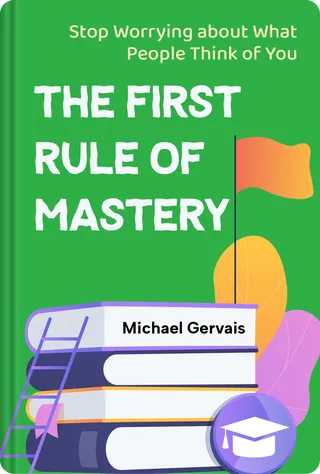
3The First Rule of Mastery

The First Rule of Mastery

Michael Gervais

Break free from others’ opinions, master your mind, and choose purpose over approval to live with greater courage and authenticity.

18 min

Listen to the intro

0:53

What is The First Rule of Mastery about?

The First Rule of Mastery (2023) explores a common barrier to success: the fear of what other people think. Michael Gervais explains how worrying about others’ opinions can make people hold back, play it safe, and lose their authentic voice. Drawing on his work with elite athletes and leaders, he offers practical tools to build self-trust and focus on what really matters.

Who should read The First Rule of Mastery?

  • Professionals who hold back for fear of judgment
  • Leaders and athletes seeking a stronger, steadier mindset
  • Anyone who wants to live by purpose, not approval
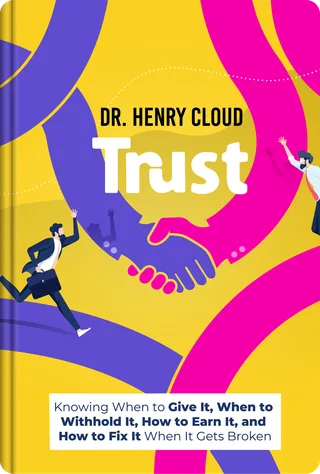
4Trust

Trust

Henry Cloud

Understand how trust is built, broken, and restored to strengthen relationships and lead with greater clarity and confidence.

15 min

Listen to the intro

1:38

What is Trust about?

Trust (2023) explains how to know when to give trust, when to hold it back, how to earn it, and how to repair it when it has been broken. Henry Cloud describes five essential elements of trust: understanding, motive, ability, character, and track record. With examples from work, family, and friendships, the book helps readers build healthier and more reliable relationships.

Who should read Trust?

  • Leaders who want teams that truly rely on them
  • Anyone rebuilding trust after a painful betrayal
  • People unsure whom to trust at work or home
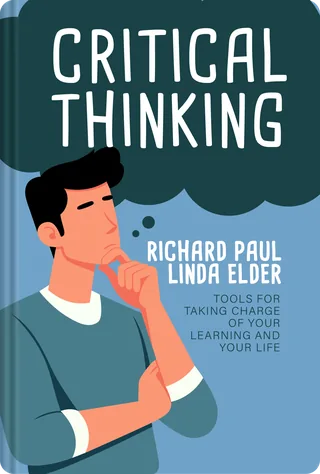
5Critical Thinking

Critical Thinking

Richard Paul and Linda Elder

Elevate your thinking by questioning assumptions, analysing information clearly, and making sharper decisions with greater purpose.

16 min

Listen to the intro

1:46

What is Critical Thinking about?

Critical Thinking (2006) introduces practical tools for examining assumptions, evaluating evidence, asking clear questions, and reaching well-supported conclusions. It encourages readers to recognise bias, consider different viewpoints, and apply consistent intellectual standards to everyday decisions.

Who should read Critical Thinking?

  • Professionals who make important decisions under pressure
  • Students wanting to evaluate arguments and evidence carefully
  • Anyone who wants to spot bias in their thinking
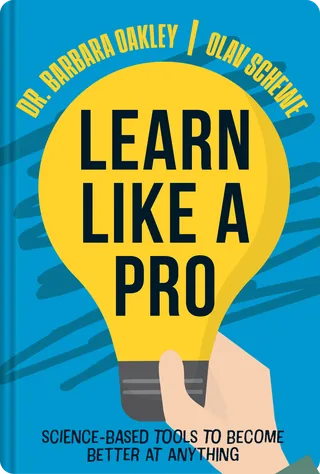
6Learn Like a Pro

Learn Like a Pro

Barbara Oakley and Olav Schewe

Learn more deeply through cognitive science techniques that sharpen practice, strengthen memory, improve study habits, and sustain motivation.

18 min

Listen to the intro

0:59

What is Learn Like a Pro about?

Learn Like a Pro (2021) is a practical guide to learning more effectively, whether for school, work, or personal interest. Barbara Oakley and Olav Schewe explain proven techniques such as active recall, spaced repetition, and avoiding procrastination, along with tips on focus, note-taking, reading, and preparing for tests. The book makes the science of learning easy to understand and apply.

Who should read Learn Like a Pro?

  • Students preparing for exams who want better results
  • Professionals who need to master new skills quickly
  • Anyone who struggles with procrastination or poor focus
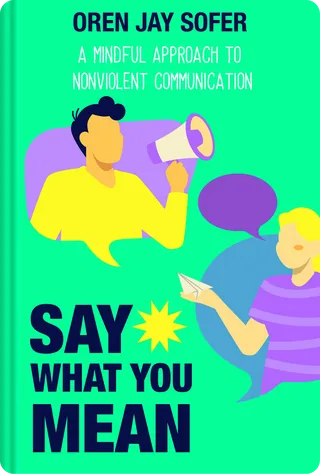
7Say What You Mean

Say What You Mean

Oren Jay Sofer

Transform conflict into collaboration with a three-step method for staying centred, listening empathetically, and speaking honestly.

14 min

Listen to the intro

1:58

What is Say What You Mean about?

Say What You Mean (2018) offers a practical approach to communicating clearly and calmly, especially during conflict. Oren Jay Sofer combines mindfulness with the principles of Nonviolent Communication in three steps: staying present, speaking with curiosity and care, and focusing on what matters most. The book includes exercises that help readers listen more deeply and express themselves honestly.

Who should read Say What You Mean?

  • Anyone who struggles to stay calm during arguments
  • Managers who want to turn team conflict into collaboration
  • Spouses and parents seeking more honest, caring conversations
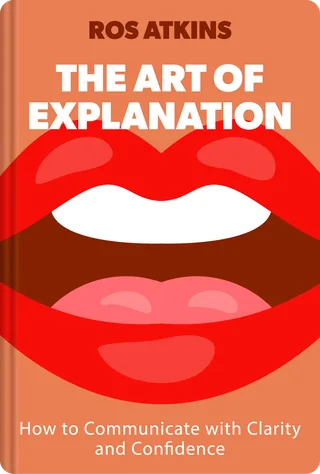
8The Art of Explanation

The Art of Explanation

Ros Atkins

Communicate complex ideas with clarity and impact by structuring information, removing distractions, and delivering messages people understand and remember.

19 min

Listen to the intro

1:16

What is The Art of Explanation about?

The Art of Explanation (2023) teaches how to explain complex information clearly, whether in a presentation, a meeting, an email, or a conversation. Ros Atkins shares the method he developed as a journalist, including identifying your audience, gathering and organising the key facts, cutting what is not needed, and delivering a message that is precise and engaging. The book is a practical guide to clear communication.

Who should read The Art of Explanation?

  • Professionals who present complex ideas in meetings or emails
  • Managers who need their teams to grasp key messages
  • Anyone who struggles to explain things clearly and concisely
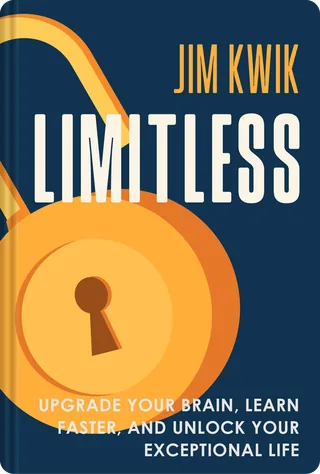
9Limitless

Limitless

Jim Kwik

Unlock greater focus, memory, and mental energy through practical habits and learning techniques that accelerate skills and elevate performance.

20 min

Listen to the intro

0:54

What is Limitless about?

Limitless (2020) offers practical methods for learning faster, remembering more, and unlocking your mental potential. Jim Kwik presents a framework built on three elements: mindset, motivation, and methods. He shares techniques for improving focus, memory, reading speed, and study habits, along with advice on sleep, nutrition, and daily routines that support a healthy brain.

Who should read Limitless?

  • Students who want to study smarter and remember more
  • Professionals who need to learn new skills quickly
  • Anyone who struggles with focus, memory, or mental fatigue
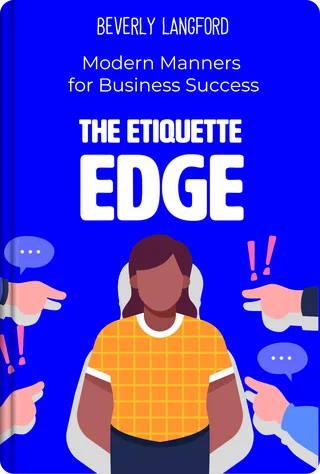
10The Etiquette Edge

The Etiquette Edge

Beverly Langford

Strengthen professional relationships and advance your career through respectful communication, empathy, and confident workplace etiquette.

18 min

Listen to the intro

1:33

What is The Etiquette Edge about?

The Etiquette Edge (2016) explains how professional manners can strengthen credibility, trust, and cooperation in the workplace. Beverly Langford addresses communication, meetings, introductions, technology use, appearance, dining, networking, and interactions across cultures and generations. Rather than treating etiquette as a collection of rigid rules, the book presents it as awareness of how one’s behaviour affects other people and the impression it creates.

Who should read The Etiquette Edge?

  • Early-career professionals building credibility at work
  • Managers who want more respectful, cooperative teams
  • Anyone working across cultures and generations
11How to Enjoy Your Life and Your Job

How to Enjoy Your Life and Your Job

Dale Carnegie

Enjoy life and work more by reducing worry, strengthening relationships, and bringing greater enthusiasm and purpose to each day.

22 min

Listen to the intro

1:15

What is How to Enjoy Your Life and Your Job about?

How to Enjoy Your Life and Your Job (1990) brings together Dale Carnegie’s advice for reducing worry, improving relationships, and finding greater satisfaction in everyday work. It emphasises changing one’s attitude, appreciating other people, managing criticism constructively, and discovering meaning in responsibilities that might otherwise feel repetitive or stressful.

Who should read How to Enjoy Your Life and Your Job?

  • Employees who feel bored by repetitive daily tasks
  • Anyone struggling with constant worry and work stress
  • Professionals who want healthier relationships with colleagues
12The Six Disciplines of Strategic Thinking

The Six Disciplines of Strategic Thinking

Michael D. Watkins

Think strategically by spotting patterns, shaping direction, and moving beyond daily execution to influence the bigger picture with confidence.

16 min

Listen to the intro

1:16

What is The Six Disciplines of Strategic Thinking about?

The Six Disciplines of Strategic Thinking (2024) shows leaders how to develop the ability to think strategically. Michael D. Watkins explains six disciplines: recognising patterns, analysing complex systems, thinking ahead to anticipate others’ moves, solving problems creatively, envisioning possible futures, and making the right strategic choices. The book offers practical exercises to help leaders sharpen these skills.

Who should read The Six Disciplines of Strategic Thinking?

  • Managers ready to move beyond daily execution
  • Leaders who want to sharpen strategic thinking
  • Professionals aiming to anticipate change and shape direction
13Getting COMFY

Getting COMFY

Jordan Gross

Start each day with a five-part morning routine of calmness, openness, movement, laughter and time for yourself, for more energy and less stress.

19 min

Listen to the intro

1:26

What is Getting COMFY about?

Getting COMFY (2018) presents a practical five-part morning routine designed to increase daily happiness and reduce stress. The COMFY method combines Calmness, Openness, Movement, Funny moments, and time for You, encouraging readers to begin each day with greater energy, positivity, and purpose.

Who should read Getting COMFY?

  • People who wake up feeling rushed and stressed
  • Professionals seeking more energy before the workday begins
  • Anyone wanting a simple, positive morning routine
14Negotiation Made Simple

Negotiation Made Simple

John Lowry

Negotiate with confidence using practical steps that solve problems, build trust, and create mutually beneficial outcomes.

13 min

Listen to the intro

1:45

What is Negotiation Made Simple about?

Negotiation Made Simple (2023) provides a clear framework for preparing for negotiations and reaching workable agreements. It explains how to identify interests, understand the other side, create useful options, communicate proposals, and protect important priorities without turning the discussion into an unnecessary confrontation.

Who should read Negotiation Made Simple?

  • Professionals preparing for salary or contract negotiations
  • Managers who want agreements without unnecessary conflict
  • Anyone who finds negotiating stressful or intimidating
15The Education of Millionaires

The Education of Millionaires

Michael Ellsberg

Build success beyond degrees by mastering sales, marketing, networking, self-directed learning, and an entrepreneurial mindset.

15 min

Listen to the intro

1:24

What is The Education of Millionaires about?

The Education of Millionaires (2011) argues that many of the skills needed for success in business and life are not taught in universities. Michael Ellsberg interviews successful entrepreneurs and professionals, many without college degrees, to identify the abilities that helped them thrive, such as sales, marketing, networking, and self-directed learning. The book encourages readers to take charge of their own education.

Who should read The Education of Millionaires?

  • Students questioning whether a degree guarantees career success
  • Aspiring entrepreneurs building skills outside formal education
  • Professionals wanting to sharpen sales, marketing and networking skills
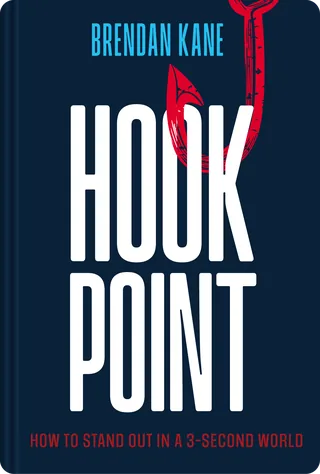
16Hook Point

Hook Point

Brendan Kane

Capture attention in seconds by creating a compelling hook that makes your message, brand, or business impossible to ignore.

18 min

Listen to the intro

1:27

What is Hook Point about?

Hook Point (2020) explains how to capture attention in a world where people scroll past most content in seconds. Brendan Kane describes the hook point, a short and powerful message that makes people stop and take notice, and shows how businesses and individuals can create one. With examples from brands and creators, the book offers practical strategies for standing out online and building an audience.

Who should read Hook Point?

  • Content creators struggling to grow an online audience
  • Marketers who need to grab attention in seconds
  • Entrepreneurs who want their brand to stand out
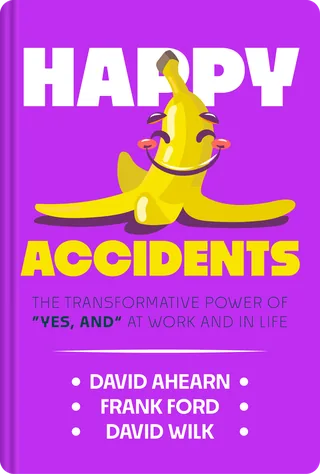
17Happy Accidents

Happy Accidents

David Ahearn, Frank Ford and David Wilk

Apply improv’s “Yes, And” principle to strengthen collaboration, spark creativity, and turn unexpected challenges into opportunities.

14 min

Listen to the intro

1:24

What is Happy Accidents about?

Happy Accidents (2017) shows how the improv comedy principle of “Yes, and” can improve work and everyday life. David Ahearn, Frank Ford, and David Wilk explain how accepting ideas and building on them encourages creativity, collaboration, and a more positive response to the unexpected. The book shows how mistakes and surprises can become happy accidents that lead to new opportunities.

Who should read Happy Accidents?

  • Team leaders who want more open, creative collaboration
  • Professionals who struggle when plans suddenly change
  • Anyone who sees mistakes as failures, not opportunities
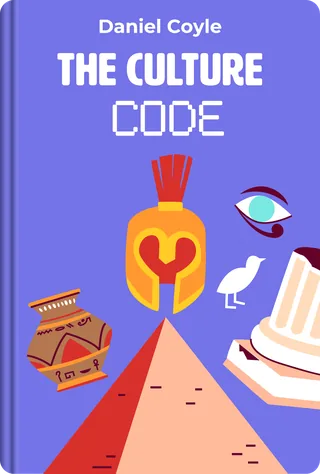
18The Culture Code

The Culture Code

Daniel Coyle

Build an exceptional team through three essential skills: creating safety, sharing vulnerability, and uniting people around a clear purpose.

18 min

Listen to the intro

1:32

What is The Culture Code about?

The Culture Code (2018) explores why some groups become more than the sum of their parts. Daniel Coyle visited successful teams in sports, the military, business, and the arts, and found three key skills: building safety so people feel they belong, sharing vulnerability to build trust, and establishing a clear sense of purpose. The book offers practical ideas for creating strong, cooperative cultures.

Who should read The Culture Code?

  • Managers who want to build trust within their teams
  • Founders shaping the culture of a growing organization
  • Anyone who wants to belong to a stronger team
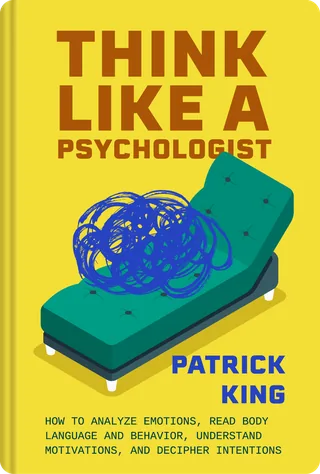
19Think Like a Psychologist

Think Like a Psychologist

Patrick King

Apply psychology to understand hidden motivations, read body language, make sharper decisions, and build stronger relationships.

18 min

Listen to the intro

1:36

What is Think Like a Psychologist about?

Think Like a Psychologist (2019) explores how people form judgements, respond to emotions, and behave in social situations. It introduces practical psychological concepts that can help readers observe behaviour more carefully, recognise common thinking patterns, and communicate with greater understanding without attempting to diagnose others.

Who should read Think Like a Psychologist?

  • Anyone curious about why people act as they do
  • Professionals who want to read colleagues and clients better
  • Readers seeking wiser decisions and stronger, healthier relationships
20A Passion for Leadership

A Passion for Leadership

Robert Gates

Transform slow, broken organisations from within by cutting bureaucracy, empowering people, and leading with clarity and courage.

19 min

Listen to the intro

1:44

What is A Passion for Leadership about?

A Passion for Leadership (2016) shares lessons on reforming large organisations, drawn from Robert Gates’s fifty years of public service. He explains how leaders can bring real change to big institutions by setting a clear vision, building support, listening to people at every level, and treating employees with respect. The practical advice applies to government agencies, universities, and businesses alike.

Who should read A Passion for Leadership?

  • Leaders tasked with reforming large, slow-moving institutions
  • Government officials seeking to cut bureaucracy and red tape
  • Managers who want to drive change through their people

Related topics

Questions about Communication Skills

What is a good book to start with on communication skills?

The Fine Art Of Small Talk is a gentle starting point, with simple techniques for opening, sustaining and closing everyday conversations. For a broader workplace focus, Mastering Communication at Work covers preparation, clear speaking and productive meetings.

What will I learn from communication skills books?

You will learn how to explain ideas clearly, read nonverbal signals and handle tense discussions with calm and empathy. Titles such as Never Split the Difference and What Every BODY is Saying offer concrete techniques for negotiation and for understanding body language.

Who are these summaries for?

They suit students and job seekers preparing for interviews, professionals who lead meetings or sell ideas, and anyone who wants warmer, more honest relationships. The Job-Ready Guide helps those starting their careers, while How to Say Anything to Anyone serves managers and team members who need to give clear feedback.

Get the key ideas from the world's best books in about 15 minutes

Free account · One free summary every day