
You opened your screen-time report on Sunday and it said seven hours a day. Not a bad week, an average one. You are not lazy, and you did not decide to spend a third of your waking life looking at a phone.
Most of us read that number and reach for the same verdict: I have no discipline. It is a comfortable verdict, because it suggests the fix is more willpower, and willpower is free.
But look at how your day actually goes. The phone is next to the coffee after lunch. It is in your hand in the car park before you go in to work. It is the last thing you hold before sleep. None of that is an accident of character. These apps are built by large teams whose job is to keep you there.
That changes the question. Instead of asking why you cannot focus, you can ask what is pulling your attention, and what one small thing you can change this week. Five summaries on Durar answer exactly that, without guilt and without asking you to move to a mountain.
Attention is taken, not lost
When you lose your keys, you misplaced them. When your attention disappears into a feed, something else took it, and that something was designed to.
Seeing it this way is useful, not depressing. A problem of weakness has one solution: try harder. A problem of design has many: change the environment, change the rewards, change what you agree to. You do not need to become a different person. You need to rearrange a few things around the person you already are.
That is why the five summaries below work as a set. Two explain the pull on your brain. One explains the pressure to say yes to everything. One gives a plan for stepping back. One puts the whole thing in the frame of a limited life.
You do not need a retreat, you need one move
The usual advice is dramatic: delete everything, go offline for a month, buy a phone that only makes calls. Most professionals with a job, a family and a study plan cannot do that, and the plan collapses by Thursday.
A smaller move survives a real week. Charge the phone outside the bedroom. Move the three worst apps off your home screen. Say no to one request you would have agreed to out of habit. Each summary below ends in one move like that, small enough to start on Monday morning.
Read them in the order given, or pick the one that sounds like your week. Each summary takes about fifteen minutes, which fits a commute, and you can listen or read.
The short version of why it is hard
If you take only one idea from this list, take this one: your brain is not failing, it is responding normally to an environment that offers constant easy rewards, constant interruptions and constant requests.
Easy rewards pull on the brain's balance of pleasure and discomfort. Interruptions break the long stretches of thought that real work needs. Requests pile up until you have no time left for what matters. Seen this way, the five summaries are not competing advice. They are five views of one problem.
Start with one free summary today
Read today's free summaryDurar gives you a free summary every day, in Arabic or English, to read or listen to in about fifteen minutes.The five summaries, in the order we suggest reading them
Each one explains a different way your attention is pulled away, and what to do about it. Start with the first if you want the why, or jump to the one that matches your week.
 Dopamine NationAnna LembkeYou learn why phones, food, shopping and games, with their steady supply of easy rewards, can leave you anxious and unsatisfied, and how to rebalance your brain's reward system.Listen to the summary →
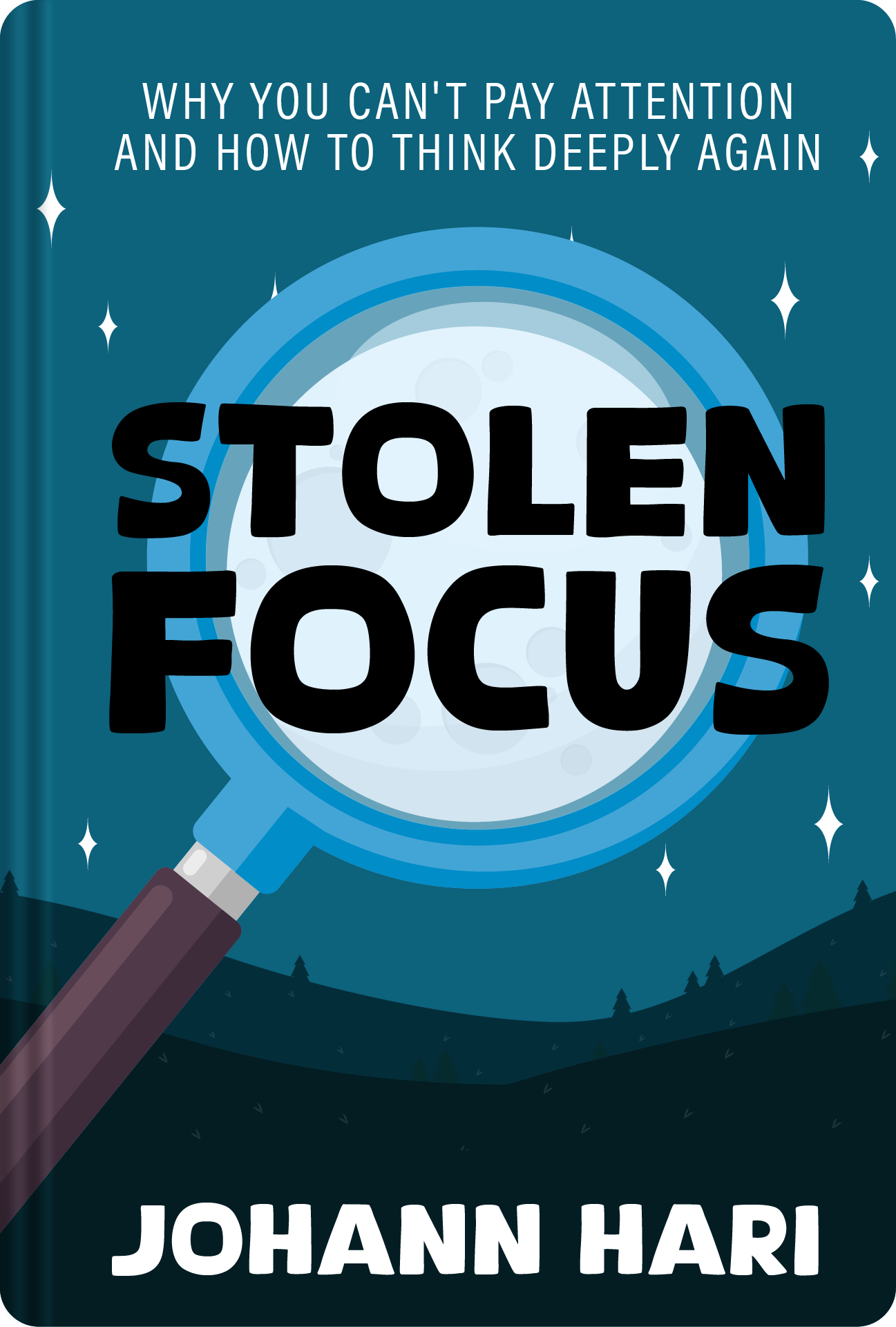 Stolen FocusJohann HariYou learn that struggling to concentrate is not only personal, with causes ranging from constant technology to poor sleep and distraction-driven work cultures, and which individual and collective steps help.Listen to the summary →
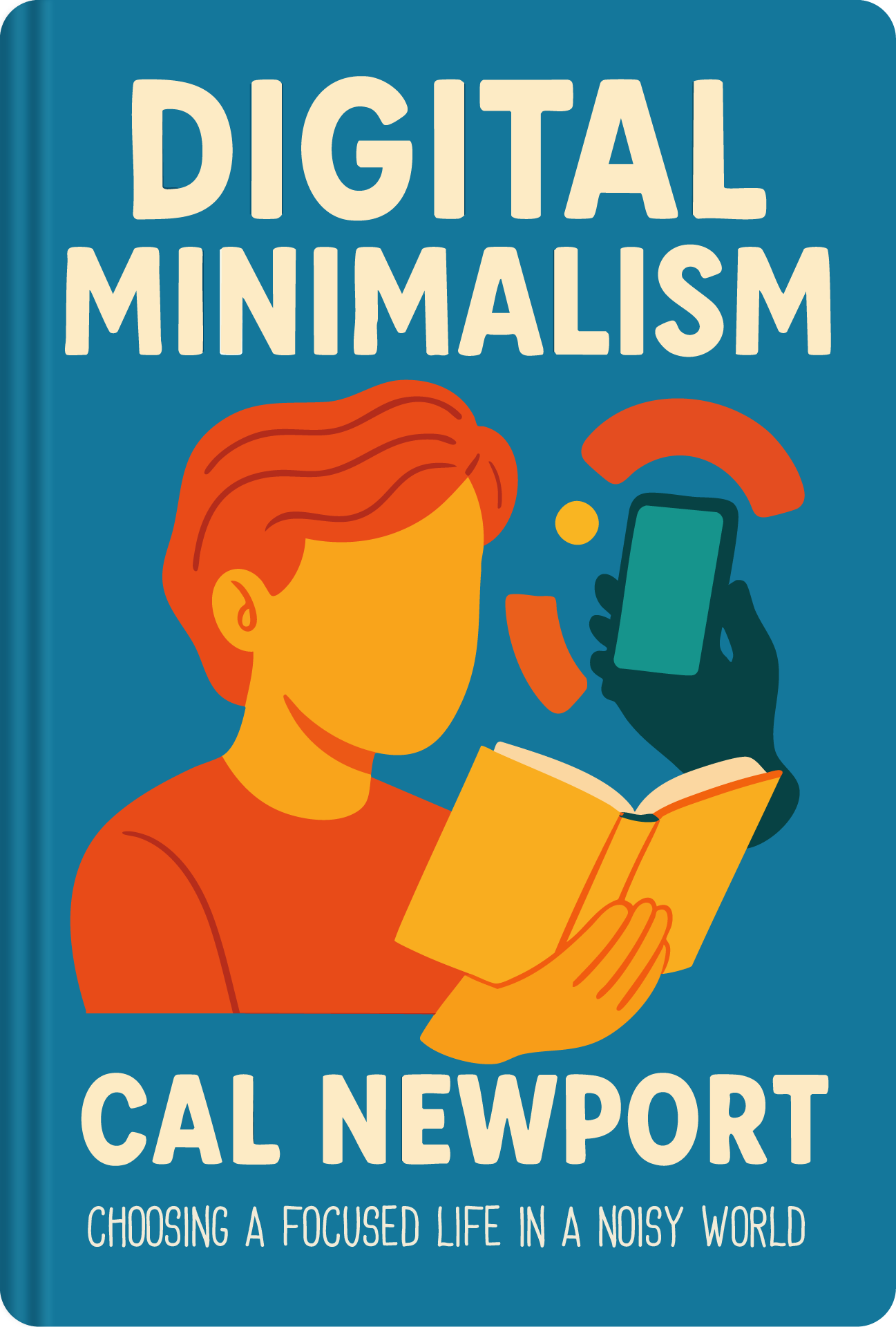 Digital MinimalismCal NewportYou get a thirty-day digital declutter: step away from optional technology, then bring back only the tools that serve your values.Listen to the summary →
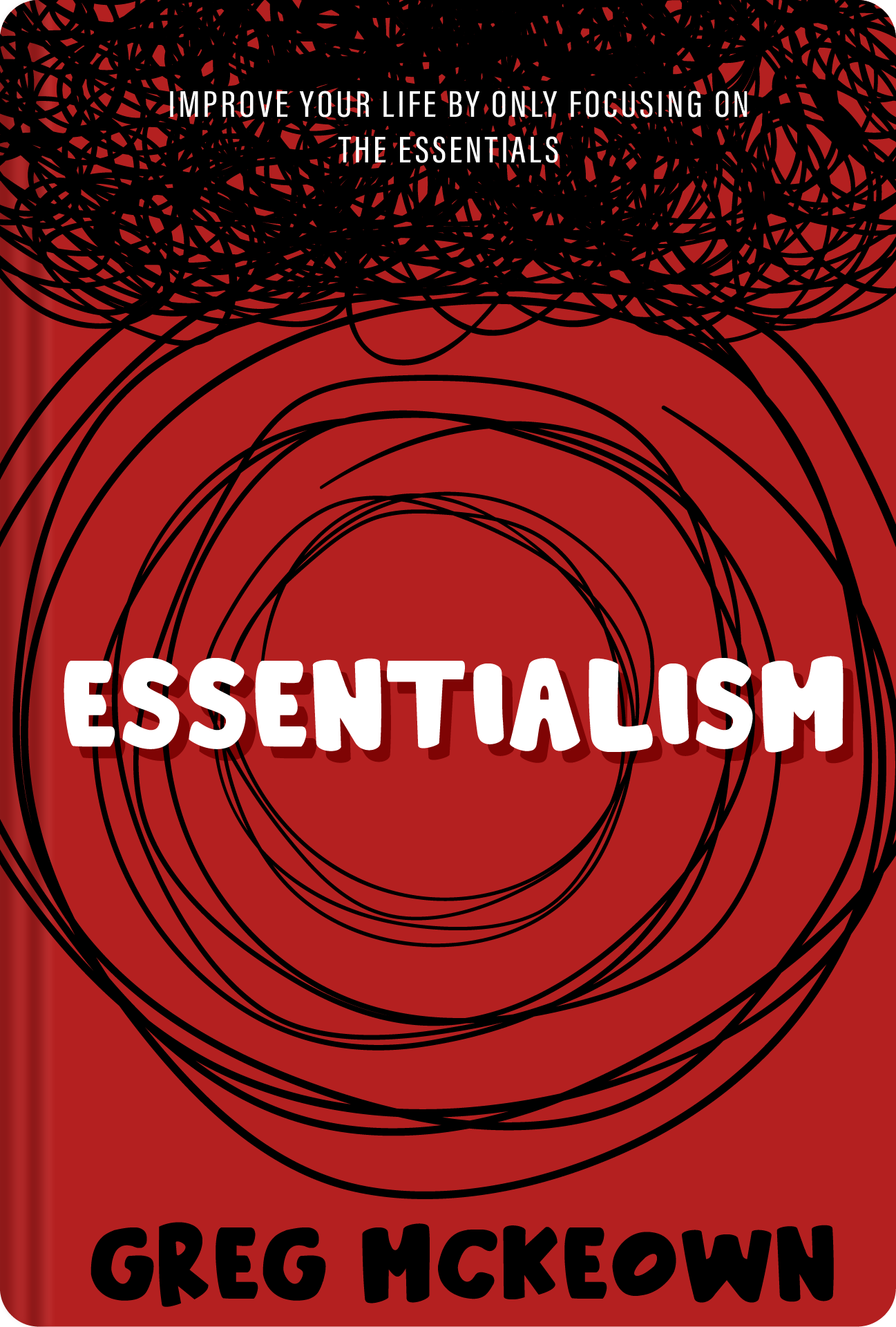 EssentialismGreg McKeownYou learn to stop spreading yourself thin by saying yes to too much, and to do less but better by choosing what is truly essential.Listen to the summary →
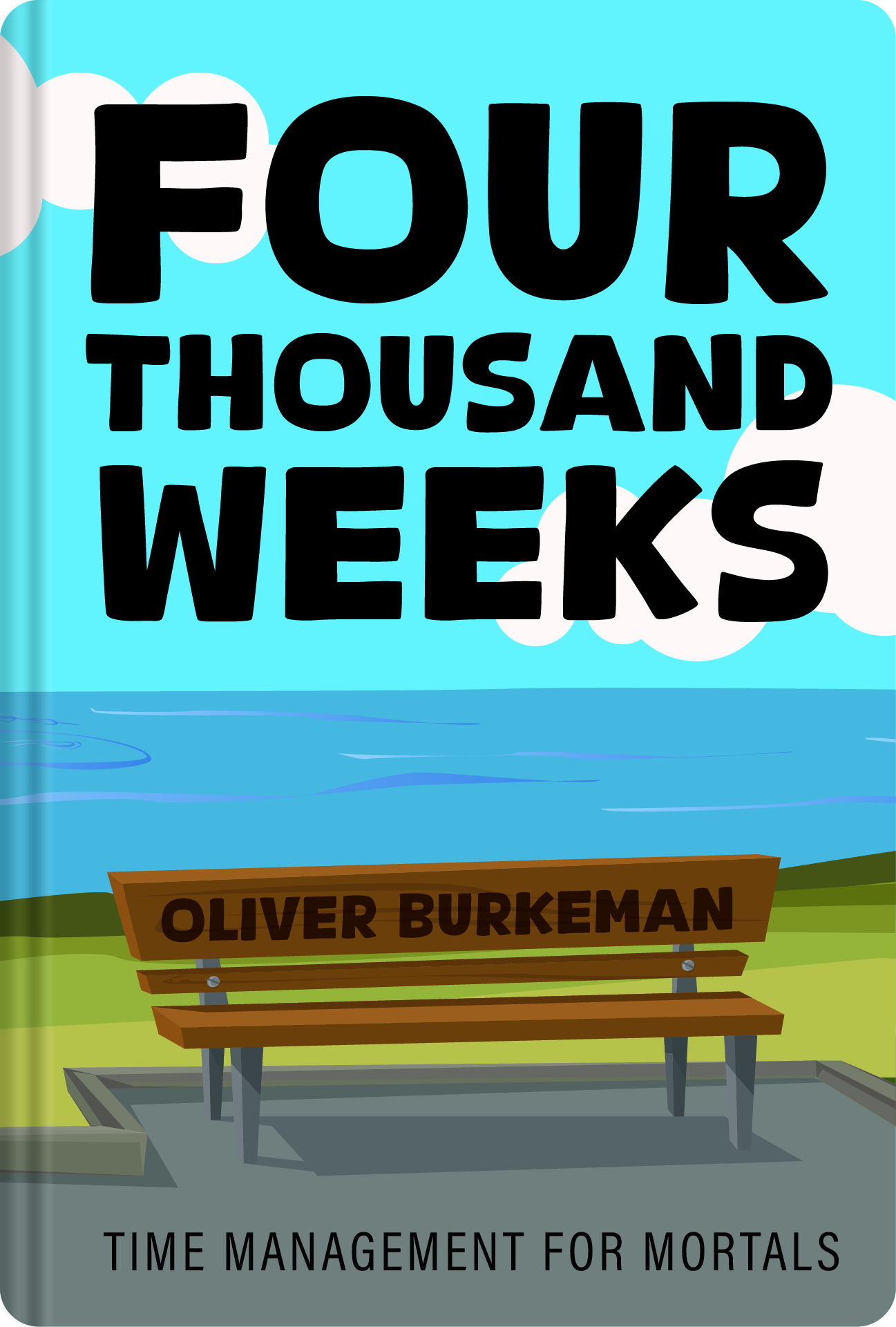 Four Thousand WeeksOliver BurkemanYou see that a human life lasts only about four thousand weeks, and that accepting your limits is a calmer way to choose what deserves your time than chasing every productivity trick.Listen to the summary →
Your week: three small moves
You do not need all five summaries to start. Try these three this week and see how the number in your screen-time report moves.
- Tonight, charge your phone outside the bedroom and use a cheap alarm clock. The first and last ten minutes of your day are the most valuable, so take them back first.
- Tomorrow, move your three most-used time-wasting apps off the home screen, or log out of them after each use. Easy access is the whole trick, so add a little friction.
- This week, pick one request you would normally accept out of habit and say no, or not now. Notice how the time you save feels.
Check your screen-time report again next Sunday. You are not aiming for zero. You are aiming for a number you chose.
You do not need more willpower. You need fewer things pulling at it.
Try Durar free for 14 days
Start your free 14 daysNearly 1,000 summaries in Arabic and English, audio and text. 14 days free on the yearly plan, cancel anytime.Questions people ask
How can I reduce my screen time without deleting everything?
Start with one small change rather than a full detox: charge the phone outside the bedroom, move the apps you waste time on off your home screen, or turn off non-essential notifications. Small changes last longer than dramatic ones, and the summaries above each give one such move.
Is Dopamine Nation worth reading in Arabic?
Yes. The Arabic summary, أمة الدوبامين, explains how modern life's easy rewards from phones, food, shopping and games can leave people anxious and unsatisfied, and gives practical steps to restore balance. It is on Durar in both Arabic and English.
Are these summaries free?
Durar gives you a free summary every day, and the yearly plan includes 14 days free with cancel anytime. The full library has nearly 1,000 summaries in Arabic and English, in audio and text.