
In 1377, an Arab scholar wrote that every state is born, grows strong, ages and fades, and that you can watch the stages happen. Six hundred years later, historians with satellites, climate records and databases keep landing on the same conclusion. Here are five of his ideas, and where you can see each one in the news this week.
You probably know a family business that went through three stages. The grandfather started it with nothing and worked every hour. The father kept it going and made it bigger. The grandson inherited a large office and a good name, and the business began to slip.
Ibn Khaldun noticed the same pattern in whole states. He wrote it down in the Muqaddimah, his introduction to a history of the world, and many scholars now treat it as a founding work of sociology and the philosophy of history.
You do not need to read a thousand pages to use him. Five ideas are enough to change how you read the headlines on your phone.
1. Strong groups come from shared purpose, not size
Ibn Khaldun's best-known idea is asabiyyah, the social cohesion that holds a group together. A small group that trusts each other and acts as one can beat a much larger group that does not.
You have seen this in your own life. The class project that worked had four people who covered for each other. The one that failed had ten people and no loyalty. Ibn Khaldun argued that the same difference separates states that last from states that crumble.
The Muqaddimah summary is where the idea starts. If you only read one summary from this list, make it that one.
2. Every comfort has a cost, and it arrives in the third generation
Ibn Khaldun said the founders of a state are hardened by difficulty, and their descendants are softened by comfort. Ease weakens the bond that built the state in the first place.
Look at any family company in your city that is now run by the grandchildren. The question is never whether they have money. It is whether they still have the shared drive of the people who started it.
Rome shows the same pattern at huge scale. Kyle Harper's The Fate of Rome argues that a long stretch of favorable climate helped Rome grow, and that later cooling and devastating pandemics weakened its population, economy and army. Strength built in good conditions was tested when conditions turned.
3. Who holds the wealth decides who prospers
Ibn Khaldun wrote at length about economics: how taxes, trade and the way a ruler treats producers shape the fate of a state. A system that squeezes the people who create value eventually runs out of people willing to create it.
This is the question behind two neighbours with similar land and similar people, one rich and one poor. Daron Acemoglu and James Robinson, in Why Nations Fail, argue the answer is not geography or culture but institutions. Inclusive institutions encourage innovation and prosperity. Extractive institutions that serve a small elite hold nations back.
Think of any oil economy and ask one question: does the wealth reach the person with a good idea and no connections? That question explains more than the price of a barrel.
4. Language and culture can hold people together across distance
Ibn Khaldun lived between Tunis, Cairo and Granada, so he knew that a shared language and shared stories could connect people who would never meet.
Tim Mackintosh-Smith makes the same point in Arabs, which follows three thousand years of Arab history. He shows how the Arabic language, poetry and a shared culture have united Arabs across vast distances and centuries.
You see this when you scroll. A line of poetry from the Hijaz is understood in Amman and quoted in Kuwait. Few things hold people together like that.
5. The center of the world keeps moving, and trade routes decide where
Ibn Khaldun described cities rising where trade and skills gather, and fading when they move on. Wealth does not stay in one place.
Peter Frankopan's The Silk Roads retells world history with the trade routes that connected Asia, the Middle East and Europe at its center. These routes carried silk, but also religions, scientific knowledge, political ideas, diseases and armies. His book challenges the Europe-centered view of history and follows the story to the modern struggle for energy and influence.
So when a new port, a new railway or a new pipeline makes the news, it is worth asking the older question: where is the center moving, and who is standing on the road?
Read today's free summary
Start with today's free summaryDurar gives you a free summary every day, in Arabic or English, to read or listen to.Five summaries to read in this order
Start with Ibn Khaldun himself, then follow the ideas forward. Each summary takes about fifteen minutes, and you can read or listen.
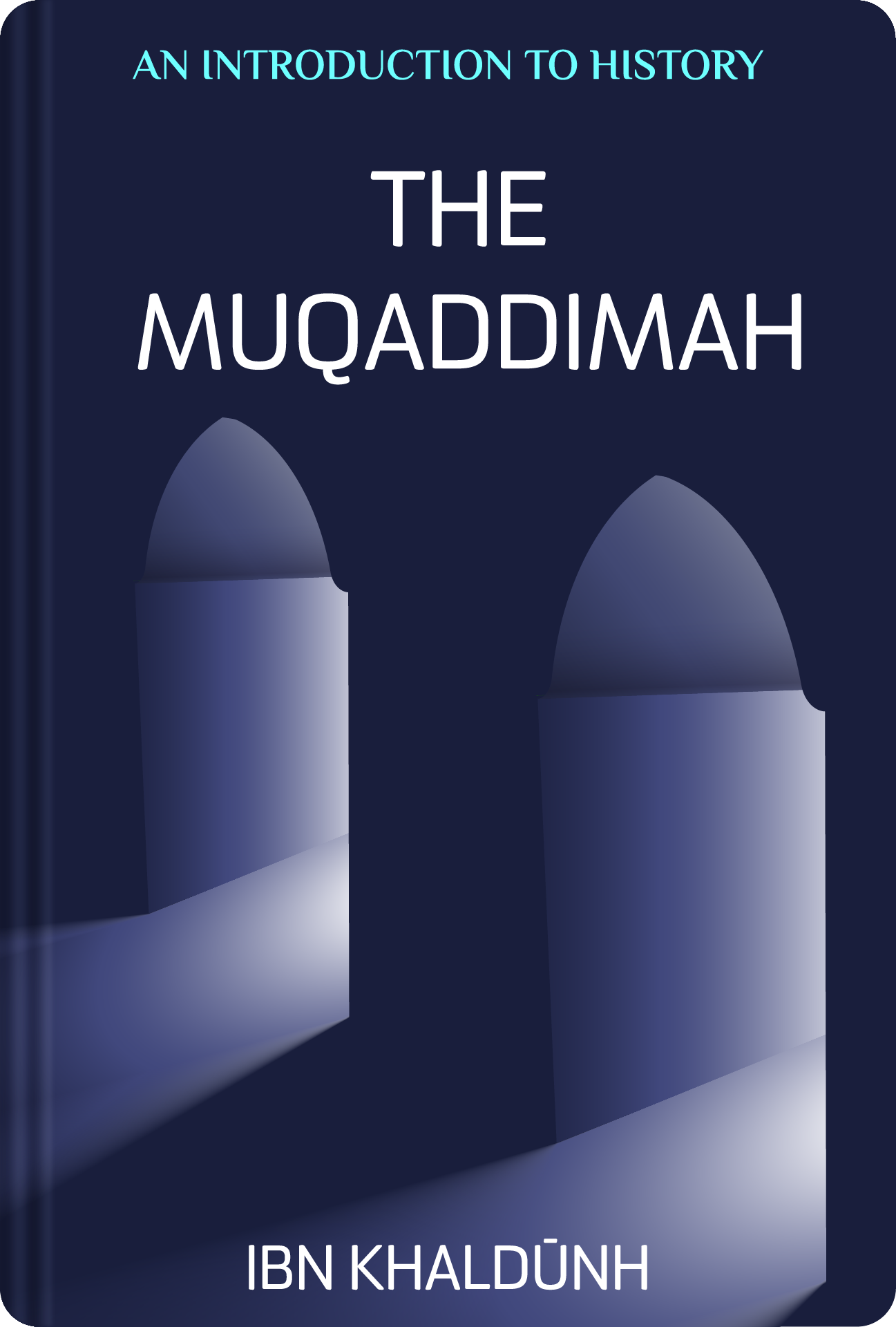 The MuqaddimahIbn KhaldūnYou take away asabiyyah, Ibn Khaldun's idea that social cohesion, leadership, economics and environment decide whether a society rises or falls.Listen to the summary →
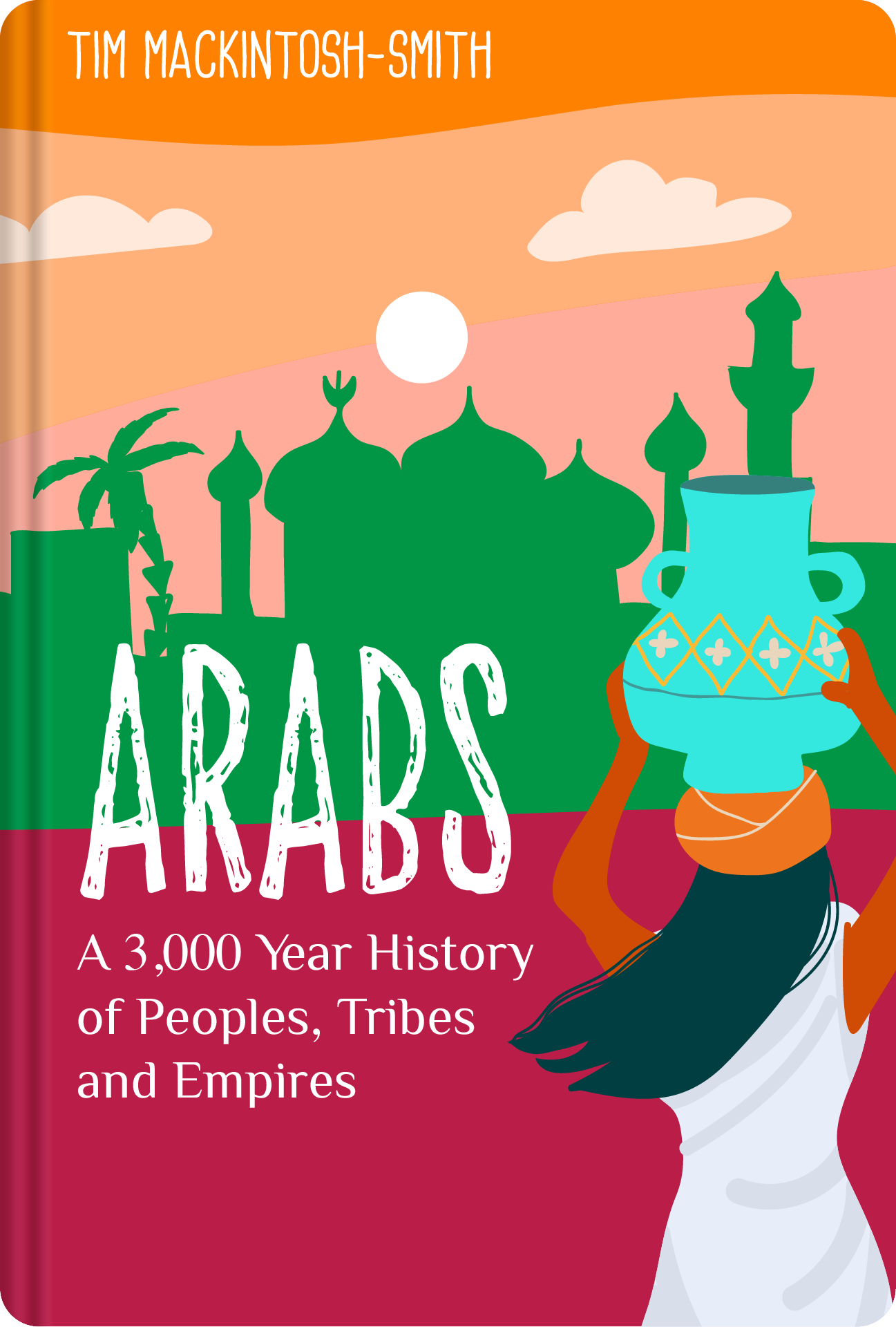 ArabsTim Mackintosh-SmithYou take away how the Arabic language, poetry and shared culture united Arabs across vast distances and centuries.Listen to the summary →
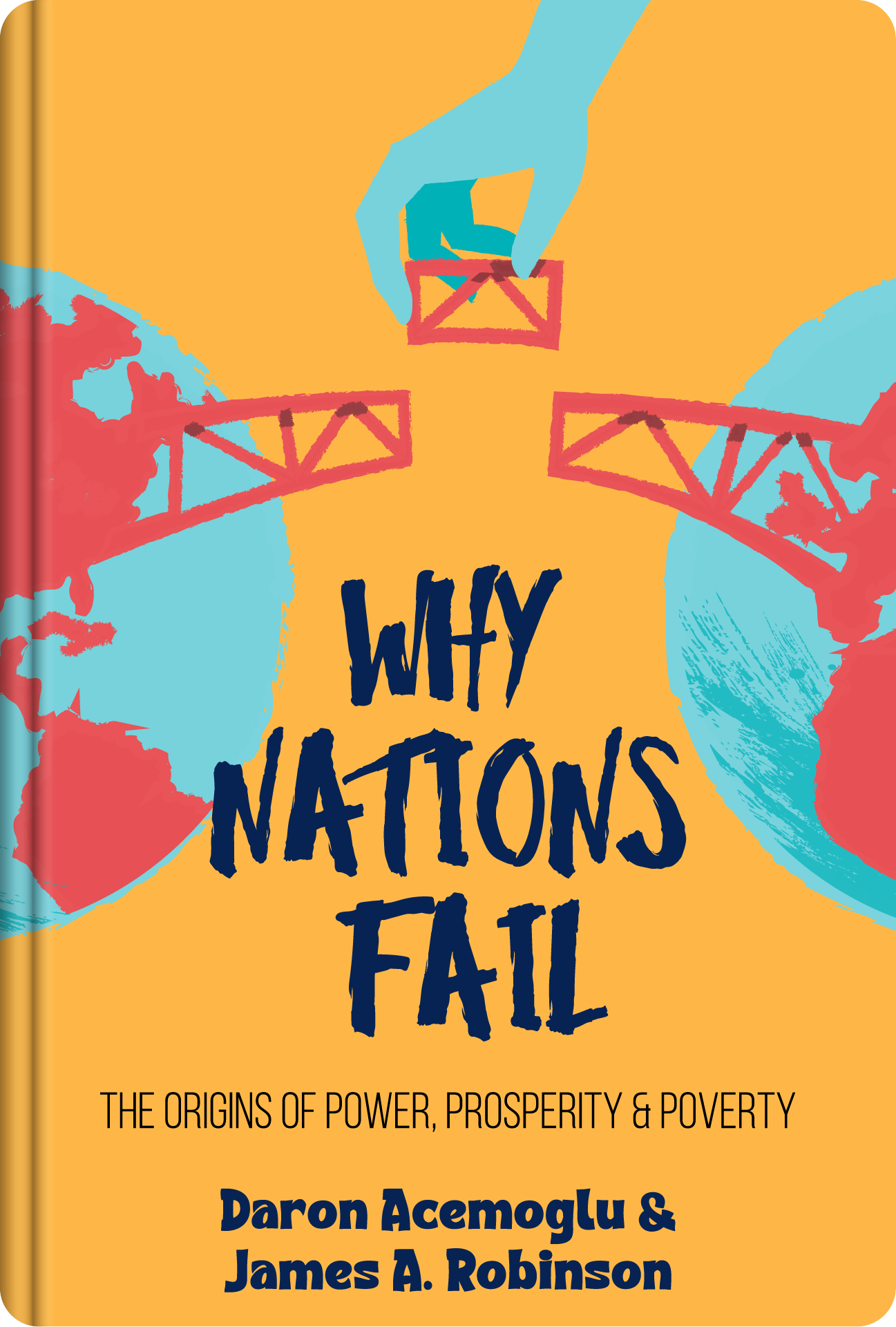 Why Nations FailDaron Acemoglu and James A. RobinsonYou take away why some nations prosper while others stay poor, and how inclusive or extractive institutions shape their fate.Listen to the summary →
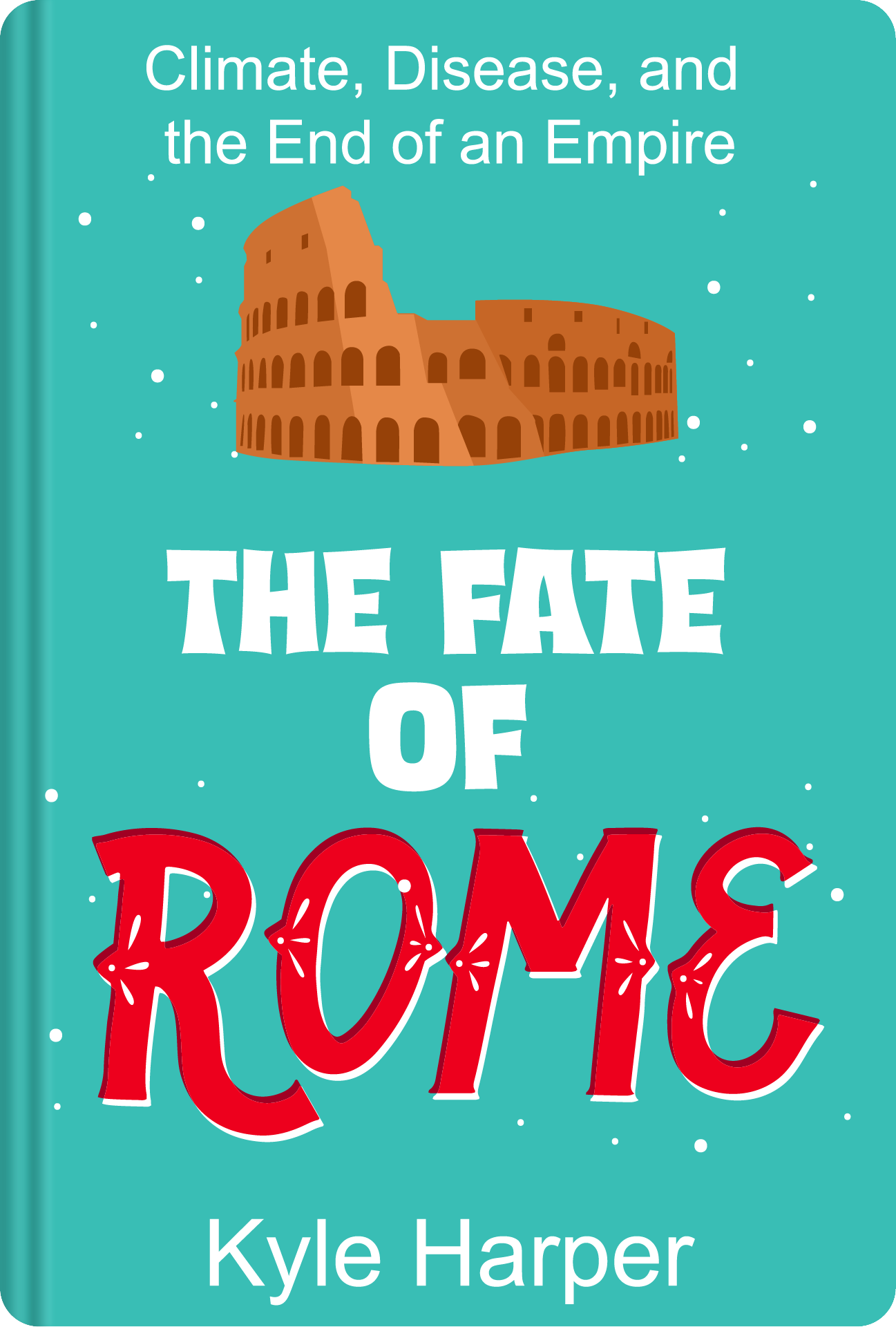 The Fate of RomeKyle HarperYou take away how climate shifts and pandemics weakened Rome's population, economy and army after a long period of growth.Listen to the summary →
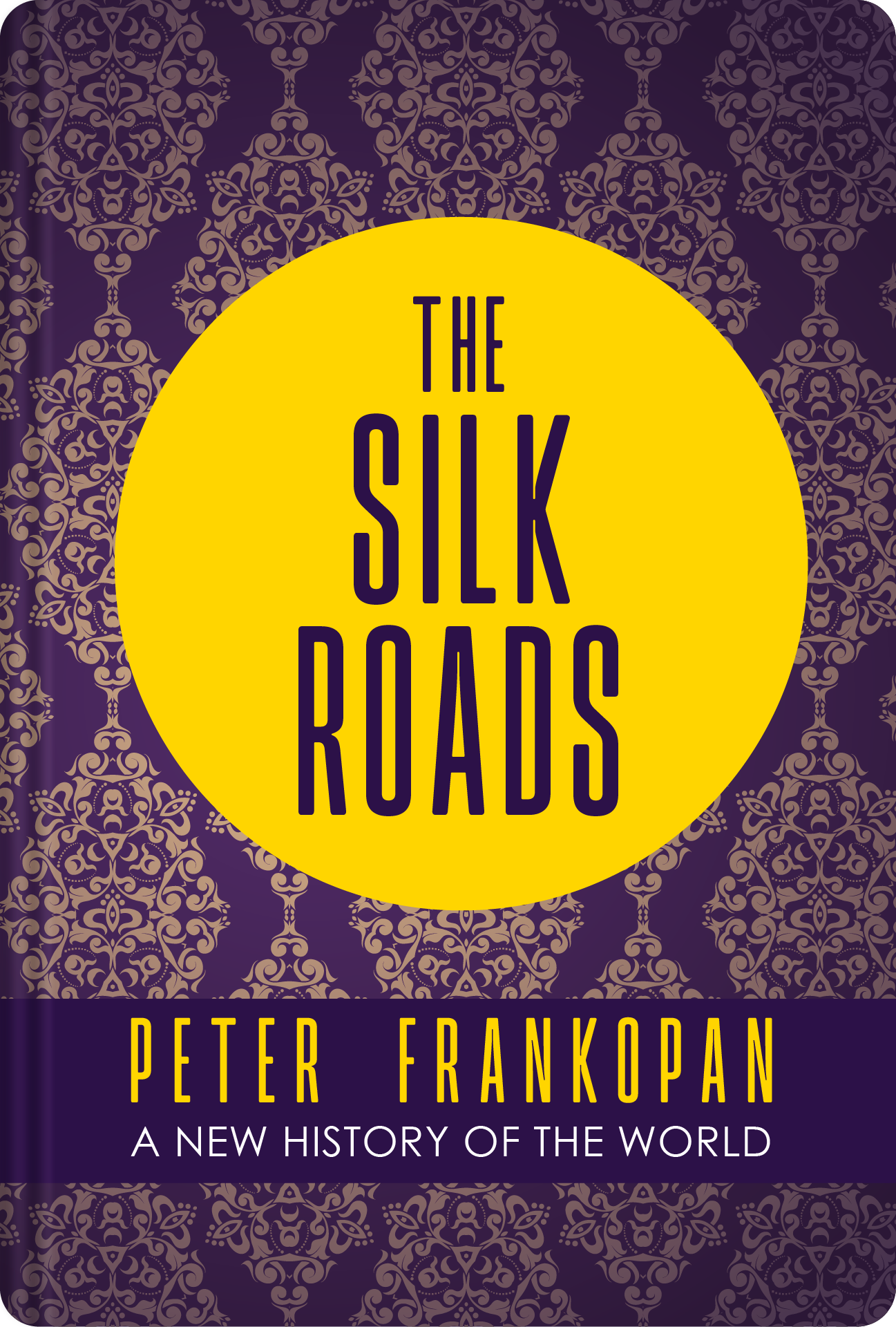 The Silk RoadsPeter FrankopanYou take away how trade routes made the East a center of wealth and power, and why their legacy still shapes today's changing world.Listen to the summary →
A three-step challenge for this week
Do not try to finish everything. Try this instead:
- Listen to the Muqaddimah summary on your drive to work or on the walk home, and write down one sentence about asabiyyah.
- On your next coffee break, think of one family business or team you know, and ask which generation it is in and what holds its people together.
- Next time a headline is about a country's economy, ask whether the wealth reaches people with ideas or only people with connections.
Three small questions, a few minutes each, and the news starts to look like a pattern instead of noise.
The headlines change every day. The pattern Ibn Khaldun saw in 1377 does not.
Try Durar free for 14 days
Start your 14 free daysNearly 1,000 summaries in Arabic and English, in audio and text. The yearly plan starts with 14 free days, and you can cancel anytime.Questions people ask
What is Ibn Khaldun's Muqaddimah about?
The Muqaddimah (1377) is the introduction to Ibn Khaldun's history of the world. It explains how societies rise and fall, introduces the concept of asabiyyah or social cohesion, and covers economics, politics, education and the development of cities. Many scholars regard it as a founding work of sociology and the philosophy of history.
Why do nations fail, according to modern historians?
Different authors give different answers. Daron Acemoglu and James Robinson argue in Why Nations Fail that institutions matter most, with inclusive ones encouraging prosperity and extractive ones holding nations back. Kyle Harper's The Fate of Rome points to climate change and disease as major forces behind Rome's decline.
Are there history book summaries in Arabic on Durar?
Yes. Durar has nearly 1,000 summaries in Arabic and English, in audio and text, including Ibn Khaldun's Muqaddimah, Arabs by Tim Mackintosh-Smith, Why Nations Fail, The Fate of Rome and The Silk Roads. Each takes about fifteen minutes, and there is a free summary every day.