
Imagine a young man coming down a dark staircase in Saint Petersburg, his pockets nearly empty and one idea turning over and over in his head. Some people, he has decided, are extraordinary, and extraordinary people are allowed to step over the lines the rest of us keep. He is about to test that theory on an old pawnbroker, and the rest of the novel is the answer.
That young man is Rodion Raskolnikov, a poor former law student. His story, Crime and Punishment, was published by Fyodor Dostoevsky in 1866, and it still comes up whenever people talk about the great novels. It also still sits unread on a lot of shelves.
If that is you, you are in good company. Most of us meant to read the classics at some point, at university or during a long summer. Then work, family and the phone took the month that a long Russian novel asks for.
This piece is for that reader. It looks at why these books are still read and what a summary of a novel can honestly give you. Then it covers six classics, starting with Dostoevsky, that you can get to know in an evening and return to in full when the time comes.
Why are classic novels still read today?
A classic is not simply an old book that teachers like. The ones that last tend to ask a question no generation has managed to settle, and they ask it through a person rather than a lecture.
Look at the questions in the six novels here. Can a clever argument make a wrong act right? What happens to truth when those in power decide what it is? Why do people judge each other for how they feel, not only for what they do? What is wealth for? And what matters once you strip away the things grown-ups usually count?
None of these are really questions about Russia in 1866 or America in 1922. They come up at the office, in family conversations at the weekend, in the news on the drive home. That is why these stories keep being read, translated and argued over.
What can a summary of a novel give you, and what can it not?
Be clear about this from the start: a summary of a novel is not the novel. It gives you the ideas, the shape of the story and the people in it. It cannot give you the sentences.
With non-fiction, the ideas are often most of the value. With fiction, much of the pleasure is in the prose itself: the rhythm of a paragraph, a long scene that slowly tightens, a line you read twice. Fifteen minutes cannot reproduce that, and it would be dishonest to pretend otherwise.
What a good summary can do is make a classic familiar instead of intimidating. You learn who Raskolnikov is, why Winston Smith matters, what the fox means to the little prince. You can follow a conversation about the book, see why it has lasted, and decide whether this is the one you want to give a month to.
Think of it as a map before a journey, not a photograph instead of one. A long novel is often easier to begin once you know roughly where the road goes.
Crime and Punishment summary: a theory, a crime and a long way back
Raskolnikov kills an old pawnbroker to prove a theory: that extraordinary people may step over moral lines that bind everyone else. The crime is meant to show that he is one of them.
What follows is not a hunt for the killer. The novel is a gripping psychological journey through guilt, fever and fear, as a shrewd investigator closes in on the man who thought he was above the rules.
Then there is Sonia, a self-sacrificing young woman who leads him towards confession and redemption. The title promises punishment, but the one that matters most is the one no court can impose. That idea is a large part of why it remains one of the most influential novels ever written.
From Manor Farm to the Ministry of Truth: Animal Farm and a 1984 summary
George Orwell wrote two of the novels on this list, and they work well as a pair. Animal Farm (1945) is a short fable. The animals of Manor Farm rebel against their careless owner, Mr Jones, hoping to build a society where all are equal, but over time the cleverest animals, led by Napoleon, seize power, rewrite the rules and become as oppressive as the farmer they replaced.
Nineteen Eighty-Four, first published in 1949, goes further. A total dictatorship led by the mysterious Big Brother watches every citizen, and the Party controls even language and thought. Winston Smith works at the Ministry of Truth, where his job is rewriting history.
Read together, they show how power can corrupt ideals, and how propaganda and surveillance can wear away truth and freedom. Anyone who has watched a story change shape online in a single afternoon will recognise the question.
The Stranger and The Great Gatsby: two men out of step with their world
Albert Camus's The Stranger (1942) is short and quietly unsettling. It is narrated by Meursault, a French clerk in Algiers who meets life with striking emotional detachment. After an act of violence on a beach he is put on trial, and the court seems to judge him as much for his indifference as for his crime.
It is the novel to read if you have ever been told you were not reacting 'properly' to something. Camus uses the story to explore the absurd, the search for meaning, and what society expects people to feel.
F. Scott Fitzgerald's The Great Gatsby (1925) is narrated by Nick Carraway, a young man who moves to Long Island in the summer of 1922. His neighbour is the wealthy, mysterious Jay Gatsby, who hosts extravagant parties in the hope of winning back Daisy Buchanan, the woman he has loved for years.
Beneath the glamour of the Jazz Age, the novel is about wealth, ambition, illusion and the limits of the American Dream. For an ambitious reader in Riyadh, Dubai or Amman, it leaves a question worth carrying: what is all the striving for?
The Little Prince summary: the shortest classic here, and the gentlest
Antoine de Saint-Exupéry's The Little Prince (1943) is a short, poetic novella. A pilot stranded in the Sahara meets a mysterious boy from a tiny planet.
Through the prince's visits to strange grown-ups, his love for a proud rose and his friendship with a wise fox, the book explores friendship, love, responsibility and the things that can only be seen with the heart. It is one of the most translated books ever.
Some of us met it as children. It reads differently at thirty, after a few years of meetings, deadlines and numbers, when the prince's strange grown-ups start to look familiar.
How to choose your first classic novel by mood
If you have ever typed 'best classic novels to read' into a search bar, you know the lists are long and do not help much. A better question is what kind of evening you are having.
If you want something gripping, start with Crime and Punishment. If you are tired and want something gentle, choose The Little Prince. If the news has made you uneasy, read Animal Farm first, then 1984. If you feel restless about where your life is heading, try The Stranger or The Great Gatsby.
Durar has summaries of all six, in Arabic and English, as audio or text with the words highlighted as the voice reads. You can switch language from the summary page, which helps if you studied Orwell in English and want to hear him in Arabic now. What it does not give you is Dostoevsky's own sentences. For those, you still need the book.
Whichever you choose, give it one quiet slot: the drive to work, coffee after lunch, the half hour before bed. Then notice whether the question stays with you the next day. If it does, that may be the novel worth a month.
Start with Crime and Punishment
Open the summaryRead or listen to the summary in about 15 minutes, in Arabic or English, on iPhone, Android or the web.Summaries mentioned in this article
Six classic novels summarised on Durar, each in Arabic and English, as audio or text in about 15 minutes, listed in the order we would suggest reading them.
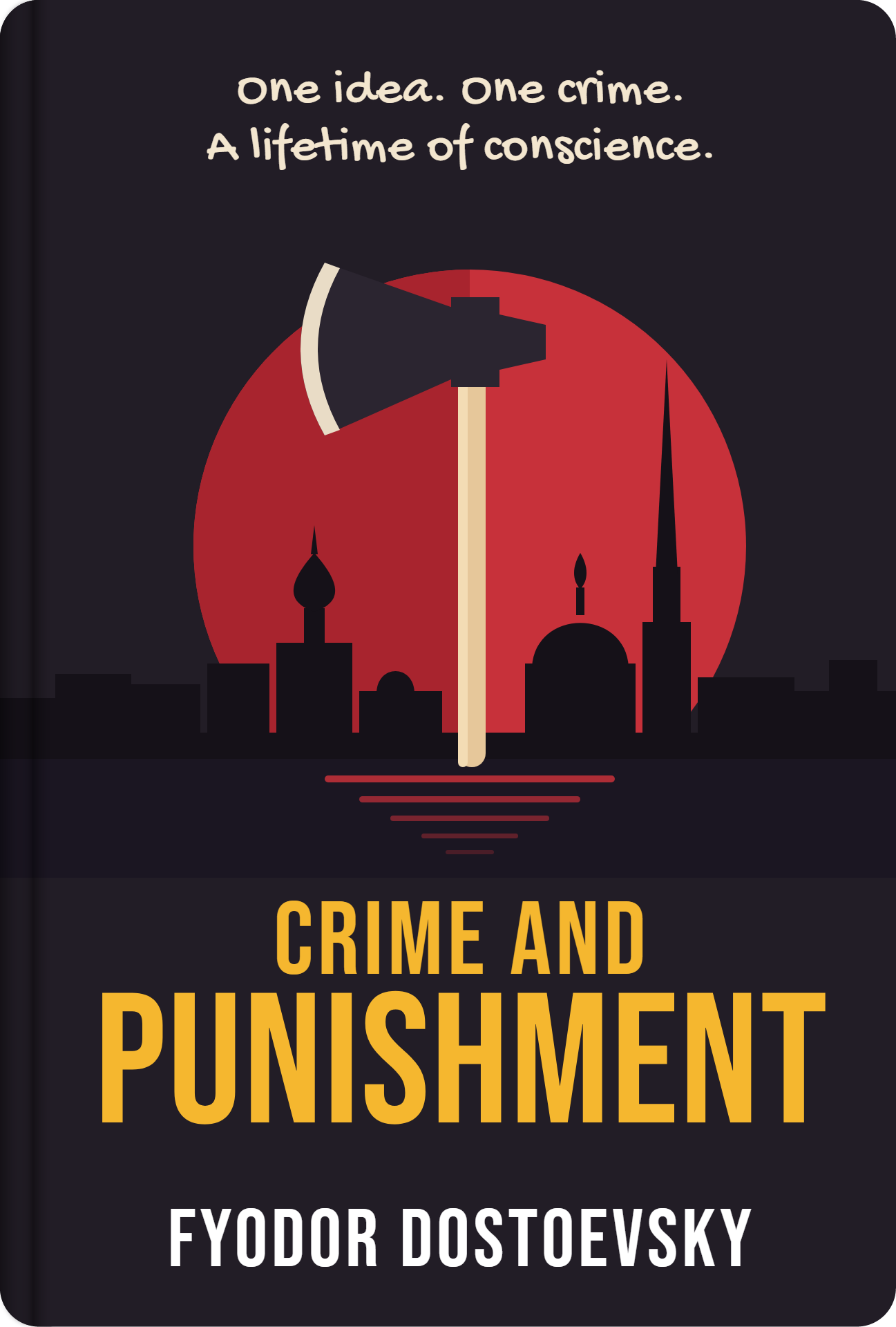 Crime and PunishmentFyodor DostoevskyFollow a poor former law student who kills to prove a theory about extraordinary people, and see why the real punishment is the one no court can impose.Listen to the summary →
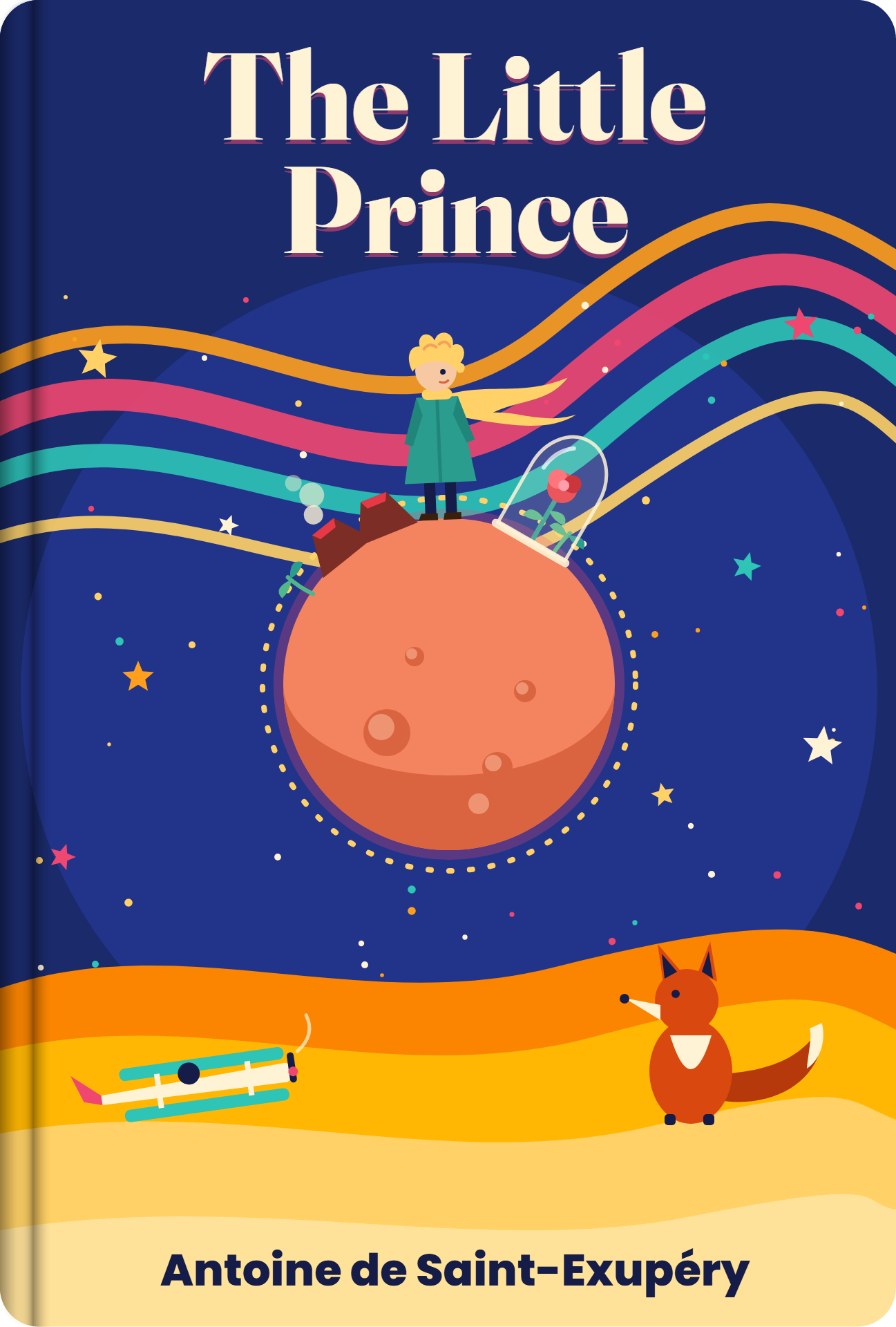 The Little PrinceAntoine de Saint-ExupéryMeet a pilot stranded in the Sahara and a boy from a tiny planet, and come away thinking about friendship, responsibility and what can only be seen with the heart.Listen to the summary →
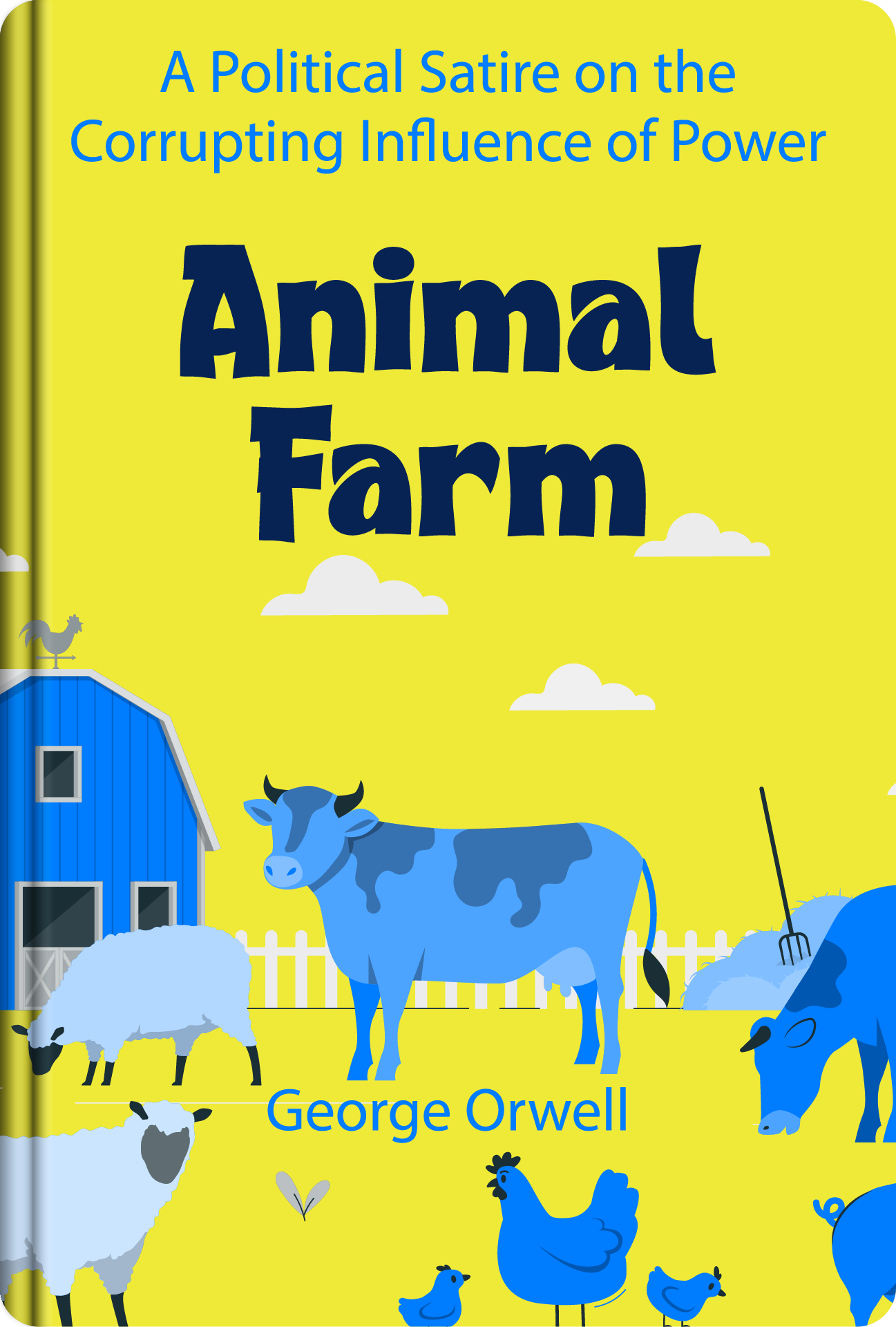 Animal FarmGeorge OrwellWatch the animals of Manor Farm overthrow their owner in the name of equality, only for the cleverest of them to become just as oppressive.Listen to the summary →
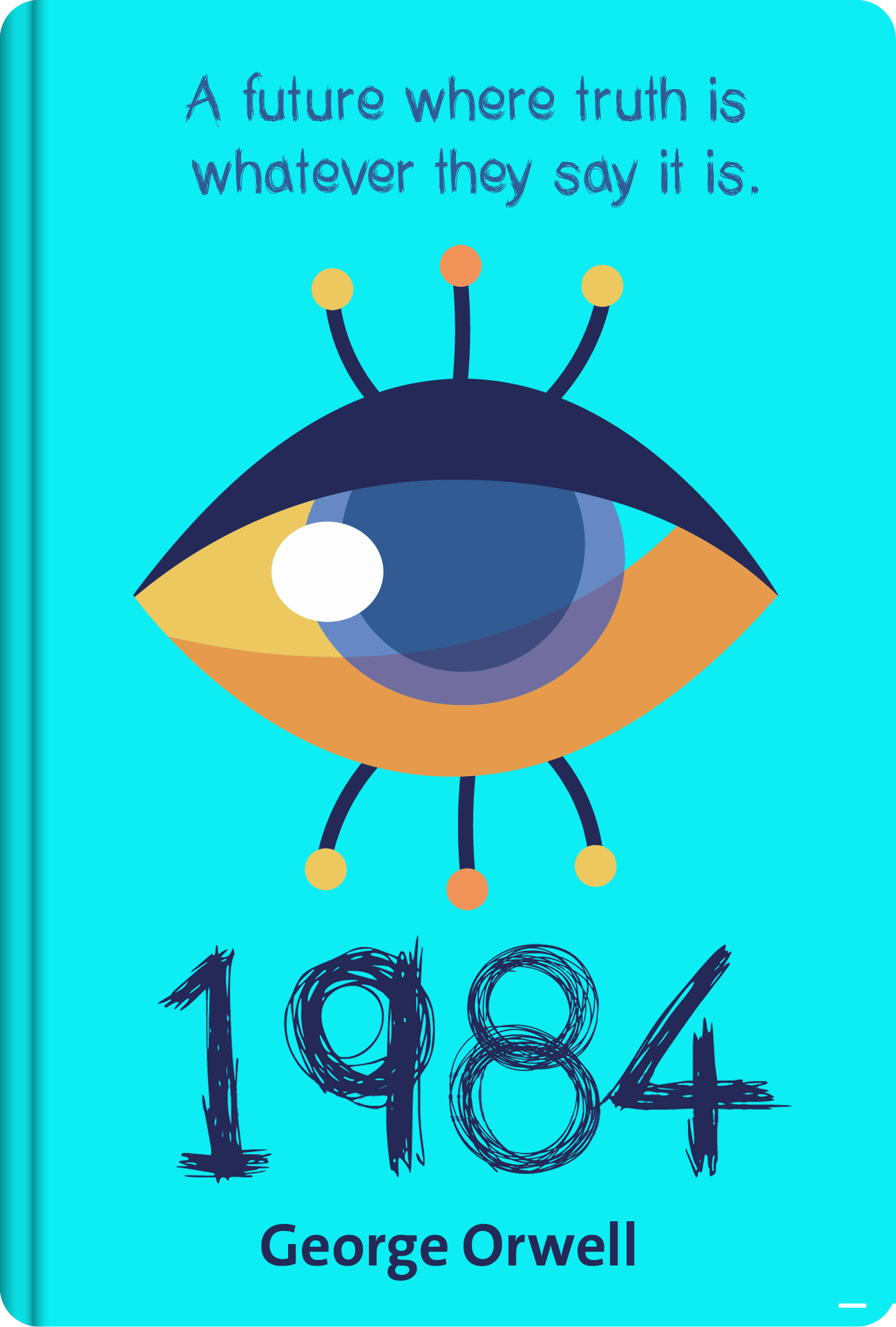 Nineteen Eighty-Four (1984)George OrwellStep into a dictatorship led by Big Brother, where Winston Smith rewrites history and the Party controls even language and thought.Listen to the summary →
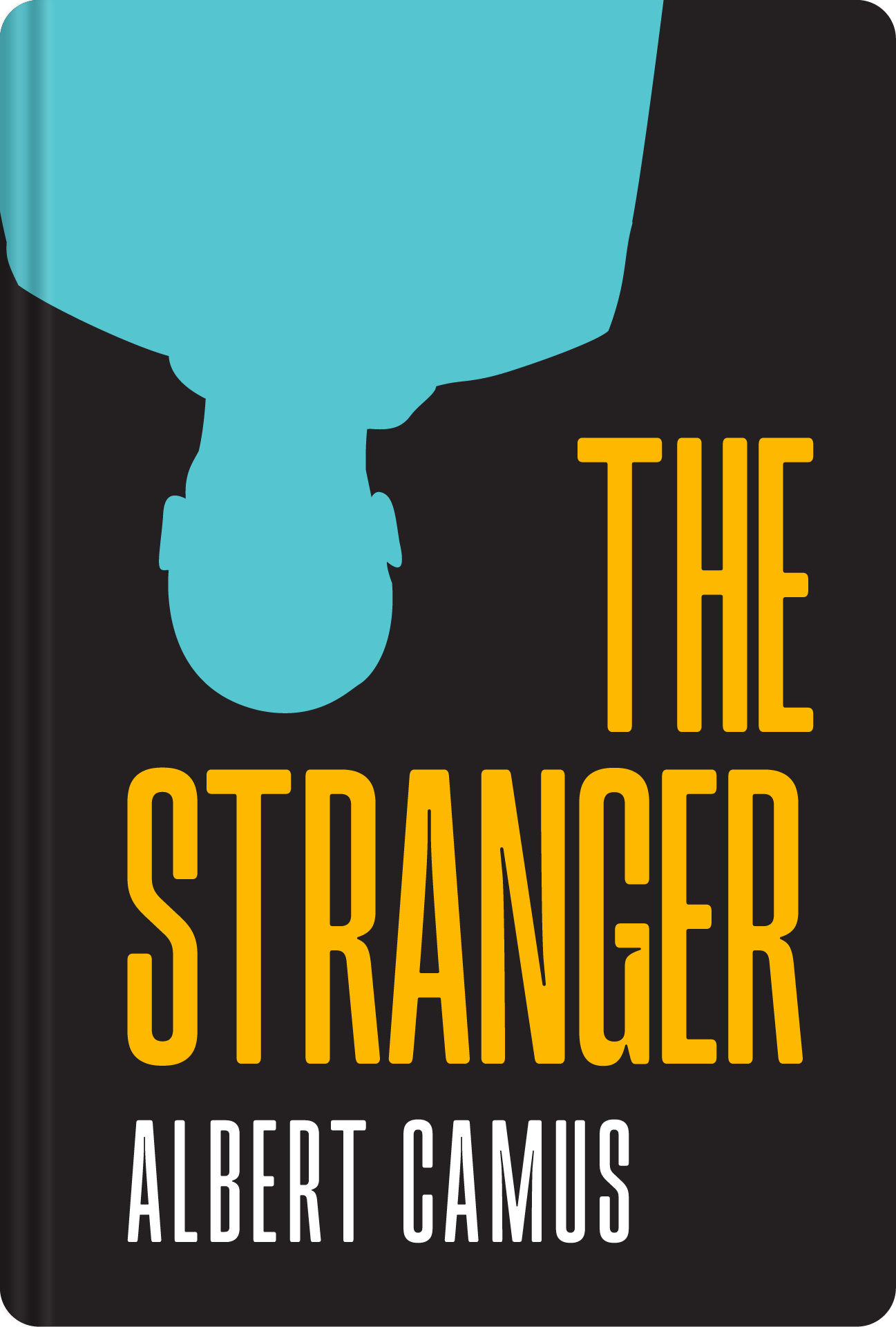 The StrangerAlbert CamusFollow Meursault, a clerk in Algiers judged as much for his indifference as for his crime, through Camus's exploration of the absurd and the search for meaning.Listen to the summary →
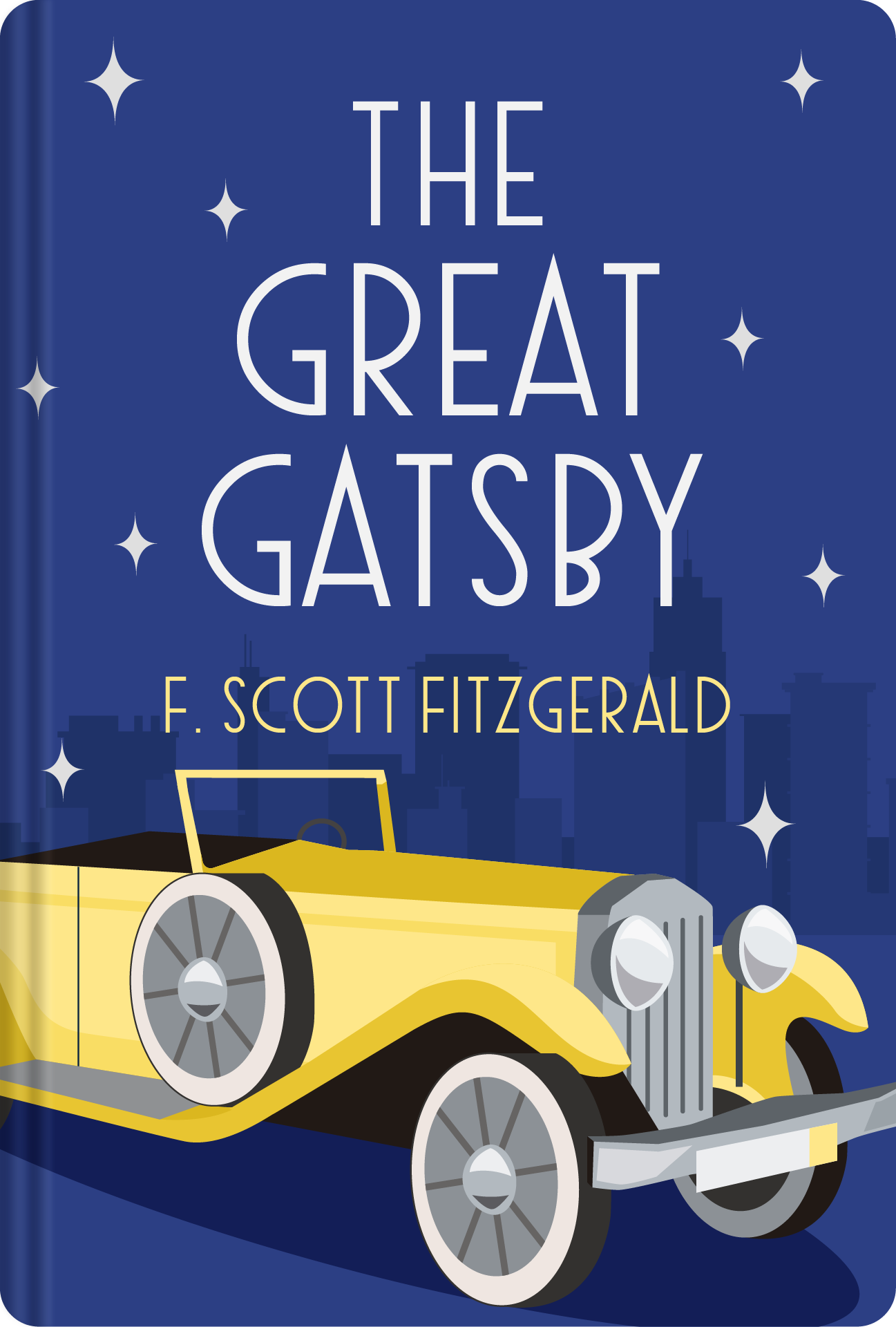 The Great GatsbyF. Scott FitzgeraldSpend a summer on Long Island with Nick Carraway and his mysterious neighbour Jay Gatsby, and see the limits of wealth, ambition and the American Dream.Listen to the summary →
Try this week
You do not need a month. You need a few small, honest steps.
- Pick one novel by mood using the guide above, and write its name somewhere you will see it tomorrow morning.
- Listen to its summary in one sitting on a drive or a walk, or read it with your coffee after lunch. Fifteen minutes is enough.
- Afterwards, write down the one question the story left you with, in a single sentence, in a notebook or a notes app.
- Ask a friend or family member that question over dinner or in a message, without explaining the book first, and see where the conversation goes.
- If the question is still with you by the weekend, find the full novel in a library, bookshop or e-book store, in Arabic or English, and read the first chapter.
If it does not stay with you, that is useful too. Try a different mood next week.
A summary gives you the question. The novel gives you the voice that asks it.
Try Durar free for 14 days
Start your free trialThe yearly plan comes with 14 days free. Cancel any time before it ends and nothing is charged. A free summary of the day is open to everyone.Questions people ask
What is Crime and Punishment about?
Crime and Punishment (1866), by Fyodor Dostoevsky, follows Rodion Raskolnikov, a poor former law student in Saint Petersburg who kills an old pawnbroker to prove that extraordinary people may step over moral lines. The novel is less a hunt for the killer than a psychological journey through guilt, fever and fear. A shrewd investigator closes in while a young woman named Sonia leads him towards confession and redemption.
Can a summary replace reading a classic novel?
No. A summary gives you the main ideas, the arc of the story and the characters, but not the author's prose, which is much of what makes a novel worth reading. It works well as an introduction, or as a way to decide which classic deserves your time in full.
Which classic novel should I read first?
Choose by mood. Try Crime and Punishment for something gripping, The Little Prince for something short and gentle, and Animal Farm followed by 1984 for questions about power and truth. For questions about meaning and ambition, choose The Stranger or The Great Gatsby.
Are Durar's summaries available in Arabic and English?
Yes. Every one of Durar's 1,000 summaries exists in both Arabic and English, new titles are added every week, and you can switch language from the summary page. Most are non-fiction, with a few classic novels, and each is available as audio or text in about 15 minutes.