
Somewhere in your childhood, someone may have told you about a jackal who lied his way between a lion and an ox. Perhaps it was a grandmother after dinner, perhaps a teacher reading from a worn copy. That jackal is Dimna, and his story reached Arabic about twelve centuries ago.
The collection he belongs to, Kalila wa Dimna, began far from Arabia. It came from India, passed through Persia, and was rendered into Arabic by Ibn al-Muqaffaʿ in the 8th century. Families have been telling its tales to children ever since.
That is worth remembering if your shelf, or your phone, is full of translated bestsellers from New York and London. There is nothing wrong with those. But our region has written books that the wider world reads, and many of us know the titles without knowing what is inside them.
This piece walks through six: a fable, a poet's book of wisdom, two memoirs of exile, a novel set in Tripoli and a king's autobiography. Each one is a 15-minute summary on Durar, in Arabic and English. A summary is not the book. Think of it as a doorway that shows you what is inside, so you can decide whether to go in.
Kalila wa Dimna summary: what happens between the lion and the ox?
The opening tale, The Lion and the Ox, sets the tone for the whole collection. A lion king has a friend, a gentle ox. Dimna, an ambitious jackal watching from the edges of the court, grows jealous of that friendship.
Dimna cannot fight a lion. What he has is words. He uses lies to turn the two friends against each other, and the story follows where that leads.
Read as an adult, it feels less like a children's story and more like a quiet lesson in working life. Its themes are envy, flattery, trust and wise leadership. Any manager who has heard a colleague say "I'm only telling you because I care" will recognise the shape of it.
Here is a habit you can take from it, with or without any app. When someone brings you a story about a third person, ask yourself what the teller gains if you believe it. The tale keeps pressing that question.
What is Kahlil Gibran's The Prophet about?
The Prophet, published in 1923, is a slim collection of poetic essays with a simple frame. A wise man, Almustafa, is about to leave the city where he has lived for twelve years. Before he goes, he shares his thoughts with its people.
He speaks on love, marriage, children, work, joy and sorrow, freedom, friendship and death. Each theme has its own short reflection. That is why many people open it at a single chapter rather than reading it straight through.
It has been translated into dozens of languages and is one of the best-selling books of poetry in history. That is unusual reach for poetry, which rarely travels well between languages.
An honest note: poetry is the hardest thing to summarise. A 15-minute summary can tell you what Almustafa says about work or about children. It cannot give you the music of the sentences. Use it to find the chapters that speak to you, then read those in full.
I Saw Ramallah summary: coming home after thirty years
In 1996, Mourid Barghouti crossed the bridge from Jordan and returned to Ramallah. He had been away for thirty years, an exile that began with the 1967 war. I Saw Ramallah, published in 1997, is his account of that return.
The book moves between what he sees and what he remembers: his family, the experience of displacement, and the changes in places he once knew. For readers in Jordan, the journey starts very close to home.
It is written in lyrical prose. It won the Naguib Mahfouz Medal for Literature and is considered a classic of Palestinian writing.
Anyone who has moved away, even for a few years of study, will know the question at its heart. What happens when the place you carried in your head meets the place as it is now?
Out of Place: Edward Said's memoir of growing up between worlds
Out of Place, published in 1999, is Edward W. Said's account of his early life. He grew up between Jerusalem, Cairo and Lebanon, studied at schools in the Arab world and later in the United States.
The title names the feeling the book explores: the complex identity of a Palestinian raised in many places. He wrote it after a serious illness, and it reads as a reflection on exile, family, language and belonging.
Plenty of young people in the Gulf will see something of themselves here. Think of a student in Riyadh whose parents grew up in another country, or a graduate who came home from abroad and now thinks in two languages. Said's memoir does not tidy that feeling away. It looks at it closely.
In the Country of Men: Tripoli in 1979 through a child's eyes
Hisham Matar's debut novel, published in 2006, is set in Tripoli in 1979. Its narrator, Suleiman, is nine years old. His father becomes involved in opposition to the regime, people around the family begin to disappear, and the household lives in fear.
Telling the story through a child is a deliberate choice. A nine-year-old cannot explain what is happening around him. He can only notice moods, silences and the adults' faces. Through that narrow window, the novel explores loyalty, betrayal and the effect of fear on family life.
It was shortlisted for the Booker Prize and is one of the few novels in Durar's library, which is mostly non-fiction. It is not a book of political argument. What stays with you is a home, and what fear does to the people inside it.
King Hussein's book Uneasy Lies the Head: carrying a country young
Uneasy Lies the Head, published in 1962, is the autobiography of King Hussein of Jordan. In Arabic it is known as Laysa Sahlan an Takoona Malikan, "It is not easy to be a king". The English title borrows a line from Shakespeare's Henry IV: "Uneasy lies the head that wears a crown."
He wrote it about a decade after coming to the throne as a teenager. It covers his upbringing and education, the assassination of his grandfather, King Abdullah I, in Jerusalem, and the political pressures and crises of his early reign.
Picture a young man the age of a first-year university student who now carries a country. The book offers a personal view of the responsibilities of leadership in a turbulent region: the pressure, the solitude, and the personal sacrifices behind difficult decisions.
For a new manager, or anyone given responsibility earlier than expected, it is a reminder that leadership is often lonelier from the inside than it looks from outside.
Why read Arab authors alongside the global bestsellers?
Put the six side by side. A fable rendered into Arabic in the 8th century, poetry from 1923, a king's memoir from 1962, a homecoming from 1997, a memoir from 1999 and a novel from 2006. Together they span more than a thousand years of writing from our region.
Reading them is not a replacement for reading the world. But it is a different thing to find your own cities, your grandparents' worries and your own questions about home and duty in print. These books also show how our region has told its own story to readers everywhere, which is part of why Arabic literature in English matters too.
Every Durar summary exists in both Arabic and English, and you can switch language from the summary page. Read in the language you think in, or send the other version to a colleague. The text is highlighted in time with the audio.
What Durar does not do is give you the full prose of Barghouti or the rhythm of Gibran. It gives you the key ideas in about 15 minutes. For some readers that is enough. For others it is how they choose which book to buy next.
Start with the fable
Open the summaryListen to Kalila wa Dimna: The Lion and the Ox in about 15 minutes, in Arabic or English.Summaries mentioned in this article
In the order they appear above. Each takes about 15 minutes, in Arabic or English, as audio or text.
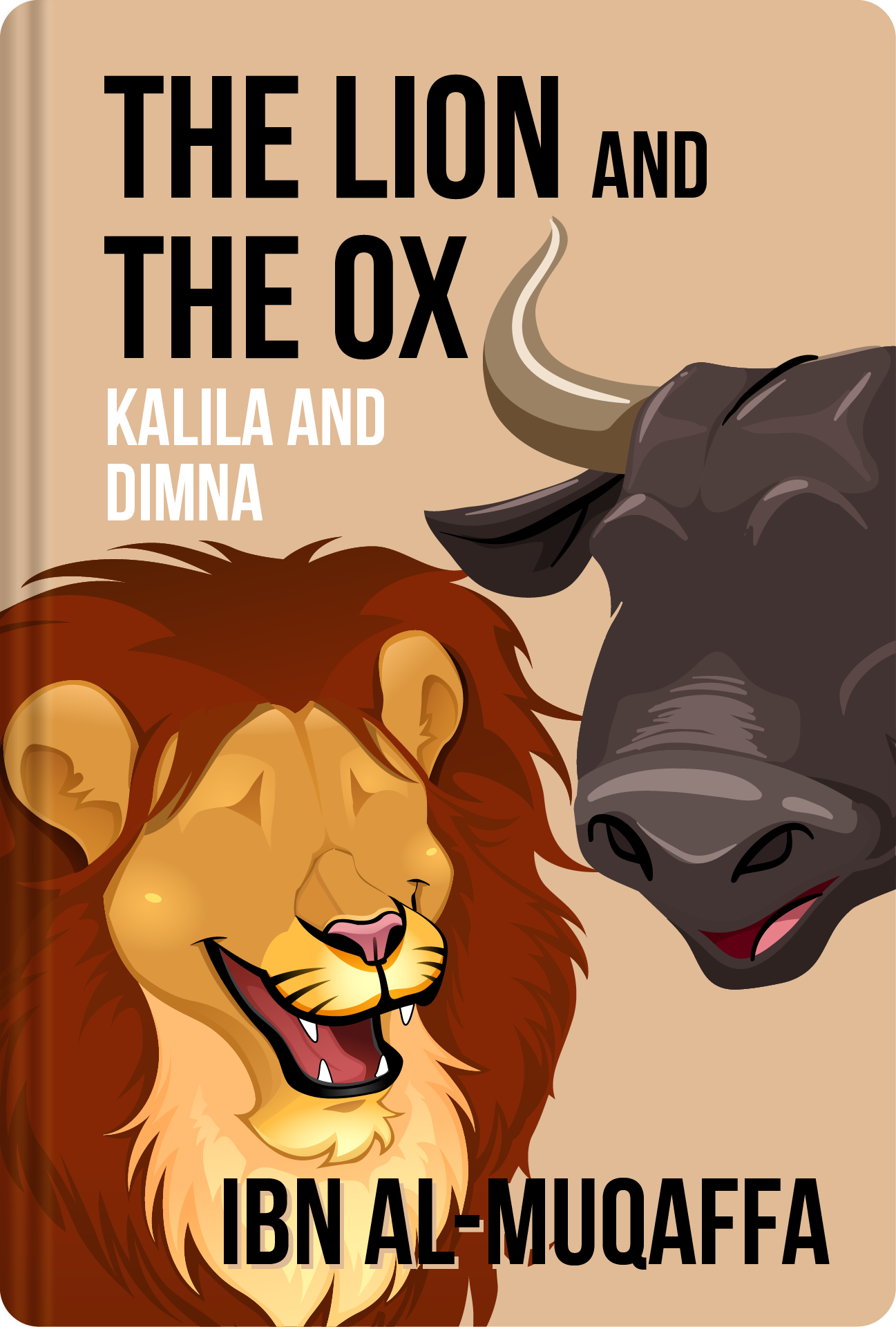 Kalila wa Dimna: The Lion and the OxIbn al-MuqaffaʿThe opening tale of the famous fables Ibn al-Muqaffaʿ rendered into Arabic, in which the jealous jackal Dimna uses lies to set a lion king against a gentle ox: a lesson in envy, flattery, trust and wise leadership.Listen to the summary →
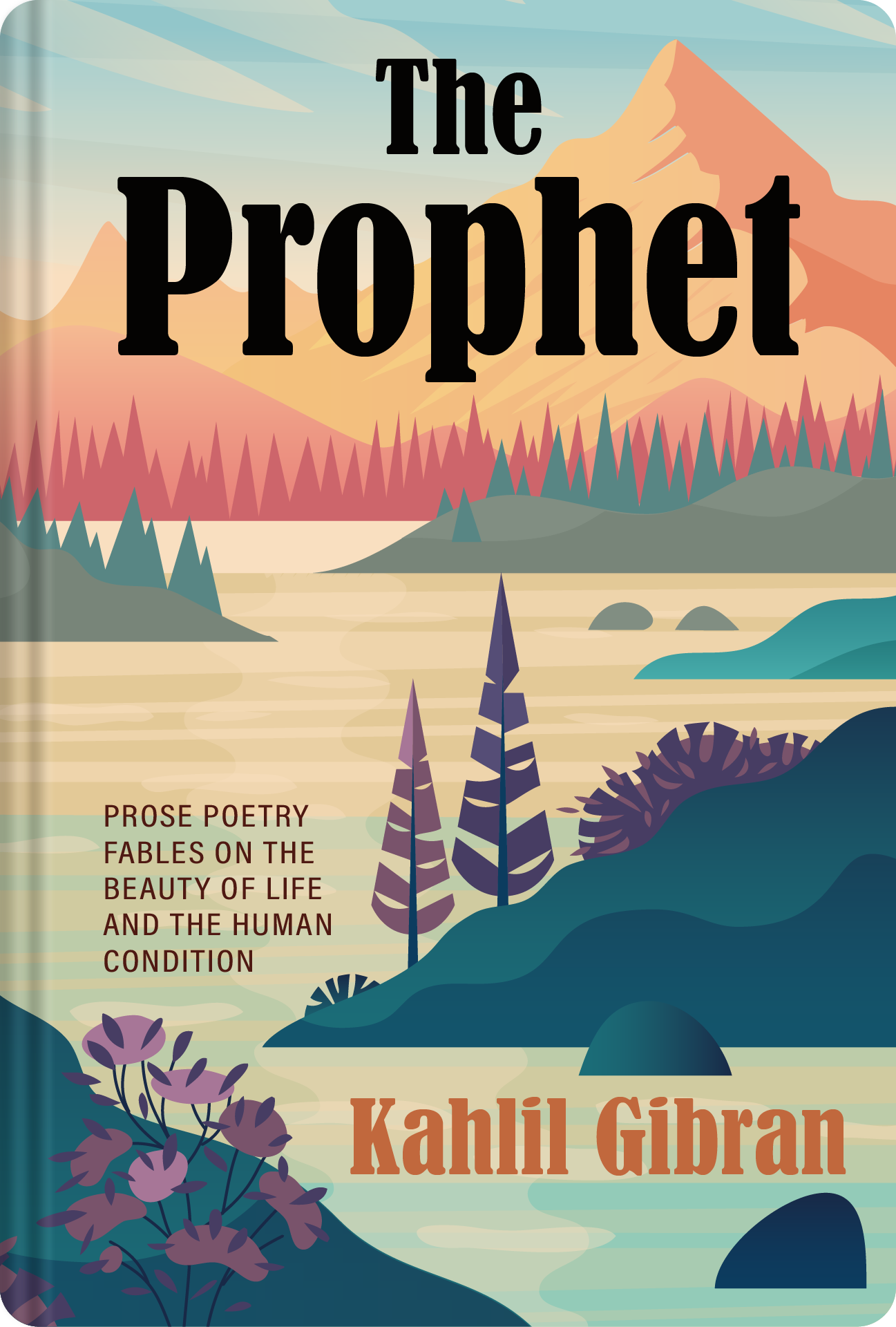 The ProphetKahlil GibranGibran's 1923 poetic essays in which Almustafa, about to leave the city where he has lived for twelve years, reflects on love, work, children, freedom, friendship and death.Listen to the summary →
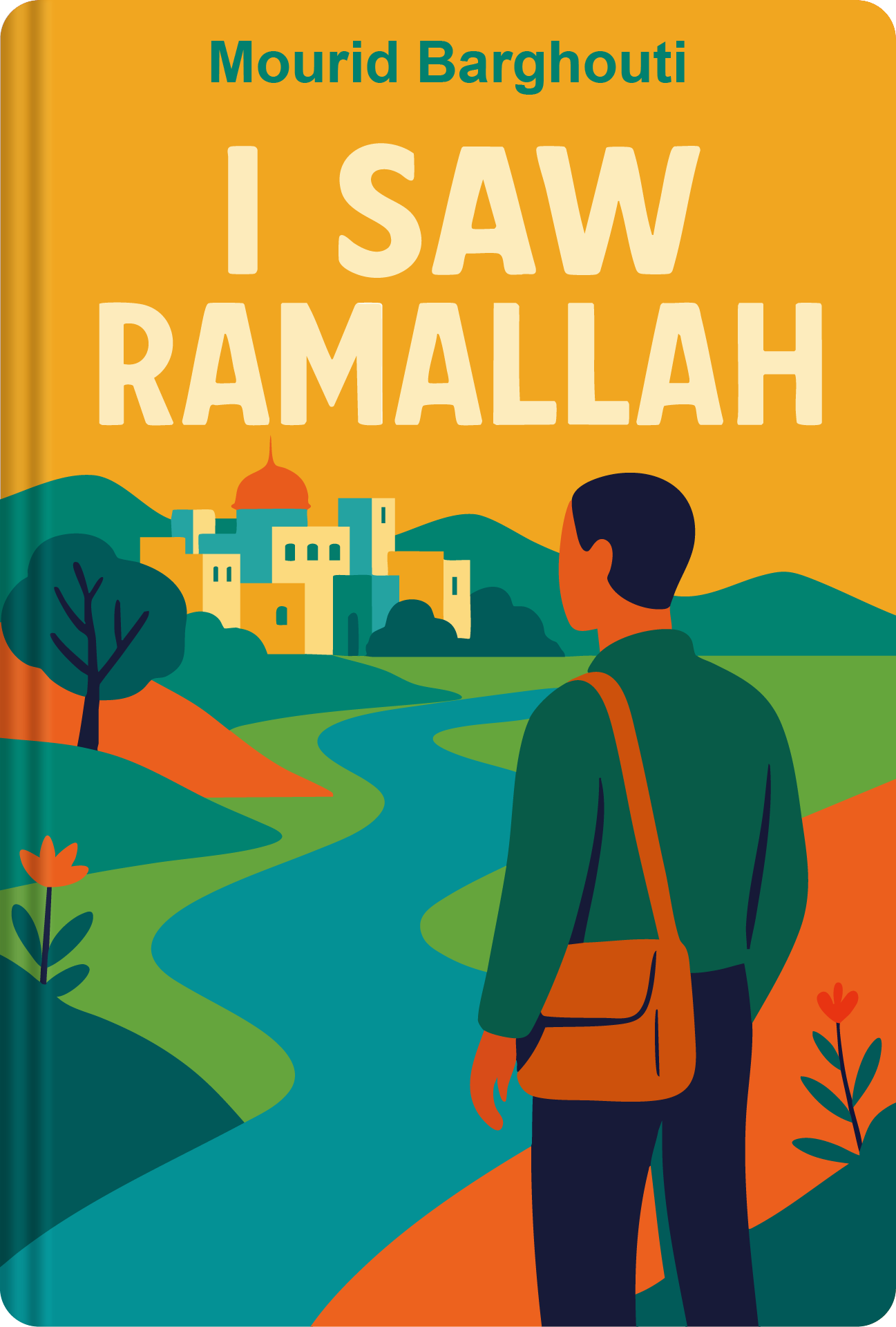 I Saw RamallahMourid BarghoutiMourid Barghouti's lyrical account of crossing the bridge from Jordan in 1996 to return to Ramallah after thirty years of exile, reflecting on memory, family and changed places.Listen to the summary →
 Out of Place: A MemoirEdward W. SaidEdward W. Said's memoir, written after a serious illness, of growing up between Jerusalem, Cairo and Lebanon and the complex identity of a Palestinian raised in many places.Listen to the summary →
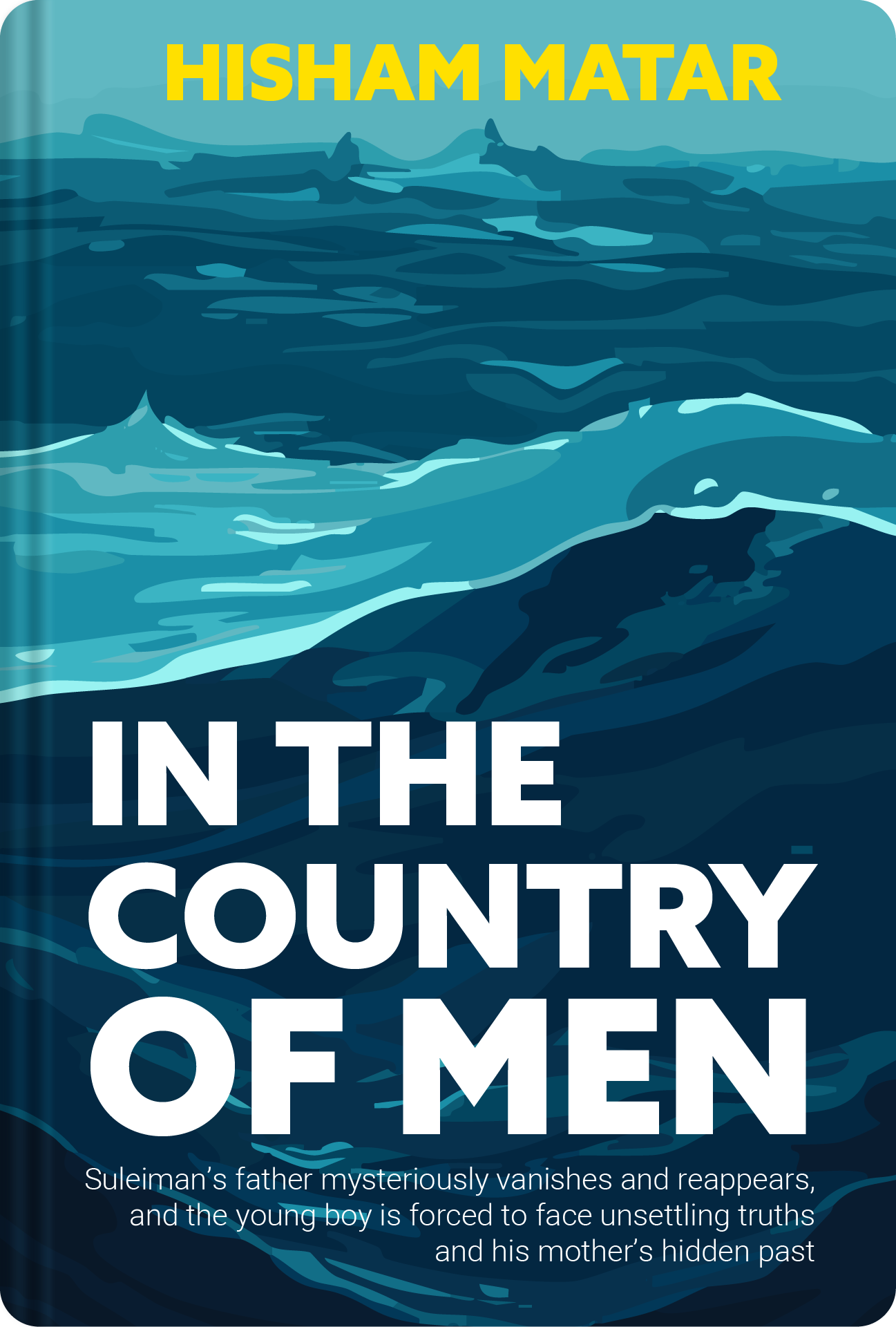 In the Country of MenHisham MatarHisham Matar's Booker-shortlisted debut novel, which shows Tripoli in 1979 through the eyes of nine-year-old Suleiman as fear reshapes his family.Listen to the summary →
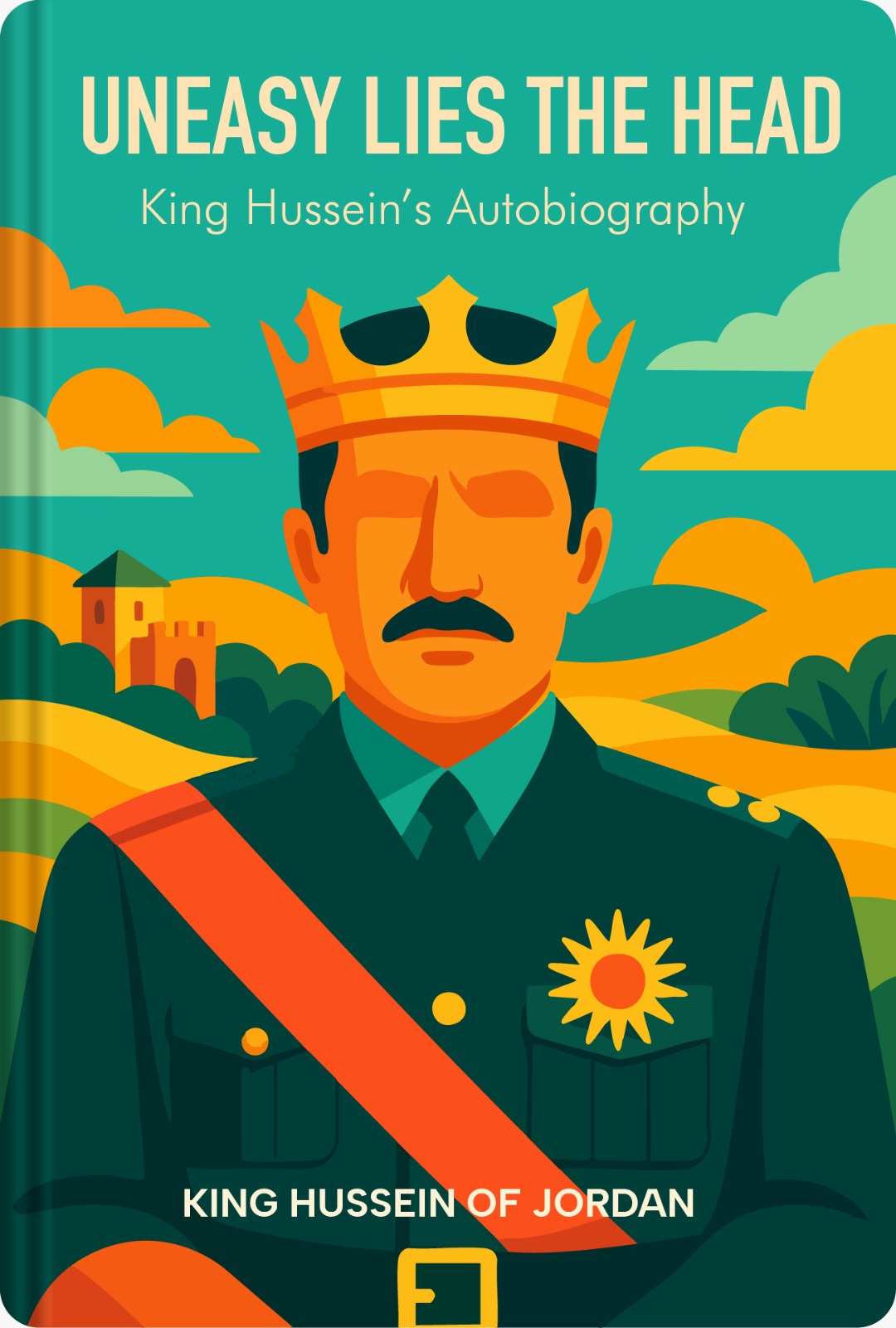 Uneasy Lies the HeadKing Hussein bin TalalKing Hussein's 1962 autobiography of his upbringing, his grandfather's assassination in Jerusalem and the pressures of his early reign after coming to the throne as a teenager.Listen to the summary →
Try this week
None of this needs a whole weekend. A few small steps, fitted into the days you already have:
- Ask a parent or grandparent which story from Kalila wa Dimna they remember. Then listen to The Lion and the Ox on your drive to work and compare.
- Choose one theme from The Prophet, such as work or friendship, and read only that part slowly before bed. If you read both languages, try it in each.
- Write a few lines about a place you knew as a child and how it has changed. That is Barghouti's question, asked of your own life.
- The next time someone brings you a story about a colleague, pause and ask what the teller gains if you believe it.
- Pick one of the six to read in full this month, and use the summary to decide which.
If you miss a day, nothing happens. There are no streaks here, just books worth your time.
Read the world's bestsellers, by all means. Just make sure some of the voices on your shelf sound like home.
Try Durar free for 14 days
Start your free trialOn the yearly plan. Cancel any time before it ends and nothing is charged. A free summary of the day is open to everyone.Questions people ask
What is Kalila wa Dimna about?
Kalila wa Dimna is a famous book of fables that Ibn al-Muqaffaʿ rendered into Arabic in the 8th century. Its opening tale, The Lion and the Ox, tells how the ambitious jackal Dimna grows jealous of a lion king's friendship with a gentle ox and uses lies to turn them against each other. It is a lesson about envy, flattery, trust and wise leadership.
What is The Prophet by Kahlil Gibran about?
The Prophet (1923) is a collection of poetic essays in which the wise man Almustafa, about to leave the city where he has lived for twelve years, shares his thoughts with its people. He reflects on love, marriage, children, work, joy and sorrow, freedom, friendship and death. It has been translated into dozens of languages.
What is I Saw Ramallah about?
I Saw Ramallah (1997) is Mourid Barghouti's account of returning to Ramallah in 1996 after thirty years of exile that began with the 1967 war. Crossing the bridge from Jordan, he reflects on memory, displacement, family and how the places he knew have changed. It won the Naguib Mahfouz Medal for Literature.
Can I read summaries of Arab authors in both English and Arabic?
On Durar, yes. Every one of its 1,000 summaries exists in both Arabic and English, new titles are added every week, and you can switch language from the summary page, as audio or text. It works on iPhone, Android and the web.