
For twelve years, Jacob Abujaber worked as an electrical engineer on aircraft systems in the aerospace industry. Through those years he kept a shelf of books he meant to read, and most of them stayed unread. Durar began with that shelf, and with the thought that a great many people across the Gulf and the Levant have one too.
The shelf is easy to picture because most of us own one. There is a book bought at a fair, one a manager recommended, and one a friend gave you with a note inside the cover.
You still mean to read them, but every week something gets in the way. The interest never leaves. The hours do.
This is the story of why we built Durar, told without the gloss. It covers the gap we saw in Arabic, what we think a summary should be, why audio came first, what our first readers have taught us, and where a summary falls short.
Why we built Durar after twelve years in engineering
Jacob is American and Jordanian and lives in Amman. Before Durar, he spent twelve years as an electrical engineer in the aerospace industry.
Engineers are trained to look for the constraint. When a system underperforms, you find the one part holding everything else back and work on that. When Jacob looked at his own reading, the constraint was not curiosity or access to books. It was time, and the way time breaks into small pieces in a working day.
There were small pockets of time: the drive to work, the coffee after lunch, the quiet minutes before sleep. None of them was long enough for a chapter of a serious book. Each was long enough to hear the main ideas of one, if someone had done the careful work of drawing those ideas out. Building began in 2024, and Durar officially launched in early 2026.
Why good book summaries in Arabic were hard to find
The second problem was language. Too often, the best non-fiction reaches Arabic readers late, arrives in a translation that reads like a translation, or never arrives at all. A student in Riyadh or Irbid who wants the ideas behind a book everyone at work is discussing often has to struggle through the English or wait.
We were careful not to assume people simply did not want to read. The UAE National Reading Index, with more than 3,300 respondents, points the other way: 76% said time, not interest, is the barrier to reading. That matched what Jacob kept hearing from readers in the Gulf and the Levant. People want to read. Their days are full.
So the question became practical. What could someone with a full workday, a long commute and a family waiting at home actually finish this week?
What a 15-minute book summary is, and what it is not
A Durar summary gives you the key ideas of a book in about fifteen minutes, as audio or as text. Most of the library is non-fiction, with a few classic novels, and there are 1,000 summaries so far, with new titles added every week.
Take The Muqaddimah, the famous introduction Ibn Khaldūn wrote in 1377. Many scholars regard it as a founding work of sociology. A summary can give you his idea of asabiyyah, or social cohesion, and his account of how societies rise and fall in the time it takes to drink a coffee.
What a summary cannot give you is the book itself: the author's voice, the full weight of the evidence, the long passages that stay with you for years. Think of it as a well-prepared friend telling you what a book is about and why it matters. Then you can decide whether it deserves a week of your evenings.
Why every summary exists in both Arabic and English
Many readers in this region live between two languages. A manager may write reports in English and speak Arabic at home. A university student may study in English and relax in Arabic. We did not want anyone to have to choose.
So every summary on Durar exists in both Arabic and English, and you can switch language from the summary page. The switch is more useful than it sounds. Read a difficult idea in English, then hear it in Arabic, and you often understand it in a way neither language gave you alone.
It is also a quiet way to practise your second language, with or without an app. Take a subject you already know well in one language and listen to it in the other. Because you know the ideas, your attention goes to the words.
Why audio came first: book summaries for the drive to work
For many people in the region, the most reliable free time of the day is spent behind the wheel or in the back of a car. You cannot read a page on the way to the office. You can listen.
The audio runs to about 2,000 tracks in Arabic and English. When you read on screen, the text is highlighted in time with the voice, so you can move between listening and reading without losing your place.
Subscribers can download summaries and listen offline, which helps on a flight or in a basement car park with no signal. One subscription covers your phone, your tablet and the web.
What the first readers of the Durar app taught us
Most Durar readers finish summaries by listening rather than reading. That supported the decision to put audio first. Listening was not an extra. For most people it is how they reach the end.
About six in ten readers finish in Arabic. For an app that publishes every summary in both languages, that says something simple: when good Arabic is available, many readers will choose it.
We also chose to leave pressure out. Durar is a learning app, not a game. You set a weekly goal in days per week, and there are no streaks and no punishment for a missed day. A week with a sick child or a deadline should not make anyone feel they have failed at reading. You can also highlight passages as you read and find them later under Library, then Highlights.
The honest limits of a summary, and how to use one well
A summary will not change your life on its own, and you should be wary of anyone who says it will. What it can do is give you a clear map of a book and help you decide which books deserve your full attention.
A few habits make any summary more useful, whatever app you use. Write one idea down in your own words straight after you finish. Tell someone about it the same day, because explaining an idea is the quickest test of whether you understood it. When a summary leaves you with more questions than answers, take that as a sign to read the whole book.
Treat summaries as the start of a reading life, not a replacement for one. The shelf at home is still there. After fifteen minutes with the main ideas, some of those books may finally earn a place on your bedside table.
Start with today's free summary
Listen to today's summaryOne summary is open to everyone, every day, in Arabic and English, as audio or text.Three summaries to start with
If you want to see what fifteen minutes can hold, these three cover habits, history and the story of human cooperation. Each is available in Arabic and English.
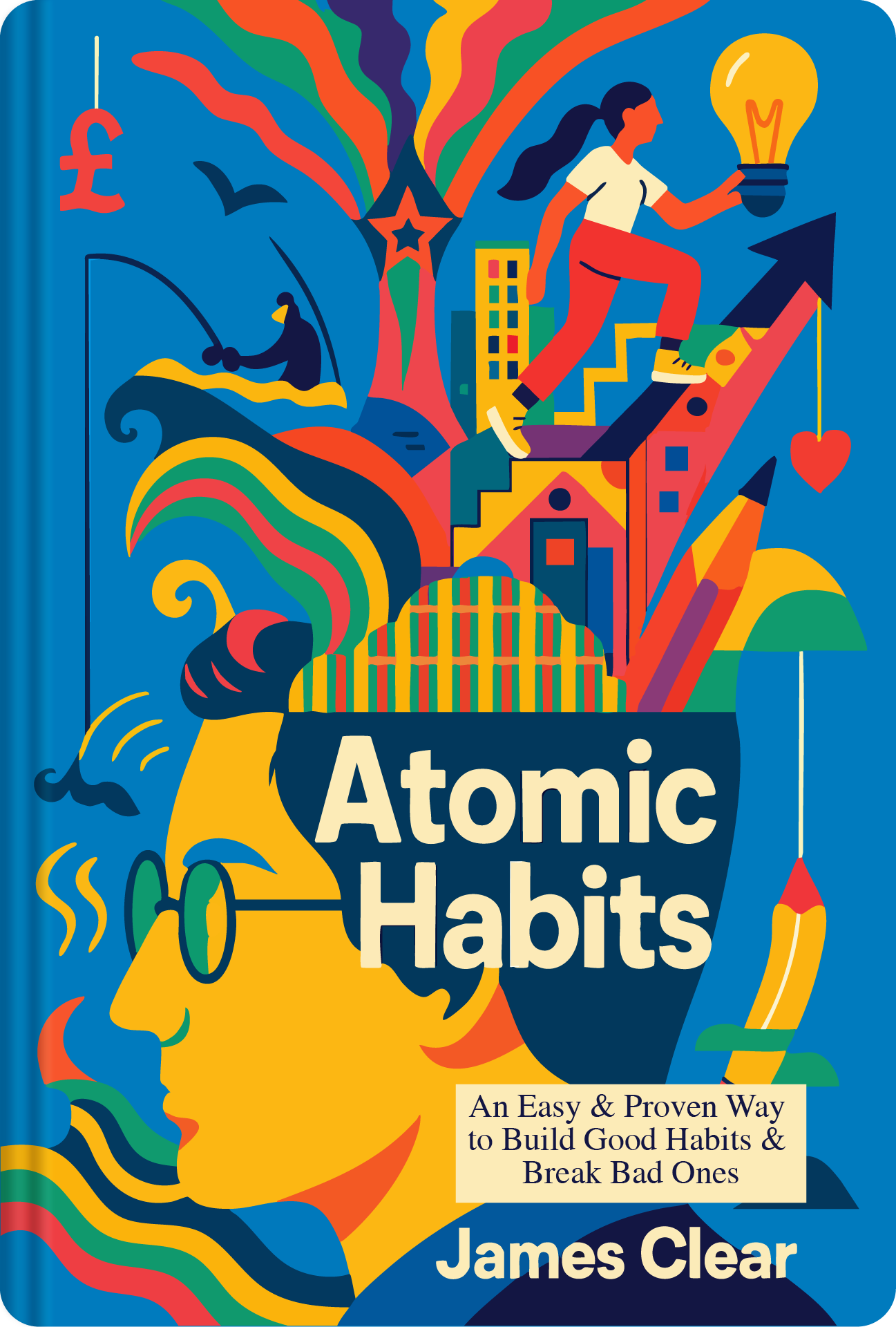 Atomic HabitsJames ClearAtomic Habits gives you James Clear's four simple laws (make it obvious, attractive, easy and satisfying) for building good habits through small changes repeated consistently.Listen to the summary →
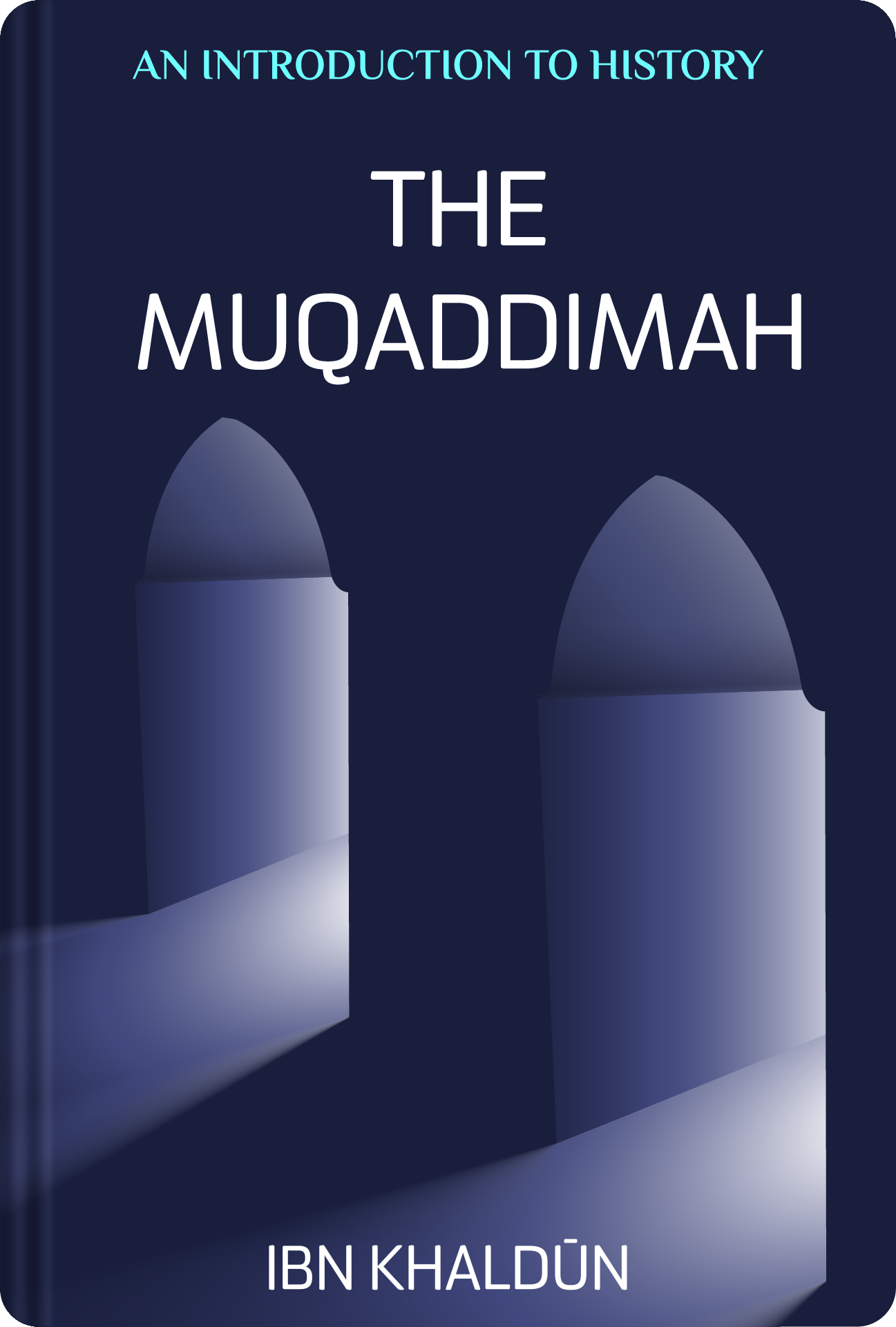 The MuqaddimahIbn KhaldūnThe Muqaddimah explains Ibn Khaldūn's idea of asabiyyah, or social cohesion, and how it shapes the rise and fall of societies, alongside economics, education and the growth of cities.Listen to the summary →
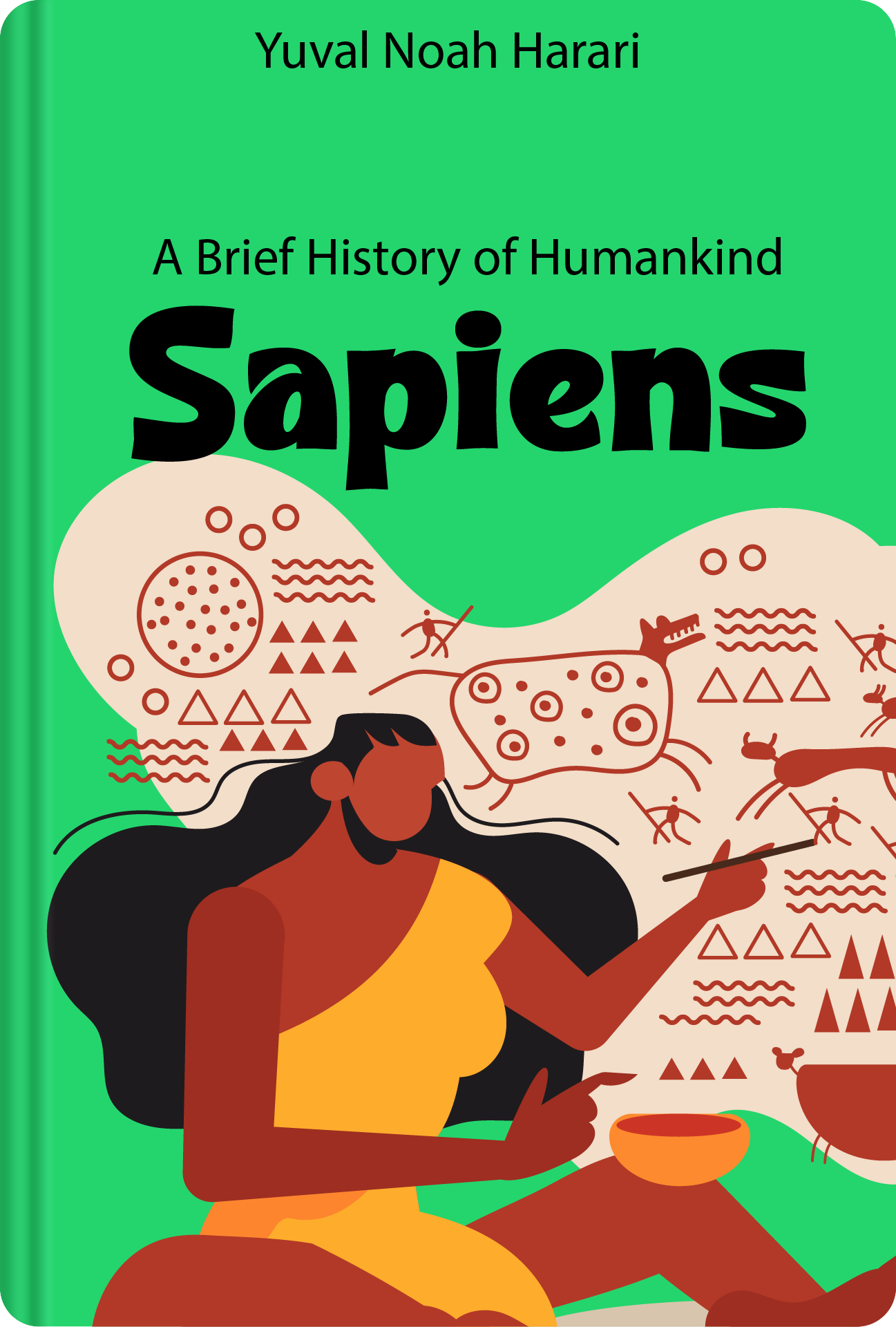 SapiensYuval Noah HarariSapiens shows how language, shared stories, agriculture, trade and science let humans cooperate on a large scale, and asks you to question familiar ideas about progress and happiness.Listen to the summary →
Try this week
You do not need a new routine to read more. You need one small pocket of time that you protect. Here is a simple way to find it.
- Pick one pocket of time you already have: the drive to work, the coffee after lunch or the ten minutes before bed. Choose only one.
- On two days this week, use that pocket to listen to the free summary of the day on Durar. It is open to everyone, with no subscription.
- Straight after each one, write a single sentence in your own words about the idea that stayed with you.
- Try one summary in your second language. Hear it in English if you usually read in Arabic, or the other way round.
- Take one book down from your own shelf and decide honestly whether you will read it this month. If you will, set a day. If not, let it go without guilt.
If two days go well, keep them. A modest weekly goal you actually keep is worth more than an ambitious one you abandon.
The interest was never the problem. The hours were.
Try the yearly plan free for 14 days
Start 14 days free1,000 summaries on phone, tablet and web, with new titles every week and offline listening. Cancel any time before the 14 days end and nothing is charged.Questions people ask
Is there an app with book summaries in Arabic?
Yes. Durar offers 1,000 summaries of non-fiction books and a few classic novels, with new titles added every week, and every summary exists in both Arabic and English. You can listen or read, and switch language from the summary page.
How long does a Durar summary take?
Each summary gives the key ideas of a book in about fifteen minutes, as audio or text. When you read along, the text is highlighted in time with the voice, so you can move between listening and reading.
Who founded the Durar app?
Durar was founded by Jacob Abujaber, who is American and Jordanian and based in Amman. He spent twelve years as an electrical engineer in the aerospace industry. Building began in 2024, and Durar officially launched in early 2026.
Is a book summary as good as reading the full book?
No, and it is not meant to be. A summary gives you the main ideas and helps you decide which books deserve your time. It cannot give you the author's full voice, evidence or stories, so if an idea grips you, read the book.