
You sit down to study or finish a task, pick up your phone to check one thing, and look up twenty minutes later with nothing done. Nothing is wrong with you. Your attention is being pulled by a whole system built to pull it.
It happens at the desk, in the car at a red light, in the family group chat that never goes quiet. You open an app for ten seconds and surface half an hour later, a little tired and a little annoyed with yourself.
The usual advice is to try harder. Five books say something more useful: the problem is partly the world around you and partly a set of habits you can change, and neither needs to make you feel guilty.
Below are five summaries that explain why focus breaks, how to decide what deserves it, how to make the decision stick, and how to work without dreading it. At the end is a one-week plan with one change per day.
Why your focus broke (and why it is not only your fault)
In Stolen Focus, Johann Hari talks to scientists around the world and finds a long list of causes: constant technology, poor sleep, stress, diet, and work cultures built on distraction. His point is that the problem is not only personal, it is also social.
Dopamine Nation looks at the same problem from inside the head. Anna Lembke explains that modern life is full of easy rewards, from phones to food to shopping to games, and that too much pleasure can tip the brain toward craving and discomfort. Put together, the two books say the same thing: a tired, over-rewarded brain struggles to focus, and that is a fixable condition, not a flaw of character.
The rule that fixes most of it: do less, but better
Knowing why you are distracted helps, but you still need a way to decide what gets your attention. Essentialism, by Greg McKeown, offers one: if you spread yourself too thin by saying yes to everything, nothing gets your best.
Applied to a normal week, that means choosing the one or two things that truly matter, whether an exam, a project, or time with family, and letting the rest wait. Most of what fills your phone is not urgent, it is just loud.
Making it stick without making it miserable
A rule is easy to write and hard to follow at ten at night. Jocko Willink's Discipline Equals Freedom argues that discipline is not a cage but the path to more time, better health and more control over your future, and it keeps the advice short and practical.
Ali Abdaal's Feel-Good Productivity adds the other half. He argues that the secret to getting more done is not discipline alone but feeling good while you work, through three energizers: play, power and people. Used together, discipline gives you the structure and enjoyment keeps you coming back to it.
Start with one summary today
Read today's free summaryDurar gives you a free summary every day, in Arabic or English, audio or text.The five summaries, in the order we suggest reading them
Each one takes about fifteen minutes. Listen on the way to work, or read before bed.
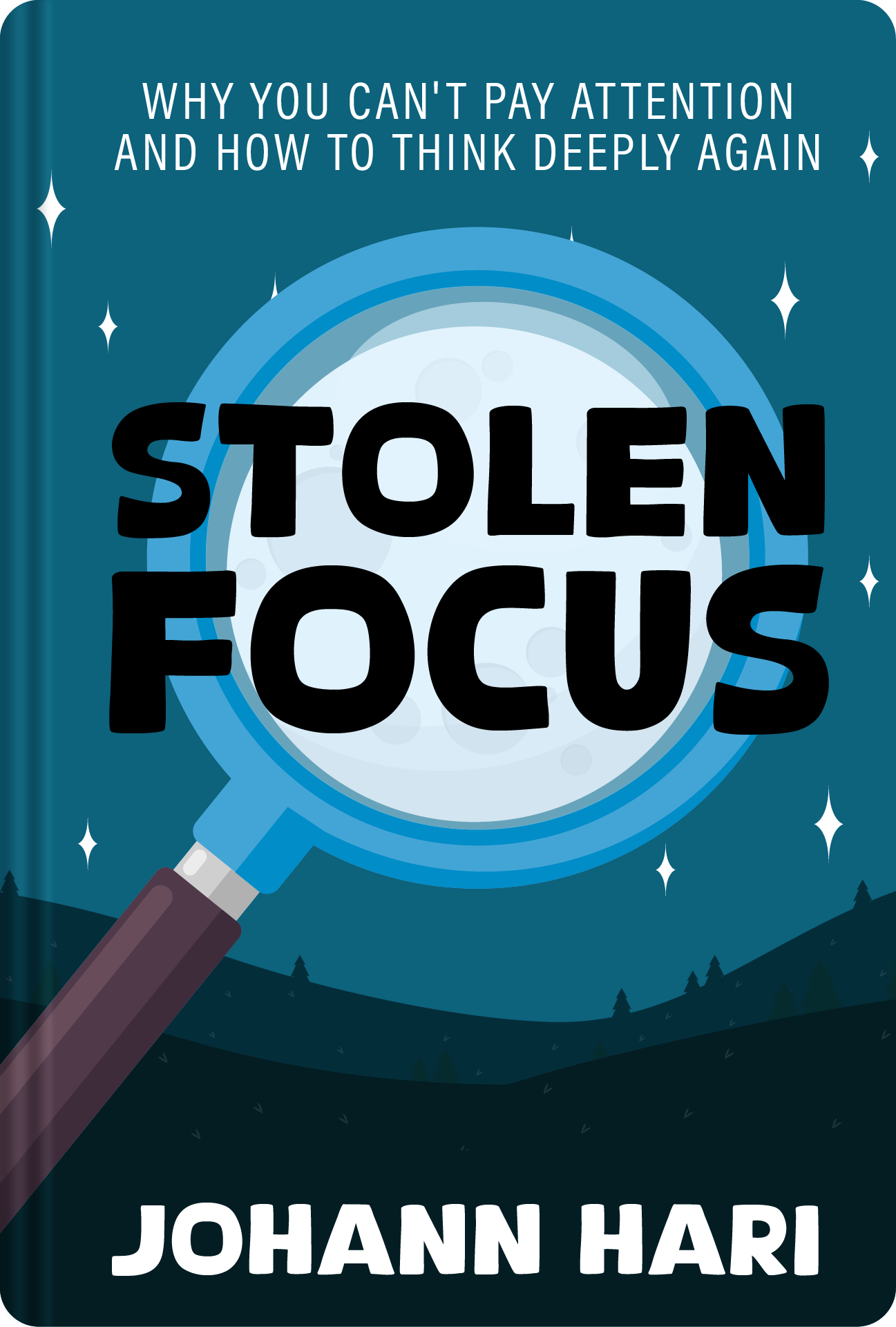 Stolen FocusJohann HariYou learn why so many people find attention harder than ever, and that the causes include sleep, stress and work culture as well as technology.Listen to the summary →
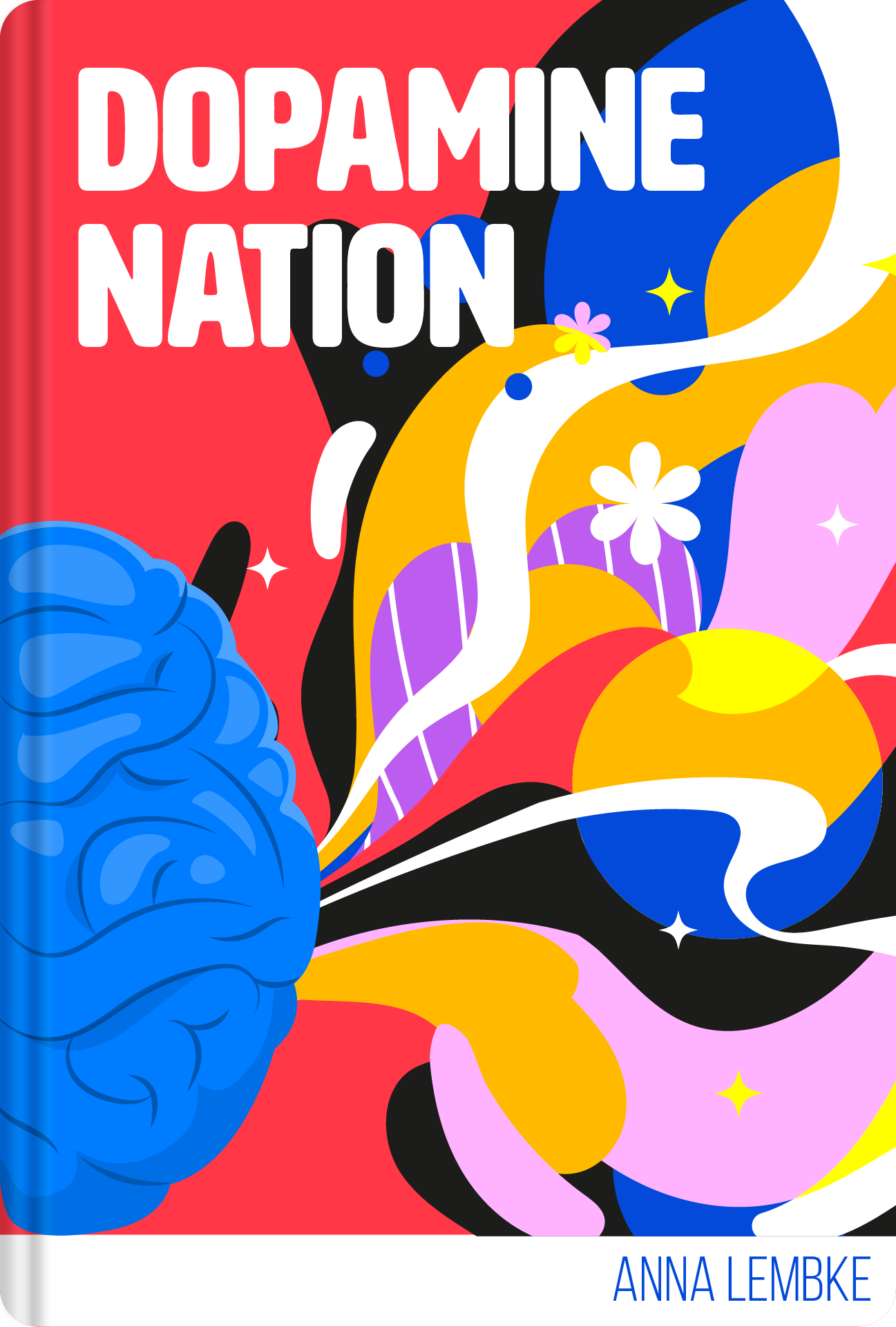 Dopamine NationAnna LembkeYou learn how easy rewards can leave you anxious and unsatisfied, and the practical steps the author offers to restore balance.Listen to the summary →
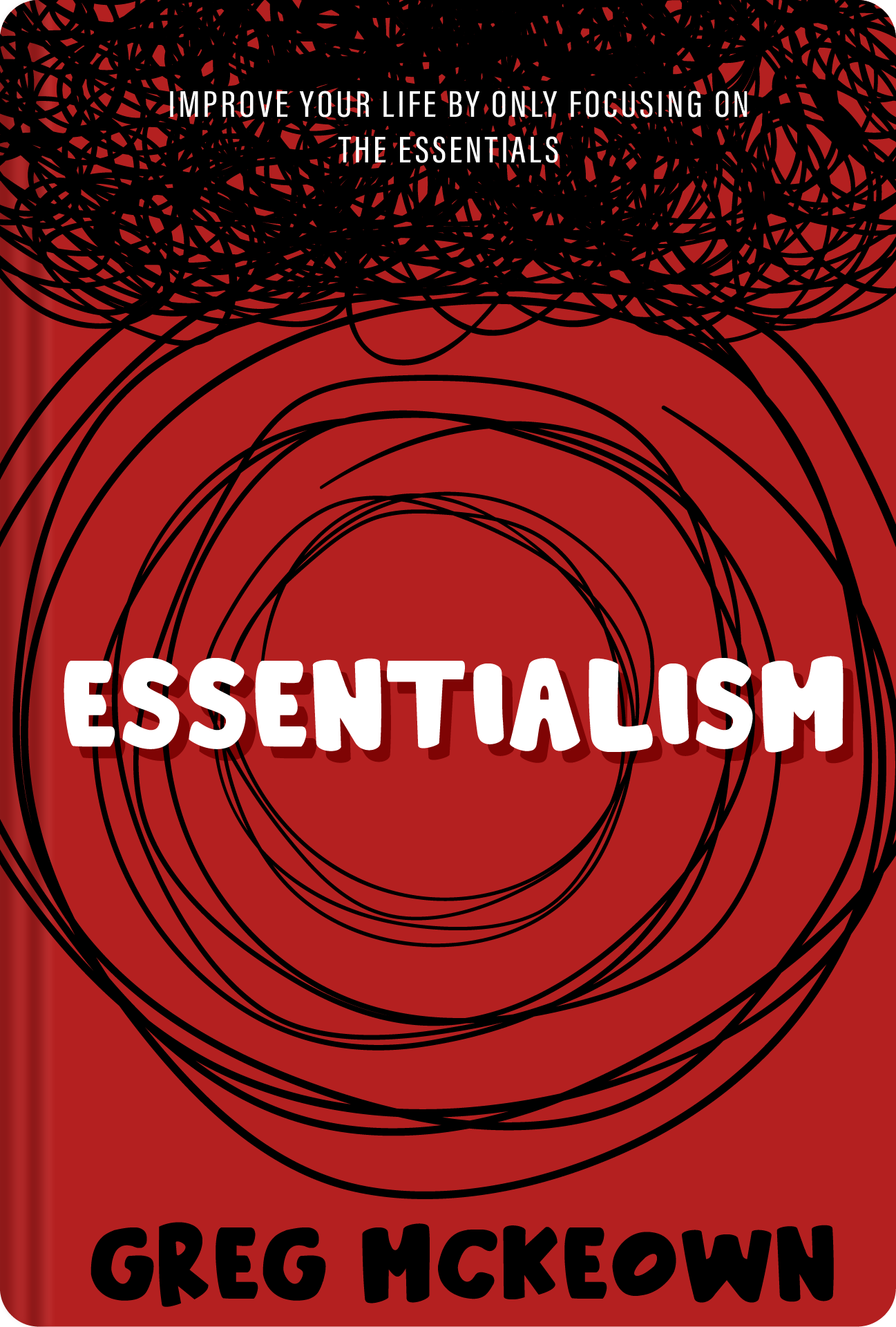 EssentialismGreg McKeownYou get a practical way to identify what is truly essential, eliminate the rest, and regain control of your time and energy.Listen to the summary →
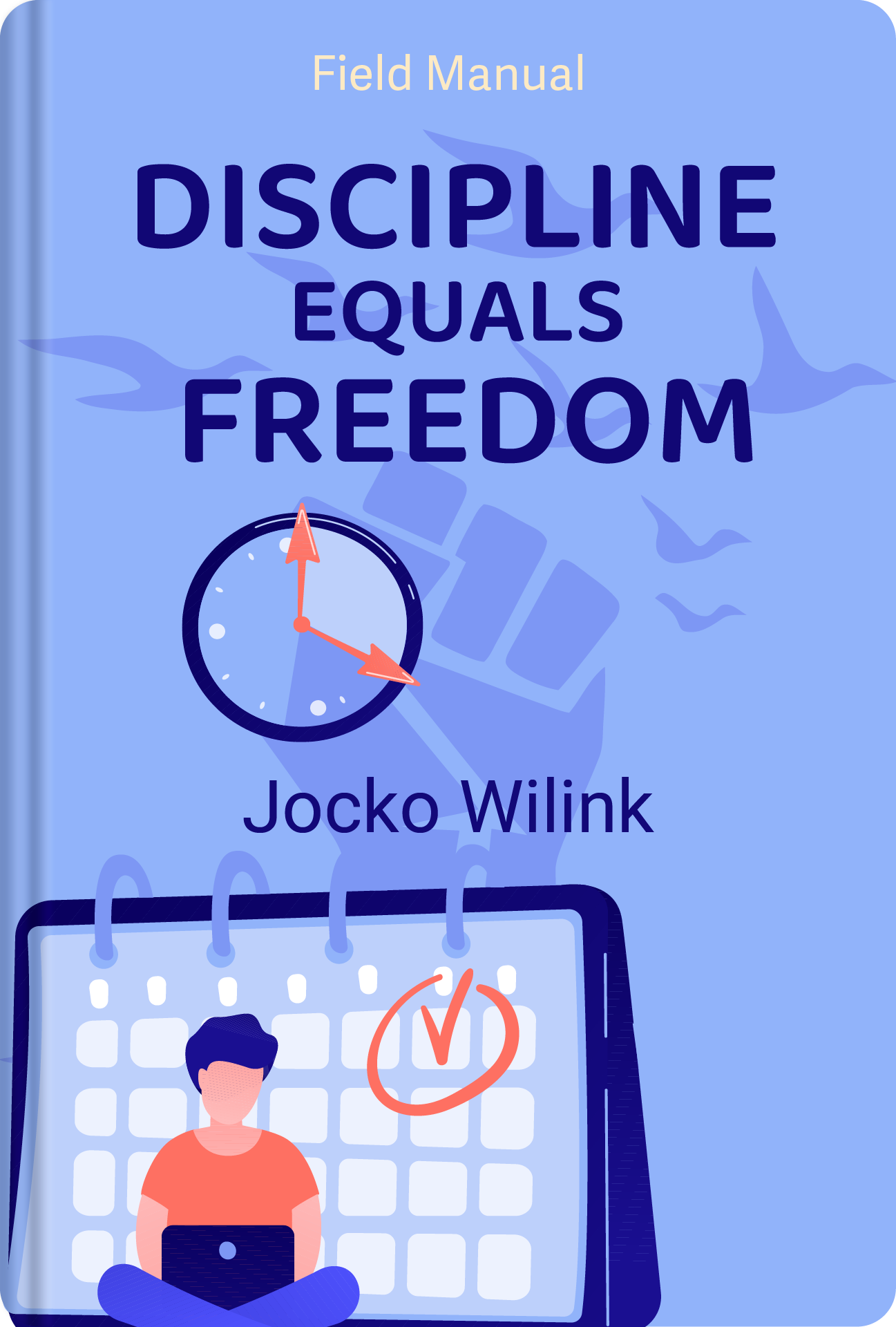 Discipline Equals FreedomJocko WillinkYou see discipline as the route to freedom, with direct advice on waking early, training the body, eating well and staying focused on your goals.Listen to the summary →
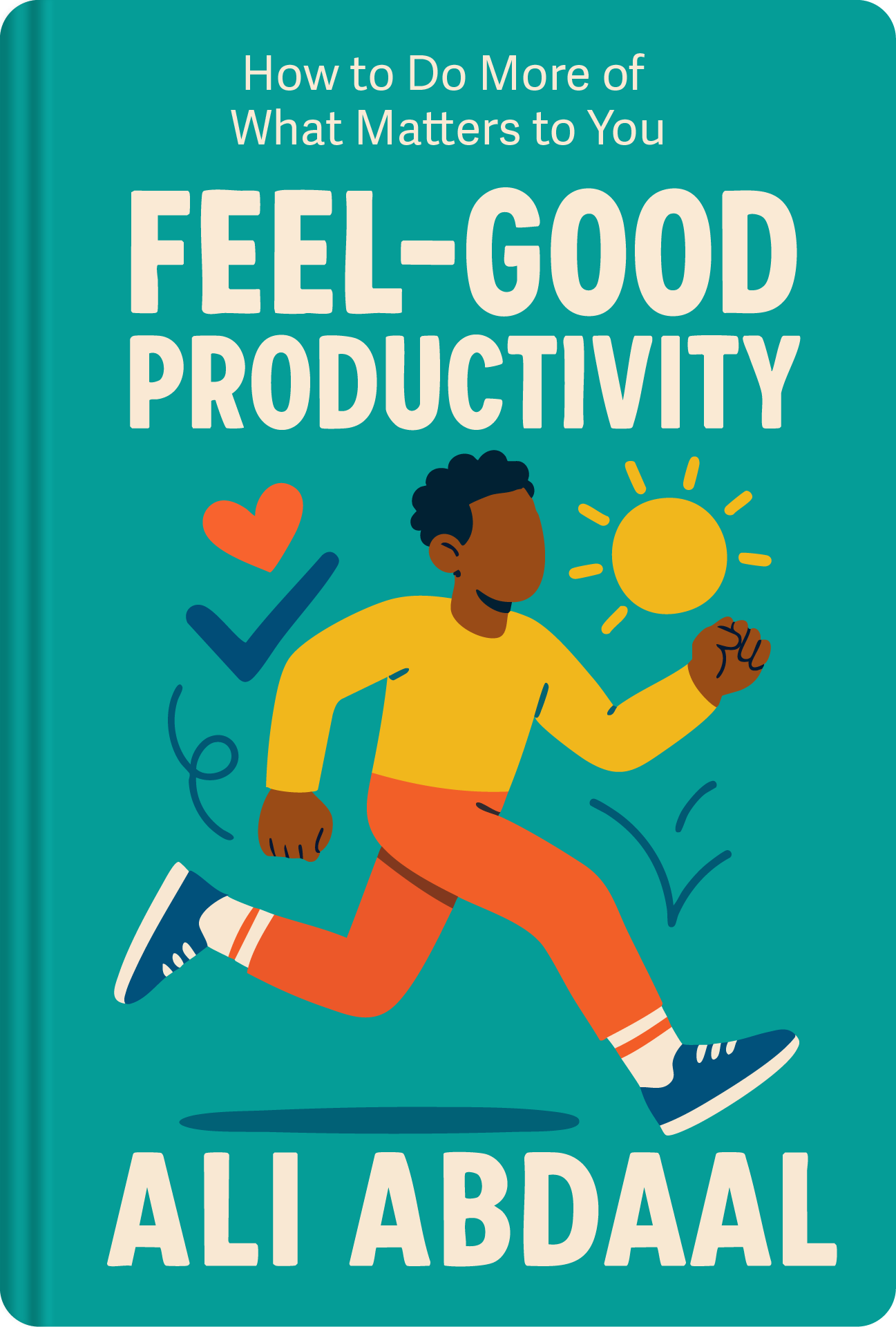 Feel-Good ProductivityAli AbdaalYou learn how to work with play, power and people so that getting things done feels lighter and does not lead to burnout.Listen to the summary →
A one-week reset: one change per day
No big overhaul, no guilt. Each day adds one small change, and you keep the ones that help.
- Day 1: Turn off notifications for everything except calls and the people you truly need. Keep the family group chat, but check it at set times instead of every buzz.
- Day 2: Charge your phone away from your bed tonight, so the last thing you do is not scrolling and the first thing you do is not a screen.
- Day 3: Write down the one thing that matters most this week, an exam, a deadline or a goal. Everything else is secondary.
- Day 4: Work or study for one block of twenty-five minutes with the phone in another room. Take a short break, then repeat once.
- Day 5: Pick one easy-reward habit, such as a game or a shopping app, and skip it for the day. Notice how you feel by evening.
- Day 6: Add something you enjoy to a task you have been avoiding: a coffee you like, a friend studying alongside you, or a small treat when you finish.
- Day 7: Look back at the week. Keep the two changes that helped most, and drop the rest without apology.
That is the whole plan. If you miss a day, pick up at the next one. Progress here is measured in weeks, not in perfect days.
Your focus is not gone. It is waiting for fewer demands, and one decision at a time gets it back.
Nearly 1,000 summaries, 15 minutes each
Start your 14-day free trialTry the yearly plan free for 14 days and cancel anytime.Questions people ask
How can I focus better when studying?
Start small. Silence notifications, keep your phone in another room for one twenty-five minute block, and decide beforehand what you will work on. The summaries above explain why this works and how to keep it going.
Which summary should I start with if I only have time for one?
If distraction is your main problem, start with the Stolen Focus summary to understand the causes. If you mostly feel overloaded and unsure what to prioritize, start with the Essentialism summary.
Are these summaries available in Arabic?
Yes. Every summary on Durar is available in both Arabic and English, in audio and text, so you can choose whichever suits your day.