Get started

Topic

The best 17 Chronic Illness summaries

Chronic illness covers the long-term conditions that shape daily life, from stress-related disease and gut-brain health to ADHD, autism and the lasting effects of trauma, concerns that touch many families across the region as lifestyles change and pressures grow. The books here range from medical research and nutrition guides to compassionate explorations of the mind-body link and honest accounts of where healthcare falls short. Readers can use these ideas to understand their own bodies better, speak up with confidence when seeing a doctor, and build steady habits that support long-term health.

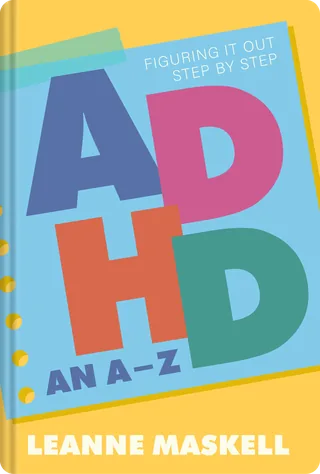
1ADHD an A-Z

ADHD an A-Z

Leanne Maskell

Understand the ADHD brain and build practical systems that make school, work, and everyday life easier to manage.

17 min

Listen to the intro

0:59

What is ADHD an A-Z about?

ADHD an A-Z (2022) provides an accessible guide to understanding attention deficit hyperactivity disorder and the many ways it may affect daily life. Organised by topics from A to Z, it discusses attention, organisation, emotions, work, money, relationships, and practical support strategies. The book combines personal experience with useful tools, while recognising that professional assessment and individualised care remain important for anyone seeking a diagnosis or treatment.

Who should read ADHD an A-Z?

  • Adults with ADHD seeking practical systems for daily life
  • Parents and partners supporting a loved one with ADHD
  • Students and professionals struggling with focus and organization
2It's Not Hysteria

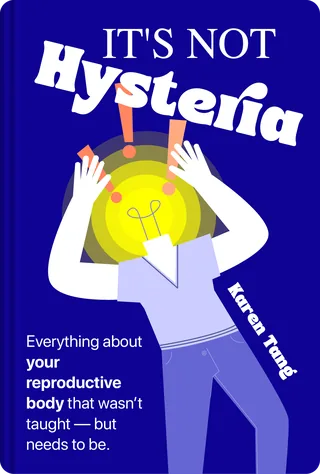
It's Not Hysteria

Karen Tang

Advocate confidently for your health by recognising overlooked symptoms, understanding your body, and seeking the care you deserve.

16 min

Listen to the intro

2:28

What is It's Not Hysteria about?

It's Not Hysteria (2024) provides an accessible guide to women’s health and encourages readers to understand their bodies and take their concerns seriously. It explains common symptoms, changes across different stages of life, and ways to communicate effectively with medical professionals.

Who should read It's Not Hysteria?

  • Women whose health concerns are often dismissed
  • Anyone preparing for clearer conversations with doctors
  • Women navigating body changes across life stages
3ADHD for Smart Ass Women

ADHD for Smart Ass Women

Tracy Otsuka

Turn ADHD traits into strengths by understanding your brain, breaking limiting patterns, and building systems that work for you.

18 min

Listen to the intro

1:53

What is ADHD for Smart Ass Women about?

ADHD for Smart Ass Women (2023) offers an empowering and practical examination of how attention deficit hyperactivity disorder can appear in women, particularly when its signs have been misunderstood or overlooked. Tracy Otsuka focuses on qualities such as creativity, curiosity, enthusiasm, intuition, and unconventional thinking while also addressing challenges involving organisation, focus, time, and emotional regulation. The book helps readers understand their patterns, work with their strengths, and develop strategies for creating a productive and fulfilling life.

Who should read ADHD for Smart Ass Women?

  • Women who suspect they have undiagnosed ADHD
  • Anyone struggling with scattered focus and managing time
  • Parents and spouses supporting a woman with ADHD
4Scattered Minds

Scattered Minds

Gabor Maté

Explore a compassionate perspective on ADHD that connects attention and behaviour with early experiences, offering greater understanding, healing, and adaptability.

17 min

Listen to the intro

1:42

What is Scattered Minds about?

Scattered Minds (1999) offers a compassionate new way of understanding attention deficit disorder. Gabor Maté, who was himself diagnosed with the condition as an adult, argues that it is shaped not only by genes but also by early childhood experiences and stress. He explains how the condition affects daily life and relationships, and offers practical guidance for healing and self-understanding.

Who should read Scattered Minds?

  • Adults recently diagnosed with ADHD seeking self-understanding
  • Parents raising children who struggle with attention and focus
  • Teachers and counselors who support easily distracted young people
5Women, Food, and Hormones

Women, Food, and Hormones

Sara Gottfried

Understand how hormones influence weight, mood, and energy, then adopt practical habits that support balance and lasting well-being.

15 min

Listen to the intro

1:20

What is Women, Food, and Hormones about?

Women, Food, and Hormones (2021) explains how women’s hormones affect weight, energy, and overall health, and why diets designed mainly for men often do not work as well for women. Sara Gottfried shares a nutrition plan tailored to women’s biology, focused on balancing hormones, reducing inflammation, and supporting metabolism. The book includes practical guidance, meal plans, and recipes.

Who should read Women, Food, and Hormones?

  • Women whose diets keep failing despite real effort
  • Anyone curious how hormones shape weight, mood and energy
  • Women seeking practical meal plans for hormonal balance
6Super Human

Super Human

Dave Asprey

Support healthy ageing through targeted nutrition, smart technology, and optimised habits that strengthen energy, focus, and long-term well-being.

20 min

Listen to the intro

1:19

What is Super Human about?

Super Human (2019) explores practical ways to slow ageing and live a longer, more energetic life. Dave Asprey explains the main causes of ageing in the body and shares strategies that include better sleep, improved nutrition, managing stress, strength training, and using new health technologies. The book encourages readers to take an active role in their health so they can feel better and perform at their best for longer.

Who should read Super Human?

  • Anyone who wants to age with more energy and focus
  • Professionals seeking better sleep, nutrition and stress management
  • Health enthusiasts curious about technology for longer, healthier lives
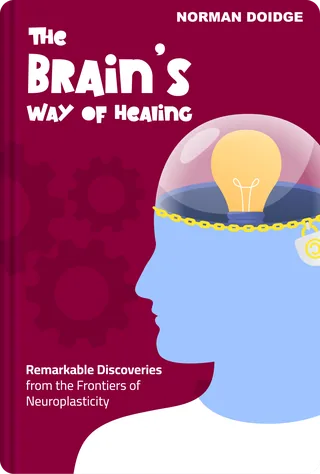
7The Brain’s Way of Healing

The Brain’s Way of Healing

Norman Doidge

Unlock the brain’s ability to reshape and heal itself through targeted practices that restore function and relieve suffering.

19 min

Listen to the intro

2:15

What is The Brain’s Way of Healing about?

The Brain’s Way of Healing (2015) explores how the brain’s capacity to change itself, known as neuroplasticity, can help people recover from conditions once thought permanent. Norman Doidge shares stories of patients living with chronic pain, stroke, Parkinson’s disease, brain injury, and learning disorders who improved through approaches using movement, light, sound, and other forms of energy. The book presents a hopeful view of how the mind and brain can heal.

Who should read The Brain’s Way of Healing?

  • People living with chronic pain or neurological conditions
  • Caregivers supporting loved ones after stroke or brain injury
  • Anyone curious about how the brain heals itself
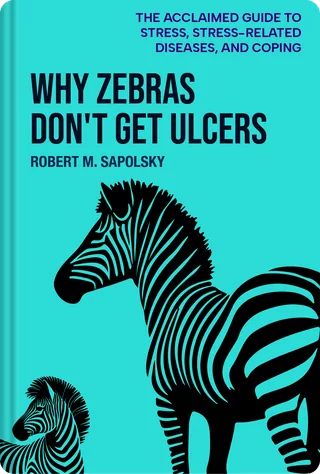
8Why Zebras Don't Get Ulcers

Why Zebras Don't Get Ulcers

Robert M. Sapolsky

See how chronic stress reshapes the body and mind, and why modern pressures can quietly fuel illness.

15 min

Listen to the intro

0:55

What is Why Zebras Don't Get Ulcers about?

Why Zebras Don't Get Ulcers (1994) explains how stress affects the body and why modern life makes us sick. Robert M. Sapolsky shows that animals like zebras activate their stress response only in short emergencies, while humans often keep it switched on for weeks or years because of worries and pressures. He explains the effects on the heart, digestion, memory, and sleep, and how to cope better.

Who should read Why Zebras Don't Get Ulcers?

  • Professionals running on constant pressure and deadlines
  • Anyone whose worries disrupt their sleep or digestion
  • Readers curious about how stress affects health
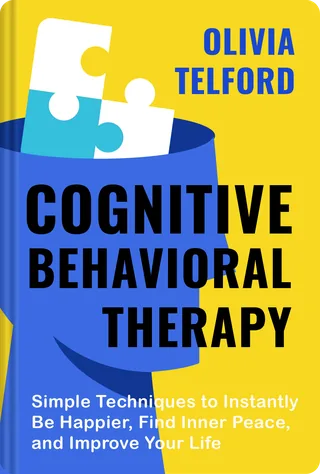
9Cognitive Behavioral Therapy

Cognitive Behavioral Therapy

Olivia Telford

Break negative thought cycles with practical CBT techniques that build healthier emotional patterns, resilience, and confidence.

17 min

Listen to the intro

1:22

What is Cognitive Behavioral Therapy about?

Cognitive Behavioral Therapy (2018) introduces the basic principles of cognitive behavioural therapy and explains how thoughts, emotions, and actions can reinforce one another. Olivia Telford presents exercises for recognising unhelpful thinking patterns, examining assumptions, managing difficult emotions, and developing more constructive responses. The book is a general self-help introduction rather than a replacement for professional assessment or treatment from a qualified mental health specialist.

Who should read Cognitive Behavioral Therapy?

  • Anyone caught in recurring cycles of negative thinking
  • Beginners curious about the core ideas behind CBT
  • People seeking practical exercises for managing difficult emotions
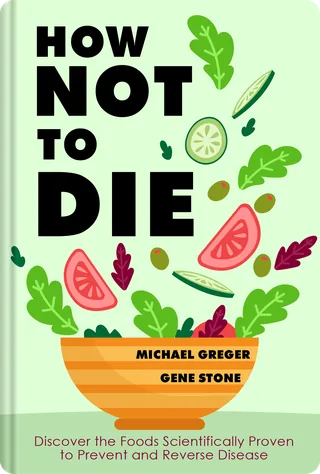
10How Not to Die

How Not to Die

Michael Greger and Gene Stone

Turn research into practical nutrition and lifestyle choices that support disease prevention, healthier ageing, and lasting well-being.

17 min

Listen to the intro

1:19

What is How Not to Die about?

How Not to Die (2015) examines the leading causes of early death, such as heart disease, diabetes, and several cancers, and explains how diet and lifestyle can help prevent them. Michael Greger and Gene Stone review a large body of nutrition research and argue for a diet rich in whole plant foods like vegetables, fruits, beans, and whole grains. The book also offers a practical daily checklist for healthier eating.

Who should read How Not to Die?

  • Anyone with a family history of heart disease or diabetes
  • Readers seeking nutrition advice backed by scientific research
  • Adults who want to age with health and energy
11When the Body Says No

When the Body Says No

Gabor Maté

Explore how chronic stress and suppressed emotions may affect physical health, and why healing begins with understanding your emotional life.

18 min

Listen to the intro

1:27

What is When the Body Says No about?

When the Body Says No (2003) explores the connection between long-term stress, emotions, and physical illness. Drawing on his medical practice and research, Gabor Maté shows how hidden stress and a lifelong habit of suppressing emotions may affect the immune system and contribute to chronic disease. The book encourages readers to listen to their bodies and pay attention to their emotional well-being.

Who should read When the Body Says No?

  • People living with chronic illness or ongoing stress
  • Anyone who habitually holds back their emotions
  • Health professionals curious about the mind-body connection
12In a Different Key

In a Different Key

John Donvan and Caren Zucker

Trace the history of autism through the people who challenged misconceptions and fought for greater understanding, dignity, and acceptance.

16 min

Listen to the intro

0:55

What is In a Different Key about?

In a Different Key (2016) tells the history of autism, from the first child to be formally diagnosed in the United States to the present day. John Donvan and Caren Zucker describe how understanding of autism changed over time, the doctors and researchers who shaped it, and the parents and advocates who fought for acceptance, education, and rights. The book was a finalist for the Pulitzer Prize.

Who should read In a Different Key?

  • Parents and families of children on the autism spectrum
  • Teachers and therapists who work with autistic individuals
  • Readers curious about how medicine and society understand difference
13The Body Keeps the Score

The Body Keeps the Score

Bessel van der Kolk

Understand how trauma reshapes the mind and body, and why healing both is essential to restoring balance and well-being.

16 min

Listen to the intro

2:30

What is The Body Keeps the Score about?

The Body Keeps the Score (2014) explains how trauma reshapes the brain and body, affecting memory, emotions, relationships, and health long after the event has passed. Bessel van der Kolk draws on decades of clinical work and research to show why talking alone is often not enough, and explores therapies such as EMDR, yoga, neurofeedback, and theatre that help survivors regain a sense of safety and control.

Who should read The Body Keeps the Score?

  • Anyone living with the lasting effects of past trauma
  • Therapists and counselors seeking body-based approaches to healing
  • Families supporting a loved one through trauma recovery
14Heal Your Gut, Save Your Brain

Heal Your Gut, Save Your Brain

Partha Nandi

Strengthen your gut-brain connection through practical nutrition and lifestyle changes that improve mood, mental clarity, and long-term brain health.

16 min

Listen to the intro

1:25

What is Heal Your Gut, Save Your Brain about?

Heal Your Gut, Save Your Brain (2024) explores current research on the connection between digestive health and cognitive well-being. It discusses nutrition, movement, community, purpose, and other lifestyle factors while encouraging readers to make informed health decisions with appropriate medical guidance.

Who should read Heal Your Gut, Save Your Brain?

  • Anyone curious about how gut health shapes the mind
  • People seeking better mood and focus through daily habits
  • Caregivers worried about a loved one's long-term brain health
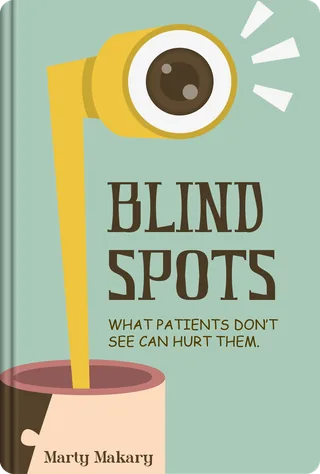
15Blind Spots

Blind Spots

Marty Makary

Expose the hidden failures that endanger patients and see how transparency, communication, and accountability can create safer healthcare.

19 min

Listen to the intro

1:10

What is Blind Spots about?

Blind Spots (2024) examines cases where the medical establishment held on to beliefs that later proved wrong, sometimes for decades. Marty Makary shows how groupthink, pressure to conform, and reluctance to question experts can lead to poor advice for patients, and explores examples from nutrition, allergies, and hormone treatment. He calls for more humility, open debate, and better use of evidence in medicine.

Who should read Blind Spots?

  • Healthcare professionals willing to question long-held medical assumptions
  • Patients who want to ask better questions about their care
  • Anyone curious why expert consensus is sometimes wrong
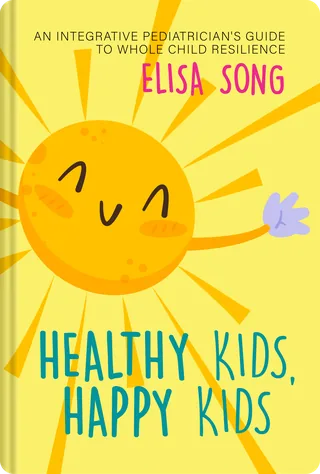
16Healthy Kids, Happy Kids

Healthy Kids, Happy Kids

Elisa Song

Raise resilient, energetic children through balanced nutrition, healthy routines, and practical habits that support lifelong well-being.

11 min

Listen to the intro

1:10

What is Healthy Kids, Happy Kids about?

Healthy Kids, Happy Kids (2023) is a practical guide to supporting children’s health from the inside out. Elisa Song, a paediatrician who combines conventional and integrative medicine, explains how gut health, nutrition, sleep, and stress affect children’s bodies and moods. She offers simple, everyday steps parents can take to help prevent common illnesses and raise healthier, happier kids.

Who should read Healthy Kids, Happy Kids?

  • Parents who want fewer sick days for their kids
  • Caregivers curious how gut health shapes children's mood
  • Families seeking simple daily routines for healthier children
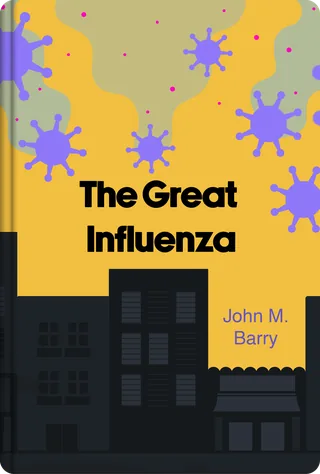
17The Great Influenza

The Great Influenza

John M. Barry

Revisit the 1918 influenza pandemic to understand how war, scientific limits, and institutional failures turned an outbreak into a global catastrophe.

18 min

Listen to the intro

0:46

What is The Great Influenza about?

The Great Influenza (2004) tells the story of the 1918 flu pandemic, one of the deadliest in history, which killed tens of millions of people around the world. John M. Barry follows the scientists and doctors who raced to understand the disease, and shows how war, politics, and poor public communication made the crisis worse. The book offers lasting lessons about science, leadership, and honesty during a public health emergency.

Who should read The Great Influenza?

  • History readers curious about the 1918 flu pandemic
  • Health professionals preparing for future public health emergencies
  • Leaders who must communicate honestly during a crisis

Related topics

Questions about Chronic Illness

What is a good book to start with on chronic illness?

Why Zebras Don't Get Ulcers is a clear starting point, explaining how ongoing stress quietly wears down the body. When the Body Says No builds on this by linking suppressed emotions to physical illness.

What will I learn from chronic illness books?

You will learn how stress, trauma, diet and brain wiring influence long-term health, and which practical changes can make a difference. Titles such as How Not to Die and Heal Your Gut, Save Your Brain turn research into everyday choices.

Who are these summaries for?

They suit anyone living with a long-term condition, caring for a family member, or wanting to prevent illness before it starts. They also help parents and professionals understand conditions such as ADHD and autism with more patience and insight.

Get the key ideas from the world's best books in about 15 minutes

Free account · One free summary every day