
Your daughter is on the floor of the supermarket, crying over a packet of biscuits, and every adult nearby is watching you. Somewhere in your head, your own mother's voice says what it always said: stop crying, that's enough. You love your child, and you are quietly realising you were never given any other sentence to say.
Most of us grew up with that sentence, and most of us turned out fine. Our parents and grandparents were doing what they knew, with far less time and far more worries than they ever said aloud. This is not a story about them getting it wrong.
But our children live in a different world. They have screens in their hands at three, homework pressure at seven, and a house full of toys and noise. And we are the first generation expected to talk about feelings with our children, without having been taught the vocabulary ourselves.
Here are five summaries that give you those words and a few small moves. None asks you to become a perfect parent. Each takes about fifteen minutes, which is the length of a drive to school or the time it takes to cook rice.
Start with the words, not the discipline
When a child has a meltdown, we usually reach for a rule or a consequence. The books in this list suggest starting one step earlier: helping the child, and ourselves, put a name to what is happening inside.
A child who can say "I'm disappointed" or "I'm embarrassed" has more choices than a child who can only scream or go silent. And a parent who can say "I'm frustrated, I need a minute" is teaching more than any lecture could.
Calm first, then connect, then teach
The afternoon tantrum is rarely a good moment for a speech about behaviour. The child's thinking brain is, for now, switched off. What helps is simpler: a steady voice, a few words about what they might be feeling, and a little time.
Parents often say the hardest part is not the child's anger but their own. The summaries here treat that honestly, as something to notice rather than be ashamed of.
Then look at the house, the phone and the praise
Emotional steadiness is not only built in conversations. It is also built by what surrounds a child: how many toys fill the room, how full the week is, when the first phone arrives, and what we praise when they bring home a result.
These are quiet choices, and most of them can be made on an ordinary Tuesday. You do not need to change the whole family at once. Pick one thing, try it for two weeks, and see what shifts.
Hear the first one on your next drive
Listen to today's free summaryEach summary is about 15 minutes, in audio or text, in Arabic or English.The five summaries, in the order we would read them
Start with the first if you only have time for one. The rest can be read in any order, depending on what is hardest at home right now.
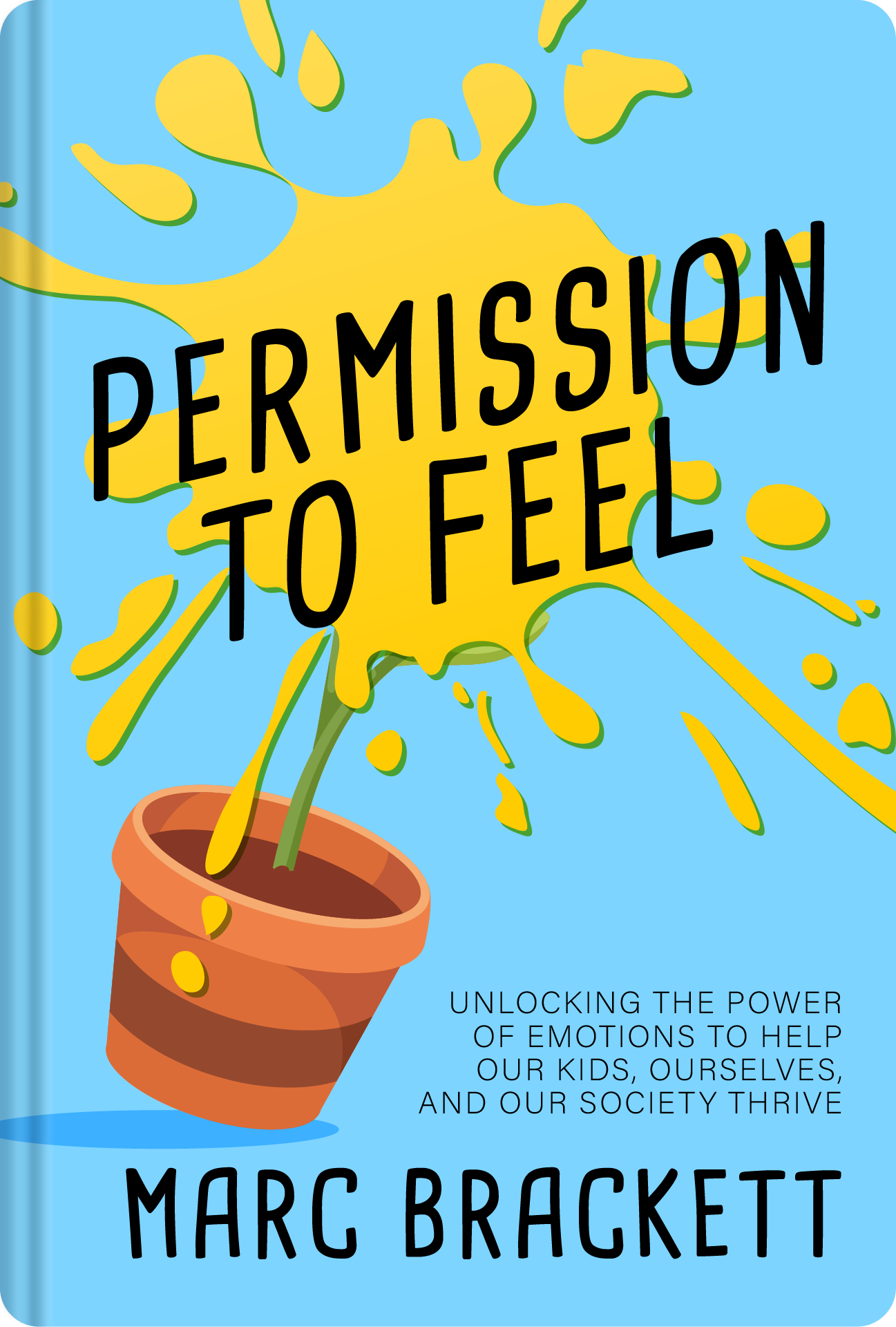 Permission to FeelMarc BrackettYou take away that emotions are information, not weakness, and a simple way to recognise, name and express them that you can model for your children.Listen to the summary →
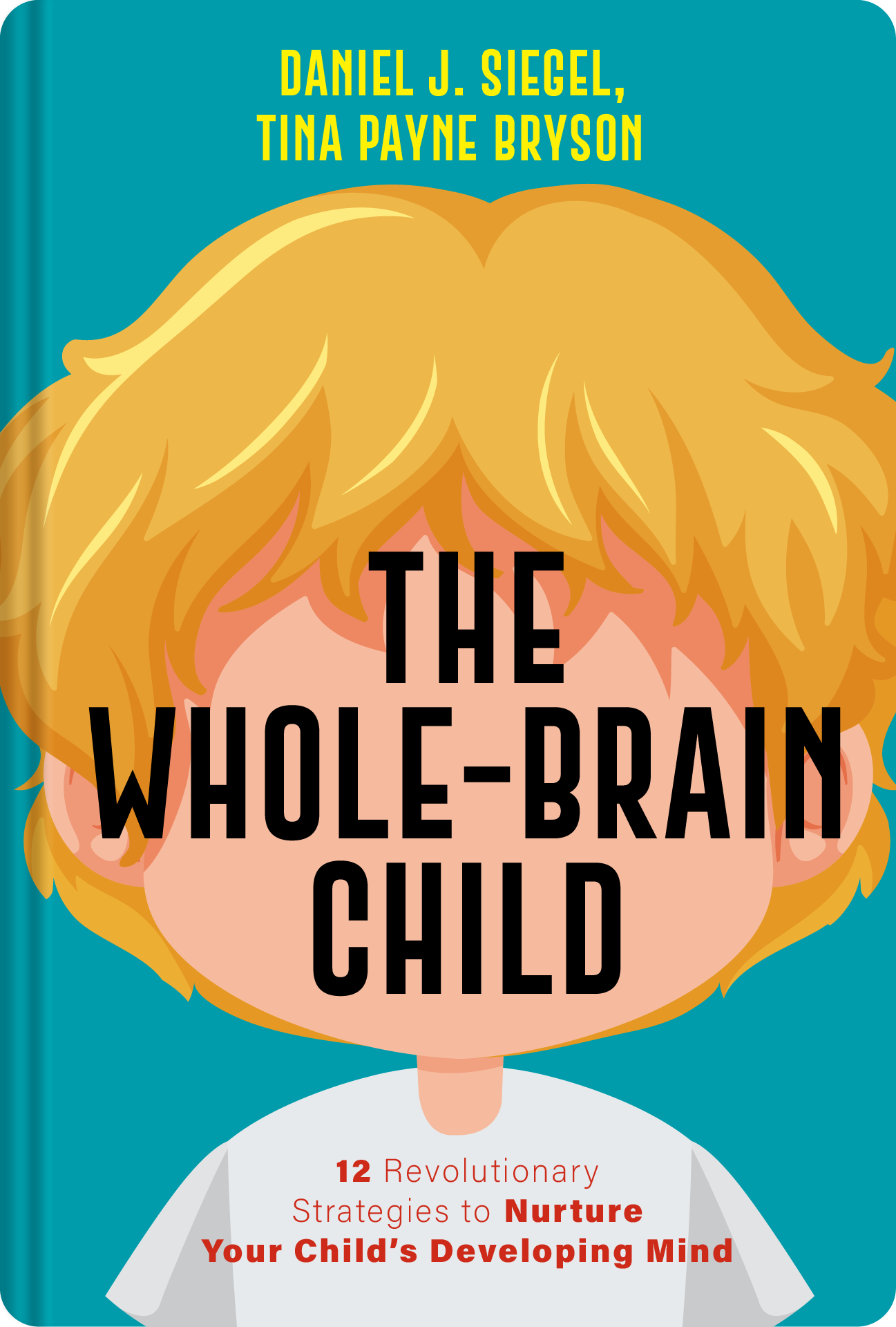 The Whole-Brain ChildDaniel J. Siegel and Tina Payne BrysonYou take away practical strategies for big emotions, including naming a feeling to calm it, so a hard moment becomes a chance to connect.Listen to the summary →
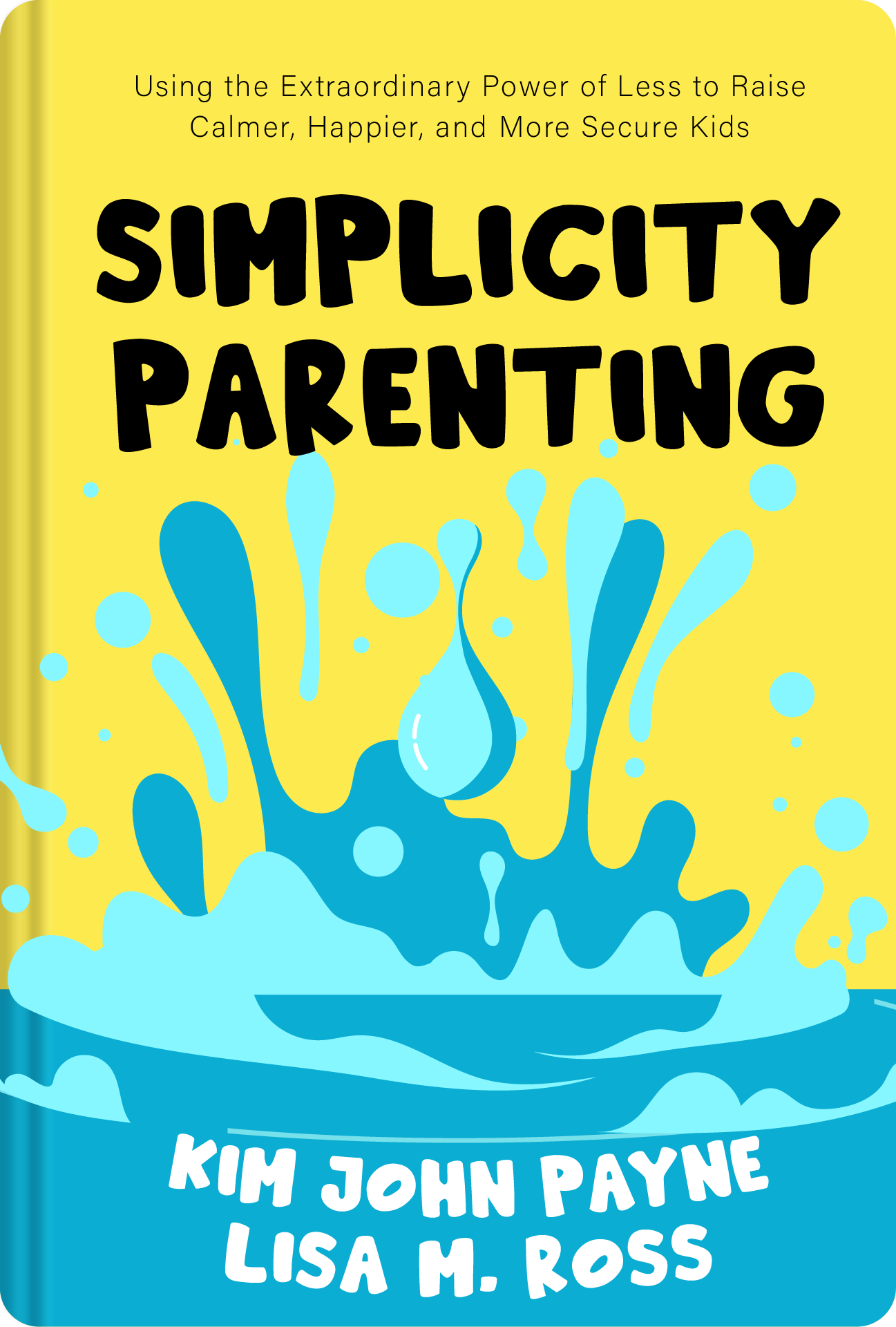 Simplicity ParentingKim John Payne and Lisa RossYou take away how fewer toys, a steadier daily rhythm and a lighter schedule can help children feel calmer and more secure at home.Listen to the summary →
 The Anxious GenerationJonathan HaidtYou take away why Haidt argues childhood has moved from play to phones, and the practical reforms he proposes, such as no smartphone before high school.Listen to the summary →
 MindsetCarol DweckYou take away the difference between a fixed and a growth mindset, and why praising effort and strategy can matter more than praising talent.Listen to the summary →
A two-week experiment, five minutes a day
You do not need to finish all five summaries to begin. Try this over the next two weeks, one small step at a time.
- Once a day, name one feeling out loud: yours or your child's. "You look disappointed." "I felt rushed this morning." No lecture afterwards.
- The next time a meltdown starts, say nothing clever. Lower your voice, stay close, and name the feeling once. Talk about behaviour later, when everyone is calm.
- Change one thing in the home or the routine: put half the toys in a cupboard, or choose one screen-free hour, and keep it for the full two weeks.
Then, when your child brings home a mark or a drawing, try praising the effort or the method instead of the result. Notice what they do with it.
Our children do not need parents with perfect words, only parents who are willing to find them together.
Nearly 1,000 summaries, one small habit
Start your 14 days freeTry the yearly plan free for 14 days and cancel anytime, and get a free summary every day either way.Questions people ask
Which parenting book summary should I start with if I only have time for one?
Start with the Permission to Feel summary. It gives you a simple language for emotions that the other four build on, and it helps you as much as your children.
How can I handle my child's tantrums without shouting?
The Whole-Brain Child summary offers strategies for exactly these moments, such as naming the big feeling to help calm it. Many parents find it easier to start with their own tone and a few simple words, then talk about behaviour once everyone is calm.
Are the summaries available in Arabic, and can I listen while driving or cooking?
Yes. Every summary on Durar is available in Arabic and English, as audio and as text, and each takes about fifteen minutes. Many parents listen while driving or cooking.