
It is eleven at night, the exam is at eight, and your chest feels tight in a way that no amount of revision is fixing. You open your phone to check one thing and surface twenty minutes later with nothing new in your head. Two thousand years ago, a man with far more to lose than you faced the same feeling, and he wrote down what he did about it.
That man was Marcus Aurelius, emperor of Rome. He ran an empire, led armies, buried children and put up with a long illness. Late at night, in military camps, he wrote short notes to himself. Those notes became Meditations, a book he never meant anyone else to read.
He was not working alone. He had been shaped by the teachings of Epictetus, a man who was born a slave, was later freed, and taught that nobody can take your judgment away from you. And the same toolkit shows up today: a routine that US Navy trainees are taught for staying steady under pressure uses the same thinking, only in modern language.
You do not need to read a stack of philosophy to use any of this. Five habits are enough, and each one fits into a normal student or work week. Nothing here asks you to change what you believe or how you live. These are tools for the mind, and they sit comfortably alongside faith, family and ambition.
Habit one and two: close the day, then zoom out
The first habit is the evening review. The Stoics ended the day by asking three plain questions: what did I do well, what did I get wrong, what will I do differently tomorrow? It is not a trial. It is closer to a coach going through the tape. For a student, it can take five minutes in bed: did I study when I planned to, where did the time leak, what is the first task tomorrow? The point is to stop the day from replaying in your head all night.
The second habit is the view from above. When the pressure builds, imagine rising slowly above your city, then above the country, then far enough that you can see the whole earth and the long line of people who have sat exams, missed deadlines and recovered. Marcus used this to shrink his worries to their real size. On the drive to work or the walk to the exam hall, thirty seconds of it can turn a disaster into a Tuesday problem.
Habit three and four: sort what is yours, then rehearse the bad day
The third habit is the one everything else rests on: separate what you control from what you do not. Epictetus put it simply. Your effort, your preparation and your choices are yours. The questions on the paper, the traffic, your manager's mood and other people's opinions are not. Take a sheet, draw a line down the middle, and write each worry on the correct side. Then spend your energy only on the left column. Most of the knot in your chest lives in the right one.
The fourth habit sounds grim but works the other way. It is the premeditation of trouble: before a big day, picture what could go wrong. The laptop dies, the question you did not revise appears, the client arrives early, the bus is late. Then decide calmly what you would do. When something does go wrong, you are not meeting it for the first time. You have already walked through it. Pack the spare charger, arrive earlier, and notice how much lighter you feel.
Habit five: aim at the effort, not the result
The last habit is sometimes called the dichotomy of goals and outcomes. Picture an archer. The archer controls the stance, the breath and the release, but not the wind or whether the target moves. So the Stoic goal is to shoot well, and a good shot is a success even if the arrow lands a little wide.
Translate that to your week. You cannot promise yourself a particular grade, a promotion or a yes from a client. You can promise yourself four focused hours, a clear first draft, a prepared presentation. Judge the day by whether you did those. It is a calmer way to work, and it tends to produce better results too, because attention goes to the task rather than to the fear of the verdict.
Read one summary today, free
Get today's free summaryDurar gives you a free summary every day, in Arabic or English, in audio or text.Five summaries to start with
If these habits made you curious, here are five summaries on Durar, in a sensible reading order. Each takes about fifteen minutes, in audio or text.
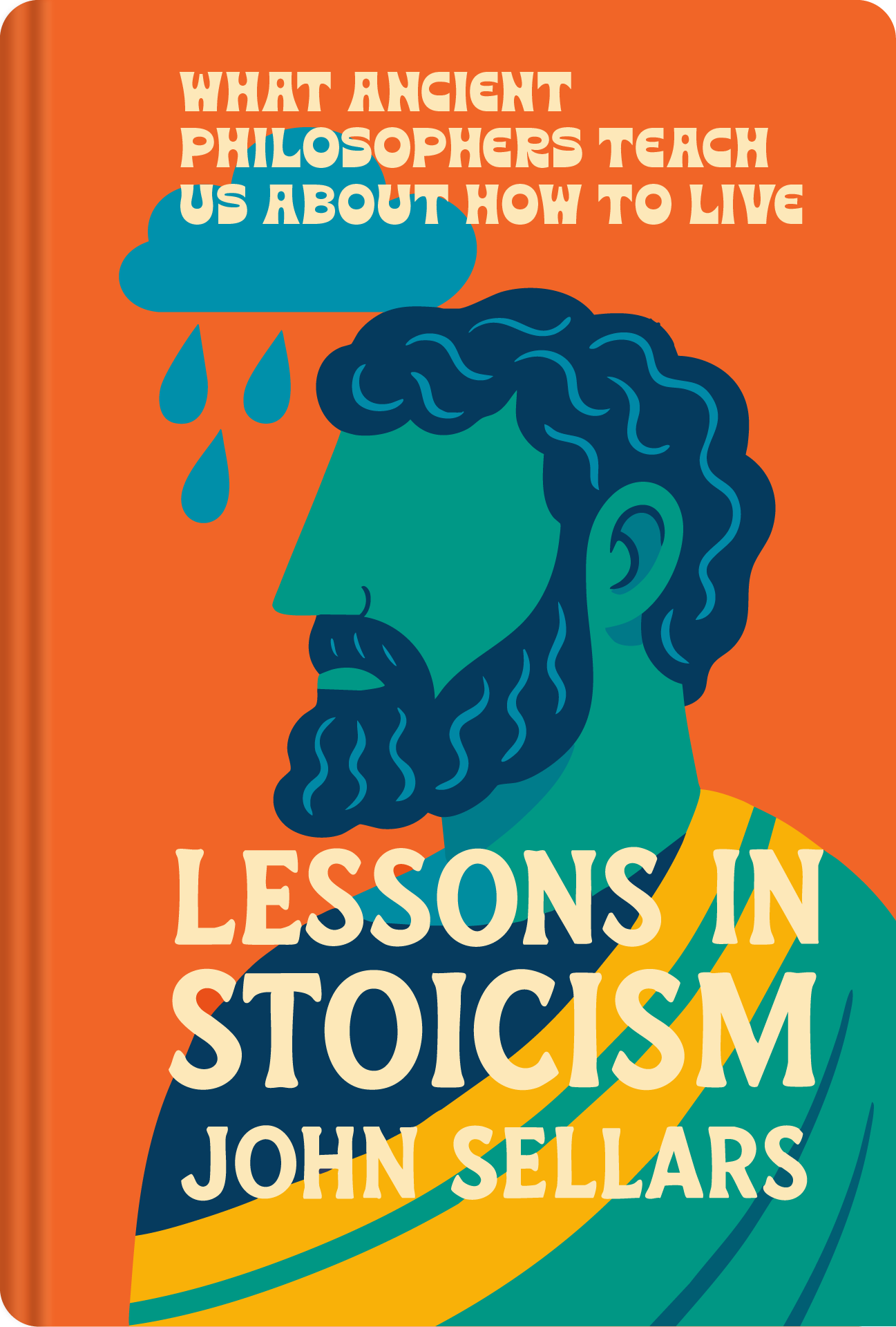 Lessons in StoicismJohn SellarsStart here for a short, clear introduction to Stoicism and how to focus on what you can control and handle setbacks calmly.Listen to the summary →
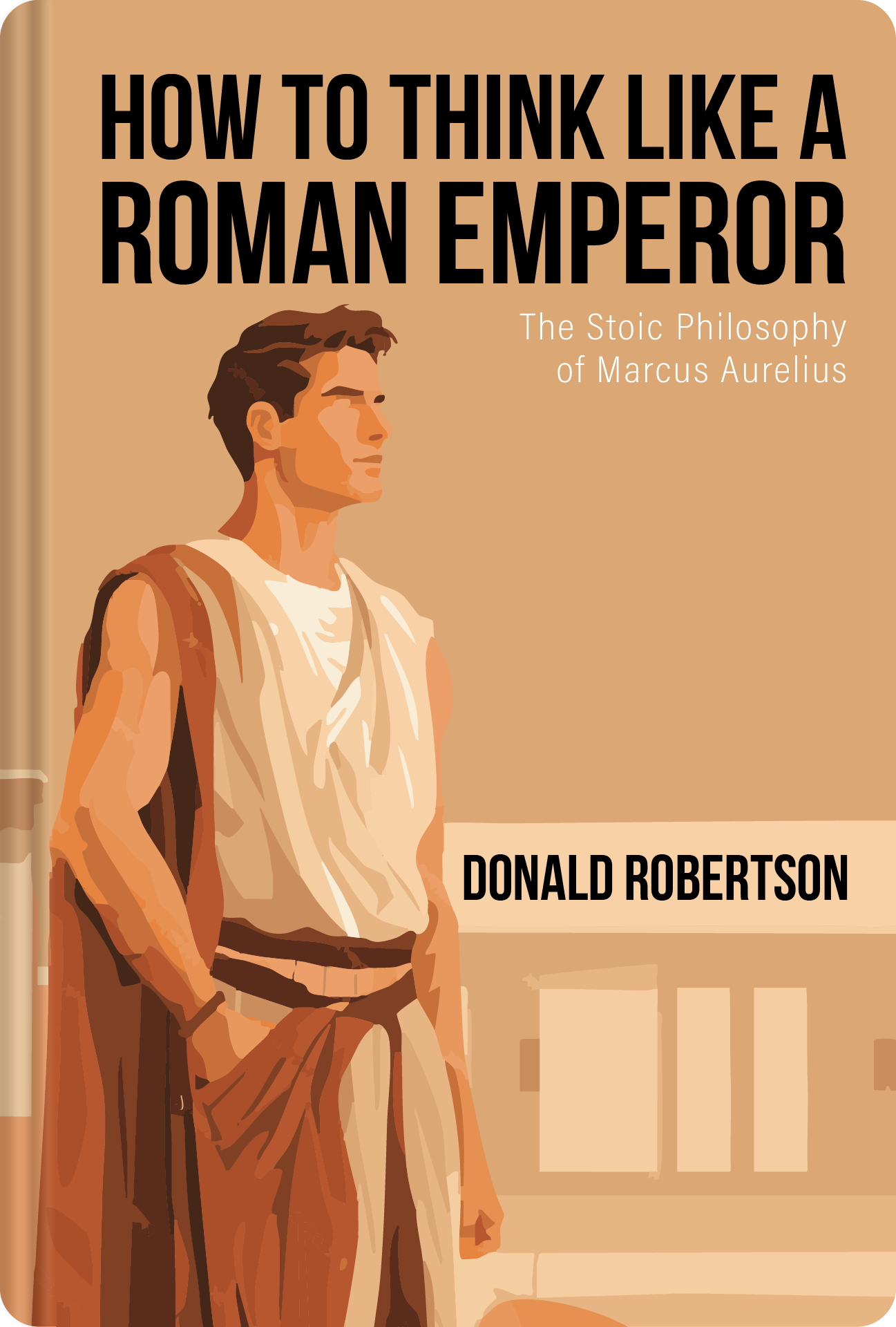 How to Think Like a Roman EmperorDonald RobertsonYou follow Marcus Aurelius from youth to old age and take away practical tools, linked to modern cognitive behavioral therapy, for handling anger, fear and loss.Listen to the summary →
 The Obstacle is the WayRyan HolidayYou learn three disciplines, controlling your perception, taking bold and persistent action and accepting what you cannot change, for turning a problem into your next step.Listen to the summary →
 A Handbook for New StoicsMassimo Pigliucci and Gregory LopezYou get fifty-two weekly exercises that build the habits from this article one small practice at a time.Listen to the summary →
 Stillness Is the KeyRyan HolidayYou see how journaling, limiting inputs and taking walks can build the stillness that leads to clearer decisions.Listen to the summary →
A three-step calm challenge for this week
Do not try all five habits at once. Pick three and keep them small.
- Tonight, do the evening review for five minutes: one thing that went well, one thing to fix, and tomorrow's first task.
- Tomorrow morning, draw the line on a page: what I control on the left, what I do not on the right. Put your biggest worry in the right place, and your next action on the left.
- Before your next exam, meeting or deadline, spend two minutes on the premeditation: what could go wrong, and what would I do? Then pack or prepare accordingly.
Keep it up for seven days and notice what changes. Not the pressure, which will still be there, but how much of it you carry into the evening.
You cannot control the exam. You can control the evening before it.
Nearly 1,000 summaries, 14 days free
Start your 14 days freeTry the yearly plan free for 14 days and cancel anytime. Listen in the car, read before bed.Questions people ask
Is Stoicism compatible with faith and family values?
Yes. The Stoic habits here are practical mental tools: reviewing your day, separating what you control, preparing for setbacks. They do not ask you to adopt a different belief system, and many people use them alongside their own faith and values.
How do I stay calm during exam season?
Start small. Do a five-minute evening review, separate what you control from what you do not, and judge each day by your effort rather than the result. Pair that with sleep and a regular study schedule, and the pressure becomes easier to carry.
Do I need to read Meditations to start?
No. A short introduction is enough to begin. The summaries above, such as the one on Lessons in Stoicism, give you the main ideas in about fifteen minutes, and you can go deeper later if you want to.