
Nobody hands you a leadership course on the day you get your first team. Most of us learn by watching someone and copying what worked. A biography lets you watch a whole life, from the first decision to the last, in the time it takes to drive to the office.
Before there were management frameworks, there were lives. People read about those who carried hard responsibilities and asked themselves what they would have done.
The five lives below are very different. A ruler who built a city, a king who modernised a kingdom, a prime minister of a tiny country, a prisoner who became a president, and an inventor who failed for a living. Each summary takes about 15 minutes.
We kept it to one lesson per life, taken only from what the summary itself says. Read one on the drive, one with your coffee after lunch, one before bed. By the end of the week you will have spent about an hour and a quarter with five very different leaders.
Leaders who built something that outlasted them
Two of these lives belong to this region, and both are about building under pressure.
In My Story, Sheikh Mohammed bin Rashid tells fifty stories from fifty years of public service. He recalls what he learned from his father Sheikh Rashid and from Sheikh Zayed, and how Dubai grew into a global city. The lesson is the value of learning early from those ahead of you and carrying their lessons into your own decisions.
The biography of King Faisal, written by the historian Alexei Vassiliev, follows him from his early role in his father's campaigns, through his years as foreign minister, to his reign from 1964 to 1975. The summary describes a reign marked by modernisation and deep faith. The lesson is that you can change a country and stay anchored in who you are, and that the two do not have to compete.
Leaders who thought in decades
Lee Kuan Yew was the founding prime minister of Singapore. The book gathers his views on China, the United States, globalisation, democracy and leadership, taken from his speeches, interviews and writings, and it states his assessments directly. The lesson is to look at the forces shaping the world first, and only then decide what your own small piece of it should do.
Nelson Mandela's Long Walk to Freedom covers his childhood, his work as a lawyer, his years of activism, and twenty-seven years in prison. He was then released and elected the country's first democratically elected president. The summary calls it a story of courage, perseverance and reconciliation. The lesson is that patience and reconciliation can be part of the plan, not a pause before it.
The leader who failed his way forward
Thomas Edison is the odd one in this group, because he never ran a country. He ran a laboratory. The summary follows him from a curious, restless childhood to Menlo Park, where he developed the phonograph, a practical electric light and early motion pictures.
What it highlights is the persistence, the experimenting and the hard work behind each invention. The lesson is that a result is something you build through repeated attempts. Many working days are not wasted ones. They are the method.
Start with one life today
Read today's free summaryDurar has a free summary every day, in Arabic and English, in audio and text.The five summaries, in the order we suggest reading them
Start close to home and widen out. Each one is about 15 minutes, and you can listen or read.
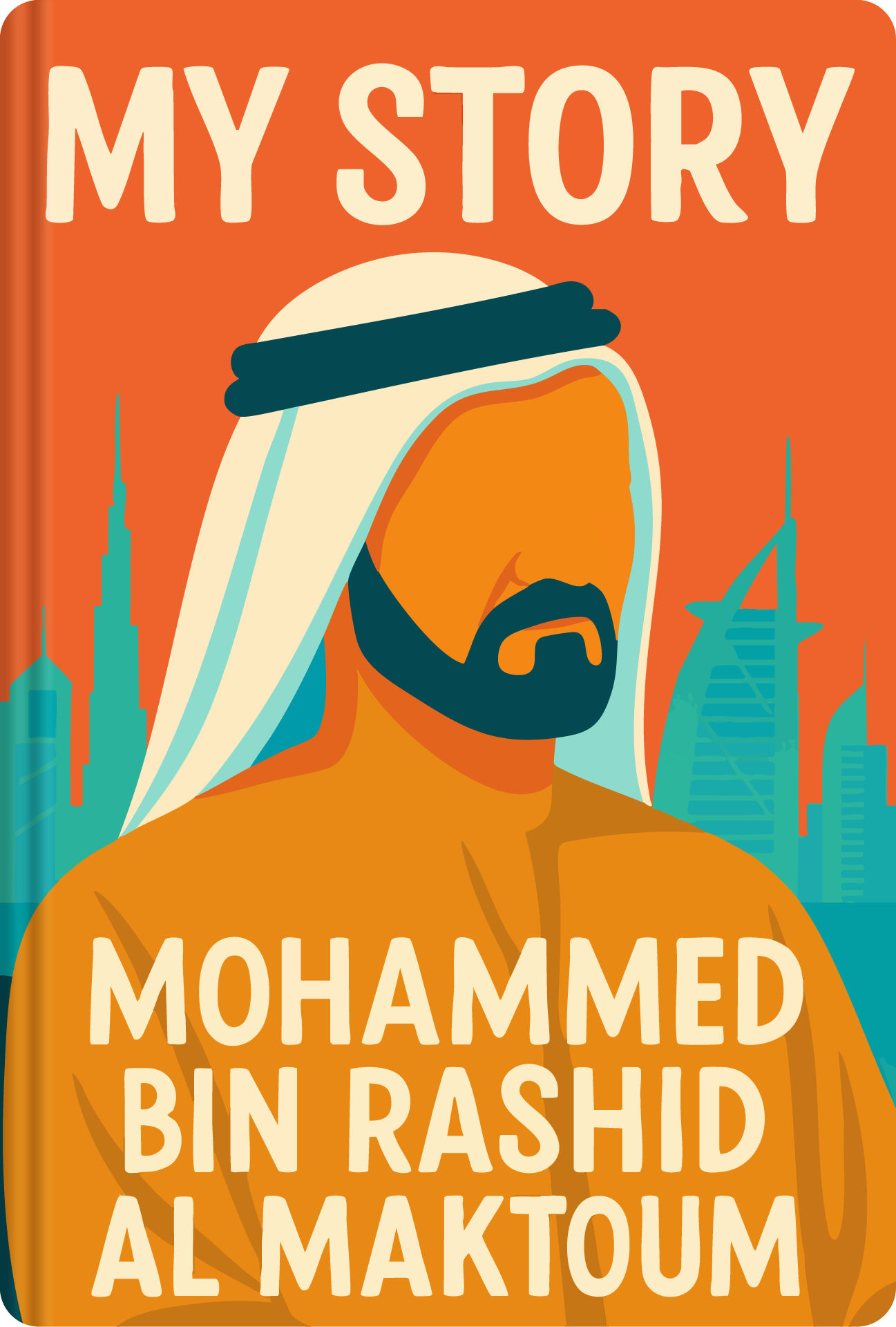 My StoryMohammed bin Rashid Al MaktoumYou take away how fifty moments of public service, and the lessons he absorbed from Sheikh Rashid and Sheikh Zayed, shaped the growth of Dubai into a global city.Listen to the summary →
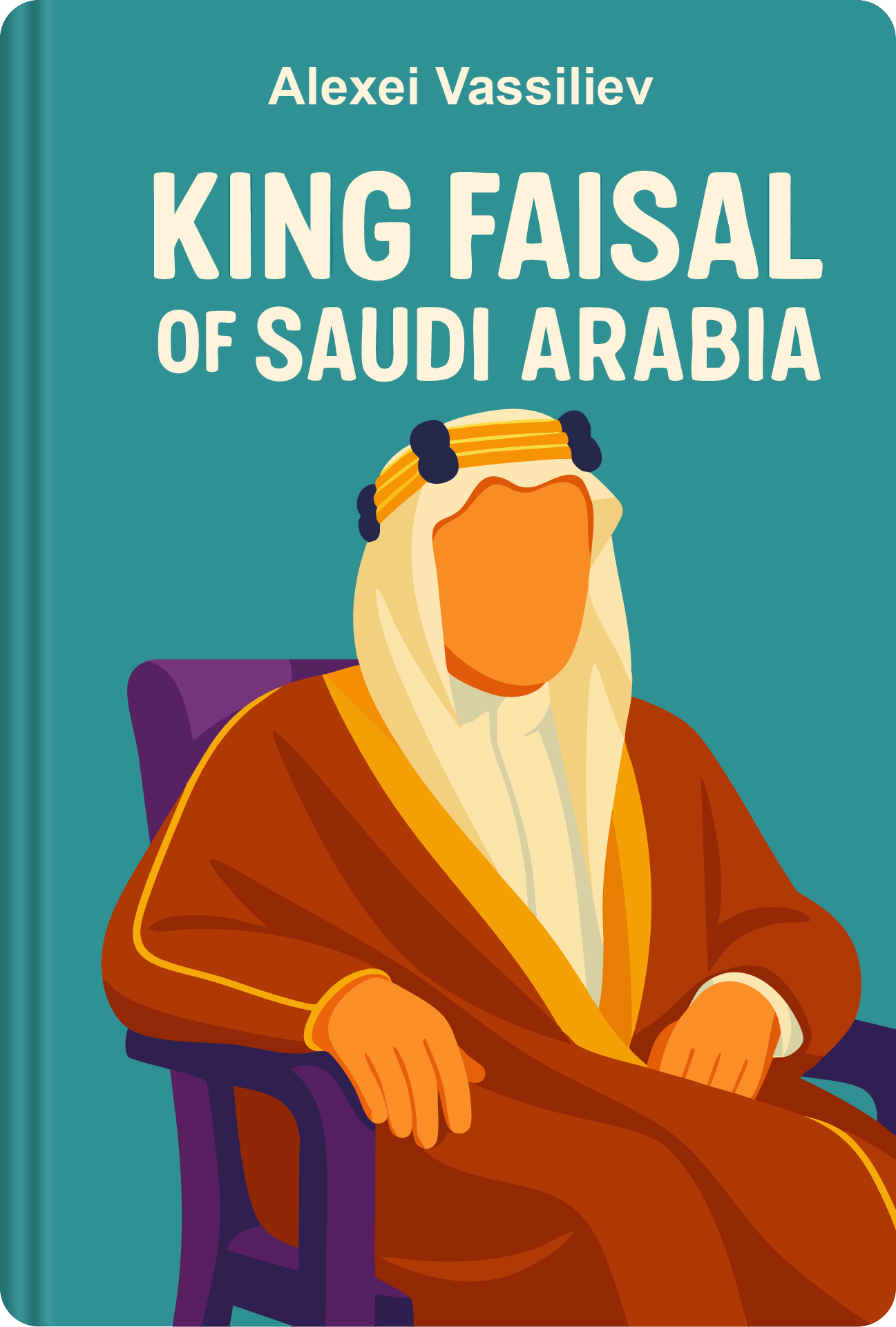 King Faisal of Saudi ArabiaAlexei VassilievYou take away how King Faisal combined deep faith with modernisation across a reign from 1964 to 1975.Listen to the summary →
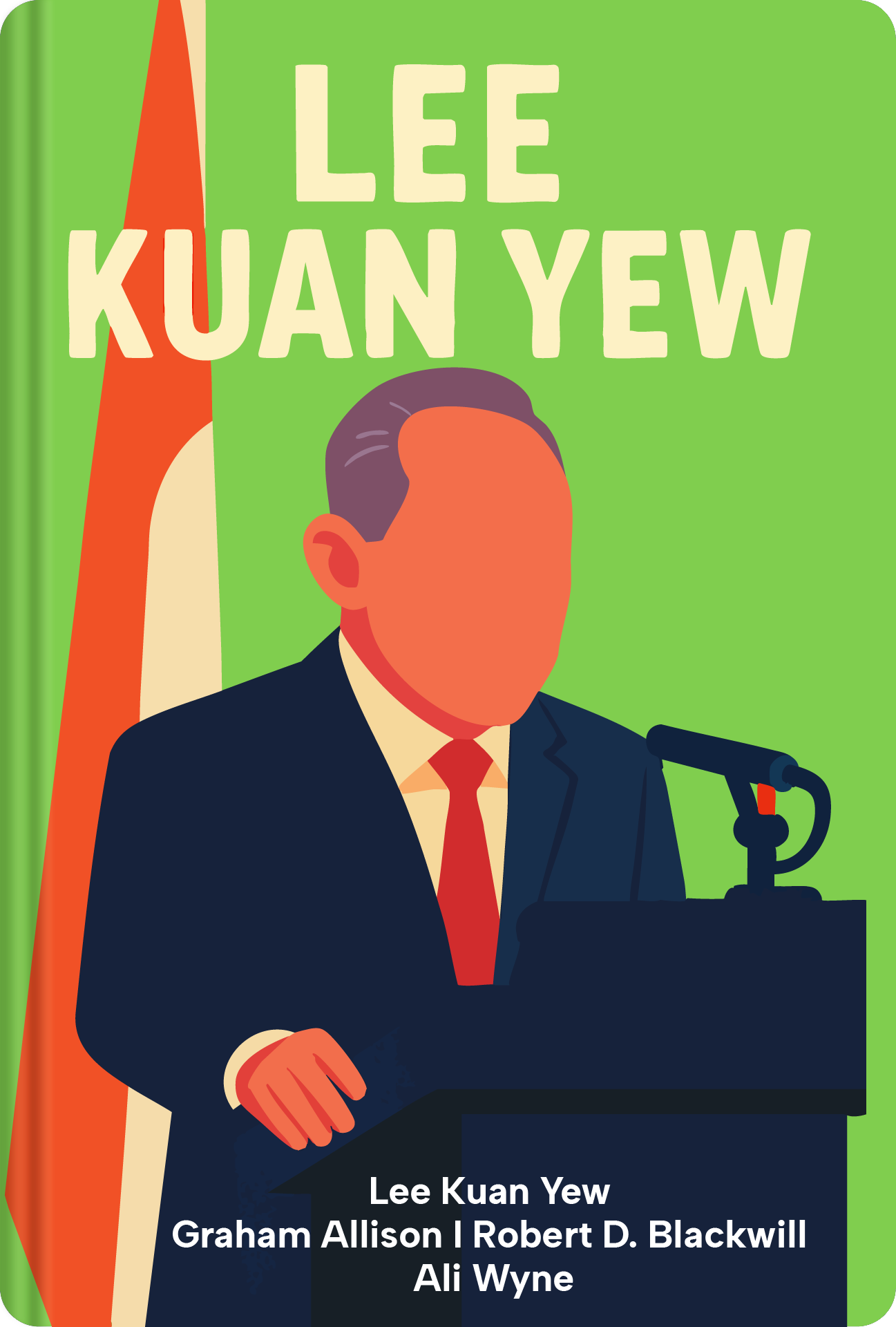 Lee Kuan YewLee Kuan Yew, Graham Allison, Robert D. Blackwill and Ali WyneYou take away Lee Kuan Yew's direct assessments of China, the United States and global forces, organised into clear themes for leaders.Listen to the summary →
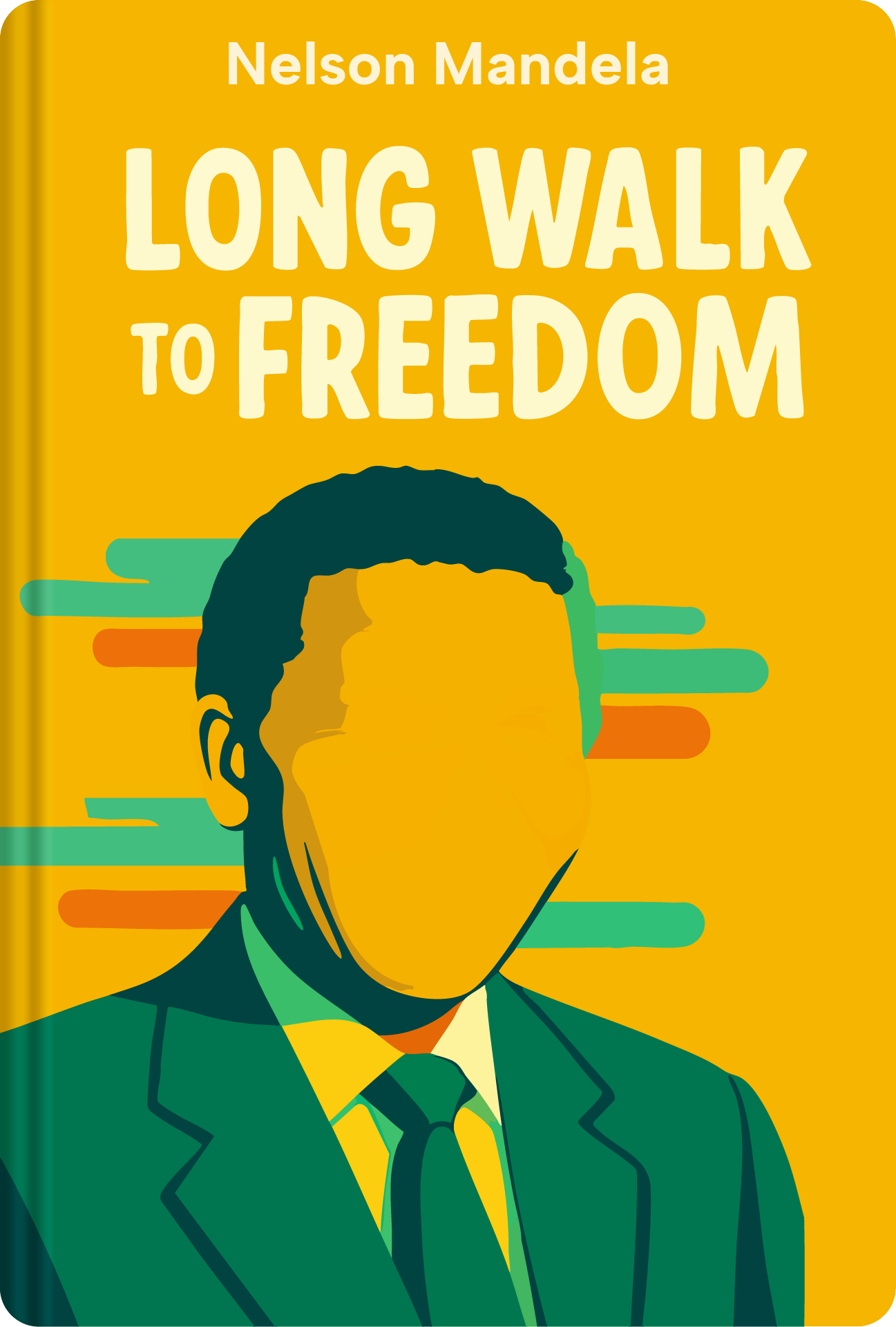 Long Walk to FreedomNelson MandelaYou take away how courage, perseverance and reconciliation carried Mandela from twenty-seven years in prison to the presidency.Listen to the summary →
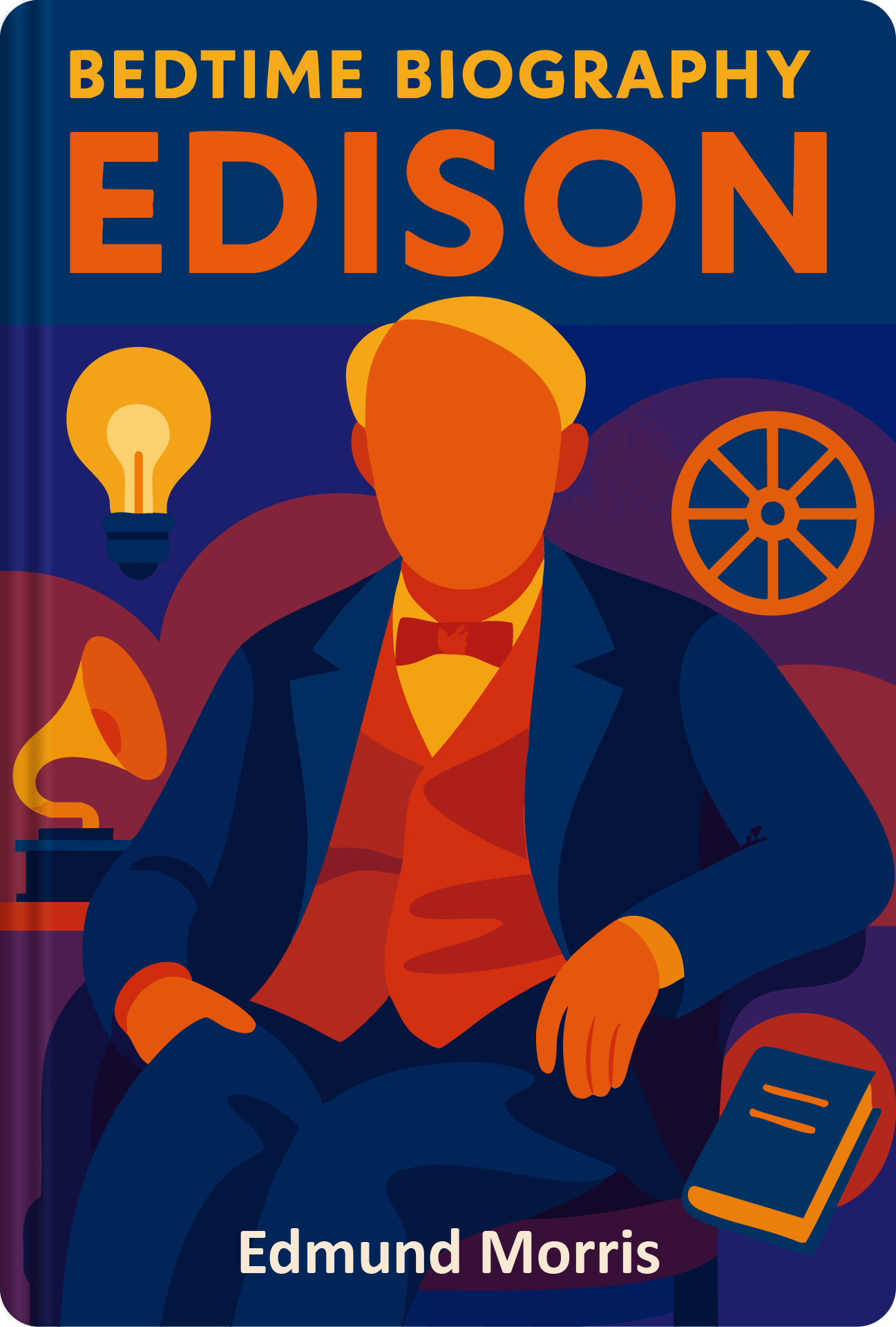 Bedtime Biography: EdisonEdmund MorrisYou take away the persistence, experimentation and hard work behind Edison's phonograph, practical electric light and early motion pictures.Listen to the summary →
A one-week reading plan
You do not need a free weekend. You need five short slots in a normal week.
- Monday and Tuesday: read My Story and King Faisal on the drive or the walk to work. Write one sentence on what each leader learned early.
- Wednesday and Thursday: Lee Kuan Yew and Mandela. Ask yourself which of the two you would have found harder to follow, and why.
- Friday or the weekend: Edison. Then pick one thing you have been avoiding because you might fail at it, and try it once.
At the end of the week, look at your five sentences. They are a small leadership course you wrote yourself.
A biography is a leadership course where the teacher already paid the tuition.
Want all five and nearly 1,000 more?
Start your 14 free daysThe yearly plan includes 14 days free. Cancel anytime.Questions people ask
What are the best leadership biographies to start with?
A good first set covers different kinds of leadership: Mohammed bin Rashid's My Story, a biography of King Faisal, Lee Kuan Yew, Mandela's Long Walk to Freedom, and Edison. All five are on Durar as 15-minute summaries.
Is there a summary of My Story by Mohammed bin Rashid?
Yes. The Durar summary covers the book's fifty stories from fifty years of public service, including the lessons he took from Sheikh Rashid and Sheikh Zayed and the growth of Dubai into a global city. It takes about 15 minutes to read or listen to.
Do the summaries replace the books?
No. A summary gives you the core of a book in about 15 minutes so you can decide which ones deserve your longer reading time. For a life like Mandela's, many readers will want the full book afterwards.