
Somewhere in your house there is a classic you started and never finished. Maybe it has a bookmark on page forty. Maybe it has never left the shelf. You nod when people mention it, and you hope nobody asks a follow-up question.
You are not lazy. You have work, classes, family, and a phone that pulls you away every few minutes. A 300-page novel needs a quiet week, and quiet weeks are rare.
But the ideas inside these books are not locked away. Each of them can be understood in a few honest paragraphs, and that is what follows: five famous novels, the story in one line, why it still gets talked about, and the one idea worth keeping.
No spoilers that ruin the ending. No lecture. Just enough to hold your own in the conversation, and to know whether the full book deserves your quiet week.
1984 and Animal Farm: two warnings from the same writer
Nineteen Eighty-Four, published in 1949 by George Orwell, imagines a society ruled by a total dictatorship under the mysterious Big Brother. Winston Smith works at the Ministry of Truth, where his job is rewriting history. The Party watches every citizen and controls even language and thought.
It still gets talked about because its questions have not aged. Who decides what is true? What happens to a person when every word is monitored? The idea worth keeping: freedom does not disappear only through force. It also disappears when truth itself becomes something someone else controls.
Animal Farm, from 1945, is the short one, and an easier place to start. The animals of Manor Farm rebel against their careless owner, Mr. Jones, hoping to build a society where everyone is equal. Slowly the cleverest animals, led by Napoleon, take power, rewrite the rules, and become as oppressive as the farmer they replaced.
The idea worth keeping here is a quiet one: a revolution can be sincere at the start and still be corrupted. Watch what happens to the rules when the people who wrote them benefit from changing them.
The Stranger: the man who did not perform his feelings
Albert Camus published The Stranger in 1942. It is short, and it is narrated by Meursault, a French clerk in Algiers who meets life with striking emotional detachment. After an act of violence on a beach, he is put on trial, and the court seems to judge him as much for his indifference as for his crime.
That detail is why the book is still argued about. We expect people to feel certain things at certain moments, and to show it. Camus asks what happens to someone who does not, and what that says about the rest of us.
The idea worth keeping: society often judges people by how they are expected to feel, not only by what they did. It is an uncomfortable thought, and a useful one the next time you catch yourself judging someone by their reaction.
The Great Gatsby and The Alchemist: two ways of chasing a dream
The Great Gatsby, from 1925, is narrated by Nick Carraway, a young man who moves to Long Island in the summer of 1922 and is drawn into the world of his wealthy, mysterious neighbor, Jay Gatsby. Gatsby throws extravagant parties in the hope of winning back Daisy Buchanan, the woman he has loved for years.
People still talk about it because it asks what ambition is really for. Fitzgerald explores wealth, illusion, and the limits of the American Dream. The idea worth keeping: chasing an image of the life you want is different from building it, and the glitter can hide how empty the chase is.
The Alchemist, from 1988, looks at a dream from the opposite side. Santiago, a young Spanish shepherd, dreams of a treasure and crosses the desert to Egypt to find it. Along the way he meets a king, a merchant, a caravan, and a wise alchemist, and learns to follow his heart and pursue his personal legend.
It has become one of the best-selling books in the world, which tells you it speaks to something people feel. The idea worth keeping: the journey toward what you want teaches you things the destination alone never would.
Start with a free summary today
Try Durar freeDurar gives you a free summary every day, in Arabic or English, as audio or text.Read the whole thing in 15 minutes each
If you want the full picture of each book before deciding which one gets your quiet week, these five Durar summaries take about 15 minutes apiece. Here is the order we would read them in, and what you take from each.
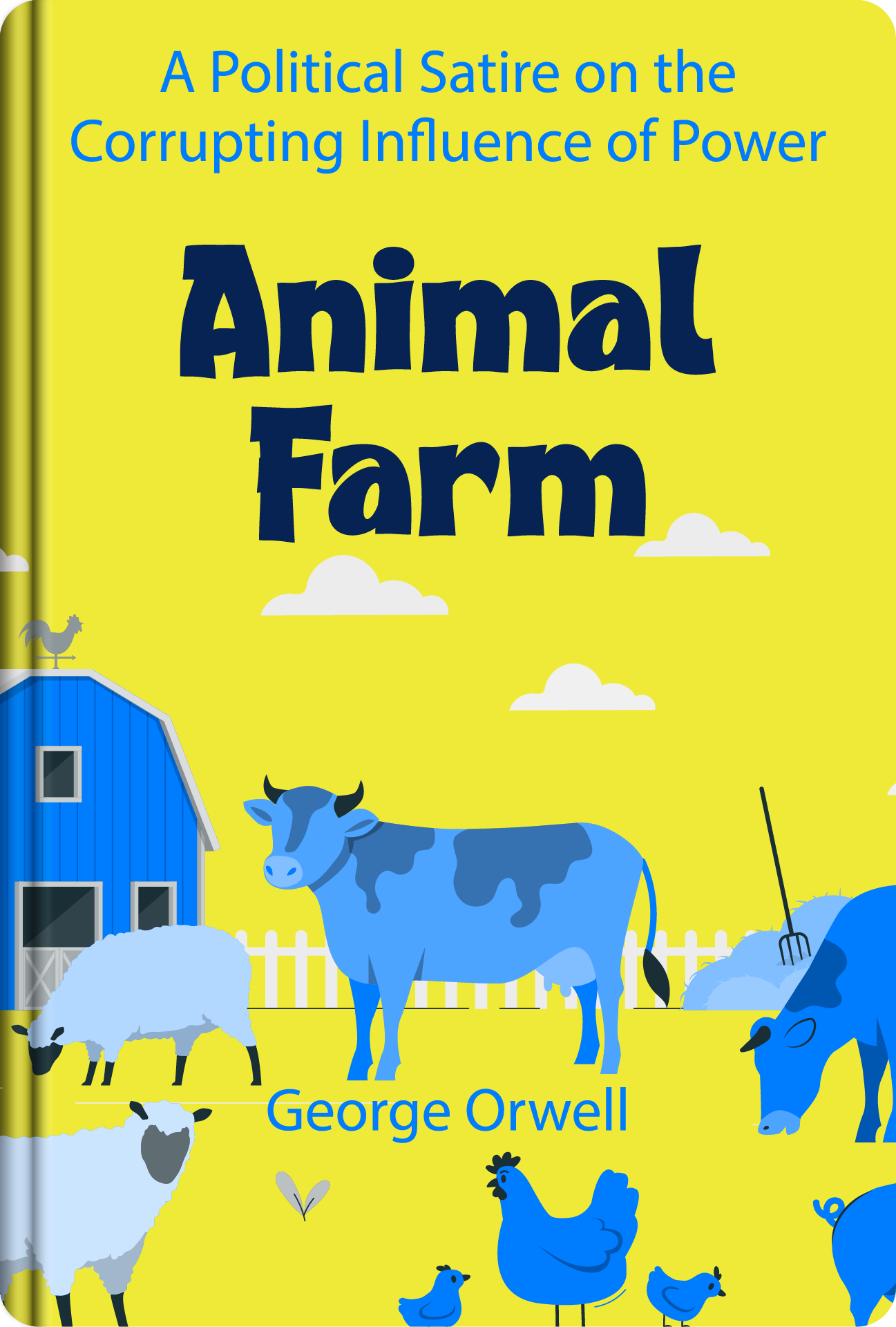 Animal FarmGeorge OrwellYou see how a revolution that begins with equality can slide into tyranny, and why the people holding power keep rewriting the rules.Listen to the summary →
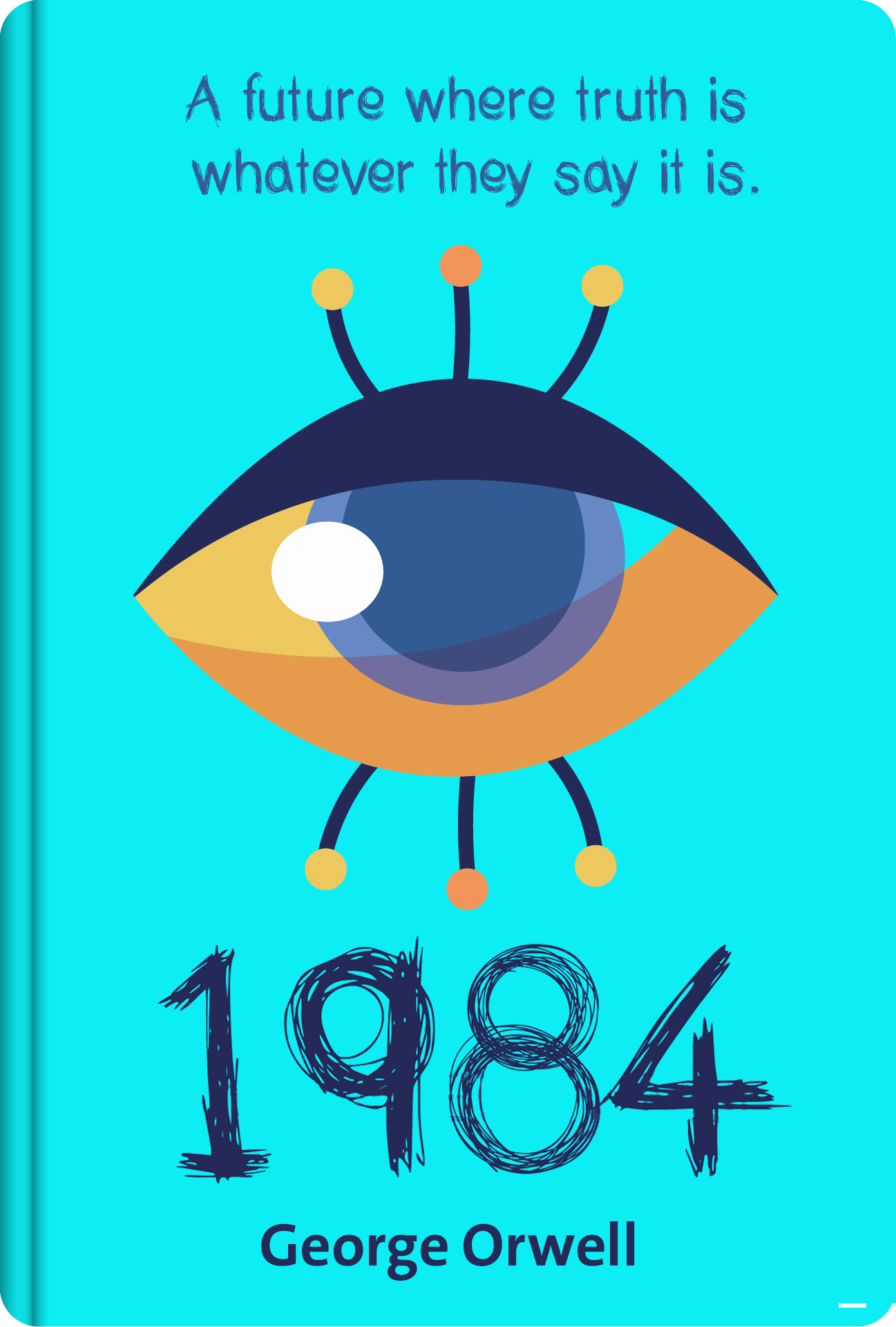 Nineteen Eighty-Four (1984)George OrwellYou understand how a regime can control truth, history, and even thought, and why the book is still read as a warning about surveillance and propaganda.Listen to the summary →
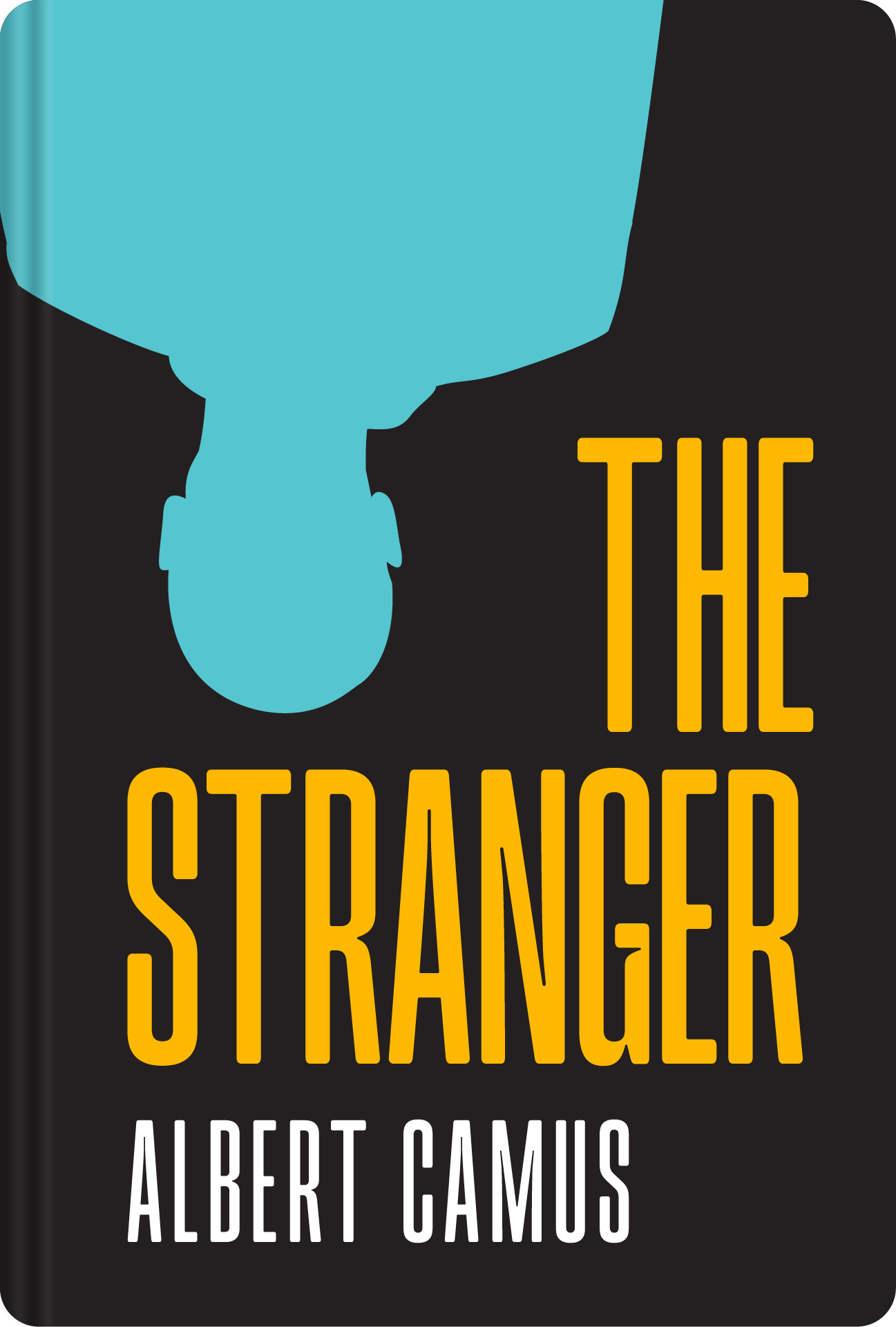 The StrangerAlbert CamusYou see how a man's emotional detachment puts him on trial, and how society expects people to feel in particular ways.Listen to the summary →
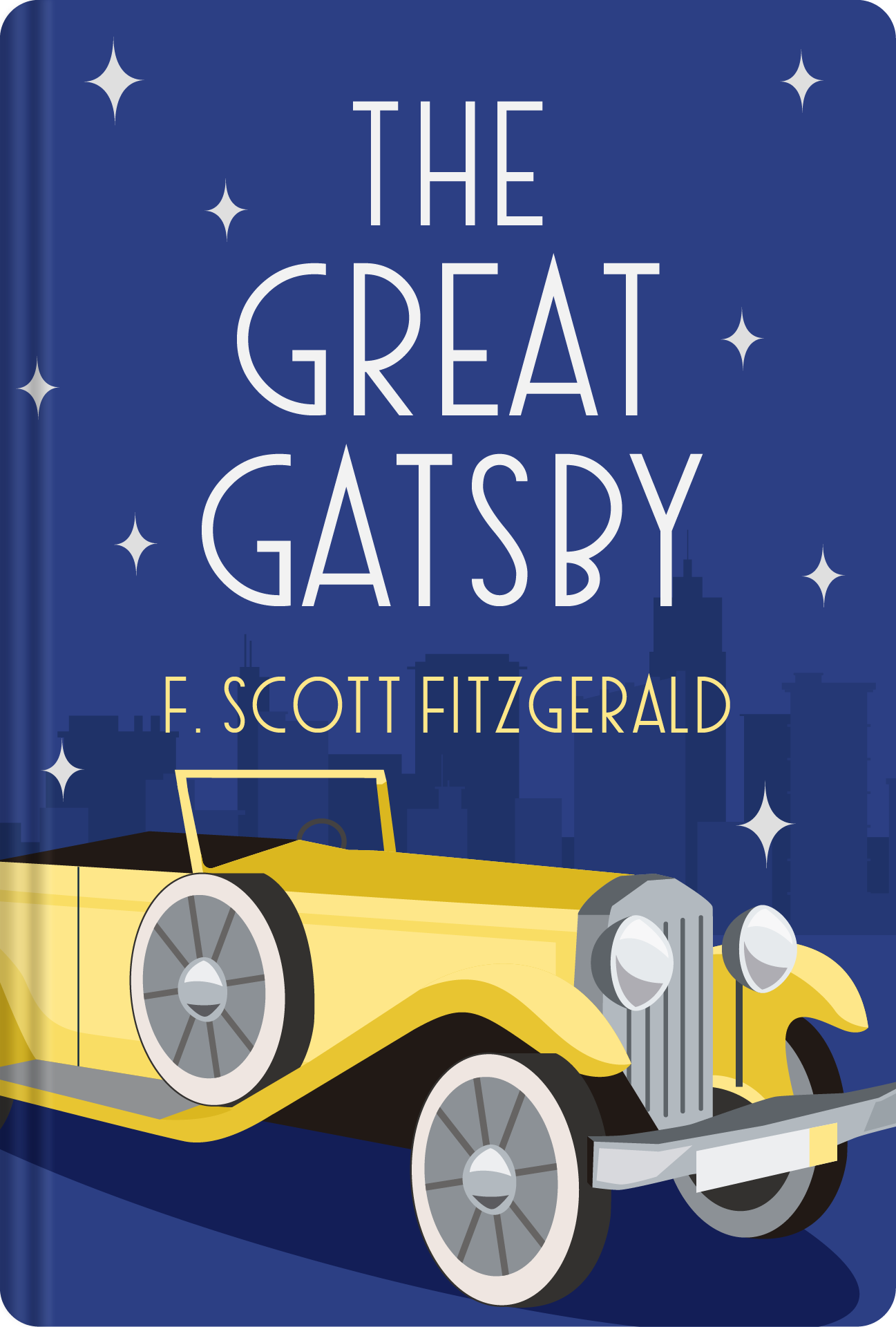 The Great GatsbyF. Scott FitzgeraldYou get the story of Gatsby's parties and his love for Daisy, and the idea that wealth and illusion can hide an emptiness underneath.Listen to the summary →
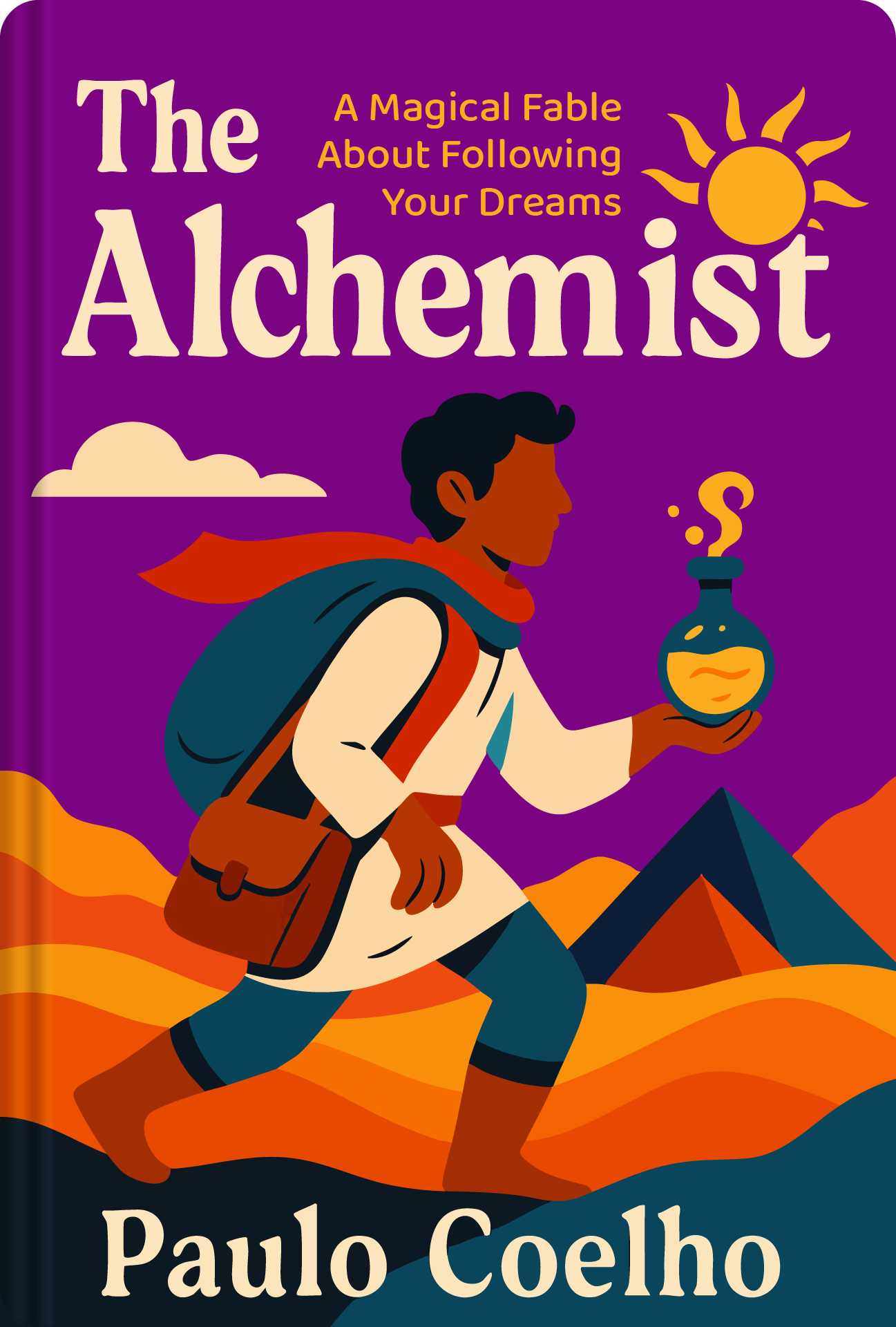 The AlchemistPaulo CoelhoYou follow a young shepherd across the desert and take away the book's central idea: follow your heart and pursue your personal legend.Listen to the summary →
A simple plan: one classic a week
You do not need to finish all five at once. Try this over five weeks.
- Pick one summary a week and listen to it during a drive or a walk. Fifteen minutes is enough.
- Afterward, write one sentence on your phone: the idea you want to keep from it.
- If the summary pulls you in, borrow or buy the full book. If not, you still know the book, and you have lost nothing.
After five weeks you will have five ideas you can talk about with confidence, and probably one book you actually want to read in full.
You do not have to read every classic to understand it, but you do have to start somewhere.
Nearly 1,000 summaries, 14 days free
Start your 14 days freeTry the yearly plan free for 14 days and cancel anytime. Arabic and English, audio and text.Questions people ask
Is a summary the same as reading the book?
No. A Durar summary gives you the story, the main ideas, and why the book matters in about 15 minutes. The full novel gives you the author's voice and detail. Many readers use the summary to decide which books deserve their time.
Which of these five should I start with?
Animal Farm is the shortest and the easiest way in. From there, 1984 is a natural next step, since both are by George Orwell and both are about power and truth.
Are the summaries available in Arabic?
Yes. Durar offers nearly 1,000 summaries in both Arabic and English, as audio and text, and there is a free summary every day.