
Your first salary arrives on a Tuesday. By Friday, a good part of it is already gone, and you can't quite say where. Nobody is to blame for this. Nobody ever showed you what to do in the first week.
You earned this money. You also have a parent hoping you will help, a phone full of apps that make spending effortless, and a car dealer who says the installment is only a small monthly amount.
None of that makes you careless. It makes you a first-year earner with no system yet. A system is what the money books keep returning to, and it is the thing you can build before the second payday.
Here are five rules, each tied to a moment you will recognize, and each taken from a Durar summary you can finish in about fifteen minutes.
Rule one: on payday, pay yourself first
The Richest Man in Babylon puts it simply: save at least a tenth of what you earn. Not what is left at the end of the month, because nothing is left at the end of the month. A tenth, taken first.
So on payday, before you open any app, move that tenth to a separate account. You are not punishing yourself. You are deciding in advance, while you are calm, instead of negotiating with yourself later, when you are hungry and the delivery screen is open.
If a tenth feels like too much this month, start smaller. The habit matters more than the size. You can raise the amount when your salary rises.
Rules two and three: make the right choice easy, and keep your spending below your income
The delivery app is not your enemy. It is just very well designed, and you are tired after work. Atomic Habits suggests that change comes from the system around you more than from willpower. Make the good behavior obvious and easy, and make the unhelpful one harder to repeat.
In practice: delete the saved card from the app, or turn off its notifications. Pack lunch two days a week instead of aiming for perfection. Small changes that cost you almost nothing, repeated every day, add up.
Rule three is about the car and the other installments. Everyday Millionaires reports on more than ten thousand millionaires in the United States, and the finding is plain: most did not inherit their wealth or earn huge salaries. They avoided debt and lived below their means.
You do not have to refuse every installment forever. Ask one question before signing: would I still want this if I had to pay for it all at once? Your answer tells you a lot.
Rules four and five: respect the family envelope, and keep learning how money works
Helping your parents is part of who you are, and nobody should shame you for it. The trouble starts when it is unplanned, so every request feels like an emergency and every month feels different.
Decide a fixed amount, as part of the budget, before the month begins. A planned gift lasts longer than a rescue you make every month. The Richest Man in Babylon speaks of controlling your spending, and a fixed family amount is one way to do exactly that.
Rule five is to invest in yourself. Arkad's advice includes investing in your own skills, and the Cashflow Quadrant shows the four ways people earn: as employees, self-employed professionals, business owners or investors. You are probably an employee today, and that is a fine place to start. The useful part is knowing where you stand and thinking about where you want to go.
If you want the bigger picture of how markets and money got to where they are, The Shortest History of Economics tells that story from early farming and trade to the digital age.
Start with one summary today
Read today's free summaryDurar gives you a free summary every day, in Arabic and English, in audio and text.Five summaries, one for each rule
Read them in this order. Each takes about fifteen minutes, and you can listen on the drive to work.
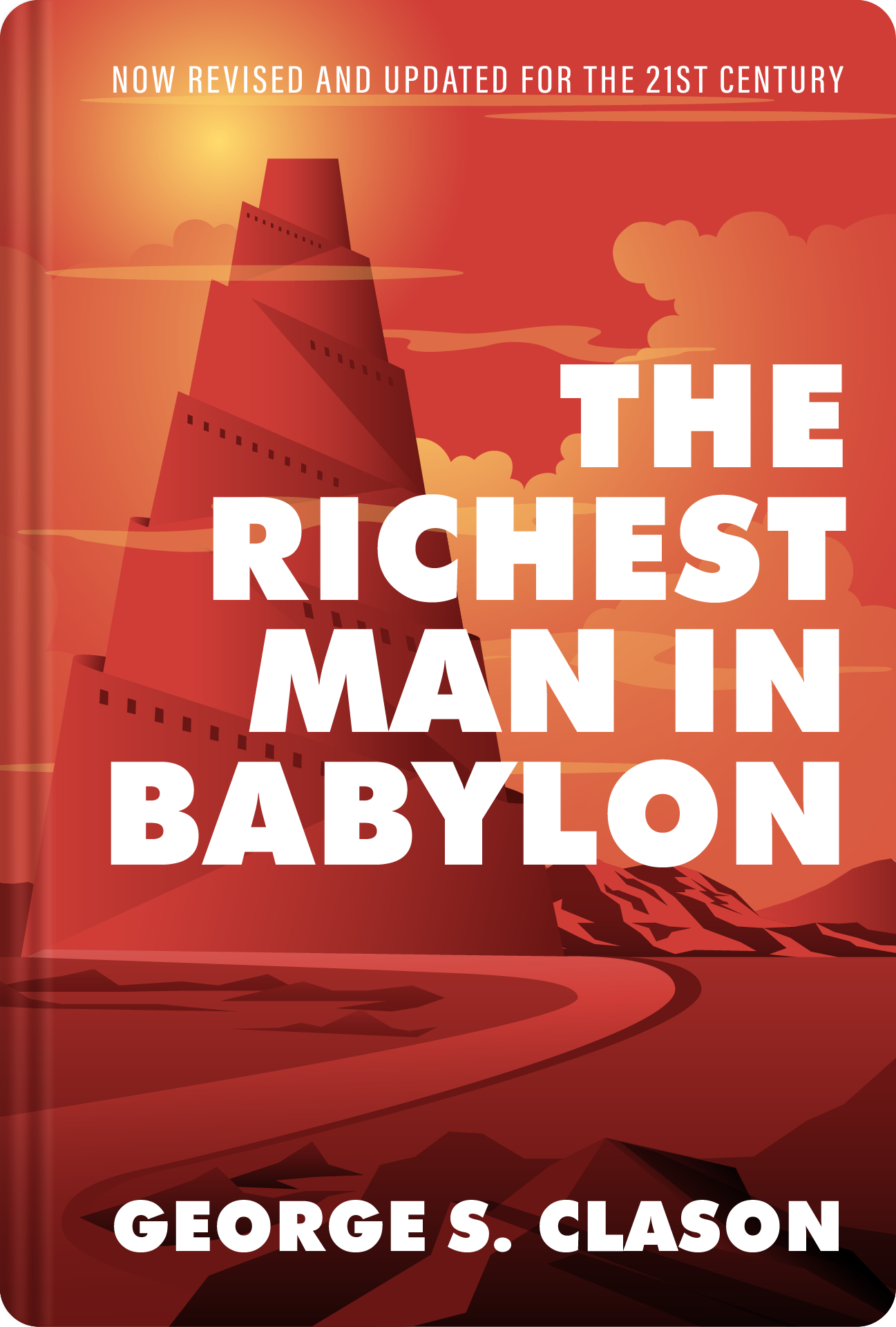 The Richest Man in BabylonGeorge S. ClasonYou take away the habit of saving at least a tenth of what you earn, plus Arkad's simple rules for controlling spending and making your money work.Listen to the summary →
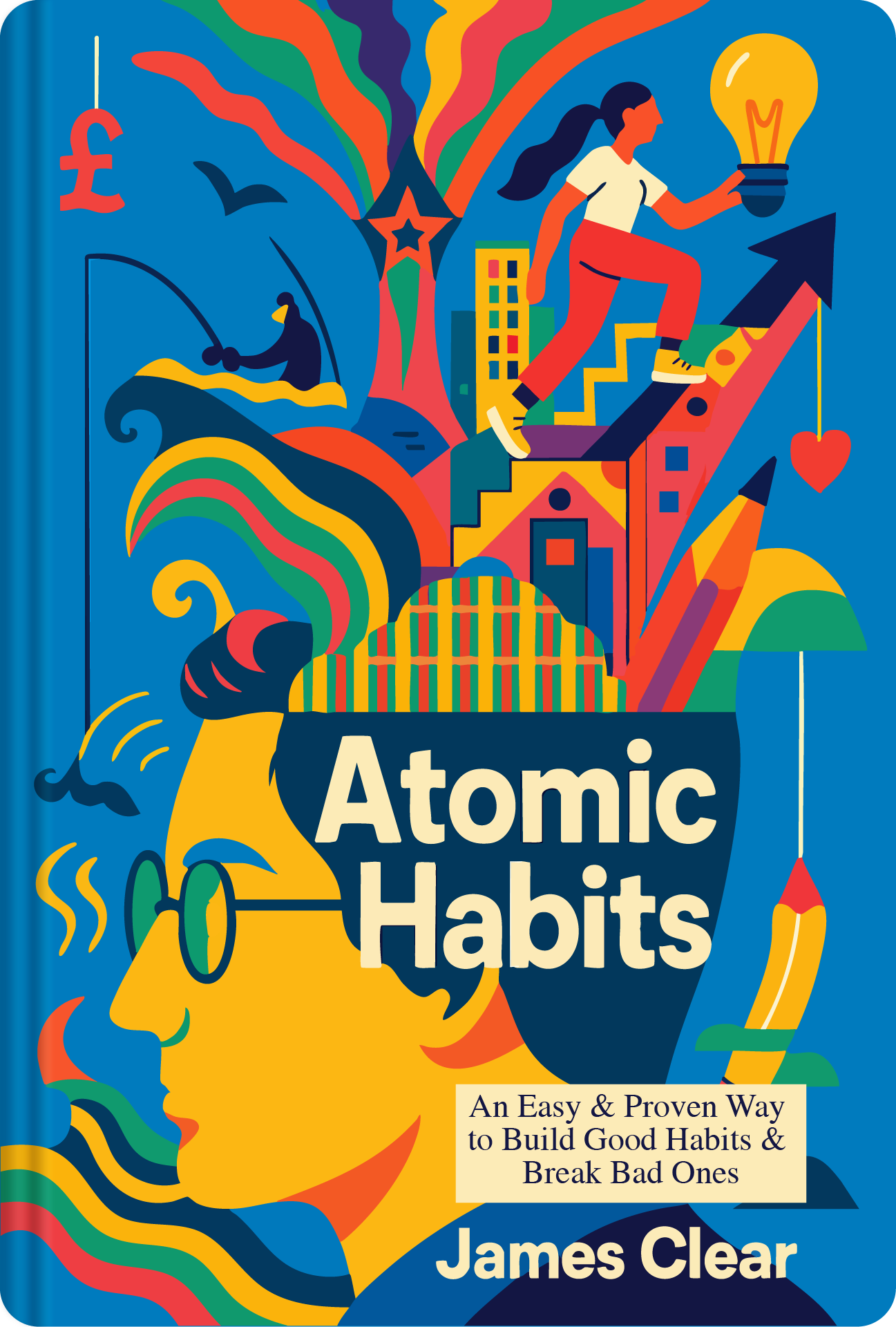 Atomic HabitsJames ClearYou learn how to build systems that make good behaviors obvious and easy and unhelpful ones harder, so you rely less on willpower.Listen to the summary →
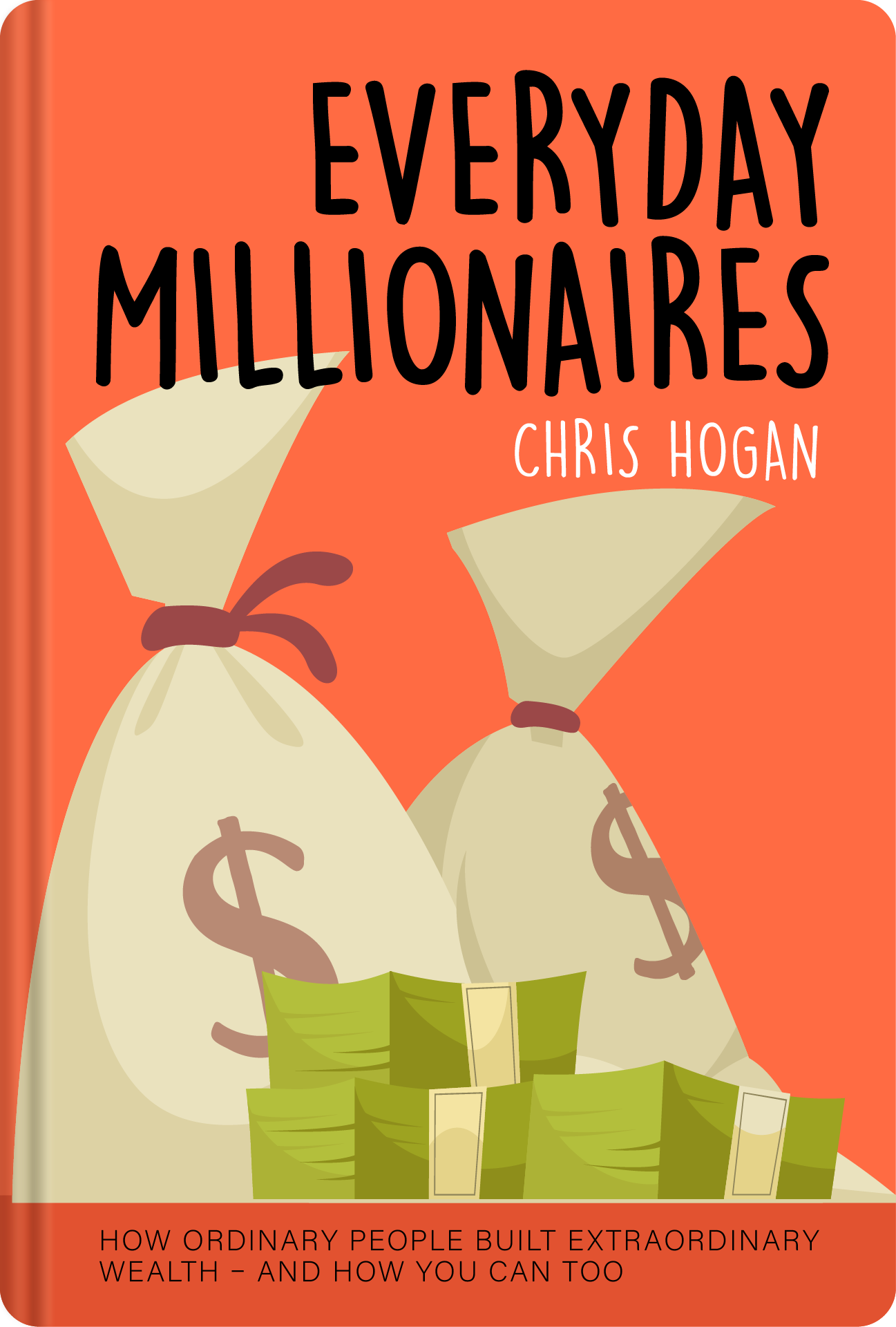 Everyday MillionairesChris HoganYou see how ordinary people built wealth through steady saving, avoiding debt and living below their means.Listen to the summary →
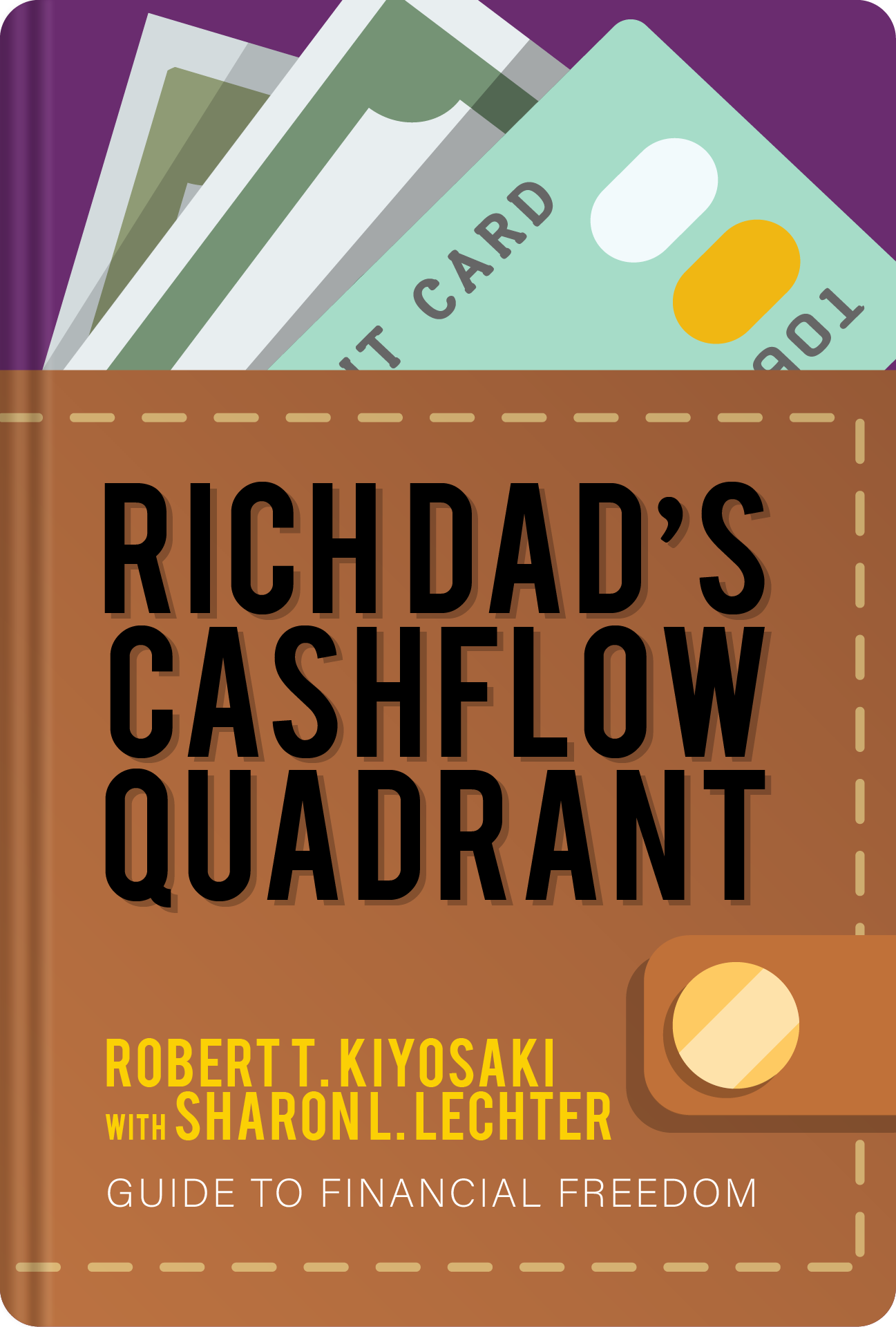 Rich Dad’s Cashflow QuadrantRobert Kiyosaki with Sharon LechterYou get a clear picture of the four ways people earn money, and a way to think about where you stand today and where you want to go.Listen to the summary →
 The Shortest History of EconomicsAndrew LeighYou get a quick, readable tour of how trade, markets and inventions shaped the way people live and work.Listen to the summary →
A one-week challenge before your next payday
Three small steps. None of them needs a budgeting course.
- Open a separate savings account and set up a transfer for payday, even if the amount is small.
- Remove the saved payment card from your most-used delivery app, so ordering takes one extra step.
- Agree on a fixed family amount for the month and write it down next to your other expenses.
Do these three things and read one summary. That is already more than most people do with their first salary.
You do not need a bigger salary to start. You need a first small decision, made before the money arrives.
Nearly 1,000 summaries, 14 days free
Start your 14 free daysTry the yearly plan free for 14 days and cancel anytime. Listen on the drive, read over coffee.Questions people ask
How much should I save from my first salary?
The Richest Man in Babylon recommends saving at least a tenth of what you earn. If that feels too hard in the first months, start with a smaller amount and raise it as your income grows. Doing it on payday matters more than the exact number.
How do I help my family and still save?
Decide a fixed family amount at the start of the month and treat it as part of your budget. A planned amount is easier to sustain than a different emergency every month, and it lets you save without guilt.
Are there money books in Arabic I can read quickly?
Yes. Durar has nearly 1,000 summaries in Arabic and English, each about fifteen minutes in audio or text, including The Richest Man in Babylon, Atomic Habits and Everyday Millionaires. You also get one free summary every day.