Get started

Topic

The best 42 Spiritual Practices summaries

Spiritual Practices explores the daily habits of faith and reflection, such as prayer, remembrance, contemplation, mindful breathing and the steady effort to live by one's values, which many readers in the region want to anchor more firmly amid busy modern lives. The books range from accounts of the life of Prophet Mohammad (PBUH) and guides to returning to prayer, to classic works of theology and studies of how other religious traditions approach stillness, love and the self. Readers can use these ideas to strengthen their own worship, slow down, meet hardship with patience, and understand more clearly how people of different faiths seek closeness to the sacred.

1The Forty Rules of Love

The Forty Rules of Love

Elif Shafak

Journey between Rumi’s world and a modern search for meaning as 40 Sufi teachings reveal the transformative power of love and spiritual awakening.

19 min

Listen to the intro

1:14

What is The Forty Rules of Love about?

The Forty Rules of Love (2009) weaves together two stories set centuries apart. In the present day, Ella, a woman in Massachusetts, reads a novel about the thirteenth-century poet Rumi and his spiritual companion Shams of Tabriz, whose forty rules of love transform both their lives. Elif Shafak’s novel explores faith, spiritual love, friendship, and the search for meaning.

Who should read The Forty Rules of Love?

  • Readers drawn to Rumi, Shams and Sufi thought
  • Anyone searching for meaning and spiritual renewal in life
  • Novel lovers who enjoy stories bridging past and present
2The Creative Act

The Creative Act

Rick Rubin

Awaken your natural creativity through 78 insights on awareness, uncertainty, and channelling creative energy into work and life.

19 min

Listen to the intro

1:39

What is The Creative Act about?

The Creative Act (2023) is a reflection on creativity and how anyone can live a more creative life. Drawing on decades of working with artists, Rick Rubin shares short lessons about paying attention, being open to ideas, trusting intuition, experimenting, finishing work, and letting go of fear. The book presents creativity not as a rare gift but as a way of seeing and engaging with the world.

Who should read The Creative Act?

  • Writers, designers and makers stuck in a creative rut
  • Professionals wanting fresh ideas in their everyday work
  • Anyone who believes creativity is a gift they lack
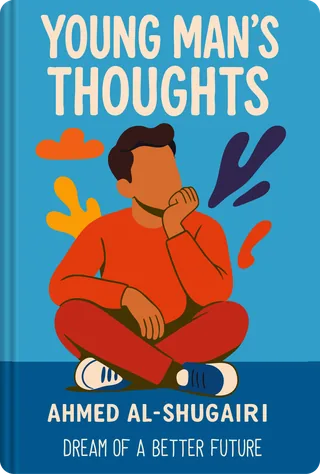
3Young Man’s Thoughts

Young Man’s Thoughts

Ahmed Al Shugairi

Shape a more intentional life by rethinking your habits, clarifying your values, and finding greater balance and purpose.

16 min

Listen to the intro

1:25

What is Young Man’s Thoughts about?

Young Man’s Thoughts (2006) gathers short reflections on faith, personal development, society, responsibility, and the challenges facing young people in the Arab world. Ahmed Al Shugairi combines personal observations with practical lessons intended to encourage self-examination and positive action. Written in a direct and approachable style, the book asks readers to improve themselves while remaining aware of their duties toward their families, communities, and values.

Who should read Young Man’s Thoughts?

  • Young Arabs seeking purpose rooted in their faith
  • Anyone wanting to rethink habits and set priorities
  • Parents and mentors guiding young people toward responsibility
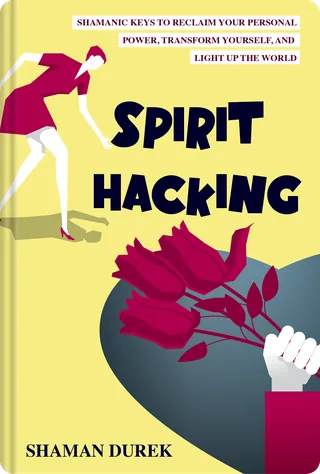
4Spirit Hacking

Spirit Hacking

Shaman Durek

Explore unconventional shamanic practices designed to challenge limiting beliefs, awaken inner power, and inspire a life of greater joy and impact.

17 min

Listen to the intro

1:34

What is Spirit Hacking about?

Spirit Hacking (2019) presents a spiritual approach to breaking free from limiting beliefs, harmful emotional patterns, and fears that prevent people from living with clarity and purpose. Shaman Durek combines personal stories, reflective practices, and teachings drawn from several spiritual traditions to encourage greater self-awareness and responsibility. The book invites readers to examine their inner dialogue, protect their emotional energy, strengthen compassion, and replace destructive habits with more constructive choices.

Who should read Spirit Hacking?

  • Anyone held back by limiting beliefs or fears
  • Readers seeking deeper self-awareness and emotional balance
  • People ready to replace destructive habits with better choices
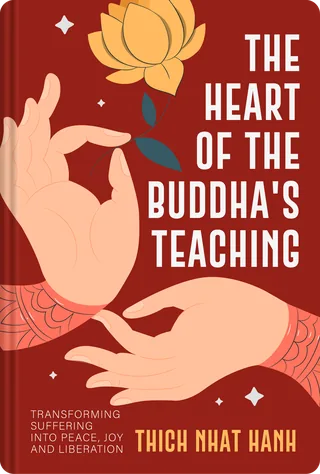
5The Heart of the Buddha's Teaching

The Heart of the Buddha's Teaching

Thich Nhat Hanh

Transform suffering into peace through Buddhist wisdom that cultivates mindfulness, compassion, presence, and clarity in everyday life.

18 min

Listen to the intro

1:42

What is The Heart of the Buddha's Teaching about?

The Heart of the Buddha's Teaching (1998) introduces the central principles of Buddhist philosophy and explains how they can be applied to suffering, awareness, and everyday conduct. Thich Nhat Hanh presents ideas such as mindful attention, compassion, balanced effort, and ethical living in clear and practical language. Rather than treating these teachings as abstract theories, the book shows how reflection and disciplined practice can encourage calm, understanding, and responsible action.

Who should read The Heart of the Buddha's Teaching?

  • Readers curious about the core ideas of Buddhist philosophy
  • Anyone seeking calm and focus amid daily stress
  • Students of world religions and comparative thought
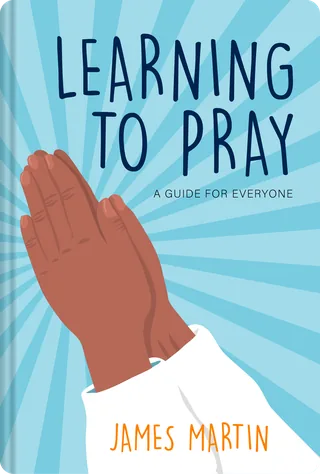
6Learning to Pray

Learning to Pray

James Martin

Deepen your spiritual connection by approaching prayer as a living and sincere dialogue grounded in silence, reflection, and compassion.

16 min

Listen to the intro

1:33

What is Learning to Pray about?

Learning to Pray (2021) provides an accessible introduction to Christian prayer and the many forms it can take in daily life. James Martin discusses spoken prayer, silent reflection, scripture, imagination, and contemplation while addressing common difficulties such as distraction, uncertainty, and discouragement. The book presents prayer as a relationship that develops gradually through honesty, patience, attention, and regular practice.

Who should read Learning to Pray?

  • Christians wanting a deeper, more personal prayer life
  • Anyone who struggles with distraction or discouragement in prayer
  • Readers curious about Christian traditions of contemplation
7Living Presence

Living Presence

Kabir Edmund Helminski

Deepen your connection with yourself and the divine through presence, stillness, and awareness that bring clarity, compassion, and inner harmony.

17 min

Listen to the intro

1:49

What is Living Presence about?

Living Presence (1992) presents a Sufi approach to cultivating awareness, inner balance, and remembrance of God in everyday life. Kabir Edmund Helminski explains how attention, self-observation, spiritual practice, and service can help people move beyond automatic habits. The book encourages readers to become more present, compassionate, disciplined, and conscious of the sacred dimension of life.

Who should read Living Presence?

  • Seekers wanting deeper remembrance of God in daily life
  • Anyone trying to break free from automatic, distracted habits
  • Readers curious about Sufi paths to inner balance and compassion
8In the Footsteps of the Prophet

In the Footsteps of the Prophet

Tariq Ramadan

Walk through the life of Prophet Muhammad (PBUH) and discover timeless lessons in compassion, humility, resilience, and moral character.

22 min

Listen to the intro

2:12

What is In the Footsteps of the Prophet about?

In the Footsteps of the Prophet (2007) is a biography of Prophet Muhammad (PBUH) that highlights the spiritual and ethical lessons of his life. Tariq Ramadan follows key events from the Prophet’s childhood in Makkah to the establishment of the Muslim community in Madinah, drawing out lessons on humility, compassion, patience, and justice. The book is written for both Muslim and non-Muslim readers seeking to understand the Prophet’s example.

Who should read In the Footsteps of the Prophet?

  • Muslims wanting to follow the Prophet's (PBUH) example more closely
  • Non-Muslims curious about the life of Prophet Muhammad (PBUH)
  • Anyone striving to build humility, patience and compassion
9The Only Astrology Book You'll Ever Need

The Only Astrology Book You'll Ever Need

Joanna Martine Woolfolk

Navigate zodiac signs, planets, houses, and birth charts to explore personality, relationships, and astrological interpretations of yourself and others.

19 min

Listen to the intro

0:52

What is The Only Astrology Book You'll Ever Need about?

The Only Astrology Book You'll Ever Need (1982) is a comprehensive introduction to the traditional ideas, symbols, and interpretive methods associated with astrology. It explains signs, planets, houses, and charts while showing how practitioners traditionally connect them with personality traits and patterns of behaviour. The book is best approached as a guide to an established cultural tradition and a tool for personal reflection rather than as a method of scientific prediction.

Who should read The Only Astrology Book You'll Ever Need?

  • Readers curious about astrology as a cultural tradition
  • Writers exploring zodiac symbolism in literature and art
  • Researchers studying how astrology links signs to personality
10Keep Showing Up

Keep Showing Up

Karen Ehman

Strengthen your marriage through intentional love, patience, grace, and the daily choice to stay connected through every season.

15 min

Listen to the intro

1:02

What is Keep Showing Up about?

Keep Showing Up (2019) presents practical guidance for building a strong and enduring marriage through patience, communication, and everyday acts of care. It encourages couples to remain committed, understand their differences, and support one another through changing circumstances.

Who should read Keep Showing Up?

  • Married couples wanting a stronger, more lasting bond
  • Spouses working through differences or a difficult season
  • Newlyweds hoping to build lasting daily habits of care
11The Power of Now

The Power of Now

Eckhart Tolle

Free yourself from anxiety by returning to the present moment, quieting the mind, and finding deeper clarity and peace.

19 min

Listen to the intro

1:32

What is The Power of Now about?

The Power of Now (1997) emphasises the value of directing attention toward the present moment instead of becoming overwhelmed by regret or worry. It offers reflections and exercises intended to strengthen awareness, acceptance, and inner peace.

Who should read The Power of Now?

  • Anyone weighed down by constant worry or anxiety
  • People stuck replaying past regrets and mistakes
  • Busy professionals seeking calm, focus and inner peace
12On Having No Head

On Having No Head

Douglas Harding

Explore Harding’s “headless” experiments to move beyond the separate self and experience a more spacious, open awareness.

19 min

Listen to the intro

1:37

What is On Having No Head about?

On Having No Head (1961) describes an experience Douglas Harding had while walking in the Himalayas, when he noticed that he could not see his own head, only open space in which the world appeared. From this simple observation, he developed a way of exploring self-awareness and the nature of experience. The book invites readers to test the idea for themselves through simple experiments rather than accepting it on faith.

Who should read On Having No Head?

  • Readers curious about self-awareness and the nature of experience
  • Anyone who prefers testing ideas over accepting them blindly
  • Students of philosophy exploring questions of identity and perception
13The Four Noble Truths of Love

The Four Noble Truths of Love

Susan Piver

Apply Buddhist wisdom to romantic love, embracing its joys and struggles with courage, openness, and deeper connection.

14 min

Listen to the intro

1:47

What is The Four Noble Truths of Love about?

The Four Noble Truths of Love (2018) applies the Buddha’s Four Noble Truths to close relationships between partners. Susan Piver argues that relationships are naturally uncomfortable and ever-changing, and that trying to make them permanently comfortable causes much of our frustration. Instead, she encourages couples to accept uncertainty and meet each other with openness, kindness, and honesty.

Who should read The Four Noble Truths of Love?

  • Couples who feel frustrated by ongoing relationship struggles
  • Anyone curious how Buddhist ideas apply to love
  • Partners seeking more honest and kind communication together
14The Way of Zen

The Way of Zen

Alan Watts

Explore the origins and essential ideas of Zen Buddhism, and understand it as a practical way of seeing and experiencing life rather than a rigid set of religious rules.

15 min

Listen to the intro

1:35

What is The Way of Zen about?

The Way of Zen (1957) presents the history, philosophy, and practices of Zen Buddhism in a form accessible to Western readers. Alan Watts traces Zen’s origins through Indian Buddhism and Chinese Taoism before examining its development in China and Japan. He explains concepts such as spontaneity, direct experience, meditation, and freedom from rigid intellectual thinking, while also exploring the expression of Zen in poetry, painting, tea ceremonies, and martial arts.

Who should read The Way of Zen?

  • Readers curious about Eastern philosophy and its origins
  • Students of comparative religion and world cultures
  • Anyone drawn to Japanese art, poetry and tea culture
15The Universe Has Your Back

The Universe Has Your Back

Gabrielle Bernstein

Release fear, trust life’s challenges, and transform anxiety into confidence, growth, and inner peace.

15 min

Listen to the intro

1:18

What is The Universe Has Your Back about?

The Universe Has Your Back (2016) encourages readers to replace fear and uncertainty with trust, reflection, and a more hopeful outlook. It combines personal stories with practical exercises intended to help people find calm and meaning during periods of change.

Who should read The Universe Has Your Back?

  • Anyone feeling anxious about an uncertain future
  • People navigating major life changes or setbacks
  • Readers seeking calm, confidence and a hopeful outlook
16Jewish Literacy

Jewish Literacy

Rabbi Joseph Telushkin

Explore Judaism’s defining ideas, stories, and traditions, and see how its enduring values continue to shape identity and meaning today.

18 min

Listen to the intro

1:01

What is Jewish Literacy about?

Jewish Literacy (1991) is a wide-ranging reference guide to the history, beliefs, and practices of Judaism. Rabbi Joseph Telushkin organises more than three hundred short entries on key figures, texts, holidays, and events, from ancient times to the modern era. Written for general readers, the book explains important terms and ideas in clear, accessible language.

Who should read Jewish Literacy?

  • Readers curious about Judaism's history, beliefs, and practices
  • Students of comparative religion seeking a clear reference
  • Anyone wanting to understand key Jewish terms and figures
17The Bhagavad Gita

The Bhagavad Gita

Vyasa

Find purpose amid conflict and doubt by aligning your actions with wisdom, duty, and freedom from attachment to outcomes.

17 min

Listen to the intro

1:53

What is The Bhagavad Gita about?

The Bhagavad Gita (c. 2nd century BCE to 2nd century CE) is an ancient spiritual and philosophical text presented as a dialogue between Prince Arjuna and Krishna. It reflects on duty, moral action, devotion, self-discipline, and the search for inner steadiness during difficult decisions.

Who should read The Bhagavad Gita?

  • Leaders facing hard choices between competing duties
  • Readers curious about classic texts of world philosophy
  • Anyone seeking calm focus amid pressure and doubt
18Become What You Are

Become What You Are

Alan Watts

Shed false identities and reconnect with your authentic self through presence, inner clarity, and spiritual insight.

16 min

Listen to the intro

1:16

What is Become What You Are about?

Become What You Are (1995) brings together essays and reflections on identity, self-awareness, and the difficulty of living naturally in a world filled with social expectations. Alan Watts encourages readers to stop treating life as a constant struggle to become someone else and to understand themselves with greater honesty and acceptance. The book draws on Eastern and Western philosophy to explore freedom, personal authenticity, and the relationship between the individual and the wider world.

Who should read Become What You Are?

  • Anyone feeling pressured to be someone they're not
  • Readers curious about Eastern and Western ideas of self
  • Anyone worn out by constantly striving to become someone else
19Muhammad (PBUH)

Muhammad (PBUH)

Martin Lings

Explore the life, mission, and enduring legacy of Prophet Muhammad (PBUH) through a beautifully written account grounded in classical Islamic sources.

18 min

Listen to the intro

1:19

What is Muhammad (PBUH) about?

Muhammad (PBUH) (1983) is a biography of Prophet Muhammad (PBUH) based on the earliest Arabic sources, including the classical works of sira. Martin Lings tells the story of the Prophet’s life in clear, graceful prose, from his early years in Makkah and the first revelation to the migration to Madinah and the spread of Islam. The book is widely admired for its accuracy, respect, and readability.

Who should read Muhammad (PBUH)?

  • Anyone seeking a reliable, readable biography of the Prophet (PBUH)
  • Readers wanting to deepen their love for the Prophet (PBUH)
  • Students of Islamic history and the classical sira
20The Bible Recap

The Bible Recap

Tara-Leigh Cobble

See the Bible as one connected story by understanding its context and themes, turning daily reading into deeper insight and reflection.

16 min

Listen to the intro

1:23

What is The Bible Recap about?

The Bible Recap (2020) is a structured companion designed to help readers understand the Bible through a yearlong reading plan. Each section summarises the day’s passages, explains their historical and spiritual context, and highlights their place within the broader biblical narrative. The book aims to make regular scripture reading more understandable and consistent while encouraging readers to focus on the character of God and the central message of each passage.

Who should read The Bible Recap?

  • Christians committed to reading the whole Bible in a year
  • Readers who struggle to understand the context of biblical passages
  • Bible study groups wanting a structured daily reading companion

Related topics

Questions about Spiritual Practices

What is a good book to start with on spiritual practices?

I Missed a Prayer is a gentle starting point for anyone who wants to reconnect with prayer and build a practice that brings stability and meaning. In the Footsteps of the Prophet pairs well with it, drawing practical lessons in humility, compassion and resilience from the Prophet's life (PBUH).

What will I learn from books on spiritual practices?

You will learn ways to bring sincerity, calm and focus into worship and daily life, and to respond to stress and suffering with patience. Titles such as The Ruthless Elimination of Hurry and Summa Theologica also show how other traditions have reflected on faith, reason and purposeful living.

Who are these summaries for?

They suit believers who want to deepen their worship and inner life, and curious readers who want to understand how different religions approach spiritual discipline. They also help busy people who feel scattered and are looking for steadiness, reflection and a clearer sense of purpose.

Get the key ideas from the world's best books in about 15 minutes

Free account · One free summary every day