Get started

Topic

The best 10 Buddhism summaries

This topic introduces Buddhism as a body of ideas about suffering, attention, and the nature of the self, offering readers in the region a way to understand a major Asian tradition and the mindfulness practices that have grown from it. The collection ranges from classic introductions to Buddhist and Zen thought to modern works that link these teachings with neuroscience, relationships, and the search for lasting joy. Readers can use the ideas to compare traditions thoughtfully, handle stress and pain with greater calm, and reflect more clearly on how they think and feel.

1The Way of Zen

The Way of Zen

Alan Watts

Explore the origins and essential ideas of Zen Buddhism, and understand it as a practical way of seeing and experiencing life rather than a rigid set of religious rules.

15 min

Listen to the intro

1:35

What is The Way of Zen about?

The Way of Zen (1957) presents the history, philosophy, and practices of Zen Buddhism in a form accessible to Western readers. Alan Watts traces Zen’s origins through Indian Buddhism and Chinese Taoism before examining its development in China and Japan. He explains concepts such as spontaneity, direct experience, meditation, and freedom from rigid intellectual thinking, while also exploring the expression of Zen in poetry, painting, tea ceremonies, and martial arts.

Who should read The Way of Zen?

  • Readers curious about Eastern philosophy and its origins
  • Students of comparative religion and world cultures
  • Anyone drawn to Japanese art, poetry and tea culture
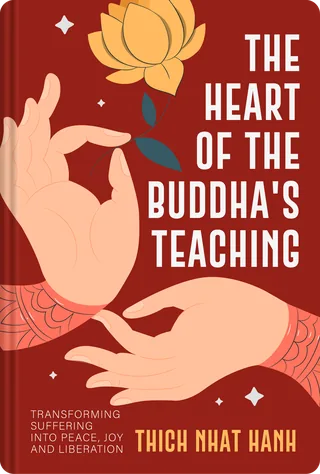
2The Heart of the Buddha's Teaching

The Heart of the Buddha's Teaching

Thich Nhat Hanh

Transform suffering into peace through Buddhist wisdom that cultivates mindfulness, compassion, presence, and clarity in everyday life.

18 min

Listen to the intro

1:42

What is The Heart of the Buddha's Teaching about?

The Heart of the Buddha's Teaching (1998) introduces the central principles of Buddhist philosophy and explains how they can be applied to suffering, awareness, and everyday conduct. Thich Nhat Hanh presents ideas such as mindful attention, compassion, balanced effort, and ethical living in clear and practical language. Rather than treating these teachings as abstract theories, the book shows how reflection and disciplined practice can encourage calm, understanding, and responsible action.

Who should read The Heart of the Buddha's Teaching?

  • Readers curious about the core ideas of Buddhist philosophy
  • Anyone seeking calm and focus amid daily stress
  • Students of world religions and comparative thought
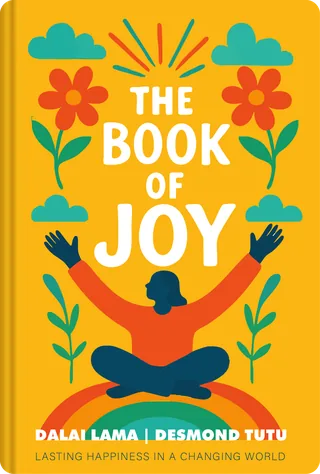
3The Book of Joy

The Book of Joy

Dalai Lama and Desmond Tutu

Find lasting joy amid pain and uncertainty through the wisdom, compassion, and perspective of two spiritual leaders.

16 min

Listen to the intro

1:44

What is The Book of Joy about?

The Book of Joy (2016) records a series of conversations between the Dalai Lama and Desmond Tutu about finding lasting joy during periods of hardship and uncertainty. Drawing on their different spiritual traditions and long personal experiences, they discuss perspective, humility, humour, acceptance, forgiveness, gratitude, and compassion. The book combines thoughtful dialogue, scientific observations, and practical exercises that help readers cultivate a steadier and more generous approach to life.

Who should read The Book of Joy?

  • Anyone facing hardship who wants steadier inner peace
  • People seeking practical ways to build gratitude and forgiveness
  • Caregivers and leaders who want to respond with compassion
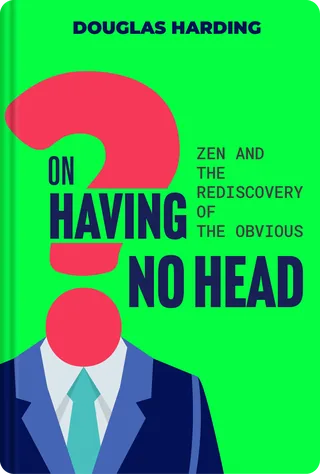
4On Having No Head

On Having No Head

Douglas Harding

Explore Harding’s “headless” experiments to move beyond the separate self and experience a more spacious, open awareness.

19 min

Listen to the intro

1:37

What is On Having No Head about?

On Having No Head (1961) describes an experience Douglas Harding had while walking in the Himalayas, when he noticed that he could not see his own head, only open space in which the world appeared. From this simple observation, he developed a way of exploring self-awareness and the nature of experience. The book invites readers to test the idea for themselves through simple experiments rather than accepting it on faith.

Who should read On Having No Head?

  • Readers curious about self-awareness and the nature of experience
  • Anyone who prefers testing ideas over accepting them blindly
  • Students of philosophy exploring questions of identity and perception
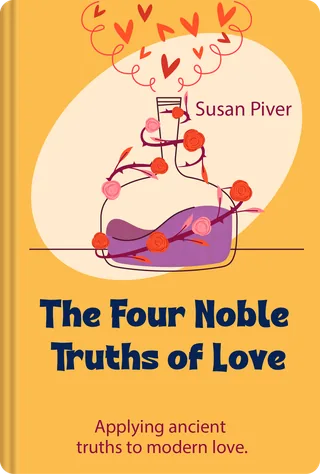
5The Four Noble Truths of Love

The Four Noble Truths of Love

Susan Piver

Apply Buddhist wisdom to romantic love, embracing its joys and struggles with courage, openness, and deeper connection.

14 min

Listen to the intro

1:47

What is The Four Noble Truths of Love about?

The Four Noble Truths of Love (2018) applies the Buddha’s Four Noble Truths to close relationships between partners. Susan Piver argues that relationships are naturally uncomfortable and ever-changing, and that trying to make them permanently comfortable causes much of our frustration. Instead, she encourages couples to accept uncertainty and meet each other with openness, kindness, and honesty.

Who should read The Four Noble Truths of Love?

  • Couples who feel frustrated by ongoing relationship struggles
  • Anyone curious how Buddhist ideas apply to love
  • Partners seeking more honest and kind communication together
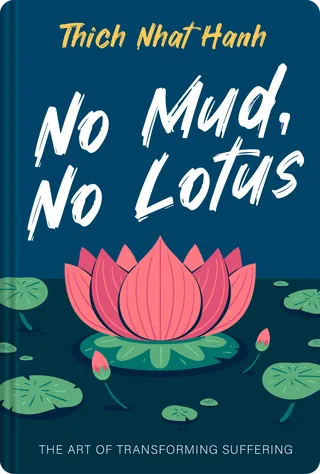
6No Mud, No Lotus

No Mud, No Lotus

Thich Nhat Hanh

Meet suffering with mindfulness and transform pain into deeper understanding, compassion, peace, and lasting joy.

16 min

Listen to the intro

1:37

What is No Mud, No Lotus about?

No Mud, No Lotus (2014) explains that suffering can be understood and transformed rather than ignored or allowed to dominate life. Using the image of a lotus growing from mud, Thich Nhat Hanh shows how difficult experiences can deepen compassion, wisdom, and appreciation when approached with awareness. The book offers breathing practices, mindful observation, and gentle reflections for responding to pain without losing hope or inner balance.

Who should read No Mud, No Lotus?

  • Anyone facing pain or difficult experiences in life
  • People who want calmer ways to respond to pain
  • Readers seeking compassion without losing their inner balance
7Become What You Are

Become What You Are

Alan Watts

Shed false identities and reconnect with your authentic self through presence, inner clarity, and spiritual insight.

16 min

Listen to the intro

1:16

What is Become What You Are about?

Become What You Are (1995) brings together essays and reflections on identity, self-awareness, and the difficulty of living naturally in a world filled with social expectations. Alan Watts encourages readers to stop treating life as a constant struggle to become someone else and to understand themselves with greater honesty and acceptance. The book draws on Eastern and Western philosophy to explore freedom, personal authenticity, and the relationship between the individual and the wider world.

Who should read Become What You Are?

  • Anyone feeling pressured to be someone they're not
  • Readers curious about Eastern and Western ideas of self
  • Anyone worn out by constantly striving to become someone else
8The Book

The Book

Alan W. Watts

Question the illusion of a separate self and discover deeper peace by recognising your connection to the universe.

16 min

Listen to the intro

1:08

What is The Book about?

The Book (1966) challenges the common feeling that each person is a separate, isolated self facing an outside world. Drawing on Eastern philosophy, especially the Indian tradition of Vedanta, Alan W. Watts argues that people are deeply connected to everything around them. The book invites readers to see themselves as part of a larger whole, and to find greater peace by letting go of anxiety about control.

Who should read The Book?

  • Anyone who feels isolated or disconnected from the world
  • Readers curious about Eastern philosophy and ideas of selfhood
  • People struggling with anxiety about control and outcomes
9Buddha’s Brain

Buddha’s Brain

Rick Hanson

Train your brain for greater calm, happiness, and resilience with practical techniques that strengthen positive patterns and reduce stress.

17 min

Listen to the intro

1:41

What is Buddha’s Brain about?

Buddha’s Brain (2009) explores how neuroscience and contemplative practices can help people develop calm, resilience, and emotional balance. It offers practical exercises for strengthening positive mental habits and responding to daily challenges with greater awareness.

Who should read Buddha’s Brain?

  • Anyone struggling with stress and daily challenges
  • Readers curious about neuroscience and emotional balance
  • People seeking practical habits for calm and resilience
10Neurodharma

Neurodharma

Rick Hanson

Cultivate steadiness, love, and wisdom through seven neuroscience-informed practices inspired by Buddhism that deepen peace and inner freedom.

13 min

Listen to the intro

1:51

What is Neurodharma about?

Neurodharma (2020) combines modern brain science with ancient contemplative practices from the Buddhist tradition. Rick Hanson presents seven practices, including steadiness, warmth, fullness, and wholeness, to help readers develop a calmer mind and greater inner strength. Each practice includes clear scientific explanations and guided exercises that readers can bring into daily life, whether or not they have meditated before.

Who should read Neurodharma?

  • Anyone seeking a calmer, steadier mind amid daily stress
  • Readers curious how brain science explains inner peace
  • Meditation beginners wanting practical, science-based mental exercises

Related topics

Questions about Buddhism

What is a good book to start with on Buddhism?

The Heart of the Buddha's Teaching is a clear starting point, explaining core ideas such as suffering, mindfulness, and compassion in plain language. For a broader historical and philosophical view, The Way of Zen traces the origins and key concepts of Zen Buddhism.

What will I learn from Buddhism books?

You will learn the main Buddhist teachings on suffering and its causes, along with practices for attention, calm, and compassion. Titles such as Buddha's Brain and Neurodharma also show how some of these practices relate to modern research on the brain and stress.

Who are these summaries for?

They suit readers curious about world religions and philosophies, students of comparative thought, and anyone looking for practical ideas on managing stress and emotions. They present Buddhist ideas for understanding and reflection, and readers can weigh them against their own beliefs and values.

Get the key ideas from the world's best books in about 15 minutes

Free account · One free summary every day