Get started

Author

Yuval Noah Harari summaries

3 summaries on Durar

Yuval Noah Harari is a historian known for telling the long story of humankind in clear, readable prose, and his books are worth your time because they ask big questions about how people learned to cooperate, why societies believe what they believe, and where technology may be taking us next. Start with Sapiens, which lays the foundation for everything else he writes, then move to Nexus for his sharp argument that more information does not automatically bring truth or wisdom, and keep 21 Lessons for the 21st Century for when you want practical guidance on thinking calmly amid fast change. His summaries suit students, teachers, professionals in technology and public policy, and parents across the region who want to understand the forces shaping their children's world, while weighing his views against their own values and convictions.

1Nexus

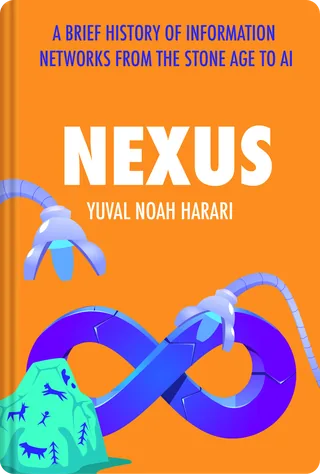
Nexus

Trace how information networks, from language and writing to the internet and AI, built civilisations and continue to shape humanity’s future.

22 min

Listen to the intro

1:12

What is Nexus about?

Nexus (2024) traces the history of information networks, from stories and written records to printing, mass media, and artificial intelligence. Yuval Noah Harari argues that more information does not automatically lead to truth or wisdom, and that information networks have often been used to build power and order. He warns that artificial intelligence may bring unprecedented risks and calls for strong safeguards.

Who should read Nexus?

  • Anyone curious how information shaped human history
  • Policymakers and leaders weighing the risks of AI
  • Readers flooded with news who want sharper judgment
221 Lessons for the 21st Century

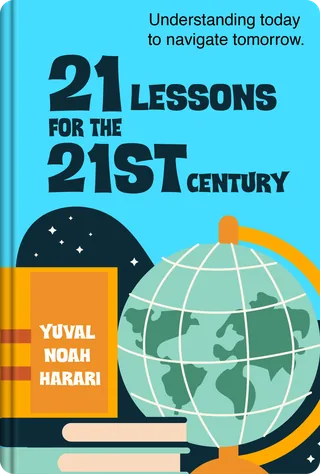
21 Lessons for the 21st Century

Navigate rapid technological change and political uncertainty with clear thinking, responsible choices, and freedom from fear-driven reactions.

15 min

Listen to the intro

1:40

What is 21 Lessons for the 21st Century about?

21 Lessons for the 21st Century (2018) examines the most pressing challenges of the present, from artificial intelligence and biotechnology to misinformation, nationalism, and the future of work. Yuval Noah Harari explores how these changes affect jobs, freedom, truth, and education, and what individuals can do to stay clear-minded in a confusing world. The book encourages readers to think carefully about the choices facing humanity.

Who should read 21 Lessons for the 21st Century?

  • Professionals worried about AI's impact on their careers
  • Anyone overwhelmed by misinformation and fast-changing news
  • Educators and parents preparing young people for uncertainty
3Sapiens

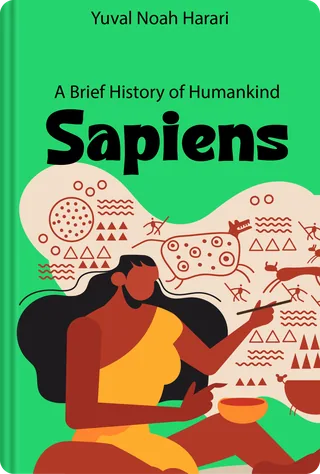
Sapiens

Trace humanity’s rise through shared beliefs, cooperation, and technology while rethinking progress and our place in the future.

18 min

Listen to the intro

0:41

What is Sapiens about?

Sapiens (2011) surveys the history of humanity from early communities to the interconnected societies of the modern world. Yuval Noah Harari examines how language, shared stories, agriculture, political institutions, trade, science, and technology shaped cooperation on a large scale. By moving across long periods of history, the book invites readers to question familiar assumptions about progress, power, happiness, and the choices that may shape humanity’s future.

Who should read Sapiens?

  • History lovers seeking the big picture of humanity
  • Leaders curious how large groups learn to cooperate
  • Anyone questioning what progress and happiness really mean

About Yuval Noah Harari

Yuval Noah Harari is an Israeli historian, author, and professor whose work examines broad patterns in human history. He is known for connecting developments in politics, economics, culture, science, and technology through large historical narratives. His books have reached an international audience and have encouraged wide discussion about humanity’s past, present challenges, and possible futures.

Get the key ideas from the world's best books in about 15 minutes

Free account · One free summary every day