Get started

Author

Tina Payne Bryson summaries

4 summaries on Durar

Tina Payne Bryson, a child psychotherapist who often writes with neuropsychiatrist Daniel J. Siegel, is known for explaining how a child's developing brain shapes their behaviour, and her books are worth reading because they turn that science into calm, practical steps for the hardest moments at home. Start with The Whole-Brain Child, which lays the foundation the other books build on, showing how to help the emotional and logical sides of a child's mind work together through simple habits like naming a big feeling to soften it, then move to No-Drama Discipline when you want to apply those ideas to correction and boundaries. These summaries serve parents of young children and teenagers alike, as well as grandparents, teachers and caregivers in the region who want to raise children with warmth and firmness together, in homes where family closeness and respect matter deeply.

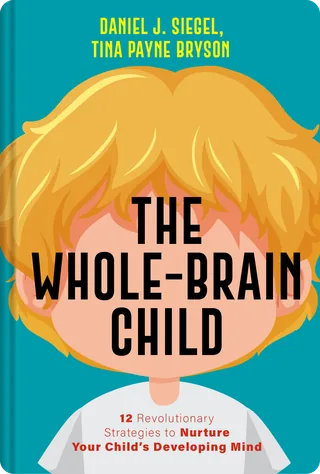
1The Whole-Brain Child

The Whole-Brain Child

Understand your child’s developing brain and turn big emotions into opportunities for stronger communication, resilience, and growth.

15 min

Listen to the intro

1:02

What is The Whole-Brain Child about?

The Whole-Brain Child (2011) explains how a child’s developing brain works and how parents can use everyday moments to help children grow emotionally healthy. Daniel J. Siegel and Tina Payne Bryson present twelve practical strategies for helping the logical and emotional parts of the brain work together, such as naming big feelings to calm them. The book turns difficult moments into opportunities for connection and growth.

Who should read The Whole-Brain Child?

  • Parents who want to handle tantrums with calm and understanding
  • Teachers and caregivers working daily with young children
  • Anyone curious about how a child's brain develops
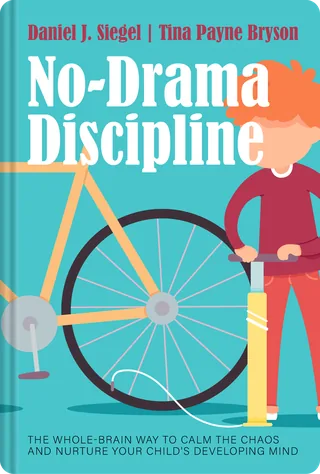
2No-Drama Discipline

No-Drama Discipline

Guide children through big emotions with connection and empathy, turning discipline into an opportunity for trust, learning, and better choices.

12 min

Listen to the intro

1:27

What is No-Drama Discipline about?

No-Drama Discipline (2014) offers a calm and caring approach to guiding children’s behaviour. Daniel J. Siegel and Tina Payne Bryson explain that discipline means teaching, not punishing, and that children learn best when they first feel connected and understood. Using brain science, they show parents how to respond to misbehaviour in ways that build self-control, strengthen relationships, and reduce conflict at home.

Who should read No-Drama Discipline?

  • Parents tired of yelling and endless power struggles
  • Teachers and caregivers guiding children through big emotions
  • Anyone wanting to discipline children by teaching, not punishing
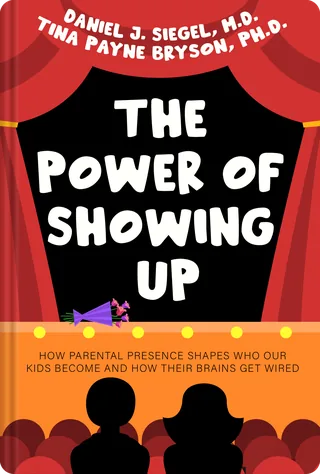
3The Power of Showing Up

The Power of Showing Up

Give your child the security of your presence through calm, consistent, and responsive parenting that builds confidence and connection.

16 min

Listen to the intro

0:58

What is The Power of Showing Up about?

The Power of Showing Up (2020) argues that the most important thing parents can do is simply be present for their children. Daniel J. Siegel and Tina Payne Bryson explain the four S’s that help children feel securely attached: feeling safe, seen, soothed, and secure. They show that parents do not need to be perfect, and offer practical ways to repair mistakes and strengthen the bond with their children.

Who should read The Power of Showing Up?

  • Parents seeking a deeper bond with their children
  • Mothers and fathers who fear their mistakes harm their children
  • Caregivers who want to raise confident, secure children
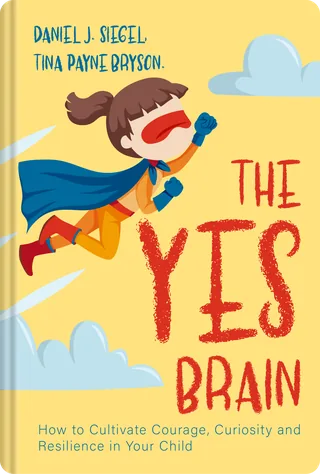
4The Yes Brain

The Yes Brain

Raise resilient, confident children by nurturing curiosity, emotional balance, and an open mindset toward life’s challenges.

14 min

Listen to the intro

1:03

What is The Yes Brain about?

The Yes Brain (2018) helps parents raise children who are open, curious, and resilient rather than rigid and reactive. Daniel J. Siegel and Tina Payne Bryson explain the difference between a yes brain, which is receptive to new experiences, and a no brain, which is defensive. They describe four qualities to nurture, balance, resilience, insight, and empathy, with practical activities for everyday family life.

Who should read The Yes Brain?

  • Parents raising curious, confident and resilient children
  • Caregivers handling frequent tantrums and rigid behavior
  • Educators who want to nurture empathy and emotional balance

About Tina Payne Bryson

Daniel J. Siegel and Tina Payne Bryson are experts in child development and parenting. Siegel is an American psychiatrist and clinical professor at the University of California, Los Angeles, who founded the Mindsight Institute. Bryson is an American psychotherapist and parenting specialist. Together they wrote The Whole-Brain Child, No-Drama Discipline, The Yes Brain, and The Power of Showing Up.

Get the key ideas from the world's best books in about 15 minutes

Free account · One free summary every day