Get started

Author

Michio Kaku summaries

7 summaries on Durar

Michio Kaku is a theoretical physicist known for turning the hardest ideas in modern science, from string theory to quantum computing, into clear, lively stories about where humanity might be headed. Start with Physics of the Impossible, which uses time travel and invisibility as a playful way into real physics, then move to Quantum Supremacy for a grounded look at a technology that could reshape medicine, energy and climate research. These summaries suit students weighing a path in science or engineering, professionals in the region's growing technology and energy sectors, and any curious reader who wants to follow the conversation about the future without a physics degree.

1Quantum Supremacy

Quantum Supremacy

Explore how quantum computing could transform AI, medicine, climate research, and the future of human innovation.

20 min

Listen to the intro

1:24

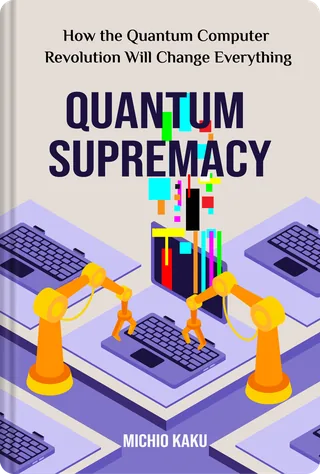
What is Quantum Supremacy about?

Quantum Supremacy (2023) explains how quantum computers work and why they could transform the world. Michio Kaku describes how these machines, which use the strange rules of quantum physics, may one day solve problems far beyond today’s computers, in areas such as medicine, energy, climate, and artificial intelligence. The book offers an exciting and accessible look at a technology still being developed.

Who should read Quantum Supremacy?

  • Tech enthusiasts curious about the next computing revolution
  • Professionals in medicine, energy or AI fields
  • Anyone wanting quantum physics explained in plain language
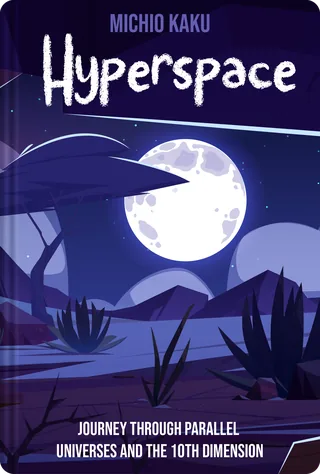
2Hyperspace

Hyperspace

Venture beyond familiar reality through higher dimensions, string theory, and wormholes that could reveal the universe’s hidden structure.

19 min

Listen to the intro

2:04

What is Hyperspace about?

Hyperspace (1994) introduces readers to one of the most exciting ideas in modern physics: that our universe may have more dimensions than the three we can see. Michio Kaku explains how extra dimensions could help unite the forces of nature, and explores related ideas such as wormholes, parallel universes, and time travel. The book makes advanced physics clear, exciting, and accessible.

Who should read Hyperspace?

  • Curious readers fascinated by the universe's deepest mysteries
  • Students exploring physics beyond the standard classroom textbook
  • Science fiction fans curious what real physics allows
3Physics of the Future

Physics of the Future

Imagine the next century through breakthroughs in AI, medicine, nanotechnology, and space travel that could transform human life.

21 min

Listen to the intro

1:01

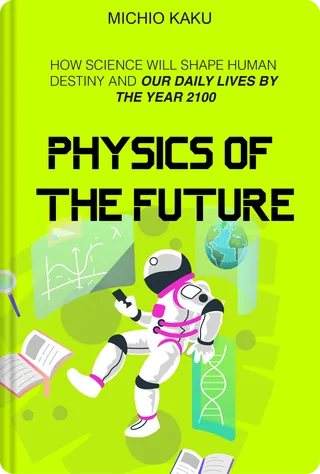
What is Physics of the Future about?

Physics of the Future (2011) predicts how science and technology could change daily life by the year 2100. Based on interviews with hundreds of leading scientists, Michio Kaku explores coming advances in computers, artificial intelligence, medicine, nanotechnology, energy, and space travel. He explains which developments are likely and when, and considers how they may transform work, health, and society.

Who should read Physics of the Future?

  • Tech enthusiasts curious about where innovation is heading
  • Professionals planning careers around emerging technologies
  • Anyone wondering how science could reshape daily life
4The God Equation

The God Equation

Follow science’s pursuit of one equation that unites every force of nature, from Newton and Einstein to modern string theory.

18 min

Listen to the intro

0:47

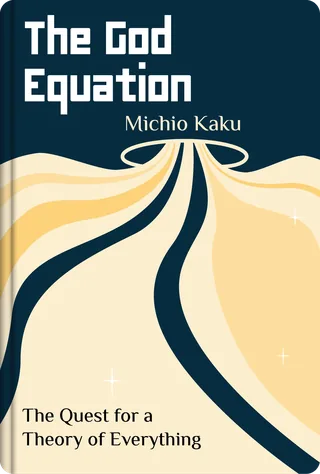
What is The God Equation about?

The God Equation (2021) tells the story of physicists’ search for a single theory that could explain all the forces of nature, from gravity to the forces inside the atom. Michio Kaku traces this quest from Newton and Einstein to quantum mechanics and string theory, and explains why uniting these ideas is one of science’s greatest challenges. The book makes complex physics clear and exciting for general readers.

Who should read The God Equation?

  • Curious readers drawn to the mysteries of the universe
  • Students exploring physics beyond the classroom textbook
  • Anyone wanting Einstein and string theory explained simply
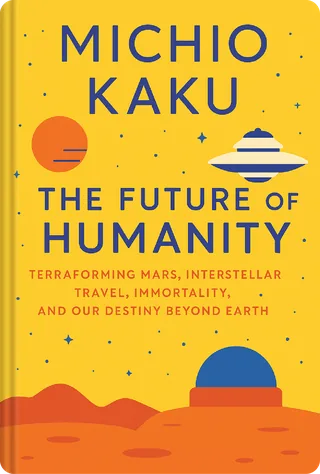
5The Future of Humanity

The Future of Humanity

Imagine humanity’s future beyond Earth through space colonisation, advanced AI, genetic engineering, and interstellar travel.

21 min

Listen to the intro

0:47

What is The Future of Humanity about?

The Future of Humanity (2018) explores whether humans could one day live beyond Earth. Michio Kaku describes how we might build settlements on the Moon and Mars, explore the moons of Jupiter and Saturn, travel to other stars, and extend human life with new technology. Grounded in real physics and current research, the book offers an inspiring and imaginative look at humanity’s long-term future in space.

Who should read The Future of Humanity?

  • Space enthusiasts curious about life on Mars and beyond
  • Students drawn to physics, astronomy and future technology
  • Readers who wonder where science may take humanity next
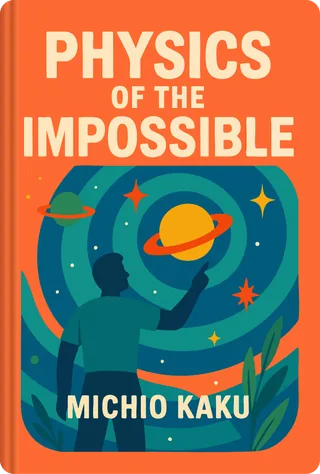
6Physics of the Impossible

Physics of the Impossible

Explore the real science behind time travel, invisibility, and other seemingly impossible technologies that could shape the future.

17 min

Listen to the intro

1:48

What is Physics of the Impossible about?

Physics of the Impossible (2008) takes a scientific look at ideas from science fiction, such as force fields, invisibility, teleportation, time travel, and faster-than-light travel. Michio Kaku sorts them into three classes: those that may be possible within this century, those that may take thousands of years, and those that break the known laws of physics. The result is an entertaining and accessible tour of modern physics.

Who should read Physics of the Impossible?

  • Science fiction fans curious about the real science
  • Students wanting an accessible introduction to modern physics
  • Anyone wondering which futuristic technologies could actually happen
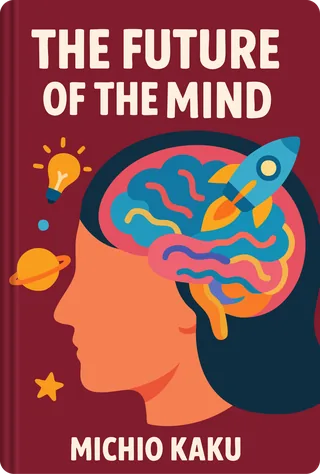
7The Future of the Mind

The Future of the Mind

Explore the future of the mind through brain-computer interfaces, memory transfer, telepathy, and technologies that could transform human cognition.

19 min

Listen to the intro

1:15

What is The Future of the Mind about?

The Future of the Mind (2014) explores how science may soon understand and enhance the human brain. Michio Kaku describes real research on recording memories, controlling machines with thoughts, reading brain signals, and boosting intelligence, and considers what these advances could mean for society. Written in an accessible and exciting style, the book brings neuroscience and physics together to imagine the future of the mind.

Who should read The Future of the Mind?

  • Students curious about neuroscience and how the brain works
  • Tech enthusiasts following brain-computer interfaces and future innovations
  • Anyone wondering how science could reshape human thinking

About Michio Kaku

Michio Kaku is an American theoretical physicist, professor at the City College of New York, and one of the world’s best-known popularisers of science. He is a co-founder of string field theory and a frequent guest on television and radio programmes about science. His bestselling books include Physics of the Impossible, The Future of the Mind, The Future of Humanity, and The God Equation.

Get the key ideas from the world's best books in about 15 minutes

Free account · One free summary every day