Get started

Topic

The best 26 Ages 3–6 summaries

This topic gathers beloved picture books for children aged three to six, the years when little ones begin to learn language, manners, and how to handle feelings like shyness, worry, and the wish to have everything at once. The stories range from rhythmic first readers such as The Very Hungry Caterpillar and Brown Bear, Brown Bear, What Do You See? to gentle family tales like the Berenstain Bears stories and comforting bedtime books like Goodnight Moon. Parents and teachers can use these ideas to build daily routines, start warm conversations about sharing, kindness, and safety, and prepare children calmly for new steps such as starting school.

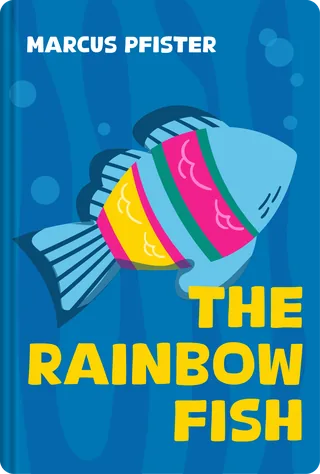
1The Rainbow Fish

The Rainbow Fish

Marcus Pfister

Follow a shimmering fish who discovers that sharing, kindness, and friendship bring far greater joy than standing apart.

9 min

Listen to the intro

0:29

What is The Rainbow Fish about?

The Rainbow Fish (1992) tells the story of the most beautiful fish in the ocean, whose shining, colourful scales make him proud but lonely. When he learns to share his scales with the other fish, he discovers friendship and happiness. Marcus Pfister’s picture book, famous for its sparkling foil illustrations, teaches young readers about sharing, kindness, and the value of friends.

Who should read The Rainbow Fish?

  • Parents teaching young children the joy of sharing
  • Teachers looking for stories about kindness and friendship
  • Young readers learning how to make and keep friends

2The Pigeon Finds a Hot Dog

The Pigeon Finds a Hot Dog

Mo Willems

Laugh along as a stubborn pigeon learns that sharing, patience, and fairness can be more rewarding than keeping everything for yourself.

6 min

Listen to the intro

0:25

What is The Pigeon Finds a Hot Dog about?

The Pigeon Finds a Hot Dog! (2004) is a funny picture book in which the Pigeon finds a tasty snack and wants to enjoy it alone, until a curious little duckling starts asking questions. Mo Willems uses simple drawings and lively speech bubbles to explore sharing, cleverness, and friendship. Children love joining in with the Pigeon’s dramatic reactions.

Who should read The Pigeon Finds a Hot Dog?

  • Parents teaching young children the value of sharing
  • Early-years teachers looking for lively read-aloud stories
  • Young readers who love funny, expressive picture books
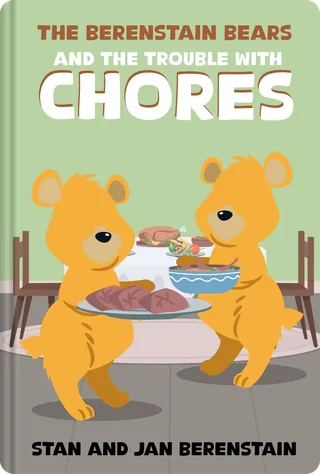
3The Berenstain Bears’ Trouble with Chores

The Berenstain Bears’ Trouble with Chores

Stan and Jan Berenstain

Turn chores into teamwork with a relatable family story about responsibility, cooperation, and taking pride in helping at home.

5 min

Listen to the intro

0:29

What is The Berenstain Bears’ Trouble with Chores about?

The Berenstain Bears’ Trouble with Chores (2005) follows the Bear family as household responsibilities become a source of disagreement. When Mama Bear grows tired of completing nearly every task herself, the family learns that a comfortable home depends on cooperation and shared effort. The story introduces children to responsibility, fairness, and the importance of contributing to family life.

Who should read The Berenstain Bears’ Trouble with Chores?

  • Parents struggling to get kids helping at home
  • Young children learning responsibility and fairness
  • Families wanting to share household chores fairly
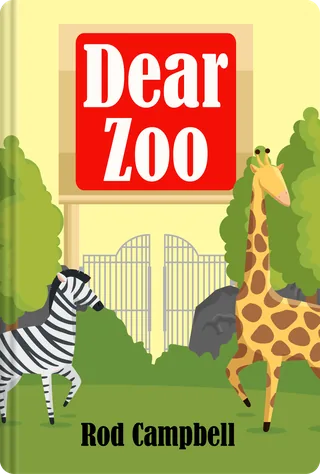
4Dear Zoo

Dear Zoo

Rod Campbell

Lift the flaps to reveal surprising animal deliveries in a playful story that builds curiosity and early learning.

8 min

Listen to the intro

0:40

What is Dear Zoo about?

Dear Zoo (1982) is a lift-the-flap book about a child who writes to the zoo asking for a pet. The zoo sends one animal after another, including an elephant, a giraffe, a lion, and a camel, but each one is too big, too tall, or too fierce, until the perfect pet finally arrives. Rod Campbell’s simple, repetitive text makes it a favourite first book for babies and toddlers.

Who should read Dear Zoo?

  • Parents reading aloud to babies and toddlers
  • Early years teachers introducing animals and new words
  • Caregivers looking for interactive, repetitive first books
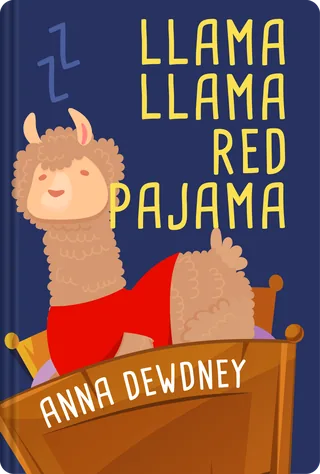
5Llama Llama Red Pajama

Llama Llama Red Pajama

Anna Dewdney

Soothe bedtime worries with a comforting story that helps children face separation anxiety through love, patience, and reassurance.

7 min

Listen to the intro

0:15

What is Llama Llama Red Pajama about?

Llama Llama Red Pajama (2005) is a rhyming bedtime story about a little llama who feels alone after Mama Llama says goodnight and goes downstairs. As his worry grows into loud crying, Mama comes back to comfort him and reminds him that she is always near, even when she is not in the room. Anna Dewdney’s picture book helps young children cope with bedtime fears and separation.

Who should read Llama Llama Red Pajama?

  • Parents whose toddlers struggle to fall asleep alone
  • Caregivers easing young children's separation anxiety at bedtime
  • Anyone looking for a gentle rhyming bedtime story
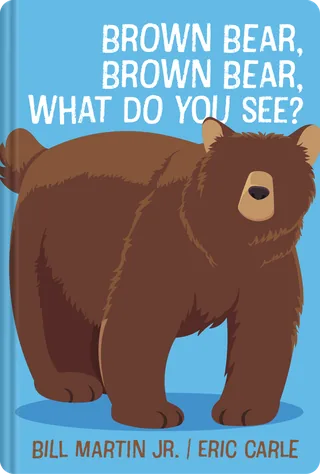
6Brown Bear, Brown Bear, What Do You See?

Brown Bear, Brown Bear, What Do You See?

Bill Martin Jr. and Eric Carle

Discover colours and animals through playful repetition and rhythm that make early language learning fun and engaging.

7 min

Listen to the intro

0:52

What is Brown Bear, Brown Bear, What Do You See? about?

Brown Bear, Brown Bear, What Do You See? (1967) is a rhythmic picture book in which each animal answers the question by naming the next colourful animal it sees, from a red bird to a purple cat. Its simple repeated pattern helps young children predict the words, learn colours and animals, and join in the reading. Bill Martin Jr. and Eric Carle’s book has become one of the most popular first books for early readers.

Who should read Brown Bear, Brown Bear, What Do You See??

  • Parents reading aloud to toddlers and preschoolers
  • Early-years teachers planning color and animal vocabulary lessons
  • Anyone helping young children start enjoying books
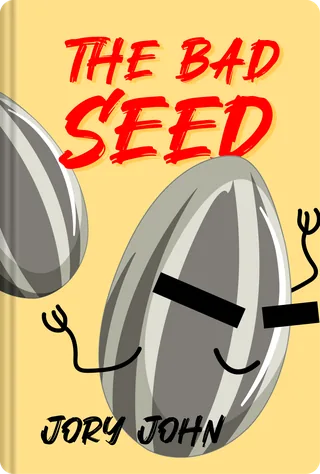
7The Bad Seed

The Bad Seed

Jory John

Meet a grumpy seed who learns that mistakes do not define him—and that every new choice is a chance to grow kinder.

6 min

Listen to the intro

0:26

What is The Bad Seed about?

The Bad Seed (2017) tells the funny and touching story of a sunflower seed who believes he is bad: he is always late, never listens, and tells long jokes with no ending. As he remembers what made him this way, he decides he can choose to change, one small step at a time. Jory John’s picture book, illustrated by Pete Oswald, teaches children that behaviour is not destiny.

Who should read The Bad Seed?

  • Parents helping children believe they can change
  • Teachers guiding students through behavior struggles with kindness
  • Young readers who feel labeled by their mistakes
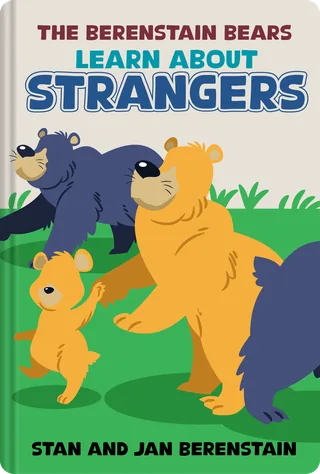
8The Berenstain Bears Learn About Strangers

The Berenstain Bears Learn About Strangers

Stan and Jan Berenstain

Help children stay safe with clear, reassuring lessons about familiar people, strangers, and trusting their awareness without fear.

8 min

Listen to the intro

0:26

What is The Berenstain Bears Learn About Strangers about?

The Berenstain Bears Learn About Strangers (1985) helps young children understand how to stay safe around people they do not know. When Sister Bear becomes frightened after hearing warnings about strangers, her parents gently explain that most people are good, but that she should follow simple safety rules. Stan and Jan Berenstain’s story teaches caution without fear.

Who should read The Berenstain Bears Learn About Strangers?

  • Parents teaching young children how to handle strangers
  • Teachers seeking gentle lessons on personal safety
  • Caregivers who want caution taught without fear
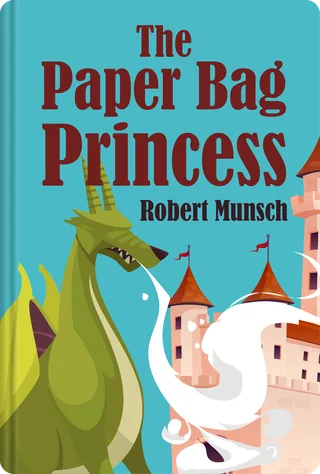
9The Paper Bag Princess

The Paper Bag Princess

Robert Munsch

Join a clever princess who outsmarts a dragon and discovers that courage, independence, and self-respect matter more than appearances.

7 min

Listen to the intro

0:28

What is The Paper Bag Princess about?

The Paper Bag Princess (1980) turns the classic fairy tale upside down. When a dragon burns Princess Elizabeth’s castle and carries off Prince Ronald, she puts on a paper bag and sets out to rescue him, outsmarting the dragon with cleverness rather than strength. Robert Munsch’s funny picture book celebrates courage, quick thinking, and knowing your own worth.

Who should read The Paper Bag Princess?

  • Parents looking for a funny bedtime story with heart
  • Children who love fairy tales with a surprising twist
  • Teachers teaching courage, cleverness and self-respect to young readers
10The Snowy Day

The Snowy Day

Ezra Jack Keats

Experience the wonder of the first snowfall through a child’s eyes, filled with discovery, curiosity, and simple joy.

7 min

Listen to the intro

0:27

What is The Snowy Day about?

The Snowy Day (1962) follows a young boy named Peter as he explores his city neighbourhood after a snowfall. He makes tracks, knocks snow from a tree, builds a snowman, and tries to save a snowball in his pocket for later. Ezra Jack Keats’s simple story and striking collage illustrations capture the wonder of a child’s first snow, and the book became a landmark in children’s literature.

Who should read The Snowy Day?

  • Parents looking for a gentle story to share
  • Teachers introducing young children to classic picture books
  • Illustrators curious about storytelling through collage art
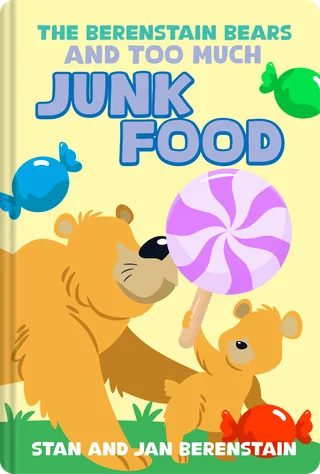
11The Berenstain Bears and Too Much Junk Food

The Berenstain Bears and Too Much Junk Food

Stan and Jan Berenstain

See how smarter food choices improve energy and mood in a relatable family story about balance and listening to your body.

9 min

Listen to the intro

0:28

What is The Berenstain Bears and Too Much Junk Food about?

The Berenstain Bears and Too Much Junk Food (1985) begins when Mama Bear notices that the family has been eating too many sweets and snacks. She replaces junk food with healthy meals and, with help from Dr. Grizzly, teaches the cubs how food affects their bodies and energy. Stan and Jan Berenstain’s story introduces healthy eating and exercise in a fun, simple way.

Who should read The Berenstain Bears and Too Much Junk Food?

  • Parents struggling with kids who love sweets and snacks
  • Teachers introducing healthy eating to young children
  • Families wanting fun ways to talk about nutrition
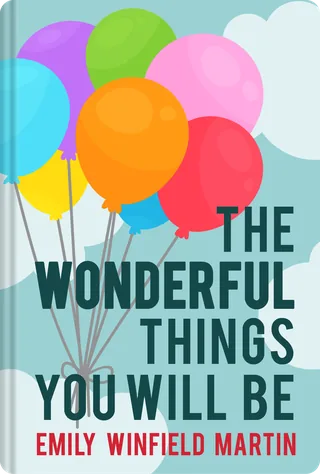
12The Wonderful Things You Will Be

The Wonderful Things You Will Be

Emily Winfield Martin

Celebrate every child’s limitless potential through a tender message of unconditional love, hope, and encouragement.

6 min

Listen to the intro

0:31

What is The Wonderful Things You Will Be about?

The Wonderful Things You Will Be (2015) is a gentle picture book in which a parent imagines all the people their child might grow up to become, from brave and kind to curious and clever. Emily Winfield Martin’s rhyming verses and warm illustrations celebrate every child’s potential and remind readers that a parent’s love stays the same, whatever path the child chooses.

Who should read The Wonderful Things You Will Be?

  • Parents looking for a heartfelt bedtime story
  • Grandparents wanting to share words of encouragement
  • Anyone choosing a meaningful gift for a child
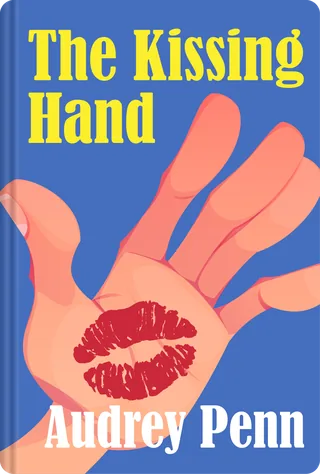
13The Kissing Hand

The Kissing Hand

Audrey Penn

Reassure children facing separation and new experiences with a tender lesson about love, courage, and emotional connection.

5 min

Listen to the intro

0:24

What is The Kissing Hand about?

The Kissing Hand (1993) helps young children cope with the worry of starting school and being apart from the people they love. Chester the raccoon is nervous about his first day, so his mother gives him a special gift: she kisses the palm of his hand so he can press it to his cheek whenever he feels lonely. Audrey Penn’s gentle story is a favourite for easing separation anxiety.

Who should read The Kissing Hand?

  • Parents preparing a child for the first school day
  • Kindergarten teachers welcoming nervous new students
  • Caregivers easing a child's fear of being apart
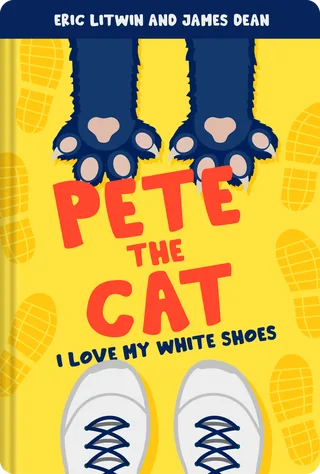
14Pete the Cat: I Love My White Shoes

Pete the Cat: I Love My White Shoes

Eric Litwin and James Dean

Sing along with a carefree cat who turns every surprise into a lesson in optimism, flexibility, and enjoying the moment.

6 min

Listen to the intro

0:29

What is Pete the Cat: I Love My White Shoes about?

Pete the Cat: I Love My White Shoes (2010) follows a cool blue cat who loves his new white shoes so much that he sings about them. As he steps in strawberries, blueberries, and mud, his shoes change colour, but Pete never gets upset and keeps singing. Eric Litwin and James Dean’s cheerful story teaches children to stay positive and go with the flow when things change.

Who should read Pete the Cat: I Love My White Shoes?

  • Parents who read aloud to toddlers and preschoolers
  • Teachers helping young children cope with frustration and change
  • Anyone who needs a cheerful reminder to stay positive
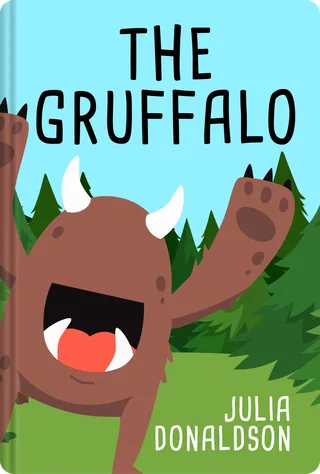
15The Gruffalo

The Gruffalo

Julia Donaldson

Join a quick-thinking mouse who uses wit and imagination to outsmart danger, celebrating confidence, creativity, and clever choices.

9 min

Listen to the intro

0:23

What is The Gruffalo about?

The Gruffalo (1999) tells the story of a clever little mouse walking through a deep, dark wood. To scare off a fox, an owl, and a snake who want to eat him, he invents a terrifying monster called the Gruffalo, only to meet a real one. Julia Donaldson’s rhyming tale, illustrated by Axel Scheffler, celebrates quick thinking and has become one of the best-loved picture books of modern times.

Who should read The Gruffalo?

  • Parents looking for engaging bedtime stories to read aloud
  • Early years teachers who use stories to build confidence
  • Aspiring children's authors studying rhyme and storytelling
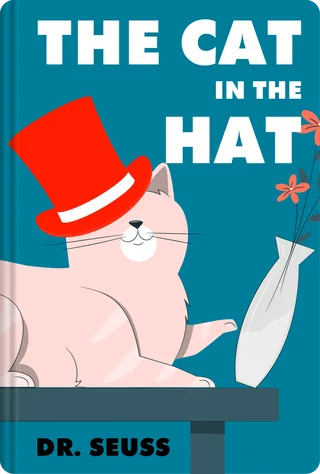
16The Cat in the Hat

The Cat in the Hat

Dr. Seuss

Join a mischievous cat for a whirlwind of chaotic fun that teaches children about choices, consequences, and responsibility.

5 min

Listen to the intro

3:10

What is The Cat in the Hat about?

The Cat in the Hat (1957) begins on a rainy day when two children are stuck at home with nothing to do, until a tall, mischievous cat in a striped hat arrives and turns the house upside down with his tricks. Dr. Seuss wrote the book using a short list of simple words to help young children learn to read, and its playful rhymes and lively drawings made reading fun for generations.

Who should read The Cat in the Hat?

  • Parents of young children just learning to read
  • Teachers looking for fun stories for early readers
  • Anyone teaching kids about choices and consequences
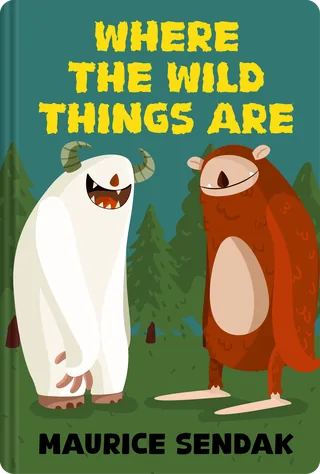
17Where the Wild Things Are

Where the Wild Things Are

Maurice Sendak

Journey into a wild world of imagination and discover the comfort of home, emotional expression, and unconditional love.

8 min

Listen to the intro

0:52

What is Where the Wild Things Are about?

Where the Wild Things Are (1963) tells the story of Max, a boy who is sent to his room after misbehaving and sails away in his imagination to a land of wild creatures. He tames them, becomes their king, and leads a joyful rumpus before feeling lonely and returning home, where his supper is waiting, still warm. Maurice Sendak’s classic picture book explores anger, imagination, and the comfort of being loved.

Who should read Where the Wild Things Are?

  • Parents helping children understand and express big emotions
  • Teachers seeking stories that spark imagination and discussion
  • Anyone who loves classic picture books and childhood wonder
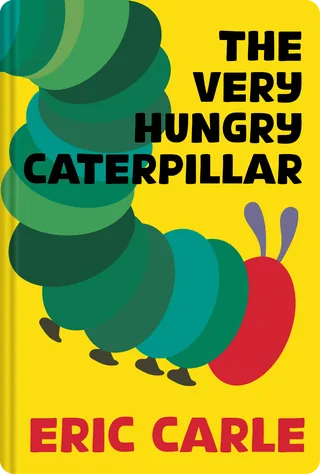
18The Very Hungry Caterpillar

The Very Hungry Caterpillar

Eric Carle

Follow a tiny caterpillar’s colourful journey of growth and transformation, introducing children to patience, change, and the joy of becoming.

4 min

Listen to the intro

2:34

What is The Very Hungry Caterpillar about?

The Very Hungry Caterpillar (1969) follows a tiny caterpillar who eats through more and more food each day of the week, from one apple on Monday to a feast on Saturday, before building a cocoon and emerging as a beautiful butterfly. With its bright collage illustrations and pages with holes to explore, Eric Carle’s classic teaches young children about counting, the days of the week, healthy eating, and growth.

Who should read The Very Hungry Caterpillar?

  • Parents reading aloud to toddlers at bedtime
  • Preschool teachers introducing counting and days of the week
  • Caregivers encouraging young children to enjoy healthy food
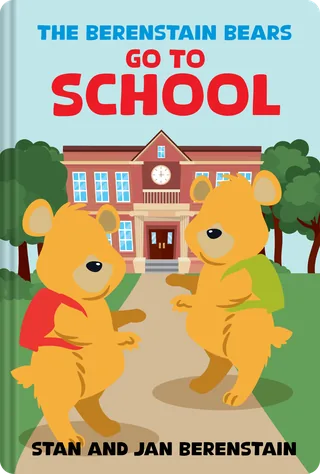
19The Berenstain Bears Go to School

The Berenstain Bears Go to School

Stan and Jan Berenstain

Ease first-day nerves with a reassuring story about classroom routines, new friendships, and approaching school with confidence.

6 min

Listen to the intro

0:28

What is The Berenstain Bears Go to School about?

The Berenstain Bears Go to School (1978) helps young children get ready for their first day of school. Sister Bear feels nervous about kindergarten, but a visit to her new classroom, a kind teacher, and new friends help her discover that school can be fun. Stan and Jan Berenstain’s gentle story eases children’s worries about big new steps.

Who should read The Berenstain Bears Go to School?

  • Parents preparing a child for the first day of school
  • Kindergarten teachers welcoming nervous new students
  • Young children feeling anxious about starting school
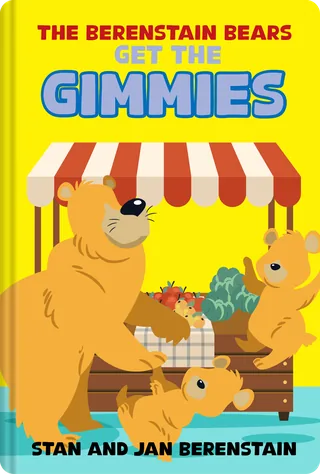
20The Berenstain Bears Get the Gimmies

The Berenstain Bears Get the Gimmies

Stan and Jan Berenstain

Learn why wanting everything at once never satisfies, through a relatable story about patience, gratitude, and understanding what truly matters.

6 min

Listen to the intro

0:29

What is The Berenstain Bears Get the Gimmies about?

The Berenstain Bears Get the Gimmies (1988) follows Brother and Sister Bear as they beg for toys and treats every time the family goes shopping. With help from Grandma and Grandpa, Mama and Papa Bear find a gentle way to cure their case of the gimmies. Stan and Jan Berenstain’s story teaches children about gratitude, patience, and appreciating what they already have.

Who should read The Berenstain Bears Get the Gimmies?

  • Parents whose children beg for toys while shopping
  • Grandparents helping raise grateful, patient grandchildren
  • Teachers introducing young children to gratitude and contentment

Related topics

Questions about Ages 3–6

What is a good book to start with on stories for ages 3–6?

The Very Hungry Caterpillar is a gentle first choice, with simple repetition that teaches counting, days of the week, and patience. For bedtime, Goodnight Moon offers a calm rhythm that helps young children settle down.

What will I learn from books for ages 3–6?

You will find simple ways to help young children with sharing, patience, perseverance, and managing worries. The Rainbow Fish shows the joy of kindness and generosity, while The Kissing Hand offers a tender way to ease separation fears.

Who are these summaries for?

They are for parents, grandparents, teachers, and caregivers who want to choose good books and draw useful lessons from them for young children. They also suit anyone preparing a child for a new stage, as in The Berenstain Bears Go to School.

Get the key ideas from the world's best books in about 15 minutes

Free account · One free summary every day