Get started

Author

Thich Nhat Hanh summaries

4 summaries on Durar

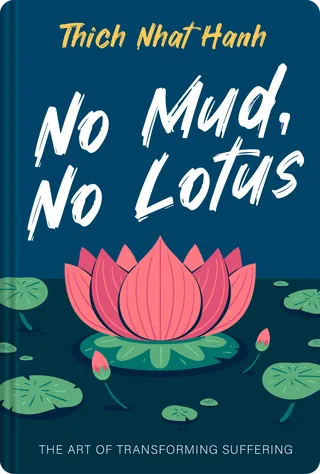
Thich Nhat Hanh was a Vietnamese Zen monk known for writing about mindfulness, conscious breathing and deep listening in language so plain and gentle that his ideas become practical tools for calming the mind amid a busy life. Start with No Mud, No Lotus, where the image of a lotus rising from mud shows how painful experiences, met with awareness, can deepen compassion and wisdom, and where short breathing and reflection practices help you respond to hardship without losing hope; then turn to How to Love for calmer relationships, and The Heart of the Buddha's Teaching if you want the roots of his thinking. His books serve best the professional carrying daily pressure, the parent holding a family together, or anyone living with worry or grief in the region's fast-moving cities who wants simple practices for stillness, taking what sits well with their own values.

1Savor

Savor

Transform eating into an act of joy and self-care through mindful habits that replace stress and guilt with calm and intention.

16 min

Listen to the intro

1:06

What is Savor about?

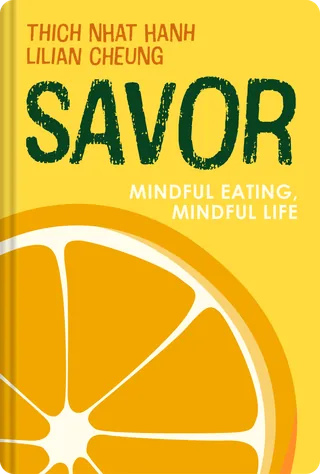
Savor (2010) combines mindfulness with nutrition science to help readers build a healthier relationship with food. Thich Nhat Hanh and Lilian Cheung show how eating with full attention, noticing hunger and fullness, and reducing stress can support a healthy weight and greater wellbeing. The book offers practical exercises for bringing awareness to eating, movement, and daily life.

Who should read Savor?

  • Anyone who eats out of stress or habit
  • People seeking a healthy weight without guilt
  • Busy professionals wanting calmer, more mindful daily routines
2No Mud, No Lotus

No Mud, No Lotus

Meet suffering with mindfulness and transform pain into deeper understanding, compassion, peace, and lasting joy.

16 min

Listen to the intro

1:37

What is No Mud, No Lotus about?

No Mud, No Lotus (2014) explains that suffering can be understood and transformed rather than ignored or allowed to dominate life. Using the image of a lotus growing from mud, Thich Nhat Hanh shows how difficult experiences can deepen compassion, wisdom, and appreciation when approached with awareness. The book offers breathing practices, mindful observation, and gentle reflections for responding to pain without losing hope or inner balance.

Who should read No Mud, No Lotus?

  • Anyone facing pain or difficult experiences in life
  • People who want calmer ways to respond to pain
  • Readers seeking compassion without losing their inner balance
3The Heart of the Buddha's Teaching

The Heart of the Buddha's Teaching

Transform suffering into peace through Buddhist wisdom that cultivates mindfulness, compassion, presence, and clarity in everyday life.

18 min

Listen to the intro

1:42

What is The Heart of the Buddha's Teaching about?

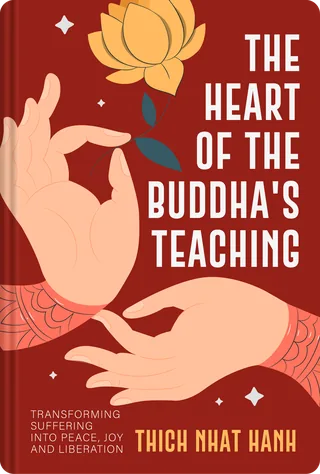
The Heart of the Buddha's Teaching (1998) introduces the central principles of Buddhist philosophy and explains how they can be applied to suffering, awareness, and everyday conduct. Thich Nhat Hanh presents ideas such as mindful attention, compassion, balanced effort, and ethical living in clear and practical language. Rather than treating these teachings as abstract theories, the book shows how reflection and disciplined practice can encourage calm, understanding, and responsible action.

Who should read The Heart of the Buddha's Teaching?

  • Readers curious about the core ideas of Buddhist philosophy
  • Anyone seeking calm and focus amid daily stress
  • Students of world religions and comparative thought
4How to Love

How to Love

Practise love with presence, compassion, and deep listening to build calmer relationships and live with a more open heart.

15 min

Listen to the intro

2:18

What is How to Love about?

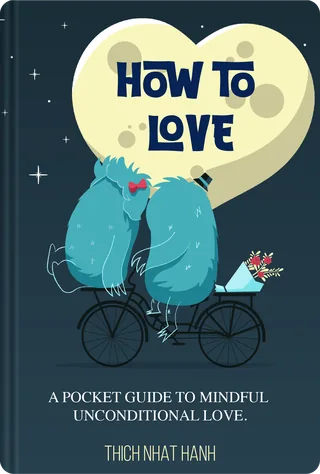
How to Love (2014) offers brief reflections and practical exercises for cultivating understanding, patience, and compassionate communication. It presents love as a skill that grows through attentive listening, presence, and responsible care for others. Thich Nhat Hanh draws on decades of teaching mindfulness to show how deep listening and kind speech can heal misunderstandings in families and friendships.

Who should read How to Love?

  • Families seeking calmer, more understanding relationships at home
  • Anyone who wants to listen more deeply to others
  • Friends trying to heal misunderstandings through kind speech

About Thich Nhat Hanh

Thich Nhat Hanh was a Vietnamese Zen teacher, poet, author, and peace advocate whose teachings reached readers throughout the world. He established meditation communities that emphasised mindfulness, compassionate communication, and responsible living. His writing is especially valued for translating profound spiritual concepts into simple practices that can be used during ordinary moments and difficult circumstances.

Get the key ideas from the world's best books in about 15 minutes

Free account · One free summary every day