Get started

Author

George Orwell summaries

2 summaries on Durar

George Orwell is remembered for two works of fiction that turned questions of power, propaganda and truth into stories readers rarely forget, and they remain worth your time because they show how freedom can slip away quietly, through words and habits as much as through force. Start with Animal Farm, a short and simple fable in which a farmyard revolution slowly loses its way, then move on to Nineteen Eighty-Four, where the same concerns grow into a full portrait of a society whose rulers rewrite history and reach even into language and thought. Students of literature, people who work with media and the written word, and anyone curious about how ideas shape the societies we live in will find these summaries a clear and rewarding way into Orwell's thinking.

1Nineteen Eighty-Four (1984)

Nineteen Eighty-Four (1984)

Enter a regime that controls truth, history, and thought, revealing how unchecked power can erase freedom and humanity.

15 min

Listen to the intro

1:17

What is Nineteen Eighty-Four (1984) about?

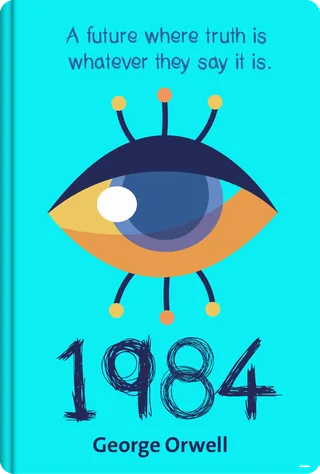
Nineteen Eighty-Four (1984), first published in 1949, imagines a future society ruled by a total dictatorship led by the mysterious Big Brother. Winston Smith works at the Ministry of Truth rewriting history, while the Party watches every citizen and controls even language and thought. George Orwell’s classic novel is a powerful warning about surveillance, propaganda, and the loss of truth and freedom.

Who should read Nineteen Eighty-Four (1984)?

  • Readers who want to experience a defining literary classic
  • Anyone curious how propaganda and surveillance shape public thinking
  • Students exploring the link between language, truth and power
2Animal Farm

Animal Farm

Witness a revolution descend into tyranny as power, propaganda, and inequality slowly strip a society of its freedom.

16 min

Listen to the intro

2:04

What is Animal Farm about?

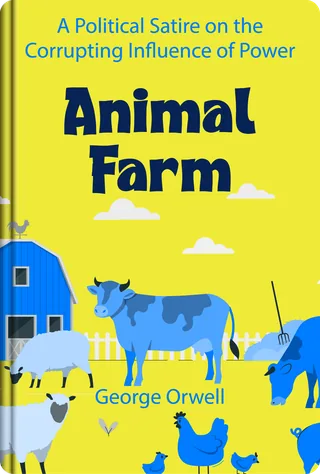
Animal Farm (1945) is a short, powerful fable about the animals of Manor Farm, who rebel against their careless owner, Mr. Jones, hoping to build a society where all are equal. Over time, the cleverest animals, led by Napoleon, seize power, rewrite the rules, and become as oppressive as the farmer they replaced. George Orwell’s classic allegory warns how power can corrupt ideals and how truth can be twisted.

Who should read Animal Farm?

  • Readers curious about how power corrupts good intentions
  • Students exploring classic literature and political allegory
  • Anyone who wants to spot propaganda and twisted truths

About George Orwell

George Orwell (1903–1950) was the pen name of Eric Arthur Blair, an English novelist, essayist, and journalist. His clear writing and strong opposition to tyranny and propaganda made him one of the most influential writers of the twentieth century. His best-known works include Animal Farm, Nineteen Eighty-Four, and the essay Politics and the English Language.

Get the key ideas from the world's best books in about 15 minutes

Free account · One free summary every day